Easy Streusel Topping? Grandma’s Secret Recipe
There’s something magical about biting into a pastry, coffee cake, or fruit crisp and encountering that perfect streusel topping—a golden, buttery crumble that shatters between your teeth and melts on your tongue. My grandmother guarded her streusel recipe like a precious heirloom, and after years of watching her work in the kitchen, I finally understood why. It wasn’t just the ingredients; it was the technique, the timing, and the love she poured into every batch. Today, I’m sharing her easy streusel topping recipe that has become the foundation for countless desserts in my own kitchen.
Unlike many complicated pastry recipes that require precision scales and specialized equipment, a proper streusel topping is surprisingly forgiving and straightforward. Whether you’re topping a coffee cake for Sunday morning breakfast, finishing a fruit crisp, or adding texture to a muffin batch, this grandmother-approved method delivers restaurant-quality results every single time. The secret lies not in exotic ingredients but in understanding how butter, sugar, and flour interact to create that signature crumbly texture.
What is Streusel Topping?
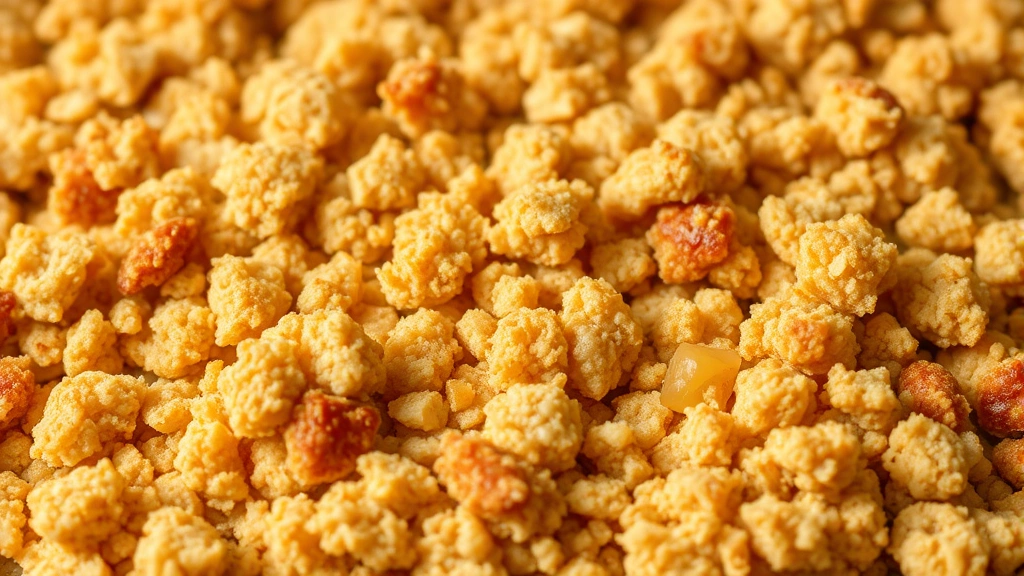
Streusel is a German word meaning “to scatter” or “to sprinkle,” and that’s exactly what this topping is—a scattered, crumbly mixture of flour, sugar, butter, and often spices. Unlike a crisp topping that’s meant to be crunchy throughout, a streusel topping achieves a delicate balance between crispy edges and tender, melt-in-your-mouth centers. This textural contrast is what makes it so irresistible.
The beauty of streusel lies in its versatility. You’ll find it crowning coffee cakes, apple crisps, muffins, and even some savory applications. My grandmother used to say that streusel was the “little black dress” of baking—simple, elegant, and appropriate for almost any occasion. It works on warm fruit desserts, cold cheesecakes, and everything in between.
What distinguishes a truly exceptional streusel from a mediocre one is the ratio of ingredients and how they’re combined. Too much flour and you get a dense, pasty topping. Too much butter and it becomes oily. The perfect balance creates those coveted irregular clumps that bake into golden-brown clusters.
Ingredients You’ll Need
The beauty of this recipe is its simplicity. You likely have most of these ingredients in your pantry right now:
- All-purpose flour – 1 cup (this provides structure)
- Brown sugar – ¾ cup (packed, for moisture and depth)
- Granulated sugar – ¼ cup (for sweetness and crispness)
- Cold butter – ½ cup (cut into small cubes; this is crucial)
- Ground cinnamon – 1½ teaspoons (optional but highly recommended)
- Salt – ¼ teaspoon (enhances all flavors)
- Vanilla extract – ½ teaspoon (optional, adds depth)
The combination of brown and granulated sugar is grandmother’s genius move. The brown sugar adds moisture and creates a chewier center in your streusel clusters, while the granulated sugar promotes crispness on the edges. Together, they create that perfect textural contrast.
Step-by-Step Instructions
Step 1: Prepare Your Ingredients
Start by cutting your cold butter into small cubes—roughly the size of peas. This is non-negotiable. Cold butter is essential because it creates pockets of steam during baking, which leads to those desirable irregular clumps. If your butter is too soft, you’ll end up with a dense, cake-like topping instead of a crumbly one. I recommend cutting your butter directly from the refrigerator and keeping it cold until you’re ready to use it.
Step 2: Combine Dry Ingredients
In a medium mixing bowl, whisk together your flour, brown sugar, granulated sugar, cinnamon, and salt. Whisking the dry ingredients ensures even distribution of the spices and sugar throughout the mixture. This step prevents clumps of cinnamon or uneven sweetness in your finished topping. Take about 30 seconds to whisk thoroughly.
Step 3: Cut in the Butter
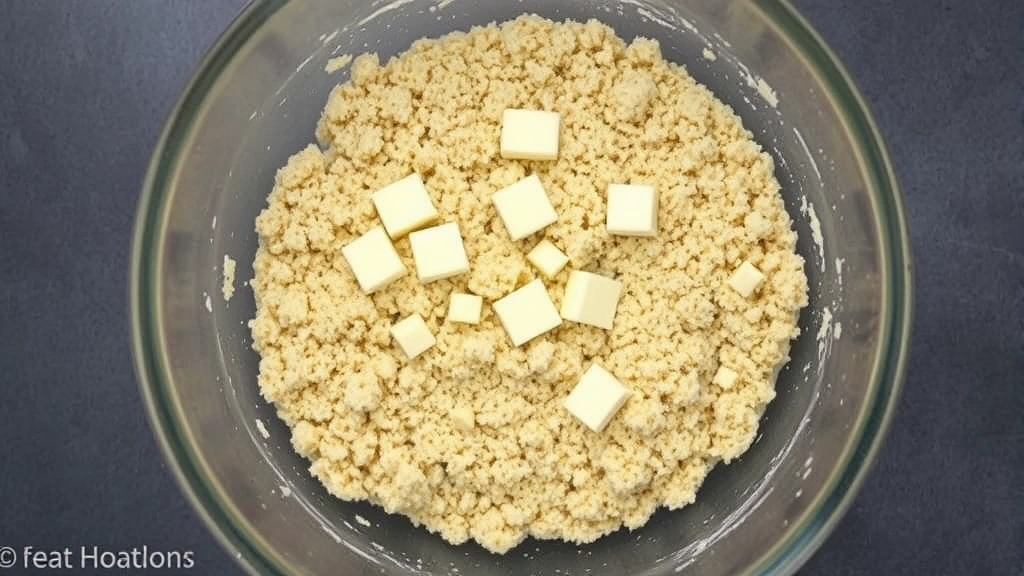
This is where the magic happens. Add your cold butter cubes to the dry mixture. Using a pastry cutter, two knives, or your fingertips, work the butter into the flour mixture until it resembles coarse breadcrumbs or wet sand. This should take about 2-3 minutes if using a pastry cutter, or 3-4 minutes if using your fingers. The key is to avoid overworking the mixture—you want visible butter pieces throughout, not a smooth dough.
My grandmother’s trick was to use her fingertips and work quickly, rubbing the butter and flour together with just her thumb and fingers. The warmth from your hands should be minimal contact time. If the mixture starts feeling warm or greasy, pop it in the freezer for 5 minutes before continuing.
Step 4: Add Vanilla (Optional)
If using vanilla extract, sprinkle it over the mixture and gently toss with a fork until combined. The vanilla adds a subtle depth that elevates the entire topping without making it taste “vanilla-forward.”
Step 5: Use Immediately or Chill
Your streusel topping is now ready to use. You can sprinkle it directly onto your cake, crisp, or muffins and bake according to your recipe instructions. Alternatively, you can refrigerate it for up to 4 hours or freeze it for up to 3 months (see storage section for details).
Baking Temperature and Time
Most recipes using this streusel topping bake at 350-375°F. The topping typically takes 25-35 minutes to turn golden brown, depending on your oven and the recipe you’re using it with. The streusel is done when it’s deeply golden but not burnt. Watch carefully during the last 5-10 minutes of baking, as it can go from perfect to overdone quickly.
Pro Tips from Grandma
Keep Everything Cold
The colder your ingredients, the better your streusel will turn out. Use butter straight from the refrigerator, and consider chilling your mixing bowl for 10 minutes before starting. Some bakers even chill the finished streusel mixture before applying it to their baked goods.
Don’t Skip the Salt
Even though it seems like a small amount, salt is absolutely essential. It doesn’t make the topping taste salty; instead, it amplifies all the other flavors and prevents the sweetness from becoming cloying. This is a lesson my grandmother emphasized repeatedly.
Use Your Hands for Texture
While a pastry cutter or mixer works fine, using your fingertips gives you better control over the texture. You can feel when the mixture reaches that perfect breadcrumb consistency and avoid overworking it. Pastry cutters can sometimes overwork the dough if you’re not careful.
Brown Sugar Makes a Difference
Don’t substitute all brown sugar for the granulated sugar or vice versa. The combination is what creates the perfect balance. Brown sugar alone makes the topping too moist and cake-like, while all granulated sugar makes it too dry and sandy.
Freeze for Convenience
Make a double batch and freeze the extra in portions. You’ll have streusel topping ready for impromptu coffee cakes or fruit crisps whenever inspiration strikes.
Flavor Variations and Add-Ins
Nutmeg and Spice Variation
Add ½ teaspoon of ground nutmeg and ¼ teaspoon of ground ginger to the dry ingredients for a warm, spiced version that’s perfect for apple crisps or pumpkin-based desserts. This variation pairs beautifully with the recipes in our collection of seasonal baking guides.
Nut-Studded Streusel
Fold in ½ cup of chopped pecans, walnuts, or almonds after the butter is incorporated. The nuts add crunch and richness, making this variation perfect for morning coffee cakes. Toast the nuts first for extra depth of flavor.
Coconut Version
Replace ¼ cup of flour with shredded unsweetened coconut. This creates a tropical twist that works wonderfully on fruit crisps, especially with pineapple or mango fillings.
Chocolate Streusel
Add 2 tablespoons of unsweetened cocoa powder and reduce the flour by 2 tablespoons. Mix in ¼ cup of mini chocolate chips after incorporating the butter. This decadent variation transforms ordinary cakes into chocolate lovers’ dreams.
Brown Butter Streusel
Melt your butter slowly in a saucepan over medium heat, swirling occasionally until it turns golden brown and smells nutty (about 5-7 minutes). Cool completely, then cut into cubes and proceed as normal. The nutty flavor adds incredible depth to your topping.
Oat-Based Variation
Replace ¼ cup of flour with old-fashioned rolled oats for a heartier texture. This works especially well on fruit crisps and creates a more rustic appearance. You can also check out our healthy recipe collection for inspiration on wholesome toppings.
Storage and Make-Ahead Options
Refrigerator Storage
Store your streusel topping in an airtight container in the refrigerator for up to 4 days. Before using, you may need to break up any clumps that have formed, but the topping will still work beautifully. The cold mixture will actually help it bake more evenly.
Freezer Storage
This is where make-ahead convenience shines. Spread your streusel mixture on a baking sheet in a thin, even layer and freeze for 2-3 hours until solid. Break it into chunks and transfer to a freezer-safe bag or container. It will keep for up to 3 months. There’s no need to thaw before using—simply sprinkle the frozen streusel directly onto your batter and bake as directed, adding 5-10 minutes to the baking time.
Portioning for Easy Use
For maximum convenience, divide your streusel into portions using an ice cream scoop or small measuring cup. Freeze each portion separately, then transfer to a freezer bag. Now you have perfectly portioned streusel topping ready whenever you need it.
Troubleshooting Common Issues
Streusel is Too Wet or Pasty
This usually means your butter was too warm when you incorporated it. The solution is to refrigerate the mixture for 15-20 minutes to firm it up, then break it apart again before using. For future batches, ensure your butter is ice-cold and work quickly.
Streusel is Too Dry or Sandy
You may have used too much flour or not enough butter. Additionally, if you didn’t pack your brown sugar when measuring, you used less than intended. When making your next batch, pack the brown sugar firmly into the measuring cup and add an extra tablespoon of cold butter.
Streusel Doesn’t Brown During Baking
If your oven runs cool, your streusel may need more time. Increase the baking temperature by 25°F or bake for an additional 10 minutes. Alternatively, you can pre-bake the streusel at 350°F for 5-7 minutes before adding it to your dessert.
Streusel Burns Before the Cake is Done
Your oven may run hot, or the streusel may be too thick. Try loosening the streusel so it’s less densely packed, or tent it lightly with foil for the final 10 minutes of baking. Lower your oven temperature by 25°F for future batches.
Streusel Clumps Too Much
If your streusel has formed large clumps rather than small irregular pieces, you likely overworked the mixture or your butter was too soft. Break the clumps apart gently with your fingers before sprinkling over your dessert. For the next batch, use colder butter and work faster.
FAQ
Can I Make Streusel Topping Without Brown Sugar?
You can, but it won’t be quite the same. If you only have granulated sugar, use 1 cup instead of the combined ¾ cup brown and ¼ cup granulated. The resulting topping will be crisper and less tender. For the best results, keep brown sugar on hand—it’s a pantry staple worth having.
What’s the Difference Between Streusel and Crumble Topping?
While the terms are sometimes used interchangeably, streusel typically has a finer, more delicate crumb structure, while crumble toppings are often coarser and more rustic. Streusel also typically contains less oats and nuts, if any. This streusel recipe creates that signature fine crumb that bakes into tender clusters.
Can I Use Melted Butter Instead of Cold Butter?
While you technically can, the results will be significantly different. Melted butter creates a denser, more cake-like topping rather than the desired crumbly texture. Cold butter is essential for achieving those irregular clumps that make streusel special. Stick with cold butter for best results.
How Much Streusel Topping Do I Need for a Standard Coffee Cake?
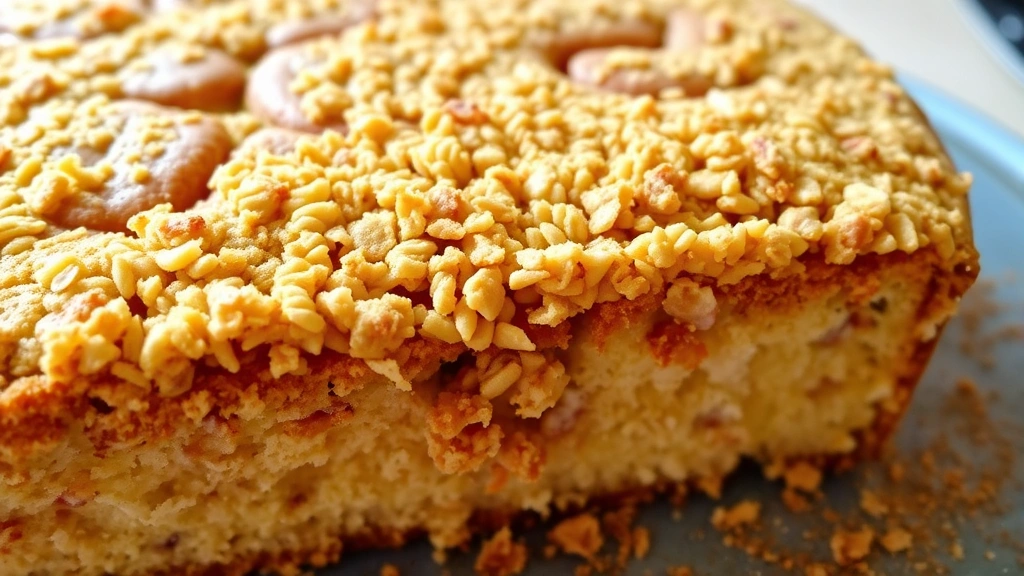
This recipe makes enough streusel for one 9×13-inch cake or two 8-inch round cakes. If you’re making a smaller dessert, you can easily halve the recipe. For a more generous topping, make 1.5 times the recipe.
Can I Add Extracts Other Than Vanilla?
Absolutely. Almond extract, maple extract, or even rum extract work beautifully. Use ½ teaspoon of any extract, as they’re all quite potent. You can also experiment with a combination of extracts for unique flavor profiles.
Is There a Vegan Version of This Streusel Topping?
Yes. Replace the butter with cold vegan butter (such as Earth Balance or Miyoko’s) using the same amount. The technique remains identical. Vegan streusel works just as well as traditional, though you may need to watch the baking time slightly as vegan butter can brown differently.
Can I Use This Streusel on Savory Dishes?
While this particular recipe is sweetened, you can create a savory version by omitting the sugars, reducing the cinnamon, and adding herbs like thyme, rosemary, or parmesan cheese. A savory streusel works wonderfully on vegetable gratins or as a topping for savory pies. For inspiration on complementary flavors, check out our easy coleslaw recipe, which pairs well with many dishes that could benefit from a savory streusel.
How Do I Know When My Streusel is Properly Baked?
The streusel should be golden brown, not pale or dark. It should look slightly set but still have a slight crumbly texture when you break a piece open. It will firm up further as it cools. If it looks wet or shiny, it needs more time. If it’s dark brown or burnt, it’s overdone.
Can I Double This Recipe?
Yes, this recipe doubles easily. Simply multiply all ingredients by two and follow the same technique. You may need an extra minute or two when cutting in the butter due to the larger volume, but the method remains the same.
What Desserts Pair Best with This Streusel?
This streusel topping works beautifully on coffee cakes, fruit crisps (especially apple, peach, or berry), muffins, coffee cake coffee cakes, and even on top of cheesecake. You might also enjoy exploring our homemade sauce guide for dessert accompaniments. It’s versatile enough to complement almost any baked good that benefits from a textured topping.
This grandmother-approved streusel topping recipe has stood the test of time because it’s simple, reliable, and delivers exceptional results every single time. Whether you’re a seasoned baker or just starting your culinary journey, this recipe will become a trusted go-to in your kitchen. The fact that it can be made ahead and frozen makes it even more valuable for busy home cooks. Start with the basic recipe, then experiment with the variations once you’ve mastered the technique. Your family will be asking you for the recipe before you know it—just like they asked my grandmother for hers.


