
Sweet Italian Sausage Dish: Grandma’s Favorite Recipe
There’s something magical about the aroma of sweet Italian sausage sizzling in a pan that instantly transports you back to grandmother’s kitchen. This beloved classic dish combines tender sausages with a rich, savory sauce and aromatic vegetables that have graced family dinner tables for generations. Whether you’re cooking for a weeknight meal or preparing something special for guests, this comfort food classic delivers authentic Italian-American flavors that warm the soul.
Sweet Italian sausage has a distinctive flavor profile that sets it apart from its spicy cousin. The subtle sweetness comes from fennel seeds and other warm spices, making it incredibly versatile for various cooking methods and flavor combinations. This recipe honors traditional preparations while offering practical tips for modern kitchens, ensuring you can recreate grandma’s magic in your own home.
Understanding Sweet Italian Sausage
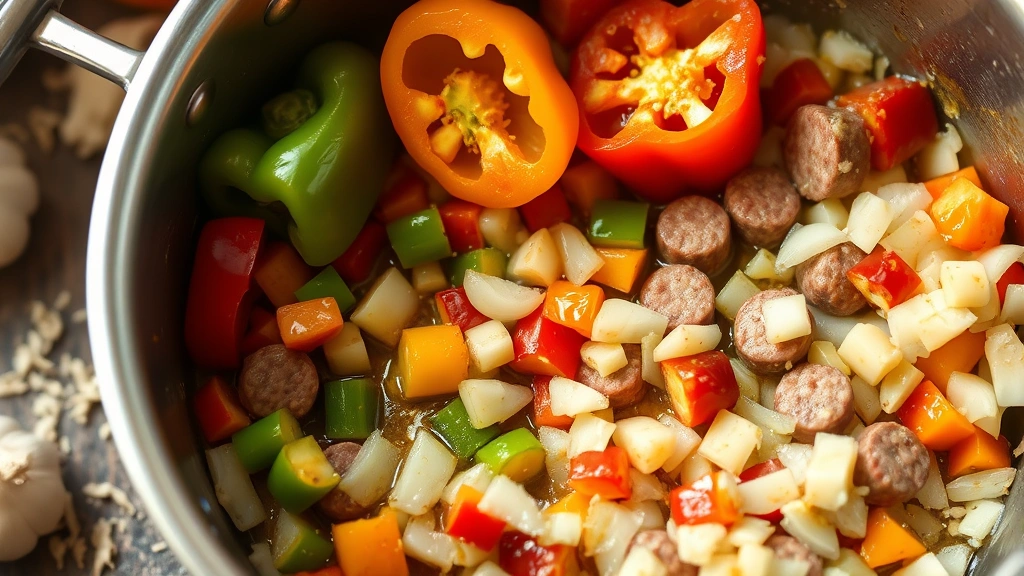
Sweet Italian sausage represents a cornerstone of Italian-American cuisine, distinguished by its blend of pork meat with fennel seeds, garlic, and subtle spice notes. Unlike hot Italian sausage, which derives its kick from red pepper flakes, sweet varieties rely on the natural sweetness of fennel and carefully balanced seasonings. Understanding this key difference helps you appreciate why this ingredient works so beautifully in traditional family recipes.
The sausage’s flavor complexity comes from how fennel seeds interact with pork fat during cooking. As the sausage browns, these natural oils release aromatic compounds that create depth and richness. This is why proper browning—achieving a golden crust before adding other ingredients—proves essential to developing the full flavor potential of your dish.
Quality matters significantly when selecting sweet Italian sausage. Look for products with visible fennel seeds and minimal fillers. Many grandmothers preferred purchasing sausage from local Italian butchers who could guarantee freshness and authentic flavor. Today, specialty grocers and quality supermarkets offer excellent options that honor traditional recipes while meeting modern food safety standards.
The cooking method you choose impacts the final dish considerably. Whether you’re browning sausage in a skillet, simmering it in sauce, or combining multiple techniques, understanding how heat affects the sausage’s texture and flavor allows you to achieve consistent, delicious results every time.
Essential Ingredients and Substitutions
Traditional grandma’s sweet Italian sausage dish requires surprisingly simple ingredients, though quality matters more than quantity. Here’s what you’ll need:
- Sweet Italian sausage: 2 pounds (links or bulk), the foundation of this dish
- Olive oil: 2-3 tablespoons for browning and cooking vegetables
- Onions: 2 large yellow onions, diced into uniform pieces
- Bell peppers: 2-3 large peppers (red, yellow, or combination), chunked
- Garlic: 4-5 cloves, minced fresh
- Canned tomatoes: One 28-ounce can crushed tomatoes with juice
- Tomato paste: 2 tablespoons for concentrated flavor
- Chicken or vegetable broth: 1 cup for sauce consistency
- Italian seasonings: 1 teaspoon dried oregano, 1 teaspoon dried basil
- Salt and black pepper: To taste throughout cooking
- Fresh basil: Optional garnish, 2-3 tablespoons chopped
- Red pepper flakes: Optional, ½ teaspoon if you prefer slight heat
If you can’t locate sweet Italian sausage links, bulk sausage works equally well. Simply brown the meat, breaking it into bite-sized pieces as it cooks. This actually reduces cooking time and allows the meat to develop better browning.
For those avoiding pork, turkey Italian sausage offers a leaner alternative with similar flavor profiles. Chicken sausage also works, though it requires slightly different cooking timing since it’s less fatty. Vegetarian sausage substitutes have improved dramatically and can work in this recipe, though you’ll want to add extra olive oil during cooking.
Wine enthusiasts often add ½ cup of dry white wine or red wine to deepen the sauce. Simply reduce the broth by ½ cup if using wine. This addition is optional but adds sophistication that grandma might have included for special occasions. You can find guidance on cooking techniques and ingredient science from culinary experts who detail how alcohol affects flavor development.
Step-by-Step Cooking Instructions
Preparation Phase (10 minutes): Begin by gathering all ingredients—this practice, known as mise en place in professional kitchens, ensures smooth cooking without interruptions. Dice onions into ½-inch pieces, chop bell peppers into 1-inch chunks, and mince garlic. Having everything prepared before you start cooking prevents scrambling and ensures even ingredient distribution throughout your dish.
Browning the Sausage (8-10 minutes): Heat olive oil in a large, heavy-bottomed pot or deep skillet over medium-high heat. Once shimmering, carefully add sausage links or bulk sausage. For links, brown all sides thoroughly—approximately 3-4 minutes per side—until a deep golden crust forms. This browning creates what chefs call the Maillard reaction, developing complex flavors through protein and sugar interaction. If using bulk sausage, break it into small pieces as it cooks, stirring occasionally to achieve even browning.
Don’t rush this step. The sausage should develop a rich, mahogany-colored crust before proceeding. Remove the sausage to a clean plate using a slotted spoon, leaving behind as much flavorful oil as possible for cooking vegetables. This rendered fat becomes liquid gold for developing deep, savory flavors in your sauce.
Cooking Vegetables (6-8 minutes): In the same pot with sausage drippings, add diced onions and cook over medium heat for 3-4 minutes, stirring frequently until softened and translucent at edges. The onions absorb all those flavorful sausage drippings, creating an aromatic base. Add bell peppers and continue cooking for another 2-3 minutes. These vegetables should still have slight firmness—they’ll continue softening during simmering.
Building the Sauce (3-4 minutes): Push vegetables to the pot’s edges and add minced garlic to the center, stirring constantly for about 30 seconds until fragrant. Immediately add tomato paste, stirring to combine with the garlic and vegetables. Toast this paste for 1-2 minutes—this deepens its flavor and removes any raw taste. This technique, called blooming, intensifies the tomato’s natural sweetness and umami qualities.
Combining Ingredients (2 minutes): Pour in crushed tomatoes with their juice, then add chicken broth. Stir well, scraping the pot bottom to release any browned bits stuck to the surface. These caramelized particles, called fond, contain concentrated flavor and should be fully incorporated into your sauce. Add dried oregano and basil, then return the browned sausage to the pot.
Simmering (30-40 minutes): Bring the mixture to a gentle simmer over medium heat. Reduce heat to medium-low and maintain a slow, steady simmer. Partially cover the pot with a lid, leaving a small gap for steam to escape. Stir occasionally, about every 10 minutes, ensuring nothing sticks to the bottom. The sauce will gradually thicken as liquid reduces and flavors meld together.
The simmering time allows fennel notes from the sausage to fully integrate with tomato’s acidity and sweetness. You’ll notice the sauce darkening slightly and becoming more concentrated. Taste at the 30-minute mark and adjust seasonings with salt and pepper as needed.
Final Touches: In the last 5 minutes of cooking, taste the dish and make final seasoning adjustments. Some prefer adding fresh basil at this point for bright, herbal notes. A pinch of red pepper flakes adds subtle heat if desired. For those using the cast iron cooking method, this final simmering period works beautifully in cast iron cookware, which distributes heat evenly and enhances flavor development.
Serving Suggestions and Pairings
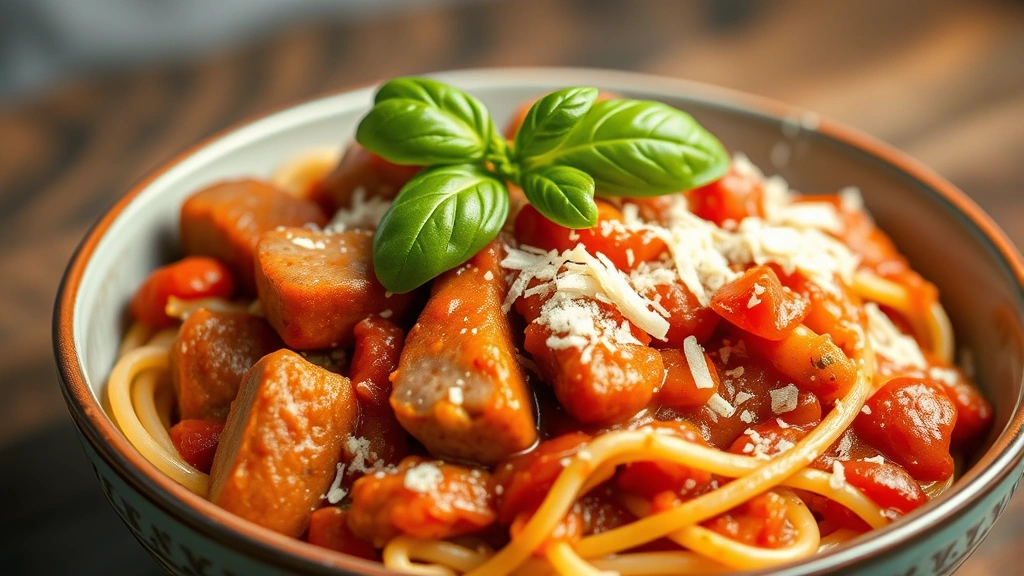
Grandma’s sweet Italian sausage dish offers tremendous versatility in serving options. The most traditional approach involves serving over pasta—rigatoni, penne, or spaghetti all work beautifully. The sauce clings wonderfully to tube shapes and ridged surfaces. Toss cooked pasta with the sausage mixture, reserving some sauce to drizzle over individual servings. Top with grated Parmesan cheese and fresh basil for authentic presentation.
For those preferring grain-based sides, polenta offers an elegant alternative. Creamy polenta provides a luxurious base for the rich sausage and tomato sauce. Alternatively, crusty Italian bread, toasted and rubbed with garlic, makes an excellent vehicle for soaking up every drop of sauce. This approach harkens back to traditional Italian meals where bread served as both side and utensil.
Rice dishes pair wonderfully with this sausage preparation. Serve over white rice, risotto, or even cauliflower rice for lower-carb options. The sauce’s rich flavors complement all these bases equally well. Some families prefer serving this dish in shallow bowls with a generous ladle of sauce and minimal starch, allowing the sausage and vegetables to shine.
For casual gatherings, consider serving this in appetizer-style dishes with crusty bread for dipping. The warm, savory sauce and tender sausage create an irresistible combination that works wonderfully for entertaining. Slow cooker versions make excellent buffet items for parties, keeping the dish warm throughout the event.
Beverage pairings enhance the dining experience significantly. Italian red wines like Chianti or Barbera complement the sausage’s richness beautifully. For white wine enthusiasts, a crisp Pinot Grigio or Vermentino provides refreshing contrast. Non-alcoholic options include Italian sodas, sparkling lemonade, or simply chilled water with lemon.
Storage and Make-Ahead Tips
One of this dish’s greatest advantages is its ability to improve with time. The flavors continue developing as the sausage, sauce, and vegetables meld together, making it an ideal candidate for make-ahead cooking. Store cooled sausage dish in airtight containers in the refrigerator for up to 4 days. The sauce actually tastes richer on day two or three as flavors mature.
For freezing, allow the dish to cool completely, then transfer to freezer-safe containers or heavy-duty freezer bags, removing as much air as possible. This sausage mixture freezes beautifully for up to 3 months. When ready to use, thaw overnight in the refrigerator, then reheat gently over medium heat on the stovetop, stirring occasionally. Add a splash of broth if the sauce seems too thick after thawing.
This dish works wonderfully for slow cooker preparation. Brown the sausage and vegetables as described, then transfer everything to a slow cooker on low for 6-8 hours or high for 3-4 hours. The extended cooking time allows even deeper flavor development. This method proves especially convenient for busy weekdays—start in the morning and dinner waits when you return home.
Portion the finished dish into individual containers for convenient grab-and-go lunches. Simply reheat in the microwave for 2-3 minutes or on the stovetop with a splash of water if needed. Many busy families prepare double batches on weekends, ensuring homemade comfort food throughout the week.
Variations and Creative Twists
While the classic recipe honors tradition, numerous variations allow personalization based on preferences and available ingredients. Some regional Italian-American families add diced zucchini or eggplant, creating a heartier vegetable-forward dish. Mushrooms—cremini, portobello, or Italian varieties—add earthy depth that complements fennel beautifully.
For those enjoying bolder flavors, roasted red peppers add sweet, smoky notes. Fresh spinach stirred in during the final minutes contributes nutrition and subtle earthiness. Sun-dried tomatoes, though not traditional, provide concentrated tomato flavor and textural interest.
Spice variations cater to different heat preferences. As mentioned, red pepper flakes add gentle warmth without overwhelming the sausage’s delicate flavor balance. Some cooks add a pinch of cinnamon or nutmeg—these warming spices enhance the sweetness already present in the sausage.
Creamy variations involve stirring in heavy cream or ricotta cheese near the end of cooking, creating a luxurious sauce reminiscent of certain Italian regional preparations. This transforms the dish into something special for entertaining. A splash of balsamic vinegar adds complexity and slight sweetness that balances acidity.
For casserole-style preparations similar to other beloved family dishes, combine cooked sausage mixture with cooked pasta, top with mozzarella and Parmesan cheese, then bake at 375°F for 20-25 minutes until bubbly and golden. This method creates a different textural experience while maintaining all the beloved flavors.
Some families incorporate cheese-based comfort food elements into their sausage dishes, creating unique family variations passed down through generations. These creative adaptations, while departing from tradition, honor the spirit of home cooking by adapting recipes to family preferences.
International fusion approaches combine Italian sausage with Asian flavors—adding ginger, soy sauce, and scallions creates an interesting East-meets-West variation. Mediterranean versions incorporate olives, capers, and artichoke hearts. These creative twists prove that grandma’s classic foundation can inspire countless delicious variations.
FAQ
Can I use hot Italian sausage instead of sweet?
Absolutely, though the final dish will have spicier flavor. Some families enjoy this version equally. You might reduce additional red pepper flakes if using hot sausage. The cooking method remains identical; only the heat level changes.
What’s the difference between sausage links and bulk sausage?
Links are individual sausages in casings; bulk sausage is loose meat. Links look more impressive when served whole and offer convenient portion control. Bulk sausage cooks faster and distributes more evenly throughout the sauce. Both work equally well; choose based on preference and available products.
How can I make this dish less acidic?
If tomato sauce tastes too acidic, add a pinch of baking soda (it will fizz slightly), or stir in a teaspoon of sugar to balance acidity. Some cooks add a splash of cream near the end of cooking. Simmering longer also reduces acidity as the tomato flavor mellows.
Can I make this in a pressure cooker or Instant Pot?
Yes! Brown sausage and vegetables using the sauté function, then add remaining ingredients. Cook on high pressure for 10 minutes, then natural release for 5 minutes. The result is similarly delicious with reduced cooking time, though stovetop simmering develops slightly deeper flavors.
What wine pairs best with this dish?
Italian reds like Chianti, Barbera, or Montepulciano pair beautifully with the sausage’s richness. Crisp whites like Pinot Grigio or Vermentino provide refreshing contrast. Avoid very dry wines that might emphasize tomato acidity.
How do I prevent the sauce from sticking to the pot bottom?
Stir every 10 minutes during simmering, ensuring nothing adheres to the bottom. Using medium-low heat rather than high heat prevents scorching. A heavy-bottomed pot distributes heat more evenly than thin cookware.
Can I double this recipe?
Easily! Simply double all ingredients and use a larger pot. Cooking time remains similar, though you may need to extend simmering slightly to allow flavors to develop fully. This dish freezes beautifully, making doubled batches especially practical.
What if I don’t have fresh garlic?
Minced garlic from a jar works in a pinch—use about ¾ teaspoon per fresh clove. Garlic powder is less ideal but acceptable at ¼ teaspoon per clove. Fresh garlic provides superior flavor, so seek it out when possible.


