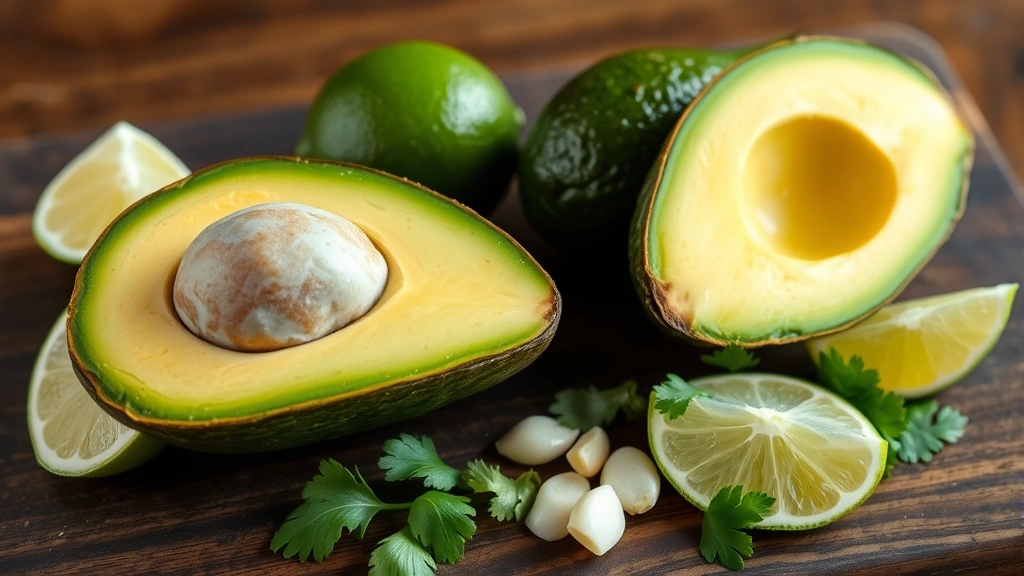
Avocado Crema Recipe: Chef’s Favorite Method
Avocado crema is a silky, luxurious sauce that transforms ordinary dishes into restaurant-quality meals. This Mexican-inspired condiment combines perfectly ripe avocados with lime juice, garlic, and cilantro to create a versatile topping that works on tacos, enchiladas, grilled proteins, and fresh vegetables. The beauty of this avocado crema recipe lies in its simplicity—just a handful of quality ingredients and a few minutes of preparation yield professional results that rival any chef’s kitchen.
Whether you’re preparing a quick weeknight dinner or impressing guests at a gathering, mastering this creamy sauce elevates your cooking game considerably. Unlike heavy cream-based sauces, avocado crema delivers richness from healthy fats while maintaining a bright, fresh flavor profile. The technique matters more than the ingredients themselves; understanding how to achieve the perfect consistency and balance of flavors ensures success every time you make it.
Choosing the Perfect Avocados
The foundation of an exceptional avocado crema starts with selecting avocados at peak ripeness. Ripe avocados should yield slightly to gentle pressure but not feel mushy or overly soft. The skin should be a deep green or dark purple-black color depending on the variety. Avoid avocados that are hard as rocks or those with dark spots and soft patches, which indicate overripeness or browning inside.
The best way to test an avocado is to hold it in your palm and apply gentle, even pressure around the fruit. A perfectly ripe avocado will feel like a ripe pear—giving slightly under pressure without collapsing. If you’re shopping ahead, select slightly firmer avocados and let them ripen at room temperature for a day or two. Store them in a paper bag to speed up the ripening process, or place them in a bowl with other fruits like bananas, which release ethylene gas that accelerates ripening.
For the best flavor, use Hass avocados, which have a creamy texture and rich, nutty taste that works beautifully in crema. Fuerte and Bacon avocados are also excellent choices. Avoid watery varieties that tend to break down into a thin, grainy texture rather than creating a smooth, luxurious sauce. Having two to three perfectly ripe avocados ensures you’ll have enough to work with and can discard any with brown spots inside.
Essential Ingredients Breakdown
Creating authentic avocado crema requires just six to eight core ingredients, each playing a crucial role in the final product. Understanding what each component contributes helps you make intelligent substitutions if needed and appreciate why professional chefs rely on this simple formula.
Fresh Avocados: Two to three ripe Hass avocados form the creamy base. They provide healthy monounsaturated fats, potassium, and vitamins while creating the signature smooth texture that defines this sauce.
Fresh Lime Juice: Always use freshly squeezed lime juice rather than bottled versions. Fresh lime brightens the avocado’s richness and prevents browning through acidic protection. The acidity also enhances flavors and adds a subtle tartness that balances the creamy elements. One to two limes typically yields enough juice for a batch.
Garlic: One or two cloves of fresh garlic, minced finely, add pungent depth without overpowering the delicate avocado flavor. Use fresh garlic only—powdered varieties create a flat, stale taste. Mince it finely so it distributes evenly throughout the crema.
Fresh Cilantro: A quarter to half cup of chopped cilantro provides herbaceous brightness characteristic of Mexican cuisine. If cilantro isn’t available or if you’re one of those who experiences the soapy taste, substitute parsley for a milder herb flavor.
Salt and White Pepper: These basic seasonings enhance all other flavors without adding color. White pepper is preferred over black pepper in this sauce to maintain the beautiful pale green color, though either works.
Optional Additions: Some chefs add a splash of Mexican crema or sour cream for extra richness, while others incorporate jalapeño for heat, diced tomatoes for texture, or a pinch of cumin for depth. These additions should complement rather than mask the pure avocado flavor.
Step-by-Step Preparation Method
Follow this methodical approach to ensure your avocado crema recipe comes together perfectly every time:
- Prepare Your Workspace: Gather all ingredients and tools before beginning. You’ll need a cutting board, sharp knife, small bowl, fork or immersion blender, and a spoon for scooping avocado flesh. Having everything ready prevents oxidation while you’re searching for tools.
- Juice the Limes: Cut your limes in half and juice them using a citrus juicer or by hand. Strain out seeds and pulp. You should have about three to four tablespoons of fresh lime juice. Set aside in a small bowl.
- Prepare the Avocados: Cut each avocado lengthwise around the pit, then twist the halves apart. Strike the pit carefully with your knife blade and twist to remove it (be cautious to avoid slipping). Using a spoon, scoop the creamy flesh into your mixing bowl, starting from the edges and working toward the center.
- Mince the Garlic: Place your garlic clove on the cutting board and lay your knife blade flat over it. Press down firmly to crush the clove slightly, which makes mincing easier. Chop finely into small, uniform pieces, then add to the avocado bowl.
- Chop the Cilantro: Rinse fresh cilantro and pat dry with paper towels. Gather the leaves and tender stems together and chop finely. Remove any thick stems that won’t blend smoothly. Add to the bowl.
- Combine and Mash: Pour the fresh lime juice over all ingredients. Using a fork, mash the avocado while gently incorporating other ingredients. Work slowly and deliberately—you want a creamy texture with some small chunks remaining, not a completely smooth purée. This takes about one to two minutes of gentle mashing.
- Season to Taste: Add a quarter teaspoon of salt and a pinch of white pepper. Taste and adjust seasonings gradually. Remember that salt enhances flavors dramatically, so add conservatively and taste after each addition. The lime juice should provide tartness, salt should enhance creaminess, and cilantro should shine through without being overpowering.
- Final Check: The consistency should resemble thick sour cream or Greek yogurt—spoonable but creamy, not watery or stiff. If too thick, add a tablespoon of water or Mexican crema. If too thin, add another avocado half.
Achieving the Ideal Consistency
The texture of your crema determines how well it complements different dishes. Professional chefs understand that avocado crema consistency varies based on application. For drizzling over tacos or enchiladas, you want a slightly thinner consistency that flows easily. For dolloping on grilled proteins or salads, a thicker consistency works better.
Start with the mashing method using a fork, which gives you excellent control over texture. This traditional approach preserves small avocado chunks that add visual interest and pleasant texture variation. If you prefer completely smooth crema, use an immersion blender or food processor, pulsing briefly to avoid creating an airy, separated mixture. Never use a regular blender at full speed, which introduces too much air and can cause the oils to separate.
The lime juice plays a critical role in consistency. Acid helps emulsify the mixture and prevents separation. If your crema seems grainy or separated, add a bit more fresh lime juice and gently fold it in. If it’s too thin, incorporate another quarter avocado or a tablespoon of Mexican crema to add richness without diluting flavors.
Temperature also affects consistency. Crema made with room-temperature ingredients combines more smoothly than cold avocados straight from the refrigerator. If you’ve chilled your avocados, let them sit at room temperature for fifteen minutes before making the crema. This small step significantly improves texture and flavor distribution.
Flavor Variations and Customization
While the classic version is exceptional, creative variations let you customize this sauce for specific dishes or personal preferences. Consider these chef-approved adaptations:
Spicy Version: Add one-half to one whole jalapeño, seeded and minced, for subtle heat that builds on the palate. For more intense spice, include the seeds and white ribs. Habanero peppers deliver serious heat for those who enjoy fiery flavors.
Smoky Variation: Add a quarter teaspoon of smoked paprika and a pinch of cumin to create a sauce perfect for grilled meats and roasted vegetables. This variation pairs beautifully with Korean Fried Chicken Recipe applications.
Herb-Forward Version: Substitute cilantro with fresh dill, tarragon, or basil depending on your menu. Each herb creates a distinctly different flavor profile suitable for various cuisines.
Roasted Garlic Style: Replace raw garlic with roasted garlic cloves for a sweeter, more mellow flavor. Roasted garlic creates a sophisticated version suitable for elegant plating.
Creamy Enriched Version: Add two to three tablespoons of Mexican crema or sour cream for extra richness and tang. This variation is excellent for Easy Dinner Recipes for Beginners that need extra visual appeal.
Tomato-Based Variation: Fold in one-quarter cup of finely diced tomatoes and one-quarter cup of diced red onion for a chunky, fresh variation with more texture and complexity.
Storage and Make-Ahead Tips
The primary challenge with avocado-based sauces is preventing oxidation and browning. Fresh avocado crema is best served immediately, but you can prepare it a few hours ahead with proper storage techniques.
Short-Term Storage: Transfer your finished crema to a container and press plastic wrap directly onto the surface, ensuring no air pockets remain. This creates a seal that minimizes oxygen exposure. Refrigerate for up to four hours. Stir gently before serving.
Extended Storage: For overnight storage, place the crema in an airtight container and top with a thin layer of lime juice, which creates a protective acidic barrier. Cover tightly and refrigerate for up to twenty-four hours. The surface may brown slightly, but you can simply stir it back in or scrape away the oxidized layer.
Make-Ahead Strategy: Prepare all ingredients separately up to one day in advance. Keep minced garlic and cilantro in separate containers. Cut avocados just before making the crema to prevent browning. This approach lets you assemble the sauce in under five minutes when needed.
Freezing: Avocado crema doesn’t freeze well due to texture changes, so plan to make it fresh for best results. However, you can freeze the cilantro and garlic mixture in ice cube trays for convenience.
Serving Suggestions
This versatile sauce enhances countless dishes. Consider serving your avocado crema with:
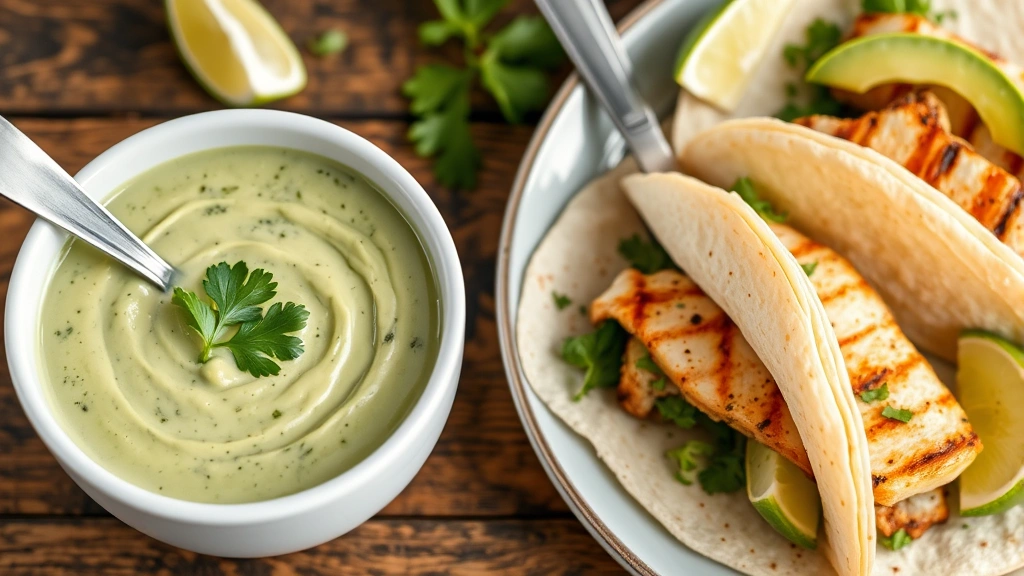
- Fish tacos topped with crispy cabbage slaw and fresh lime wedges
- Grilled chicken breasts or shrimp for added richness and flavor
- Black bean and rice bowls for a creamy protein addition
- Roasted vegetables like sweet potatoes, zucchini, and bell peppers
- Fresh Asian Salad Recipe variations for unexpected flavor combinations
- Enchiladas and quesadillas as a finishing drizzle
- Grilled steak as an elegant accompaniment
- Ground Beef Rice Recipes for texture contrast
- Baked sweet potatoes for a nutritious meal
- Egg dishes including omelets and breakfast burritos
For presentation, drizzle crema in artistic lines across plates or dollop generously on top of dishes. The pale green color provides beautiful visual contrast against darker proteins and colorful vegetables. A sprinkle of fresh cilantro on top adds visual interest and reinforces the herb flavors.
Temperature matters for serving. Cold avocado crema works beautifully on hot dishes like enchiladas and grilled proteins, creating a refreshing contrast. Room-temperature crema is ideal for salads and vegetable platters.
FAQ
How far in advance can I make avocado crema?
Make avocado crema no more than four hours before serving for optimal color and freshness. If you must prepare ahead, use the plastic wrap method to minimize air exposure and store in the refrigerator. The lime juice helps preserve the color somewhat, but the sauce is best served within a few hours of preparation.
Can I use bottled lime juice instead of fresh?
While fresh lime juice is strongly recommended for superior flavor and color preservation, bottled lime juice works in a pinch. However, the taste will be noticeably less vibrant, and the acidic profile differs slightly. If you must use bottled juice, reduce the amount slightly as it’s often more concentrated than fresh juice.
What’s the best way to prevent browning?
Lime juice is your primary defense against oxidation. Ensure all avocado flesh comes into contact with lime juice, and press plastic wrap directly onto the surface of stored crema. Avoid leaving the sauce at room temperature for extended periods, and don’t stir it more than necessary before serving.
Can I make avocado crema without cilantro?
Absolutely. Fresh parsley, dill, or basil work beautifully as substitutes. You could also omit fresh herbs entirely and increase the garlic slightly, or add roasted garlic for a different flavor profile. The sauce remains delicious with these modifications.
Is avocado crema suitable for Low Carb Dinner Recipes?
Yes, avocado crema is an excellent low-carb option. Avocados are naturally low in carbohydrates and high in healthy fats, making this sauce perfect for ketogenic and low-carb diets. It adds richness and satisfaction to meals while fitting nutritional goals.
What consistency should avocado crema have?
The ideal consistency resembles thick sour cream or Greek yogurt—creamy and spoonable but not watery. It should hold its shape on a spoon but spread easily across food. Adjust by adding water for thinner consistency or another avocado half for thicker texture.
Can I add heat to this sauce?
Definitely. Fresh jalapeños, habaneros, or a pinch of cayenne pepper add heat to suit your preferences. Start with less than you think you need, as heat builds during storage. Taste and adjust before serving.
How does this compare to guacamole?
While both feature avocados, avocado crema is thinner and creamier, designed for drizzling and topping. Guacamole is chunkier with more pronounced texture and typically includes tomatoes and onions. Crema emphasizes smoothness and a silky mouthfeel, making it ideal for finishing dishes.
Is this sauce appropriate for Foods to Avoid for Weight Loss considerations?
While avocados are calorie-dense due to healthy fats, they’re nutrient-rich and support satiety. A moderate serving of avocado crema adds flavor and satisfaction to meals without derailing weight management goals. Use it as a finishing sauce rather than a base for portion control.
Can I make this in a food processor?
Yes, but pulse gently and briefly. Over-processing incorporates too much air and can cause separation. Use the pulse function while watching closely, stopping as soon as you reach your desired consistency. The fork-mashing method gives better control and texture.


