Best Crockpot Beef Stew: Family Favorite Recipe
There’s something magical about coming home to the aroma of a slow-cooked beef stew simmering in your crockpot. This timeless comfort food has graced family dinner tables for generations, and for good reason. A properly made beef stew crockpot recipe transforms humble ingredients into a rich, deeply flavorful dish that warms you from the inside out. The beauty of using a crockpot lies in its ability to tenderize even the toughest cuts of beef while melding flavors into something truly spectacular.
What makes this recipe a family favorite is its simplicity combined with impressive results. You’ll spend just minutes on prep work, and the crockpot handles the rest, making it perfect for busy weeknights or meal prep days. Whether you’re feeding a crowd or meal prepping for the week ahead, this slow-cooker beef stew delivers consistent, restaurant-quality results every single time. The tender meat, perfectly cooked vegetables, and rich gravy create a complete meal that requires nothing more than crusty bread on the side.
Essential Ingredients for Perfect Beef Stew
The foundation of any excellent beef stew starts with quality ingredients. You don’t need anything fancy or hard to find—just reliable staples that work together harmoniously. Let’s break down exactly what you’ll need and why each component matters.
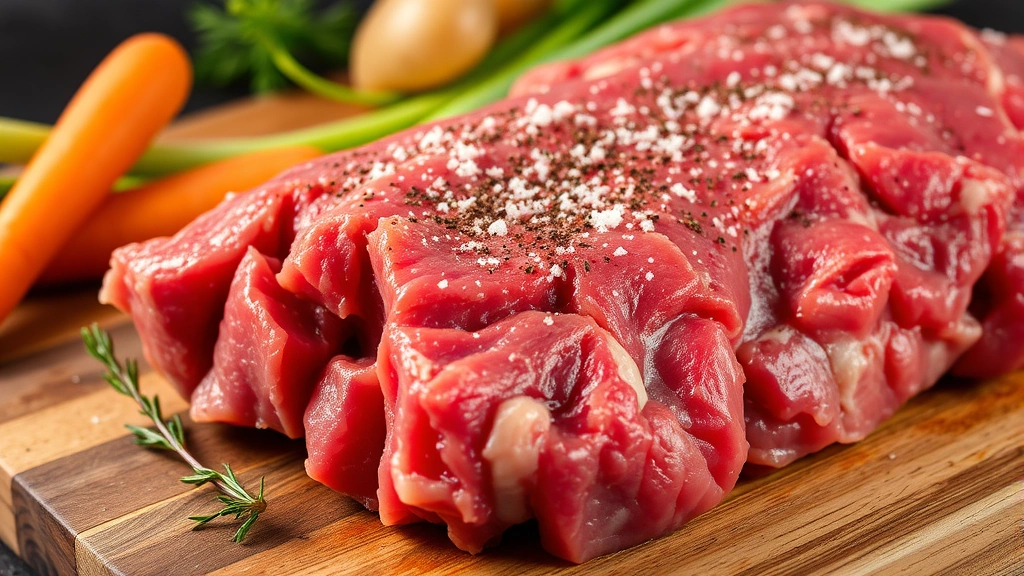
The Beef: Choose a well-marbled cut that becomes tender with long, slow cooking. Chuck roast is the gold standard for beef stew, offering the perfect balance of flavor and texture. A 3-pound chuck roast, cut into 1.5-inch cubes, provides enough meat for a generous stew that serves 6-8 people comfortably. The marbling in chuck roast breaks down during the long cooking process, creating a naturally rich, velvety texture.
The Vegetables: Traditional beef stew includes potatoes, carrots, and celery—the holy trinity of comfort cooking. Plan on 4-5 medium potatoes (cut into chunks), 4-5 large carrots (cut into 1-inch rounds), and 2-3 celery stalks (chopped). Pearl onions or one large yellow onion add aromatic depth, while garlic cloves provide pungent complexity.
The Broth and Seasonings: You’ll need 4 cups of beef broth, 2 tablespoons of tomato paste, 2 bay leaves, 1 teaspoon of dried thyme, 1 teaspoon of Worcestershire sauce, and salt and pepper to taste. The tomato paste adds umami depth without making the stew taste tomatoey, while Worcestershire brings savory complexity. If you’re interested in understanding flavor layering better, check out our guide on how to make homemade sauces to elevate your cooking knowledge.
The Thickening Agent: Use 3 tablespoons of flour mixed with 2 tablespoons of butter to create a beurre manié (butter-flour paste) that thickens the stew without creating lumps. This technique ensures a silky, well-integrated gravy.
Preparation Steps
Proper preparation ensures your beef stew cooks evenly and develops maximum flavor. Take your time with these initial steps—they set the stage for success.
Step 1: Prepare the Beef Pat your chuck roast dry with paper towels, then cut it into 1.5-inch cubes. Dry meat browns better, and consistent sizing ensures even cooking. Season the beef generously with salt and pepper on all sides.
Step 2: Brown the Meat Heat 2 tablespoons of oil in a large skillet over medium-high heat. Working in batches to avoid crowding the pan, brown the beef cubes on all sides until a golden crust forms (about 2-3 minutes per side). This Maillard reaction develops deep, savory flavors that can’t be replicated any other way. Transfer browned beef to your crockpot.
Step 3: Sauté the Aromatics In the same skillet, sauté diced onion and minced garlic for 2-3 minutes until fragrant and softened. This releases their essential oils and builds flavor. Add tomato paste and cook for another minute, stirring constantly. Pour in the beef broth, scraping up any browned bits stuck to the pan (this is liquid gold for flavor). Pour this mixture over the beef in your crockpot.
Step 4: Prepare Vegetables While the beef browns, cut your potatoes, carrots, and celery into uniform sizes. Uniform sizing ensures everything cooks at the same rate, preventing mushy carrots alongside undercooked potatoes.
Cooking Instructions
Now comes the easy part—letting your crockpot work its magic while you go about your day.
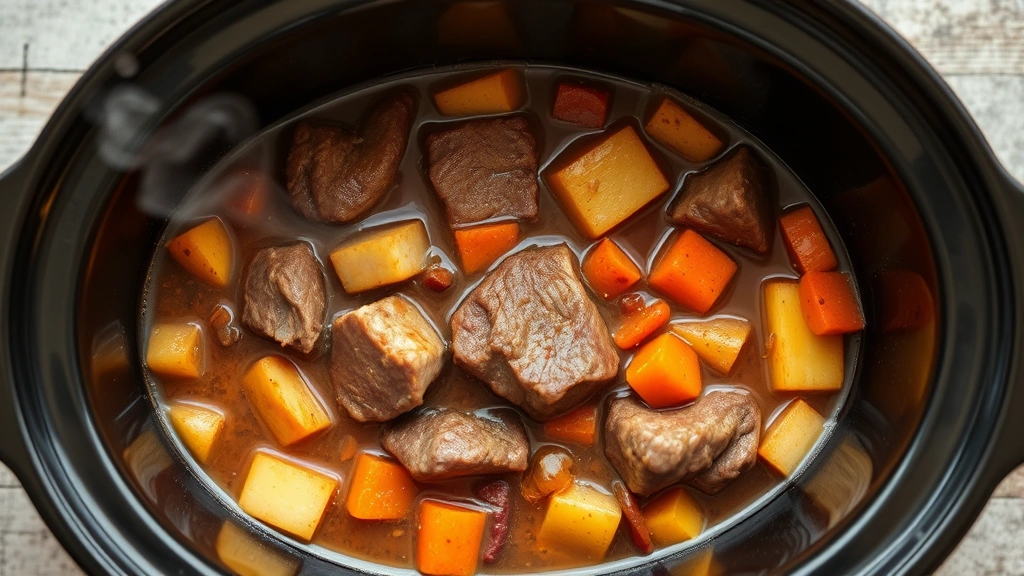
Assembling the Crockpot: Add the browned beef and broth mixture to your crockpot. Stir in bay leaves, thyme, and Worcestershire sauce. Add prepared potatoes, carrots, and celery. Stir everything together to ensure even distribution of flavors.
Cooking on Low (Recommended): Cover and cook on low for 8-10 hours. This extended cooking time allows the connective tissues in the beef to break down slowly, creating incredibly tender meat. The low, steady heat also allows flavors to meld and deepen. For best results, resist the urge to peek frequently—each time you lift the lid, you add 15-20 minutes to cooking time.
Cooking on High (Time-Saver): If you’re in a hurry, cook on high for 4-5 hours. The stew will be delicious, though the beef may not be quite as tender as the low-and-slow method produces.
Thickening the Gravy: About 30 minutes before serving, create your beurre manié by mixing 3 tablespoons of flour with 2 tablespoons of softened butter until it forms a paste. Stir this mixture into the simmering stew in small spoonfuls, stirring constantly. This prevents lumps and creates a silky, luxurious gravy. If you prefer a thinner stew, use less thickening agent; for a thicker consistency, add more.
Final Seasoning: Taste your stew and adjust seasonings as needed. Remove bay leaves before serving. A squeeze of fresh lemon juice brightens the flavors, and fresh parsley adds color and freshness.
Pro Tips & Tricks for Maximum Flavor
Don’t Skip the Browning Step: While it’s tempting to throw everything in the crockpot raw, browning the beef develops flavors that make the difference between good stew and great stew. The Maillard reaction creates hundreds of new flavor compounds that can’t be replicated through slow cooking alone.
Use Quality Beef Broth: The broth forms the base of your stew’s flavor. Low-quality broth with excess sodium or artificial flavors will compromise the final dish. Look for broth with simple ingredients and minimal additives. Homemade broth is ideal if you have it on hand.
Don’t Overcrowd Your Crockpot: Fill it no more than three-quarters full. Overfilled crockpots don’t cook evenly, and vegetables may not submerge properly in the liquid. If you’re feeding a larger crowd, make two batches.
Cut Vegetables Uniformly: Uniform sizing ensures everything cooks at the same rate. A potato chunk and a carrot chunk of different sizes will have vastly different doneness levels after hours of cooking.
Add Delicate Vegetables Late: If you prefer mushrooms or peas, add them during the last 30 minutes of cooking. Extended cooking makes them mushy and flavorless.
Make It Ahead: Assemble everything in your crockpot insert the night before, refrigerate it, and simply pop it into the heating base in the morning. This makes it perfect for busy workdays. Just add 15-20 minutes to your cooking time if starting from cold.
Flavor Variations to Explore
Red Wine Beef Stew: Replace 1 cup of beef broth with a full-bodied red wine like Burgundy or Cabernet. The wine adds complexity and richness. Add this during the initial assembly step.
Guinness Beef Stew: Replace 1 cup of broth with Guinness stout for an Irish-inspired version. The beer adds deep, roasted notes and slight bitterness that balances the rich meat.
Root Vegetable Version: Add parsnips, turnips, or rutabaga alongside traditional vegetables. These earthy roots add interesting texture and subtle sweetness. If you enjoy exploring different vegetable combinations, our rice bowl recipes showcase creative vegetable pairings.
Spicy Southwest Style: Add diced jalapeños, cumin, chili powder, and a pinch of cayenne. Serve over rice or with cornbread instead of crusty bread. This variation pairs beautifully with our chipotle bowl recipe flavors.
Mushroom & Herb Version: Add 2 cups of sliced mushrooms and increase thyme to 2 teaspoons. Add fresh rosemary during cooking for an earthy, herbaceous profile. Fresh thyme stirred in at the end brightens everything.
Creamy Beef Stew: In the last 30 minutes of cooking, stir in 1 cup of sour cream or heavy cream. This creates a luxurious, velvety texture. Don’t add dairy earlier, as the long cooking time can cause separation.
Serving Suggestions
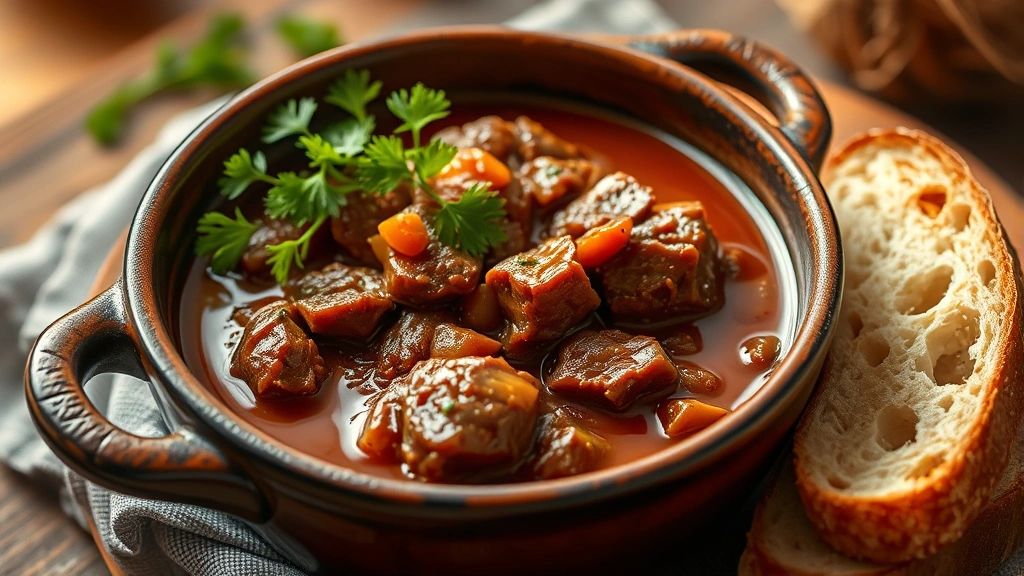
Classic Bread Pairing: Crusty bread is the traditional companion to beef stew. Use it to soak up every drop of the savory gravy. A warm baguette, Irish soda bread, or rustic country loaf all work beautifully.
Over Grains: Serve your beef stew over egg noodles, mashed potatoes, or rice. Each base offers different appeal—noodles provide neutral comfort, mashed potatoes create richness, and rice offers a lighter option.
With Complementary Sauces: A dollop of sour cream or a drizzle of yum yum sauce recipe flavors can add unexpected dimension. You might also explore burger sauce recipe concepts for creating unique condiments to serve alongside.
Fresh Garnishes: Top each bowl with fresh parsley, chives, or dill. A crack of fresh black pepper and a pinch of fleur de sel elevate the presentation and add brightness to the rich stew.
Wine Pairing: If you cooked with wine, serve the same wine with dinner. Otherwise, a medium-bodied red like Pinot Noir or a full-bodied white like Chardonnay complements beef stew beautifully.
Storage & Reheating Guidelines
Refrigerator Storage: Beef stew keeps beautifully in the refrigerator for 3-4 days. Allow it to cool to room temperature before transferring to airtight containers. The flavors actually improve as it sits, making it excellent for meal prep.
Freezer Storage: Freeze beef stew in freezer-safe containers or bags for up to 3 months. Leave a little headspace in containers to allow for expansion. Flat freezer bags stack efficiently and thaw quickly.
Reheating from Refrigerator: Gently reheat on the stovetop over medium-low heat, stirring occasionally. You can also microwave individual portions, though stovetop reheating provides more even warming. If the gravy seems too thick after refrigeration, thin it with a splash of broth.
Reheating from Frozen: Thaw overnight in the refrigerator, then reheat as above. Alternatively, reheat directly from frozen on the stovetop over low heat, stirring frequently, for about 45 minutes. The low heat prevents the bottom from burning while the center thaws.
Texture Considerations: Vegetables will soften slightly more with each reheating. If you’re reheating multiple times, consider slightly undercooking vegetables initially, or add fresh vegetables to the last reheating.
FAQ
Can I use a different cut of beef for this recipe?
Chuck roast is ideal because its fat content breaks down during slow cooking, creating tenderness and flavor. Brisket also works well, though it’s leaner. Avoid lean cuts like sirloin or tenderloin, which become tough and stringy with extended cooking. Oxtail creates incredibly rich, gelatinous stew but requires longer cooking time.
What if my beef stew is too thin?
Create a slurry by mixing 1 tablespoon of cornstarch with 2 tablespoons of cold water, then stir it into the simmering stew. Alternatively, use the beurre manié method described above. You can also simmer uncovered for 15-20 minutes to reduce and concentrate flavors while thickening the gravy naturally.
Can I make this recipe in a Dutch oven instead?
Absolutely. Brown the beef and sauté aromatics as directed, then add everything to a Dutch oven. Cover and bake at 325°F for 3-4 hours. Check occasionally and stir to ensure even cooking. Dutch oven stew often develops deeper flavors due to the dry oven heat, though cooking time may vary by oven.
How do I prevent mushy vegetables?
Cut vegetables uniformly so they cook at the same rate. Use the low-and-slow method (8-10 hours) rather than high heat, which breaks down vegetables faster. If you prefer firmer vegetables, reduce cooking time to 6-8 hours on low, or add vegetables during the last 2-3 hours of cooking.
Is this recipe freezer-friendly?
Yes, beef stew freezes excellently for up to 3 months. Cool completely before freezing. Thaw overnight in the refrigerator before reheating. The starch from potatoes helps preserve texture during freezing, making this an ideal make-ahead meal.
Can I double this recipe?
Yes, but you may need to increase cooking time slightly, and don’t overfill your crockpot (no more than three-quarters full). If your crockpot isn’t large enough, make two batches or use a Dutch oven for stovetop cooking, which allows for larger quantities.
What’s the best way to reheat beef stew?
Gentle stovetop reheating over medium-low heat preserves texture best. Stir occasionally and add a splash of broth if the gravy has thickened too much during storage. Avoid high heat, which can scorch the bottom and toughen the meat.
Can I add potatoes that are already cooked?
It’s better to use raw potatoes, as they’ll absorb flavors during cooking. Pre-cooked potatoes will break down and become mushy. If using pre-cooked potatoes, add them in the last 30 minutes of cooking just to heat through.
What should I serve with beef stew?
Crusty bread is traditional, but egg noodles, mashed potatoes, or rice also work beautifully. A simple green salad provides brightness and balance. Consider pairing with our white queso recipe for entertaining, or serve alongside simple steamed vegetables for a lighter meal.


