Hearty Beef Stew on Stove: Grandma’s Classic Recipe
There’s something deeply comforting about a pot of beef stew simmering on the stove, filling your kitchen with aromas that transport you straight to your grandmother’s kitchen. This timeless dish has graced family dinner tables for generations, and for good reason. Beef stew is the ultimate expression of slow-cooked comfort food—tender chunks of beef, earthy vegetables, and a rich, savory broth that clings to every ingredient. Unlike quick weeknight dinners, beef stew rewards patience and attention, developing complex flavors that simply cannot be rushed.
Making beef stew on the stovetop is an art form that connects us to culinary traditions spanning centuries. This method gives you complete control over heat, timing, and flavor development in ways that modern appliances sometimes cannot replicate. Whether you’re preparing dinner for your family or hosting guests, a homemade beef stew demonstrates care and dedication that no restaurant version can match. The best part? You likely have most ingredients already in your pantry, making this an economical choice for feeding a crowd.
Essential Ingredients for Classic Beef Stew
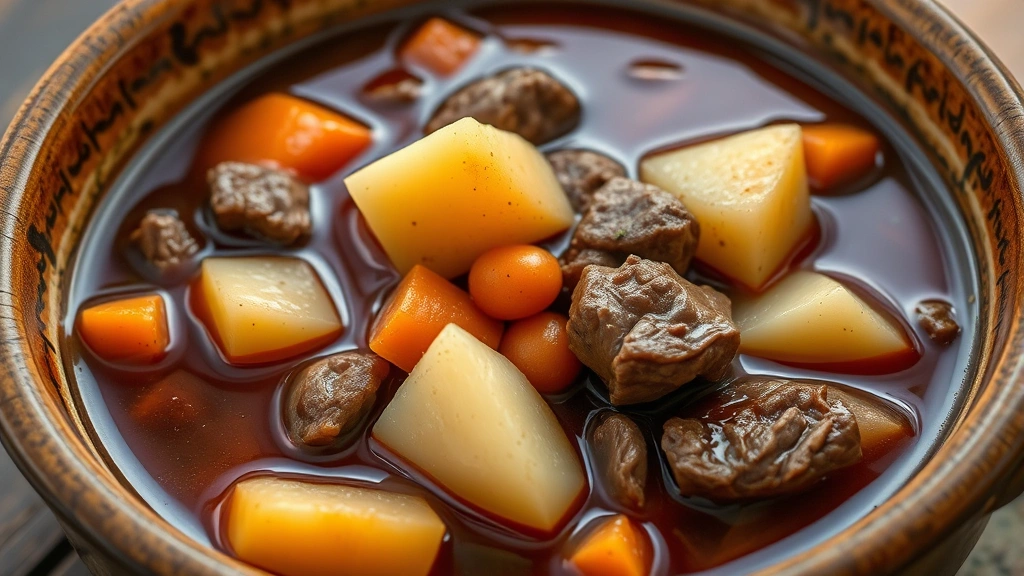
The foundation of any great beef stew begins with quality ingredients. You’ll need 2 to 3 pounds of beef chuck roast, cut into 1.5-inch cubes—this cut contains enough fat and connective tissue to become incredibly tender during long cooking. For the aromatic base, gather 3 large yellow onions, 4 to 5 large carrots, and 1 pound of potatoes. Don’t skip the garlic; 6 cloves minced fine will deepen the overall flavor profile considerably.
Your liquid components should include 4 cups of beef broth (homemade tastes superior, but quality store-bought works fine) and 1 cup of dry red wine or additional broth if you prefer to avoid alcohol. For seasoning, you’ll want 2 bay leaves, 1 teaspoon of dried thyme, 1 teaspoon of dried rosemary, salt, and freshly ground black pepper. Many traditional recipes also include 2 tablespoons of tomato paste, which adds umami depth, and 3 tablespoons of olive oil for searing.
Consider this a base recipe; you can easily adapt it by exploring comfort food recipes for inspiration on variations. Some cooks add mushrooms, pearl onions, or celery. The beauty of beef stew is its flexibility within a structured framework.
Selecting and Preparing Your Beef
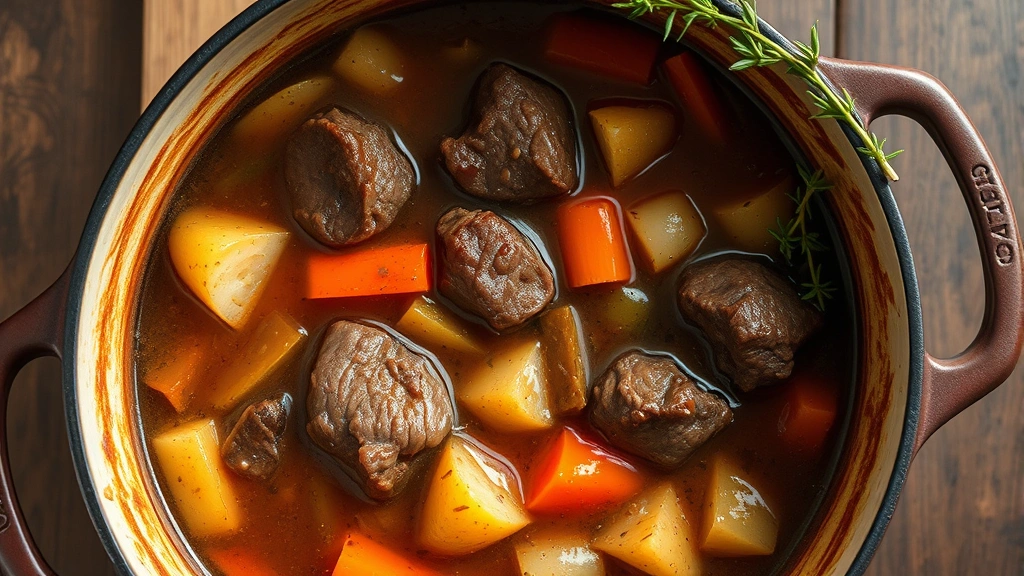
The cut of beef you choose determines your stew’s success more than any other single factor. Chuck roast is the gold standard because it contains marbling (intramuscular fat) and substantial connective tissue that converts to gelatin during cooking, creating a silky mouthfeel and rich flavor. Avoid lean cuts like sirloin or tenderloin; they’ll become tough and stringy rather than tender.
When you bring your chuck roast home, pat it completely dry with paper towels before cutting. Moisture prevents proper browning, and browning is critical for developing the complex flavors that make stew memorable. Cut the meat into uniform 1.5-inch cubes; smaller pieces cook faster but can become mushy, while larger pieces may remain tough in the center. Aim for consistency so everything finishes cooking simultaneously.
Season your beef cubes generously with salt and pepper at least 15 minutes before cooking—this allows the seasoning to penetrate the meat rather than sitting on the surface. Some cooks prefer to toss beef in flour at this stage, which helps create a thicker stew and develops additional browning through the Maillard reaction. If you choose this method, use 3 to 4 tablespoons of all-purpose flour mixed with your salt and pepper.
The Searing Process: Building Deep Flavor
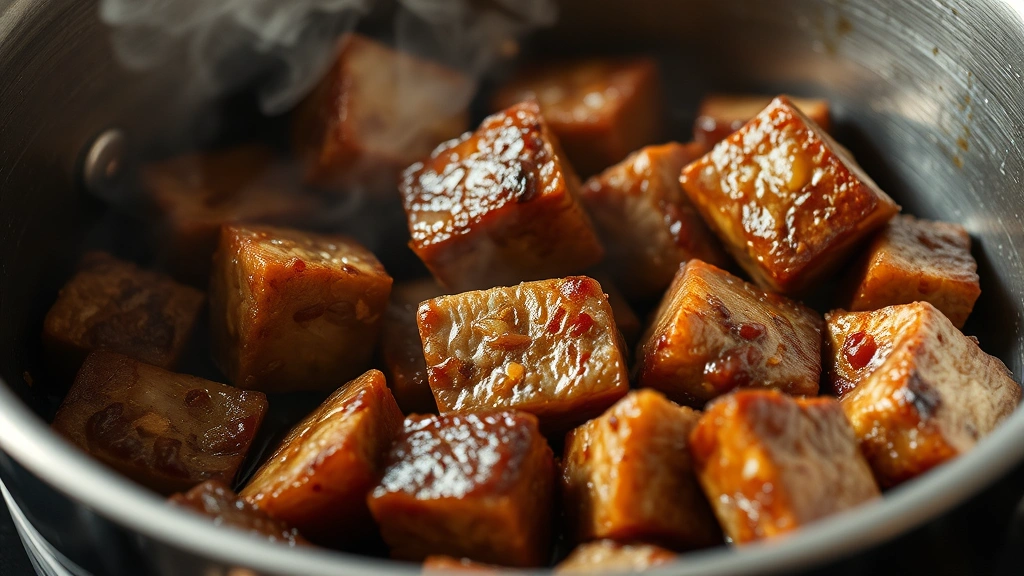
This step cannot be skipped or rushed. Searing your beef develops what chefs call the Maillard reaction—a chemical process where amino acids and sugars combine under high heat to create hundreds of new flavor compounds. This is why properly seared beef stew tastes exponentially better than stew made with unseared meat.
Heat your Dutch oven or large heavy-bottomed pot over medium-high heat for at least 2 minutes. Add your olive oil and wait until it shimmers and moves easily across the pan—this indicates it’s reached the proper temperature. Working in batches to avoid overcrowding (which lowers the pan’s temperature), add your beef cubes in a single layer. Let them sit undisturbed for 3 to 4 minutes until a golden crust forms on the bottom. Flip each piece and sear the other side for another 3 to 4 minutes.
Resist the urge to stir constantly; this releases steam and prevents browning. Once a batch is properly seared on multiple sides, transfer it to a clean plate. Continue with remaining beef, adding a bit more oil if needed. This process takes 15 to 20 minutes total but creates the flavor foundation for your entire stew.
The browned bits stuck to the pan bottom (called fond) are liquid gold—they’ll dissolve into your liquid and amplify savory depth. Never wash the pan between the searing and next steps.
Layering Aromatics and Seasonings
With your beef resting on its plate, reduce heat to medium. Add your diced onions to the same pot and cook for 5 minutes, stirring occasionally, until they begin softening and releasing moisture. This helps deglaze the pan—the onion’s natural liquid dissolves the fond into a flavorful base. Add your minced garlic and cook for another minute until fragrant, being careful not to let it burn.
Stir in your tomato paste and cook for 2 minutes, stirring constantly. This caramelizes the paste slightly and removes any raw tomato flavor. Pour in your red wine (if using) and let it bubble for 2 to 3 minutes, allowing some alcohol to evaporate while the wine reduces slightly and concentrates its flavors.
Return your seared beef to the pot along with any juices accumulated on the plate. These juices contain proteins and minerals that enhance overall flavor. Add your beef broth, bay leaves, thyme, and rosemary. The liquid should almost cover the beef; if it doesn’t, add a bit more broth. Bring everything to a gentle simmer, then reduce heat to low. Cover partially (leaving the lid slightly askew) and let it cook gently.
The Slow Simmer: Patience Pays Off
This is where time becomes your greatest ingredient. Beef stew requires 2 to 3 hours of gentle simmering to achieve that fall-apart tenderness and develop deep, complex flavors. The low temperature prevents the meat from becoming tough by cooking it slowly enough that the collagen converts to gelatin rather than squeezing out and tightening the muscle fibers.
Maintain a bare simmer—you should see occasional small bubbles breaking the surface, not a rolling boil. Check on your stew every 30 minutes, giving it a gentle stir. This ensures even cooking and allows you to monitor the liquid level. If it’s reducing too quickly, add more broth. If it seems too watery after 2 hours, you can increase heat slightly or leave the lid off to allow evaporation.
Use this time wisely. Prepare your vegetables, set your table, or browse summer salad recipes for a fresh side dish to balance the stew’s richness. The aroma developing in your kitchen is one of cooking’s great pleasures—let it fill your home.
After 2 hours, test a piece of beef with a fork. It should break apart easily without resistance. If it still requires effort, continue cooking for another 30 minutes and test again.
Vegetables and Timing
This is crucial: vegetables should be added near the end of cooking, not at the beginning. If you add them too early, they’ll become mushy and lose their distinct flavors. Carrots need about 30 to 40 minutes to become tender; potatoes need 25 to 35 minutes depending on size.
Cut your carrots into 1-inch chunks and your potatoes into 1-inch cubes. Peel your potatoes beforehand or leave the skin on if you prefer more rustic texture. After your beef has cooked for 1.5 to 2 hours and is nearly tender, add your carrots and potatoes. Stir well to distribute them throughout the stew.
Continue simmering gently for 30 to 40 minutes more, until vegetables are tender but not falling apart. The potatoes should be fork-tender but still hold their shape. This final stage is when your stew truly comes together—the vegetables release starches that help thicken the broth, and their natural sugars add subtle sweetness that balances the savory beef.
Thickening Your Stew
Some stews naturally thicken as the cooking liquid reduces and starches from potatoes leach into the broth. If you prefer a thicker consistency, you have several options. The simplest method is making a slurry: mix 2 tablespoons of cornstarch with 3 tablespoons of cold water, stir until smooth, and slowly pour it into your simmering stew while stirring constantly. The stew will thicken within 2 to 3 minutes.
Alternatively, if you coated your beef in flour before searing, the stew should thicken naturally without additional intervention. Some traditional recipes use a beurre manié—equal parts softened butter and flour kneaded together into small balls and whisked into the stew. This adds richness while thickening.
If you used flour-coated beef and added wine, the starch from potatoes, and cooked everything long enough, you may find your stew reaches ideal consistency naturally. Taste and adjust—you want a broth thick enough to coat a spoon but still pourable, not gravy-like.
Serving and Storage Tips
Beef stew is best served in wide, shallow bowls that showcase the ingredients. Ladle generously, ensuring each serving contains beef, vegetables, and plenty of broth. The stew should be steaming hot when served. A crusty bread for soaking up the rich broth is essential—consider it non-negotiable.
Fresh herbs add brightness to this rich dish. Garnish each bowl with fresh parsley or chives just before serving. A dollop of sour cream or crème fraîche on top provides cooling contrast, though this is entirely optional and traditional in some cultures but not others.
One of beef stew’s greatest advantages is that it improves with time. Flavors meld and deepen overnight, making it perfect for preparing ahead. Store cooled stew in airtight containers in the refrigerator for up to 4 days. The fat will solidify on top as it cools; this actually protects the stew underneath and can be removed if desired or stirred back in for richness.
Beef stew freezes beautifully for up to 3 months. Cool it completely before transferring to freezer-safe containers, leaving a bit of headspace for expansion. Thaw overnight in the refrigerator before reheating gently on the stovetop over medium-low heat, adding a splash of broth if needed. Avoid boiling when reheating, as high heat can toughen the meat.
For vegetarian crockpot recipes or dietary modifications, you can adapt this stew by substituting beef with hearty mushrooms, beans, or lentils, though cooking times will differ significantly.
FAQ
Can I make beef stew without wine?
Absolutely. Simply replace the wine with additional beef broth. You’ll lose some acidity and complexity, but the stew will still be delicious. Some cooks add a splash of vinegar or Worcestershire sauce to compensate for the wine’s tangy notes.
Why is my beef stew tough?
Tough beef usually results from one of three causes: using the wrong cut of meat (avoid lean cuts), cooking at too high a temperature (maintain a gentle simmer), or not cooking long enough (aim for 2-3 hours minimum). Chuck roast, low heat, and patience are your solutions.
Can I use a slow cooker instead of the stovetop?
Yes, though the technique differs slightly. Sear your beef and sauté aromatics on the stovetop first, then transfer everything to a slow cooker with liquid. Cook on low for 6-8 hours or high for 3-4 hours. Add vegetables during the last hour of cooking. The stovetop method offers more control and develops flavors more intensely.
What’s the best wine for beef stew?
A dry red wine like Burgundy, Pinot Noir, or even a basic dry red blend works well. Avoid expensive wines (the heat destroys subtle flavors) but also avoid “cooking wines” with added salt. Choose something you’d actually drink.
How do I prevent my potatoes from falling apart?
Cut them into uniform pieces and add them late in cooking (30-40 minutes before serving). Use waxy potatoes like Yukon Gold rather than starchy russets, which break down more easily. Avoid stirring excessively once potatoes are added.
Can I add other vegetables?
Certainly. Mushrooms, celery, parsnips, turnips, and pearl onions all work beautifully. Add hearty vegetables (mushrooms, celery, parsnips) with carrots; save delicate ones (peas, green beans) for the final 5 minutes to preserve their texture and bright color.
What’s the best way to reheat leftover beef stew?
Reheat gently on the stovetop over medium-low heat, stirring occasionally. Add a splash of broth if the stew seems too thick. Microwaving works in a pinch but can create hot spots. Never boil reheated stew, as this toughens the meat.


