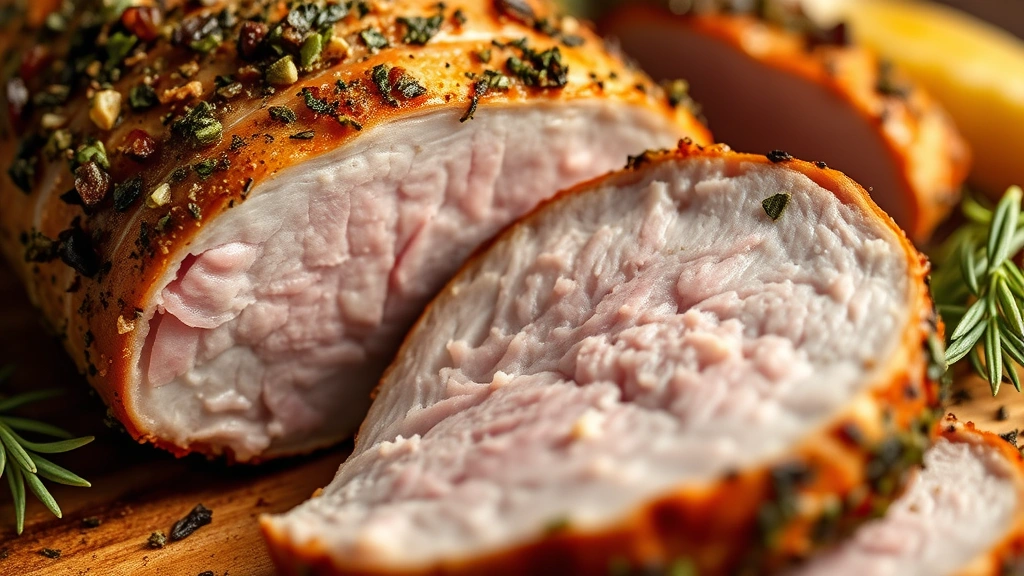
Juicy Boneless Pork Loin? Chef-Approved Recipe
Cooking a boneless pork loin that stays juicy and tender is one of the most rewarding skills any home cook can master. Unlike other cuts that forgive overcooking, pork loin demands precision, technique, and understanding of how heat transforms this lean meat. Professional chefs have perfected methods to ensure every slice remains succulent, and we’re sharing those exact techniques with you today.
The key to achieving restaurant-quality results lies in three fundamental principles: proper seasoning, controlled cooking temperature, and strategic resting time. When you combine these elements with quality ingredients and proven techniques, you’ll produce a boneless pork loin that rivals anything from a high-end steakhouse. This comprehensive guide breaks down everything from selection through plating.
Choosing Your Boneless Pork Loin
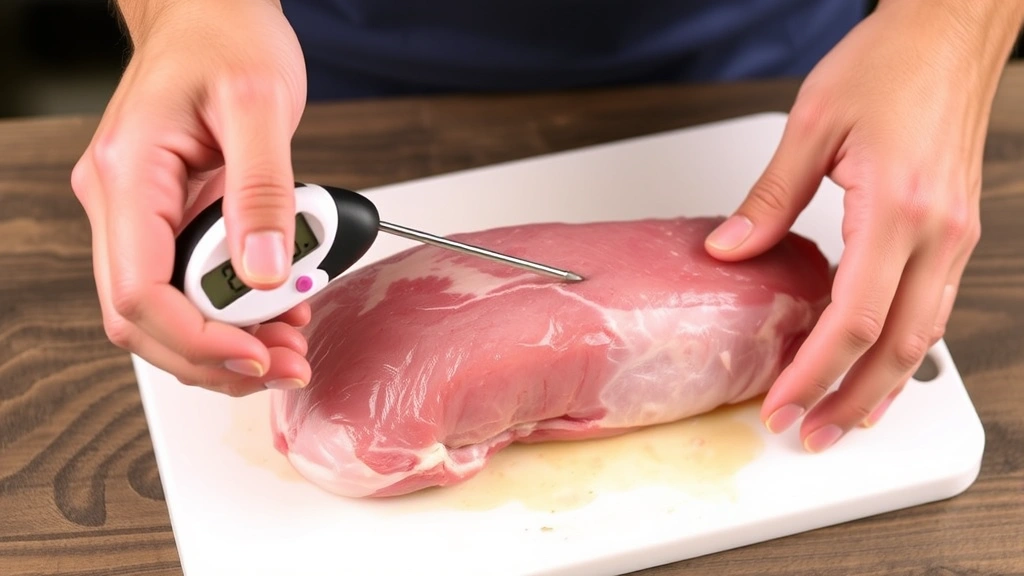
The foundation of any exceptional dish begins with ingredient selection. When shopping for boneless pork loin, look for meat that displays a pale pink color with minimal marbling. The surface should feel firm to the touch, and you want a piece that’s relatively uniform in thickness—this ensures even cooking throughout.
Most butchers can provide boneless pork loins ranging from two to five pounds. For family dinners, a three-pound loin serves four to six people generously. Check the expiration date and ask your butcher when the meat was cut; fresher meat produces superior results. Premium pork from heritage breeds or pasture-raised animals will offer better flavor, though conventional pork works perfectly fine when treated with proper technique.
Consider purchasing from a reputable butcher rather than pre-packaged supermarket options. Butchers can trim excess fat, help you select the ideal thickness, and often have access to higher-quality cuts. The small premium you pay translates directly into better cooking results and less waste.
Preparation Techniques That Matter
Before heat ever touches your pork loin, proper preparation sets the stage for success. Remove your boneless pork loin from refrigeration thirty to forty minutes before cooking. This brings the meat to room temperature, ensuring even cooking from edge to center. Cold meat cooked immediately will develop an overcooked exterior before the interior reaches proper temperature.
Pat the surface completely dry with paper towels. Moisture on the surface prevents proper browning and creates steam rather than a flavorful crust. This step is non-negotiable for achieving that restaurant-quality sear.
Trim any silver skin or excess fat cap using a sharp knife. Silver skin is connective tissue that won’t break down during cooking and creates an unpleasant texture. Leave approximately one-quarter inch of fat for flavor and protection during cooking. If your loin has significant fat on one side, score it in a crosshatch pattern about one-eighth inch deep—this allows seasoning penetration and renders fat more effectively.
Consider butterflying your boneless pork loin if it’s thicker than two inches. This technique involves cutting horizontally into the meat without cutting all the way through, then opening it like a book. Butterflying creates more surface area for seasoning and allows for more even cooking. You can also stuff the center with herbs, breadcrumbs, or vegetables before tying with kitchen twine for an elegant presentation.
Seasoning Strategies for Maximum Flavor
Seasoning pork loin requires a balanced approach. Unlike beef, which benefits from aggressive seasoning, pork demands subtlety paired with complementary flavors. Salt remains your most important seasoning—apply kosher salt generously thirty minutes to two hours before cooking. This timing allows salt to penetrate the meat through osmosis, seasoning throughout rather than just the surface.
A classic dry rub combines kosher salt, cracked black pepper, garlic powder, dried thyme, and smoked paprika. Apply this mixture evenly across all surfaces, pressing gently so it adheres. For a Mediterranean approach, combine salt, pepper, dried oregano, minced garlic, and lemon zest. Asian-inspired preparations might include salt, white pepper, five-spice powder, and ginger.
Fresh herb crusts create impressive presentations. Mix fresh breadcrumbs with finely chopped rosemary, thyme, parsley, and minced garlic. Brush the loin lightly with Dijon mustard, then press this herb mixture onto the surface. The mustard acts as an adhesive and adds subtle depth.
Don’t overlook the power of brining for maximum juiciness. A simple brine of salt, sugar, and water (one cup salt, one cup sugar, one gallon water) draws moisture into the meat through osmosis. Submerge your boneless pork loin for eight to twelve hours in refrigeration. Rinse thoroughly before cooking and reduce additional salt in your seasoning blend since the meat already contains salt internally.
Cooking Methods Explained
Professional chefs employ several reliable methods for cooking boneless pork loin, each producing excellent results when executed properly.
Reverse Sear Method: This technique involves slow cooking in a low-temperature oven followed by a quick sear. Preheat your oven to 275°F. Sear your seasoned loin in a hot cast-iron skillet with oil for two to three minutes per side until deeply browned. Transfer to the oven and cook until the internal temperature reaches 140°F (about thirty to forty minutes for a three-pound loin). Remove from the oven, let rest five minutes, then sear again in the hot skillet for one minute per side to refresh the crust. This method produces incredibly even cooking with a perfect crust.
High-Heat Roasting: Preheat your oven to 425°F. Sear your boneless pork loin in a preheated skillet until golden, then transfer to a roasting pan and place directly in the oven. Roast until internal temperature reaches 145°F, approximately twenty-five to thirty minutes for a three-pound loin. The high initial heat creates a flavorful crust while the meat cooks through quickly.
For slow-cooked variations, try braising your boneless pork loin in a flavorful liquid. Brown the loin first, then add broth, wine, or other liquids with aromatics. Cover and cook at 300°F until tender. This method produces incredibly moist meat perfect for shredding or slicing.
Sous vide cooking offers precision unmatched by traditional methods. Vacuum-seal your seasoned loin and cook in a water bath at 140°F for one to two hours. Finish with a quick sear in a hot skillet. This technique virtually eliminates the risk of overcooking.
Temperature Control and Timing
Understanding proper doneness temperatures is crucial for food safety and optimal texture. The USDA recommends cooking pork to an internal temperature of 145°F. Modern pork is bred lean and safe at this temperature, unlike older guidelines suggesting 160°F.
Use an instant-read thermometer for accuracy. Insert it horizontally into the thickest part of the loin without touching bone. For a three-pound boneless pork loin, expect cooking times between twenty-five and forty minutes depending on your cooking method and oven characteristics.
Temperature carryover is critical—meat continues cooking after removal from heat. Remove your boneless pork loin when it reaches 140°F internally, allowing five-degree carryover to reach the target 145°F during resting.
Cooking time varies significantly based on loin thickness and shape. A uniformly thick loin cooks more predictably than an irregular one. If your boneless pork loin is significantly thicker on one end, pound it to even thickness before cooking, or butterfly it for consistent results.
Resting and Carving
This step separates amateur cooking from professional results. After reaching target temperature, remove your boneless pork loin from heat and let it rest on a cutting board for five to ten minutes. During this time, muscle fibers relax and reabsorb juices. Cutting immediately releases these juices onto the plate rather than keeping them in the meat.
Tent loosely with foil during resting to maintain temperature without creating steam that softens the crust. A five-minute rest works for smaller loins; larger ones benefit from eight to ten minutes.
Carving technique matters significantly. Use a sharp, long-bladed knife and slice against the grain—this severs muscle fibers, creating more tender pieces. Slice approximately one-quarter to one-half inch thick. If you butterflied your loin, slice perpendicular to the grain for optimal tenderness.
Save any accumulated juices on the cutting board and drizzle over sliced meat for added moisture and flavor. These pan juices are liquid gold—never waste them.
Serving Suggestions
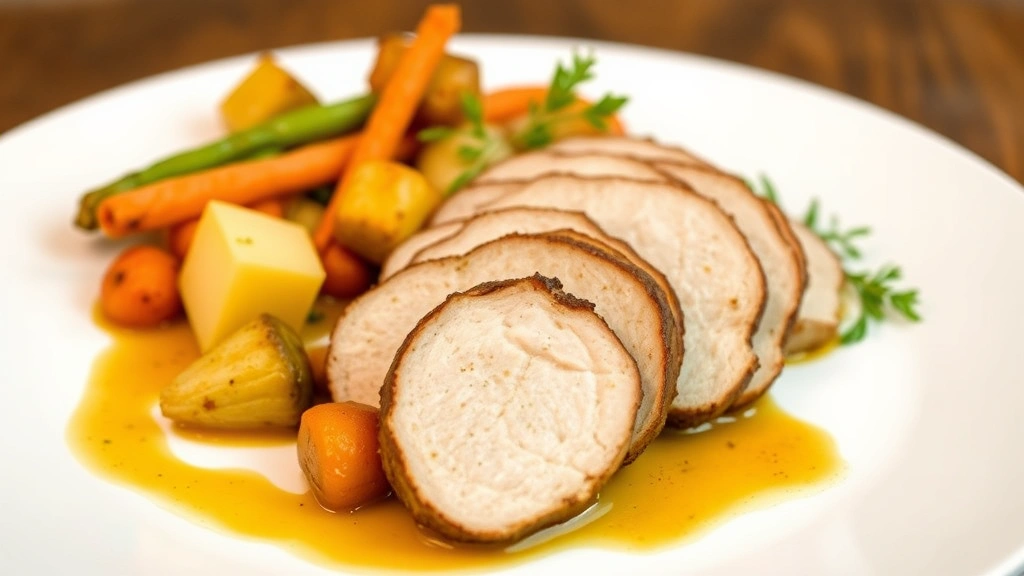
A perfectly cooked boneless pork loin deserves thoughtful accompaniments. Classic pairings include crusty bread for soaking up pan juices and roasted vegetables like Brussels sprouts, carrots, or potatoes.
Create a pan sauce by deglazing your cooking vessel with wine or broth, then reducing it with butter and fresh herbs. This simple sauce elevates the entire dish. For apple-glazed boneless pork loin, combine apple cider, Dijon mustard, and brown sugar into a glaze applied during the last ten minutes of cooking.
Consider complementary side dishes: creamy potato preparations, sautéed greens, or grain-based salads all work beautifully. Fresh herbs like parsley or chives scattered over the finished dish add visual appeal and bright flavor.
Leftover boneless pork loin makes excellent cold salads, sandwiches, or additions to breakfast recipes. Slice thin and serve on bread with mustard and pickles for next-day enjoyment.
Temperature Guidelines for Reference:
- 140°F internal temperature when removed from heat
- 145°F final target temperature after resting
- Use instant-read thermometer in thickest part
- Allow five to ten minute resting period minimum
Professional Tips from Culinary Experts
Consulting resources like The Culinary Circle and International Association of Culinary Professionals reveals additional refinements. Professional chefs often apply a compound butter—softened butter mixed with herbs, garlic, and lemon zest—under the skin of pork loins before cooking. This bastes the meat from within, ensuring exceptional moisture and flavor.
Another professional technique involves marinating boneless pork loin in buttermilk overnight. The lactic acid tenderizes the meat while adding subtle tang. For fall recipes, try marinating in apple cider vinegar with cinnamon and clove.
Scoring the fat cap in a crosshatch pattern, mentioned earlier, becomes even more important for larger loins. This allows rendering and seasoning penetration. Chefs also recommend using cast iron for initial searing—it retains heat better than stainless steel, creating superior crust development.
Investment in a quality instant-read thermometer pays dividends across all cooking endeavors. Digital models respond quickly and accurately, eliminating guesswork. Analog thermometers are less reliable and slower.
FAQ
What’s the difference between pork loin and pork tenderloin?
Pork loin is larger, more affordable, and suitable for feeding groups. Pork tenderloin is smaller, more tender, and cooks faster. Both benefit from similar techniques, though tenderloin requires shorter cooking times—typically fifteen to twenty-five minutes.
How do I know when boneless pork loin is done?
Use an instant-read thermometer inserted into the thickest part. Target 145°F internal temperature. Visual cues like color are unreliable for pork; always verify with a thermometer.
Can I cook boneless pork loin from frozen?
Thaw completely in the refrigerator before cooking for best results. Cooking from frozen produces uneven results with overcooked exteriors and undercooked centers. Plan ahead and thaw overnight in refrigeration.
Why is my boneless pork loin dry?
Overcooking is the primary culprit. Modern pork is safe at 145°F; cooking beyond this dries the meat significantly. Ensure accurate thermometer readings and remove from heat at target temperature. Proper resting also preserves moisture.
What’s the best seasoning for boneless pork loin?
Salt is most important, applied thirty minutes to two hours before cooking. Beyond salt, complement with pepper, garlic, and herbs like rosemary or thyme. Avoid heavy spices that overpower pork’s subtle flavor.
Can I make boneless pork loin ahead of time?
Yes, cook completely and refrigerate up to four days. Slice and reheat gently in a low oven (300°F) with a little broth to restore moisture. Alternatively, serve cold in salads or sandwiches.
What’s the ideal thickness for boneless pork loin?
Aim for uniform thickness of one-and-a-half to two inches. Pound thicker sections or butterfly oversized loins to achieve evenness. This ensures consistent cooking throughout.
Should I use a meat thermometer probe or instant-read?
Instant-read thermometers offer flexibility and accuracy. Meat thermometer probes that stay in during cooking work well but require accurate placement. Either type works if used correctly.


