Tender Boneless Short Ribs? Chef’s Secret Recipe
Boneless short ribs are a culinary gem that many home cooks overlook, yet they deliver the rich, beefy flavor and melt-in-your-mouth texture that makes you feel like you’ve dined at a high-end steakhouse. The secret to achieving that coveted tenderness isn’t magic—it’s understanding the meat, mastering your cooking technique, and applying time-tested methods that professional chefs have perfected over decades. Whether you’re planning a special dinner or simply want to elevate your weeknight meal, this comprehensive guide will walk you through everything you need to know about preparing boneless short ribs that rival any restaurant version.
The challenge with boneless short ribs lies in their composition. These cuts come from the chuck or rib section and contain significant connective tissue and marbling. When cooked correctly, these elements transform into silky gelatin and render beautifully, creating that luxurious mouthfeel. The key is low-and-slow cooking methods that break down collagen into gelatin while allowing fat to render gradually. This recipe incorporates brining, a flavorful marinade, and a combination of searing and braising techniques that guarantee restaurant-quality results every single time.
Understanding Boneless Short Ribs
Boneless short ribs represent a specific cut that differs from their bone-in counterparts. These pieces are taken from the chuck primal, specifically from the area between the ribs and the chuck eye. The meat is heavily marbled with intramuscular fat, which is exactly what you want for a tender, flavorful result. When you cook boneless short ribs using proper techniques, this fat renders and bastes the meat from within, creating an incredibly succulent dish.
The structure of boneless short ribs contains substantial amounts of collagen, a protein that converts to gelatin when exposed to moist heat over extended periods. This transformation is crucial—it’s what separates a tough, chewy rib from one that falls apart at the slightest touch. Understanding this science helps you appreciate why rushing the cooking process won’t work. You need time, temperature control, and moisture to achieve perfection.
Many cooks make the mistake of treating boneless short ribs like premium steaks, applying quick, high-heat cooking methods. This approach yields disappointing results—tough, dry meat that tastes like a wasted ingredient. Instead, boneless short ribs thrive with the same low-and-slow philosophy that makes beef ribs recipe techniques so effective. The extended cooking time allows the magic to happen at the cellular level.
Selecting and Preparing Your Meat
Start your journey to tender boneless short ribs at the butcher counter. Look for pieces that have good marbling—visible white lines of fat throughout the meat. Avoid lean-looking cuts, as they won’t develop the same richness and tenderness. Aim for ribs that are at least two inches thick; thinner pieces cook too quickly and don’t allow proper collagen breakdown.
Ask your butcher to cut the boneless short ribs to consistent thickness, ideally between 2 and 2.5 inches. Uniform sizing ensures even cooking throughout your batch. If you’re purchasing pre-cut ribs from the supermarket, examine each piece and select those with the most marbling and consistent shape.
Before you begin any preparation, remove the ribs from refrigeration 30 to 45 minutes before cooking. Room-temperature meat cooks more evenly than cold meat straight from the fridge. While the meat comes to temperature, pat each piece thoroughly dry with paper towels. Moisture on the surface inhibits proper browning and prevents the development of that delicious crust.
The Brining Process
Brining is the first secret weapon in achieving tender boneless short ribs. This process involves submerging the meat in a saltwater solution infused with aromatics and spices. The salt penetrates the muscle fibers, breaking down proteins and allowing them to retain more moisture during cooking. This step alone can increase juiciness and tenderness dramatically.
To create your brine, combine 4 cups of water, ¼ cup of kosher salt, ¼ cup of brown sugar, 2 tablespoons of black peppercorns, 4 bay leaves, 6 crushed garlic cloves, and a handful of fresh thyme sprigs in a large pot. Bring this mixture to a boil, stirring until the salt and sugar dissolve completely. Remove from heat and allow it to cool to room temperature, then refrigerate until completely chilled.
Place your boneless short ribs in a large resealable bag or non-reactive container and pour the cooled brine over them, ensuring they’re completely submerged. Cover and refrigerate for 12 to 24 hours. Don’t skip this step or rush it—the extended brining time is what makes the difference between good and extraordinary results. The brining process mirrors principles used in salmon marinade recipe techniques, where salt enhances moisture retention and flavor development.
Creating the Perfect Marinade
After brining, your boneless short ribs are ready for a flavorful marinade that will add complexity and depth. Remove the ribs from the brine and rinse them thoroughly under cold water, then pat them dry again. This step removes excess salt and prepares the surface for the marinade.
Combine the following ingredients in a bowl to create a restaurant-quality marinade: ½ cup of soy sauce, ¼ cup of balsamic vinegar, ¼ cup of Worcestershire sauce, 3 tablespoons of Dijon mustard, 2 tablespoons of honey, 6 minced garlic cloves, 2 tablespoons of fresh rosemary (finely chopped), 2 tablespoons of fresh thyme (finely chopped), 1 tablespoon of smoked paprika, 1 tablespoon of black pepper, 2 teaspoons of onion powder, and 2 tablespoons of olive oil.
Whisk all ingredients together until well combined. The soy sauce and Worcestershire provide umami depth, the vinegar adds brightness and aids in tenderization, and the mustard and honey create a balanced sweet-savory profile. Place your rinsed boneless short ribs in a large resealable bag or container and pour the marinade over them, ensuring complete coverage. Refrigerate for 8 to 12 hours, turning the ribs occasionally to ensure even marination.
Searing for Maximum Flavor
Remove your marinated boneless short ribs from the refrigerator 30 minutes before cooking. Pat them completely dry with paper towels—this is crucial for achieving a proper sear. Reserve the marinade in a separate container; you’ll use it later in the braising liquid.
Heat a large, heavy-bottomed Dutch oven or braising pan over medium-high heat. Add 2 tablespoons of high-smoke-point oil (avocado, vegetable, or refined coconut oil works well). Once the oil shimmers and is nearly smoking, carefully place your boneless short ribs in the pan, working in batches if necessary to avoid overcrowding.
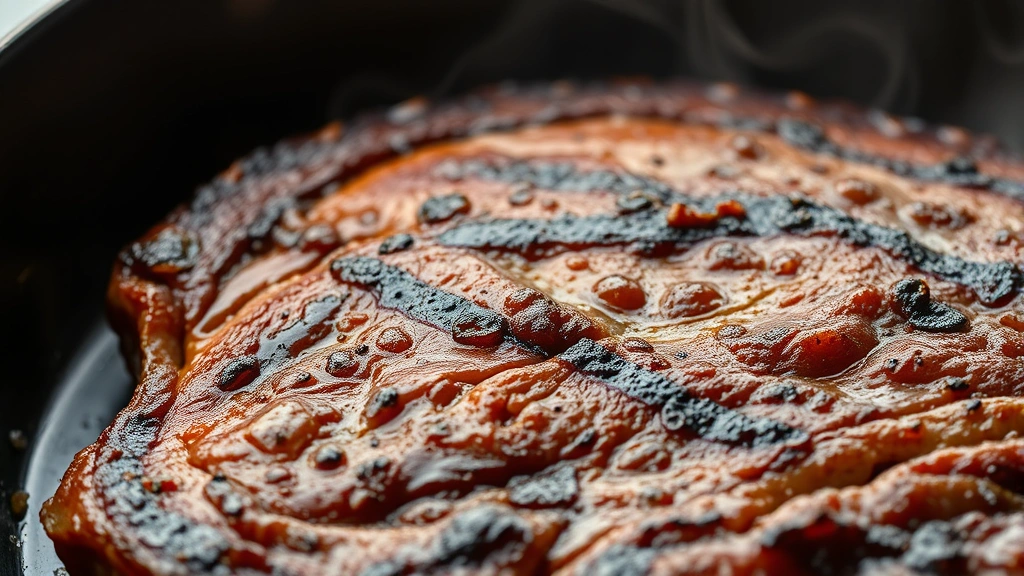
Sear each rib for 3 to 4 minutes per side, developing a deep golden-brown crust. Don’t move the ribs around—let them sit undisturbed so the Maillard reaction can occur properly. This chemical process creates hundreds of complex flavor compounds that make the finished dish taste incredible. Once all ribs are seared, transfer them to a plate and set aside.
The Braising Method
In the same pot used for searing (don’t clean it—those browned bits are liquid gold), add 1 diced large onion, 3 diced carrots, and 4 minced garlic cloves. Sauté for 3 to 4 minutes until softened and fragrant. Pour in 1 cup of beef broth and scrape the bottom of the pot with a wooden spoon, releasing all those caramelized bits that add tremendous flavor.
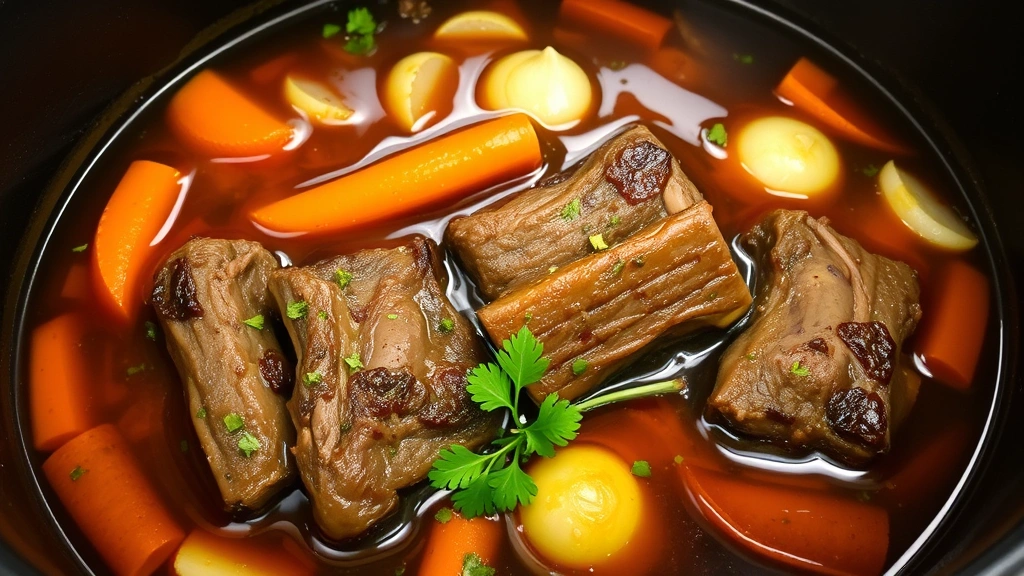
Add your reserved marinade to the pot along with 1 cup of red wine (optional but recommended), 2 bay leaves, 4 fresh thyme sprigs, and 1 teaspoon of smoked paprika. Bring this braising liquid to a simmer, then nestle your seared boneless short ribs back into the pot, arranging them so they’re partially submerged. The liquid should come about three-quarters of the way up the sides of the meat.
Cover the pot with a lid and transfer it to a preheated 325°F oven. Braise for 2.5 to 3 hours, checking occasionally to ensure the liquid maintains a gentle simmer. The meat is done when it’s fork-tender and a meat thermometer inserted into the thickest piece registers 190 to 203°F. At this temperature, the collagen has fully converted to gelatin, and the meat will shred easily.
This low-and-slow braising technique is the cornerstone of achieving that tender texture everyone desires. The combination of moist heat, gentle temperature, and extended cooking time transforms tough connective tissue into silky gelatin. This approach echoes the wisdom found in vintage grandma recipes, where slow-cooked meat dishes were always the most prized.
Finishing Touches
Once your boneless short ribs reach perfect tenderness, carefully remove them from the braising liquid and transfer them to a serving platter. Tent loosely with foil to keep them warm while you finish the sauce.
Strain the braising liquid through a fine-mesh sieve into a clean pot, discarding the solids. Skim off excess fat from the surface using a fat separator or by tilting the pot and using a spoon. For a thicker sauce, you can reduce it over medium-high heat for 10 to 15 minutes, or create a slurry by mixing 1 tablespoon of cornstarch with 2 tablespoons of cold water and whisking it into the simmering sauce.
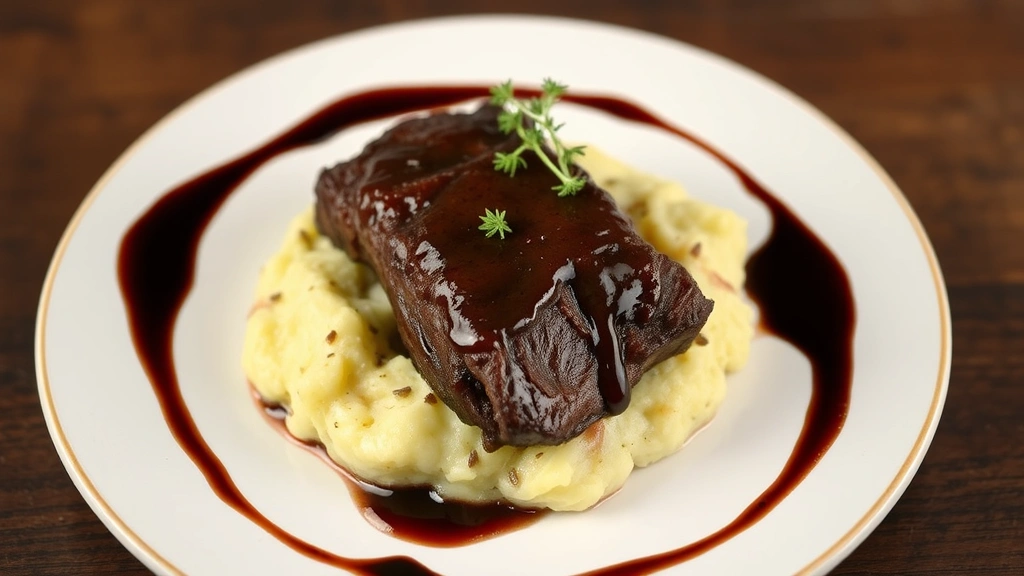
Taste the sauce and adjust seasonings with kosher salt, black pepper, and a splash of balsamic vinegar if needed. The sauce should be rich, glossy, and coat the back of a spoon. Pour this beautiful sauce over your boneless short ribs just before serving for maximum visual impact and flavor.
Serving Suggestions
Tender boneless short ribs pair beautifully with numerous side dishes. Creamy mashed potatoes or cauliflower puree provide the perfect vehicle for the rich pan sauce. Soft polenta offers an elegant alternative that absorbs flavors wonderfully. Root vegetable purees, including sweet potato preparations similar to those in black folks sweet potato pie recipe (savory versions, of course), complement the deep beef flavors.
For vegetable sides, consider roasted Brussels sprouts, sautéed mushrooms, or braised red cabbage. These options provide brightness and texture contrast against the rich, tender meat. A simple green salad with acidic vinaigrette cleanses the palate between bites.
Wine pairings should feature full-bodied reds such as Cabernet Sauvignon, Bordeaux blends, or Burgundy. The tannins in these wines cut through the richness of the meat beautifully. If you prefer white wine, choose an oaked Chardonnay with good acidity.
For special occasions, consider plating individual ribs with a small mound of your chosen starch and a generous spoonful of sauce. Garnish with fresh herbs like parsley or thyme for color and freshness. This presentation elevates boneless short ribs to restaurant-quality status that will impress even the most discerning dinner guests.
FAQ
How far in advance can I prepare boneless short ribs?
You can braise boneless short ribs up to 2 days ahead. Store them in their braising liquid in an airtight container in the refrigerator. Reheat gently in a 300°F oven until warmed through, about 30 to 40 minutes. The flavors actually deepen overnight, making advance preparation advantageous for entertaining.
Can I freeze boneless short ribs after cooking?
Yes, cooked boneless short ribs freeze beautifully for up to 3 months. Cool them completely, then store in freezer-safe containers with their braising liquid. Thaw overnight in the refrigerator and reheat gently in a 300°F oven. Freezing doesn’t compromise texture or flavor when done properly.
What if my boneless short ribs aren’t tender after 3 hours?
Continue cooking in 30-minute increments, checking tenderness with a fork. Occasionally, particularly large ribs or those from older animals require extra time. The meat is done when a fork easily pierces it and it nearly falls apart. Going past the target temperature won’t harm the dish—the meat simply becomes more tender.
Can I make this recipe in a slow cooker?
Absolutely. Sear the ribs using the stovetop method, then transfer them to a slow cooker with the braising liquid and aromatics. Cook on low for 6 to 8 hours until fork-tender. The extended cooking time in a slow cooker yields equally tender results, though you sacrifice the final sauce reduction step.
What’s the difference between boneless and bone-in short ribs?
Bone-in short ribs cook similarly but require slightly longer cooking times due to the bone’s thermal mass. Boneless short ribs cook faster and provide more actual meat per serving. Both methods produce tender, flavorful results when proper techniques are applied. Choose based on your preference for presentation and texture.
How do I know when boneless short ribs are done?
The most reliable indicator is using a meat thermometer—target 190 to 203°F internal temperature. Visually, the meat should look slightly darker and feel very tender when pierced with a fork. The bone (if present) should slide away from meat easily. When in doubt, cook longer; overcooked short ribs are still delicious, while undercooked ones are tough.


