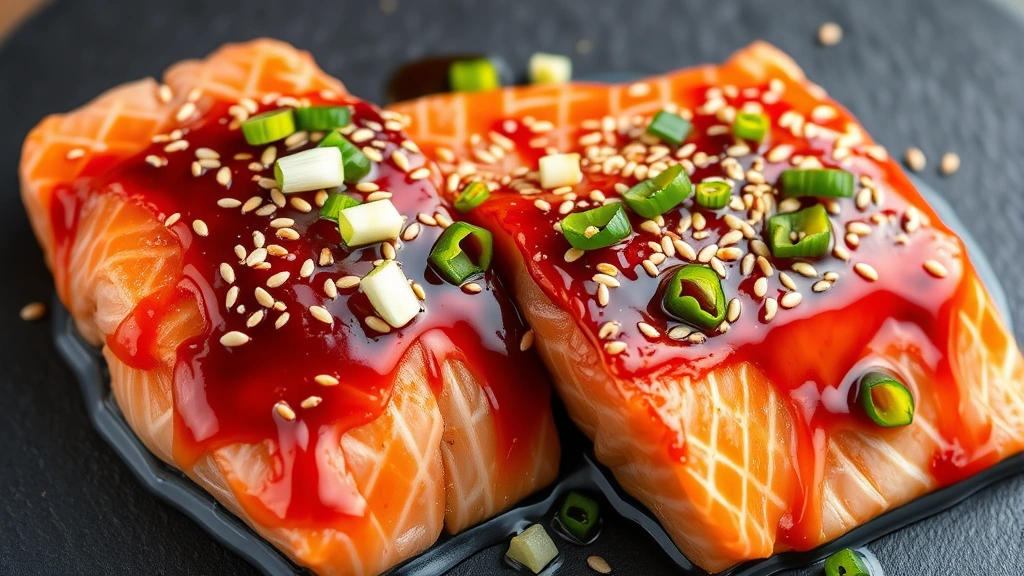
Best Salmon Marinade? Chef’s Secret Recipe for Perfect Fish Every Time
A truly exceptional salmon marinade transforms ordinary fillets into restaurant-quality dishes that impress family and guests alike. The secret lies not in complex techniques, but in understanding how acid, oil, and aromatics work together to penetrate the delicate flesh, enhancing natural flavors while keeping the fish moist and tender. After years of experimentation in professional kitchens, I’ve discovered that the best salmon marinades balance brightness with richness, creating depth that complements rather than masks the fish’s inherent quality.
This guide reveals the chef’s techniques behind crafting the perfect salmon marinade, from selecting ingredients to mastering timing. Whether you’re preparing a weeknight dinner or hosting a special occasion, understanding these principles will elevate your cooking and ensure consistently delicious results. The recipes and methods shared here have been tested extensively and refined to deliver maximum flavor with minimal effort.
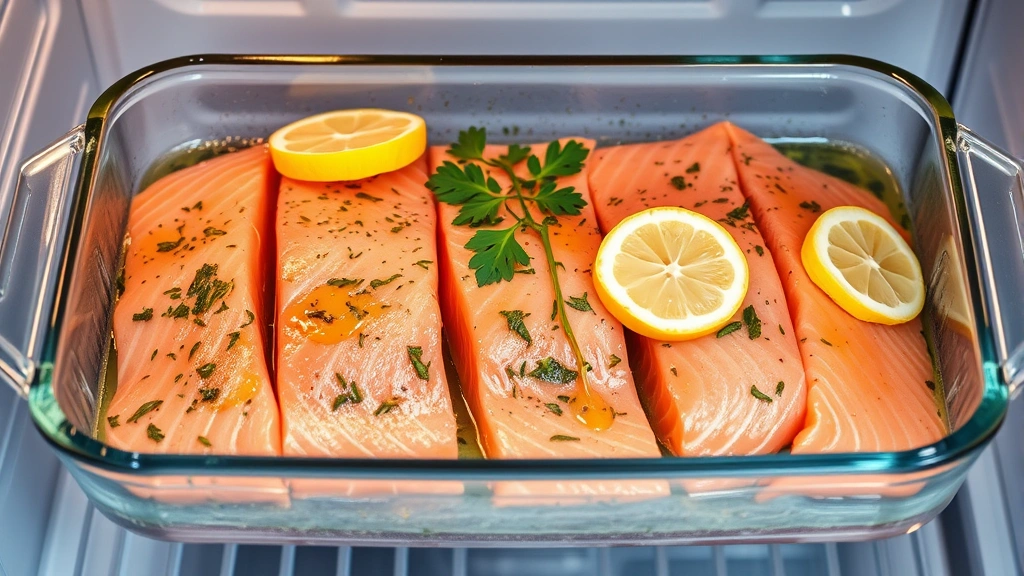
Understanding Salmon Marinade Fundamentals
The foundation of every successful salmon marinade rests on three essential components: acid, fat, and flavor. Acid—whether from citrus juice, vinegar, or wine—begins breaking down proteins immediately, allowing other flavors to penetrate deeper into the fish. This process typically takes between 15 minutes and 4 hours, depending on thickness and desired intensity. Too long, and the acid denatures proteins excessively, creating a mushy texture; too short, and flavors remain superficial.
Fat, usually in the form of quality olive oil or sesame oil, serves multiple purposes. It carries flavor compounds, prevents the fish from drying during cooking, and creates a protective barrier that locks in moisture. The ratio matters significantly—typically one part acid to two or three parts oil creates the ideal balance. This ratio ensures the marinade penetrates without overwhelming the salmon’s delicate taste.
Aromatics and seasonings provide the character that distinguishes one marinade from another. Garlic, ginger, soy sauce, herbs, and spices each contribute distinct notes. The key is layering complementary flavors rather than using too many competing elements. Professional chefs often taste their marinades before applying them to fish, adjusting salt and acid levels to achieve harmony.
Understanding your salmon’s quality matters too. Wild-caught salmon has more pronounced flavor and firmer texture than farm-raised varieties, allowing for bolder marinades. Conversely, milder farm-raised salmon pairs beautifully with delicate herb-based marinades. For more inspiration on protein preparation, explore our best healthy food recipes collection.
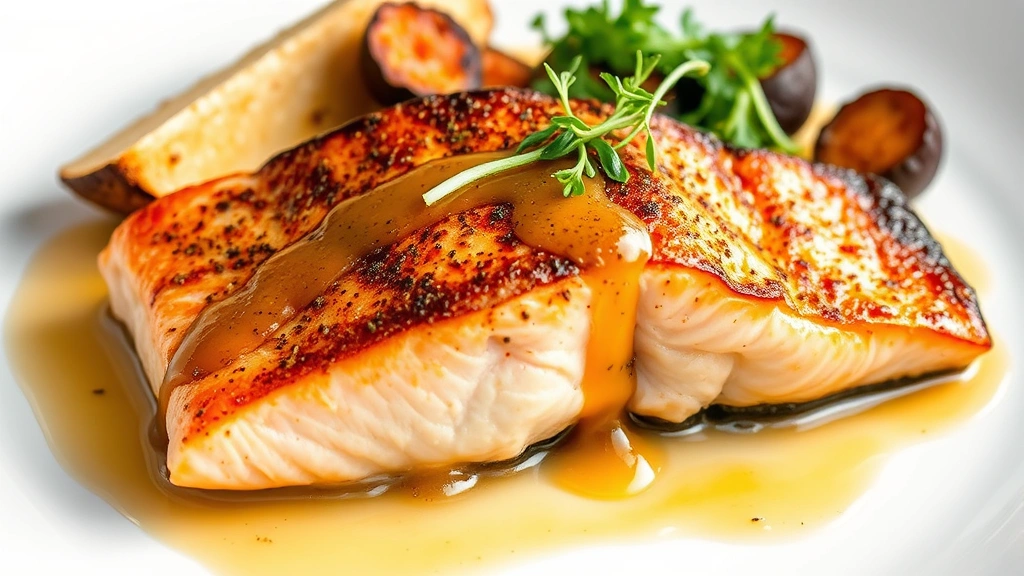
Classic Asian-Inspired Salmon Marinade
This marinade draws inspiration from Japanese and Southeast Asian cuisines, combining umami-rich soy sauce with bright citrus and warming ginger. The result is a deeply flavorful preparation that enhances salmon’s natural richness without overwhelming it.
Ingredients (serves 4):
- ¼ cup low-sodium soy sauce
- 3 tablespoons sesame oil
- 2 tablespoons rice vinegar
- 2 tablespoons honey or maple syrup
- 3 cloves garlic, minced
- 1 tablespoon fresh ginger, minced
- 1 teaspoon sriracha or chili paste (optional)
- 2 green onions, sliced
- 1 tablespoon sesame seeds
- Four 6-ounce salmon fillets
Instructions:
- Combine soy sauce, sesame oil, and rice vinegar in a bowl, whisking until well incorporated.
- Add minced garlic and ginger, stirring thoroughly to distribute evenly.
- Stir in honey and sriracha if using, creating a balanced sweet-savory-spicy profile.
- Place salmon fillets skin-side down in a shallow dish or ziplock bag.
- Pour marinade over fish, ensuring all surfaces contact the liquid.
- Cover and refrigerate for 30-45 minutes. (Longer marinating times intensify flavor but may soften texture.)
- Remove salmon from refrigerator 10 minutes before cooking to bring to room temperature.
- Reserve 2 tablespoons marinade for basting during cooking.
This marinade works exceptionally well with cast iron cooking methods, which create beautiful caramelization on the fish’s surface. The soy-based marinade’s sugars brown beautifully, developing complex flavors through the Maillard reaction. Serve finished salmon with steamed bok choy and jasmine rice for an authentic Asian-inspired meal.
Mediterranean Herb Marinade
Drawing from the sun-soaked shores of Southern Europe, this marinade emphasizes fresh herbs, quality olive oil, and bright citrus. It’s lighter than Asian preparations yet equally sophisticated, allowing salmon’s natural flavor to shine through.
Ingredients (serves 4):
- ½ cup extra-virgin olive oil
- 3 tablespoons fresh lemon juice
- 1 tablespoon white wine vinegar
- 4 cloves garlic, thinly sliced
- 2 tablespoons fresh dill, chopped
- 2 tablespoons fresh parsley, chopped
- 1 tablespoon fresh thyme leaves
- ½ teaspoon Dijon mustard
- Sea salt and black pepper to taste
- Lemon zest from one lemon
- Four 6-ounce salmon fillets
Preparation Method:
- Whisk together olive oil, lemon juice, and white wine vinegar until emulsified.
- Add thinly sliced garlic and Dijon mustard, whisking to combine.
- Fold in fresh dill, parsley, and thyme, preserving herb texture.
- Season with sea salt and freshly ground black pepper.
- Place salmon skin-side down in a glass baking dish.
- Pour marinade over fillets, distributing herbs evenly across surfaces.
- Cover with plastic wrap and refrigerate for 20-30 minutes.
- Sprinkle lemon zest over fish just before cooking.
Mediterranean marinades pair beautifully with roasted vegetables—try pairing with asparagus, cherry tomatoes, and red onion for a complete meal. This preparation is also ideal for grilling, as the herb-infused oil creates aromatic smoke that adds another dimension to the finished dish. The marinade’s bright acidity balances salmon’s richness, making this option perfect for lighter appetites and warm-weather dining.
Citrus and Ginger Marinade
This invigorating marinade combines multiple citrus fruits with fresh ginger, creating a bright, refreshing preparation that awakens the palate. It’s particularly effective with farm-raised salmon, adding complexity to milder flesh.
Ingredients (serves 4):
- ¼ cup fresh lime juice
- ¼ cup fresh orange juice
- 3 tablespoons grapefruit juice
- ⅓ cup olive oil
- 2 tablespoons fresh ginger, julienned
- 2 cloves garlic, minced
- 1 teaspoon honey
- ½ teaspoon red pepper flakes
- Fresh cilantro, chopped
- Four 6-ounce salmon fillets
Preparation Steps:
- Combine lime, orange, and grapefruit juices in a mixing bowl.
- Whisk in olive oil slowly to create a light emulsion.
- Add julienned ginger, minced garlic, and honey, stirring well.
- Season with red pepper flakes for subtle heat.
- Arrange salmon fillets in a shallow container or bag.
- Pour marinade over fish, ensuring complete coverage.
- Refrigerate for 25-35 minutes, turning fillets halfway through if using a container.
- Garnish with fresh cilantro before cooking.
The citrus trio creates a complex flavor profile that’s greater than the sum of its parts. Each fruit contributes distinct notes—lime’s sharpness, orange’s sweetness, and grapefruit’s subtle bitterness—resulting in a balanced, sophisticated marinade. Fresh ginger adds warming spice that complements the citrus beautifully. This marinade works wonderfully with pan-searing, baking, or poaching methods.
Marinating Techniques and Timing
Marinating salmon requires precision and understanding of how timing affects results. Unlike heartier proteins like beef or chicken, salmon’s delicate structure demands careful attention to duration.
Timing Guidelines:
- 15-20 minutes: Ideal for quick weeknight preparations. Flavors remain subtle and fish texture stays pristine. Best for thinner fillets.
- 30-45 minutes: The sweet spot for most marinades and salmon thicknesses. Flavors penetrate adequately while maintaining optimal texture.
- 1-2 hours: Maximum marinating time for most preparations. Beyond this, acid begins noticeably breaking down proteins, potentially creating undesirable mushiness.
- Beyond 2 hours: Generally not recommended unless using very mild marinades with minimal acid. The risk of over-marinating outweighs flavor benefits.
Temperature control is equally critical. Always marinate salmon in the refrigerator, never at room temperature. Cold temperatures slow protein degradation while allowing flavors to penetrate gradually. Remove salmon from refrigeration 10-15 minutes before cooking to achieve even cooking throughout.
Proper container selection matters too. Glass, ceramic, or food-grade plastic work well; avoid reactive metals like aluminum or copper, which can interact with acidic marinades and impart metallic flavors. Ziplock bags are excellent for marinating because they maximize surface contact with the marinade while taking minimal refrigerator space.
Reserve a portion of marinade before adding raw fish if you plan to use it for basting or sauce. This prevents cross-contamination while allowing you to brush the fish during cooking for enhanced flavor and moisture retention. Many chefs also bring reserved marinade to a boil before using as a finishing sauce, eliminating any food safety concerns.
For more insights on timing and technique, consult Serious Eats’ marinating guide, which offers scientific perspectives on the marinating process.
Cooking Methods for Marinated Salmon
The cooking method significantly influences how marinated salmon develops its final flavor profile. Different techniques highlight various aspects of the marinade while creating distinct textures.
Pan-Searing: This method creates beautiful caramelization on the salmon’s surface, developing complex flavors through the Maillard reaction. Heat a skillet over medium-high heat, add a touch of oil, and sear salmon skin-side up for 4-5 minutes until the skin crisps. Flip and cook flesh side for another 3-4 minutes. The high heat causes marinade sugars to brown, creating depth and richness. Pan-searing works beautifully with all three marinades mentioned above.
Baking: This gentle method preserves delicate flavors while ensuring even cooking. Preheat oven to 400°F, place marinated salmon on parchment paper, and bake for 12-15 minutes depending on thickness. Baste with reserved marinade halfway through cooking. Baking is particularly effective for Mediterranean and citrus marinades, which maintain their brightness without the intensity of high-heat cooking.
Grilling: Direct heat imparts smoky character while caramelizing the marinade. Oil grill grates thoroughly, preheat to medium-high, and place salmon skin-side down. Cook 4-5 minutes without moving, then flip and cook another 3-4 minutes. The herb-infused smoke from Mediterranean marinades creates exceptional flavor when grilled.
Poaching: This delicate method works beautifully with citrus marinades. Bring marinade to a gentle simmer in a shallow pan, add salmon, and maintain a bare simmer for 8-10 minutes. The fish cooks gently in its flavorful liquid, resulting in incredibly moist, tender flesh. This method is perfect for those seeking lighter preparations.
Regardless of cooking method, salmon reaches optimal doneness when it flakes easily with a fork and registers 145°F on an instant-read thermometer. Overcooked salmon becomes dry and loses its delicate texture, so monitor cooking carefully and err on the side of slightly underdone rather than overdone.
For comprehensive cooking technique information, visit The Spruce Eats’ salmon cooking methods guide.
Explore our best healthy food recipes for additional inspiration on preparing nutritious salmon dishes that complement these marinades.
Advanced Marinating Tips from Professional Chefs
Professional kitchens employ several techniques that home cooks can easily adopt to elevate marinated salmon further.
Dry Brining Before Marinating: Some chefs salt salmon 15-30 minutes before marinating. This process, called dry brining, allows salt to penetrate the flesh, improving flavor distribution and moisture retention. After dry brining, rinse the salmon briefly and pat dry before applying the marinade. This technique ensures more even seasoning throughout the fish.
Scoring the Skin: Making shallow cuts through the salmon skin in a crosshatch pattern allows marinades to penetrate more effectively. Use a sharp knife to create thin lines without cutting into the flesh itself. This technique is particularly valuable when marinating for shorter periods or with milder marinades.
Temperature Layering: Combine room-temperature and cold ingredients in your marinade. The contrast creates more complex flavor perception on the palate. For instance, add fresh herbs at room temperature but combine acids and oils after chilling them slightly.
Emulsion Stability: Properly emulsified marinades coat salmon more effectively than separated oil and liquid. Use a whisk or immersion blender to create stable emulsions that cling to the fish’s surface, ensuring better flavor penetration and moisture retention during cooking.
Acid Balancing: Professional chefs taste marinades and adjust acid levels precisely. If your marinade tastes overly acidic, add more oil or a touch of honey. If it lacks brightness, add citrus juice in small increments. This balancing ensures the finished dish has complexity without harsh or one-dimensional flavors.
For more professional insights, explore The Culinary Institute of America’s resources on advanced cooking techniques.
Pairing Marinated Salmon with Sides and Beverages
The marinade you choose should influence your side dish and beverage selections, creating a cohesive dining experience.
Asian-Inspired Pairings: Serve soy-ginger marinated salmon with steamed jasmine rice, stir-fried vegetables, or rice noodles. The umami-rich marinade pairs beautifully with white or light rosé wines, or alternatively, with sake or jasmine tea. Green vegetables like bok choy or broccoli provide textural contrast and nutritional balance.
Mediterranean Pairings: Herb-marinated salmon shines alongside roasted root vegetables, wild rice, or crusty bread. Pair with crisp white wines like Sauvignon Blanc or Pinot Grigio, whose acidity complements the herb-forward flavors. A simple arugula salad with lemon vinaigrette rounds out the meal beautifully.
Citrus Pairings: The bright, refreshing character of citrus-ginger marinades works wonderfully with light grain bowls, quinoa salads, or roasted beets. Pair with crisp white wines, light beers, or sparkling water with fresh fruit. The citrus notes in the marinade echo beautifully in the beverage selection.
Remember that our quick breakfast recipes section also includes salmon preparations perfect for morning meals, should you want to incorporate this versatile protein beyond dinner.
Storing and Repurposing Leftover Marinade
Excess marinade shouldn’t go to waste. Properly stored, it keeps in the refrigerator for up to one week and can be used in multiple ways.
Sauce Base: Bring reserved marinade to a rolling boil for at least one minute (eliminating any food safety concerns from raw fish contact), then simmer gently for 5-10 minutes to concentrate flavors. Drizzle over cooked salmon or vegetables as a finishing sauce.
Vegetable Marinade: Use excess marinade to marinate vegetables like mushrooms, zucchini, or bell peppers. The same flavor principles that work for salmon apply beautifully to vegetables, creating complementary side dishes.
Dressing Base: Whisk chilled marinade with a touch of mayonnaise or Greek yogurt to create salad dressings that echo your salmon’s flavors. This technique creates cohesive meal compositions where each component reinforces the overall flavor profile.
Marinade for Other Proteins: Many salmon marinades work equally well with chicken, pork, or tofu. The Asian-inspired version pairs beautifully with healthy chicken recipes, allowing you to maximize your marinade investment.
FAQ
How long can I marinate salmon?
Salmon can marinate safely for up to 2 hours in the refrigerator. Beyond this time, the acid in the marinade begins noticeably breaking down the delicate protein structure, potentially resulting in mushy texture. For best results, aim for 30-45 minutes, which provides excellent flavor penetration while maintaining optimal texture. Thinner fillets require shorter marinating times than thicker cuts.
Can I marinate salmon at room temperature?
No, always marinate salmon in the refrigerator. Room temperature allows harmful bacteria to proliferate while accelerating protein degradation. Cold temperatures slow these processes, allowing flavors to penetrate gradually while maintaining food safety. Remove salmon from refrigeration only 10-15 minutes before cooking to bring it to room temperature for even cooking.
What’s the best acid for salmon marinades?
Citrus juices (lemon, lime, orange) and vinegars (rice, white wine, balsamic) all work well for salmon marinades. Citrus provides bright, fresh notes, while vinegars add complexity and depth. Combine multiple acids for the most interesting flavor profiles. Avoid extremely strong vinegars like distilled white vinegar, which can overwhelm delicate salmon flavor.
Should I remove salmon skin before marinating?
Keeping the skin intact is generally preferable. The skin protects the delicate flesh from over-marinating while crisping beautifully during cooking. If you prefer skinless salmon, you can remove the skin after marinating, though this reduces the protective barrier and may result in slightly softer texture.
Can I freeze marinated salmon?
Yes, marinated salmon freezes well for up to three months. Place the marinated salmon in a freezer-safe bag or container with its marinade, removing as much air as possible. Thaw in the refrigerator overnight before cooking. Freezing actually allows additional flavor penetration as ice crystals break down cell walls, creating more space for marinade components to penetrate.
What oil works best in salmon marinades?
Extra-virgin olive oil is the classic choice for Mediterranean marinades, offering fruity notes and health benefits. Sesame oil works beautifully in Asian-inspired preparations, contributing nutty, aromatic character. Neutral oils like grapeseed or avocado oil work well when you want to highlight other marinade components without adding their own flavor. Choose based on the overall flavor profile you’re creating.
How do I know when marinated salmon is done cooking?
Salmon reaches optimal doneness when it registers 145°F on an instant-read thermometer inserted at the thickest part. The flesh should flake easily with a fork and appear opaque rather than translucent. Slightly underdone salmon (140-143°F) is actually preferable to overcooked, which becomes dry and loses its delicate texture. Cooking time varies from 8-15 minutes depending on thickness and cooking method.
Can these marinades work with other fish?
Absolutely. These marinades work beautifully with other fatty fish like mackerel, trout, or halibut. Adjust marinating times based on thickness—thinner white fish may need only 15-20 minutes, while heartier fish can handle the full 45 minutes. Leaner fish benefit from the oil in these marinades, which prevents drying during cooking.
Should I pat salmon dry before marinating?
Yes, patting salmon dry with paper towels before marinating helps the marinade adhere better and penetrate more effectively. Excess surface moisture dilutes the marinade and prevents proper flavor absorption. Use gentle pressure to avoid damaging the delicate flesh, focusing on the skin and edges where moisture tends to accumulate.
What’s the difference between marinating and curing salmon?
Marinating uses acid, oil, and aromatics to add flavor while keeping the fish raw or partially cooked. Curing uses salt and sugar to preserve salmon through dehydration, fundamentally changing its texture and structure. Marinades are temporary flavor additions, while cures create permanent changes. The recipes in this guide are marinades, not cures.
Can I use bottled lemon juice instead of fresh?
Fresh citrus juice is preferable because bottled versions often contain preservatives that can affect flavor and texture. Fresh juice also provides more complex citrus character that develops more nuanced marinades. If using bottled juice, reduce the quantity slightly as it’s often more concentrated than fresh juice.
For additional seafood inspiration, check out our healthy dessert recipes for light, refreshing finales to your salmon dinners. Also explore how to make homemade bread for artisanal sides that complement marinated salmon beautifully.
For food science perspectives on marinating, visit Scientific American’s explanation of marinating science, which provides evidence-based insights into flavor penetration and protein changes during marinating.


