Saffron Rice Perfection: Chef Tips & Techniques for Golden, Fragrant Rice
Saffron rice represents one of the most elegant and aromatic dishes in global cuisine, transforming simple white rice into a luxurious side that elevates any meal. Whether you’re preparing a Persian tahdig, Indian biryani, or Spanish paella base, mastering saffron rice requires understanding both technique and ingredient quality. This comprehensive guide reveals professional chef secrets that will help you achieve perfectly cooked, beautifully colored, and intensely flavored saffron rice every single time.
The magic of saffron rice lies in three critical elements: selecting premium saffron threads, properly infusing them for maximum color and flavor, and employing the right cooking method to ensure each grain remains distinct while absorbing the golden hue. Many home cooks struggle with cloudy rice, uneven coloring, or weak saffron flavor—problems that stem from common misconceptions about preparation. By following the professional techniques detailed below, you’ll transform your saffron rice from ordinary to extraordinary.
Understanding Saffron Quality and Selection
The foundation of exceptional saffron rice begins with sourcing premium saffron threads. Saffron, the dried stigma of the Crocus sativus flower, varies dramatically in quality, potency, and price. Professional chefs understand that investing in superior saffron dramatically impacts the final dish’s flavor profile and visual appeal.
Look for saffron that displays deep crimson-red color with minimal yellow or orange portions. The threads should feel dry and brittle, breaking easily between your fingers. Authentic saffron comes primarily from Iran, Kashmir, and Spain, with Kashmir and Iranian saffron commanding premium prices due to superior flavor compounds. A single gram of high-quality saffron contains approximately 150-200 threads and costs between $8-15, making it the world’s most expensive spice by weight.
When purchasing, buy from reputable spice merchants or specialty food retailers who can verify origin and freshness. Avoid pre-ground saffron or powdered versions, as they lose potency quickly and may contain fillers. Store saffron threads in an airtight container away from light and heat—properly stored saffron maintains peak quality for 2-3 years. Many chefs purchase whole threads and grind them fresh when needed for optimal flavor intensity.
Quality saffron should deliver a complex flavor profile: slightly sweet, floral, earthy, and subtly bitter. When you infuse threads in hot liquid, the water should transform to a brilliant golden-yellow within minutes, indicating proper crocin and safranal content—the compounds responsible for color and aroma.
Essential Ingredients and Equipment
Creating perfect saffron rice requires precise ingredients and proper equipment. Here’s what professional kitchens keep on hand:
Ingredients:
- 1 cup long-grain basmati rice (or jasmine rice)
- ½ teaspoon premium saffron threads (approximately 40-50 threads)
- 2 cups chicken or vegetable broth
- ¼ cup whole milk or heavy cream
- 3 tablespoons ghee or butter
- 1 small onion, thinly sliced
- 2-3 green cardamom pods, crushed
- 1 bay leaf
- 4-5 whole cloves
- 1 teaspoon salt (adjust to taste)
- ½ teaspoon ground black pepper
- 2 tablespoons sliced almonds
- 2 tablespoons raisins
Equipment:
- Heavy-bottomed pot with tight-fitting lid (3-4 quart capacity)
- Fine-mesh strainer
- Small bowl for saffron infusion
- Mortar and pestle for grinding spices
- Fork for fluffing rice
- Measuring cups and spoons
- Thermometer (optional but helpful)
The quality of your pot makes a significant difference—heavy-bottomed stainless steel or cast iron distributes heat evenly, preventing hot spots that cause burnt rice. The lid must seal tightly to trap steam, which is essential for proper rice cooking. Many professional kitchens prefer clay pots or specialized rice cookers with precise temperature control for consistently perfect results.
Preparing Your Saffron for Maximum Infusion
This step separates amateur cooks from professionals. Proper saffron preparation unlocks the maximum color, flavor, and aroma potential.
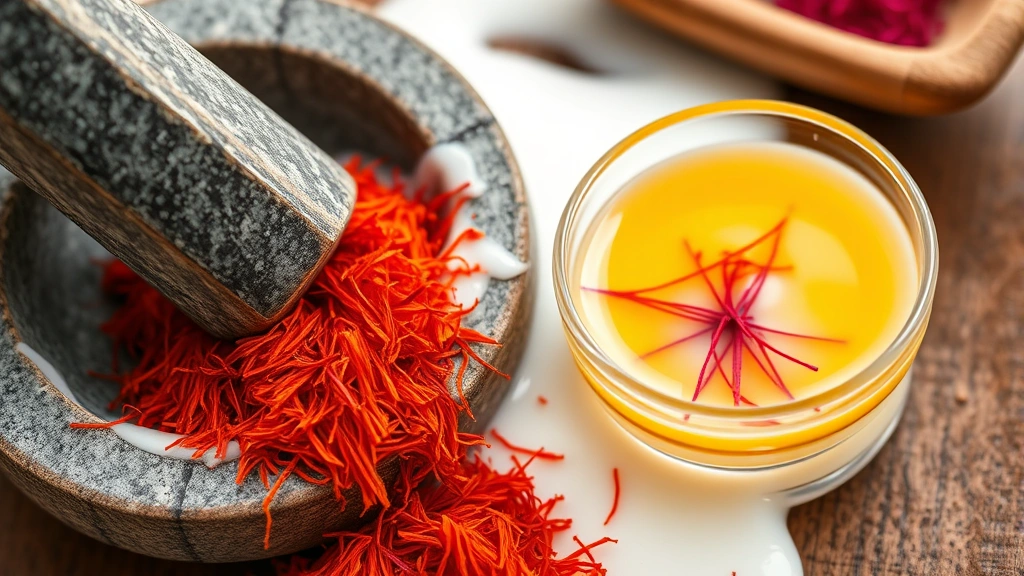
The Blooming Process: Start by measuring your saffron threads—½ teaspoon (about 40-50 threads) serves 4 people generously. Place threads in a small bowl and gently crush them using the back of a spoon or mortar and pestle. This breaks down the cellular structure, allowing faster and more complete infusion.
Heat ¼ cup whole milk or heavy cream until it steams (approximately 160-170°F). Pour the warm milk over the crushed saffron threads immediately. The heat activates the compounds responsible for color and flavor. Cover the bowl and let it steep for 15-20 minutes. During this time, the saffron releases its precious pigments, transforming the milk into a brilliant golden liquid with an intoxicating floral aroma.
Some chefs prefer infusing saffron in hot broth instead of milk, which works equally well but produces slightly less vibrant color. The milk-infused version creates a richer, more luxurious final dish with better flavor distribution. Never use boiling water—temperatures above 185°F can diminish delicate flavor compounds.
This infusion step is non-negotiable for professional results. Chefs who skip it or add saffron directly to cooking rice inevitably produce pale, weakly flavored dishes. The pre-infusion ensures maximum extraction and even color distribution throughout every grain.
Step-by-Step Saffron Rice Recipe
Step 1: Prepare the Rice
Measure 1 cup long-grain basmati rice into a fine-mesh strainer. Rinse thoroughly under cold running water for 2-3 minutes, stirring gently with your fingers. This removes excess starch that causes rice to become sticky and clumpy. Continue rinsing until the water runs completely clear—this indicates all surface starch has been removed. Pat the rice dry with a clean kitchen towel.
Step 2: Toast the Spices
Heat 3 tablespoons ghee in your heavy-bottomed pot over medium heat. Once melted, add crushed cardamom pods, bay leaf, and whole cloves. Toast for 1-2 minutes, stirring frequently, until fragrant. This blooming process intensifies the spices’ essential oils, creating deeper, more complex flavors. Be careful not to burn the spices—they should smell aromatic and slightly nutty, never acrid.
Step 3: Cook the Aromatics
Add the thinly sliced onion to the ghee and spices. Cook over medium heat, stirring occasionally, for 5-7 minutes until the onion becomes translucent and slightly caramelized at the edges. This develops sweet, savory notes that complement the saffron’s delicate flavor. The onion also creates a flavorful base that prevents rice from sticking to the pot bottom.
Step 4: Add the Rice
Increase heat to medium-high and add the rinsed, dried rice to the pot. Stir constantly for 2-3 minutes, coating every grain with the ghee and spices. You’ll notice the rice grains becoming slightly translucent at the edges—this indicates proper toasting. This crucial step adds a subtle nutty flavor that enhances the saffron’s complexity.
Step 5: Add Liquid and Saffron Infusion
Pour in 2 cups hot chicken or vegetable broth, followed by your prepared saffron milk infusion. Add salt and black pepper. Stir gently to combine, ensuring the saffron liquid distributes evenly. At this point, you should see the rice beginning to take on a golden hue. Bring the mixture to a rolling boil over medium-high heat—this should take 2-3 minutes.
Step 6: Steam the Rice
Once boiling, reduce heat to the lowest setting and cover the pot with a tight-fitting lid. Professional chefs often place a damp kitchen towel under the lid to seal steam inside even more effectively. Cook undisturbed for 15-18 minutes. During this time, the liquid absorbs completely into the rice while steam cooks each grain to tender perfection. Resist the urge to lift the lid—each time you do, steam escapes and cooking time extends.
Step 7: Rest and Fluff
Remove the pot from heat and let it rest, covered, for 5 minutes. This allows residual heat to finish cooking and helps grains firm up slightly. Uncover and gently fluff the rice using a fork, breaking up any clumps. The rice should be light, fluffy, and evenly golden throughout.
Step 8: Finish with Garnish
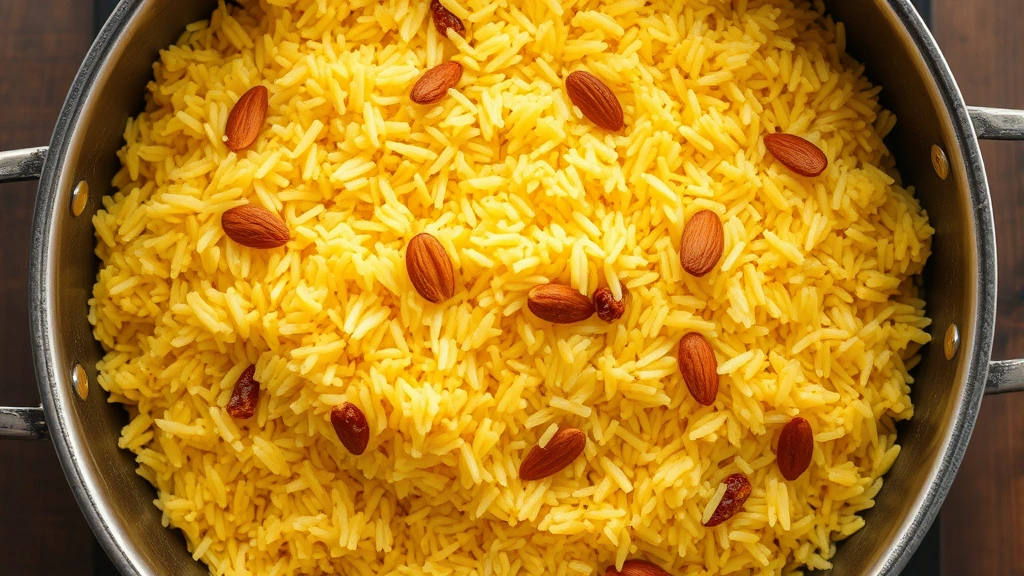
While the rice rests, quickly toast 2 tablespoons sliced almonds in a separate pan over medium heat for 2-3 minutes until golden and fragrant. Add 2 tablespoons raisins to warm through. Scatter the toasted almonds and raisins over the finished rice just before serving. This adds textural contrast and sweet notes that balance the saffron’s subtle bitterness.
Professional Cooking Techniques
Beyond the basic recipe, professional chefs employ advanced techniques that elevate saffron rice to restaurant quality.
The Absorption Method vs. Pilaf Method: The recipe above uses the absorption method, where rice cooks in a measured amount of liquid that absorbs completely. Professional kitchens also use the pilaf method, where rice cooks in excess liquid that’s drained afterward. The pilaf method offers more control and prevents overcooking, but requires more water and attention. Choose based on your confidence level—the absorption method is more forgiving for home cooks.
Temperature Control: Consistent, moderate heat is critical. Too-high heat causes rapid water evaporation and burnt rice bottoms. Too-low heat results in undercooked, crunchy centers. Professional kitchens use thermometers to maintain optimal cooking temperatures. Aim for 190-200°F during the steaming phase—hot enough to cook rice, cool enough to prevent scorching.
Layering Technique: For extra-luxurious results, professional chefs create saffron rice layers. Spread half the cooked rice in a serving dish, drizzle with extra saffron milk and melted ghee, then layer remaining rice on top. Cover and let rest for 10 minutes—the saffron liquid permeates all layers, creating more intense flavor and color throughout.
Tahdig (Crispy Bottom): Persian cooking traditions prize the crispy, caramelized rice layer that forms on the pot bottom. To achieve this intentionally, increase heat to medium-high for the final 2 minutes of cooking. Listen for gentle crackling sounds—this indicates the desired golden crust is forming. Serve by inverting the pot onto a platter so the crispy tahdig crowns the top.
These professional techniques transform basic saffron rice into show-stopping side dishes worthy of the finest restaurants. Experiment with each to discover your preferred approach.
Troubleshooting Common Issues
Problem: Pale or Weak Color
This usually indicates low-quality saffron or insufficient infusion time. Solution: Always pre-infuse saffron in warm milk for 15-20 minutes before adding to rice. Verify you’re using genuine, premium saffron threads from reputable sources. Consider increasing saffron quantity slightly, though premium saffron at proper concentrations should deliver brilliant color with ½ teaspoon per cup of rice.
Problem: Sticky, Clumpy Rice
Excess starch causes this issue. Solution: Rinse rice thoroughly before cooking until water runs clear. Ensure you’re using long-grain basmati or jasmine rice, not medium or short-grain varieties. Don’t stir rice after adding liquid—stirring releases starch and creates stickiness. Use proper liquid-to-rice ratio (2:1 for basmati).
Problem: Undercooked, Crunchy Centers
Insufficient cooking time or heat causes this. Solution: Verify you’re using proper liquid ratios and cooking at low-medium heat. Increase steaming time by 2-3 minutes if rice still feels crunchy after 18 minutes. Ensure your pot lid seals tightly—steam loss extends cooking time significantly.
Problem: Burnt Bottom or Scorched Smell
Excessive heat or insufficient liquid causes burning. Solution: Reduce heat to lowest setting after bringing rice to boil. Use heavy-bottomed pots that distribute heat evenly. Verify liquid measurements—too little water causes premature drying and burning. Some charring is intentional (tahdig), but burnt-smelling rice indicates heat was too high.
Problem: Uneven Saffron Distribution
Poor infusion or mixing causes uneven coloring. Solution: Always pre-infuse saffron thoroughly in milk. Stir gently but thoroughly after adding saffron liquid to ensure even distribution. Let rice rest for 5 minutes before fluffing—this allows color to set uniformly.
Flavor Variations and Pairings
Once you master basic saffron rice, explore creative variations that complement different main dishes.
Saffron Rice with Herbs: Add ¼ cup fresh mint, cilantro, or parsley during the final fluffing step. Fresh herbs add brightness that contrasts beautifully with saffron’s floral warmth. This variation pairs excellently with grilled lamb or chicken seasoning recipes.
Saffron Rice with Nuts and Dried Fruit: Beyond almonds and raisins, try toasted pistachios, cashews, dried apricots, or cranberries. Toast nuts separately to prevent burning, then scatter over finished rice. This variation creates textural interest and sophisticated flavor complexity ideal for special occasions.
Saffron Rice with Vegetables: Fold in cooked peas, corn, diced carrots, or roasted cauliflower during the final fluffing step. This transforms saffron rice into a complete one-dish meal. The vegetables should be cooked separately to prevent excess moisture.
Saffron Rice with Seafood: This variation works beautifully with shrimp, fish, or scallops. After finishing the rice, gently fold in cooked seafood and a squeeze of fresh lemon juice. The saffron’s subtle earthiness complements delicate seafood flavors perfectly.
Saffron Biryani Rice: Layer saffron rice with marinated meat (chicken, lamb, or goat), fried onions, and fresh herbs in a heavy pot. Cover tightly and cook on high heat for 2-3 minutes to create the characteristic biryani aroma, then reduce to low heat and finish cooking. This elaborate variation requires practice but produces restaurant-quality results.
Saffron rice pairs beautifully with steak seasoning recipes for beef dishes, quick pickle recipes for acidic contrast, and virtually any protein-forward main course. The saffron’s delicate flavor enhances rather than overpowers, making it extraordinarily versatile.
FAQ
Can I make saffron rice in a rice cooker?
Yes, absolutely. Prepare saffron infusion as directed, then add rice, infusion, and broth to your rice cooker in the standard rice-to-liquid ratio. Use the regular or white rice setting. Rice cookers excel at precise temperature control, often producing more consistent results than stovetop cooking. High-end rice cookers with saffron or specialty grain settings deliver exceptional results.
How far in advance can I prepare saffron rice?
Saffron rice is best served immediately after cooking, while the aroma is strongest and grains are fluffiest. However, you can prepare it 2-3 hours ahead, then reheat gently with a splash of broth and covered foil in a 300°F oven for 10-15 minutes. Alternatively, prepare components separately and assemble just before serving. The saffron infusion keeps refrigerated for up to 5 days.
Can I substitute regular white rice for basmati?
Basmati and jasmine rice are ideal due to their long grains and lower starch content. Regular white rice works but produces stickier, less elegant results. Avoid short-grain or arborio rice, which are designed to be creamy and won’t produce the fluffy, separated grains that showcase saffron’s beauty.
Is saffron rice gluten-free?
Yes, pure saffron rice is completely gluten-free, making it excellent for gluten-sensitive diners. Verify that your broth is certified gluten-free if serving to those with celiac disease. All spices and ghee are naturally gluten-free as well.
How do I know if my saffron is authentic?
Authentic saffron threads should be deep crimson-red, brittle, and break easily. When infused in warm liquid, they should color the liquid brilliant golden-yellow within 5-10 minutes. Authentic saffron has complex floral aroma—never chemical or musty-smelling. Purchase from reputable spice merchants who can verify origin. If saffron is suspiciously cheap (under $5 per gram), it’s likely counterfeit or low-quality.
Can I grow saffron at home?
Saffron crocus grows in temperate climates with specific conditions: well-draining soil, full sun, and cold winters with frost. Growing saffron is possible but challenging and time-consuming—you’d need hundreds of flowers to harvest meaningful quantities. Most home cooks find purchasing premium saffron more practical than growing it.
What’s the difference between saffron rice and risotto?
Saffron rice and saffron risotto are distinct dishes. Rice (as detailed here) uses the absorption method with measured liquid, producing fluffy, separated grains. Risotto uses constant stirring and gradual liquid addition, creating creamy, cohesive grains. Both showcase saffron beautifully but suit different purposes—rice as a side dish, risotto as a luxurious main or first course.
Can I freeze saffron rice?
Yes, saffron rice freezes well for up to 3 months in airtight containers. Thaw in the refrigerator overnight, then reheat gently with a splash of broth. Frozen rice works excellently for quick breakfast recipes incorporating rice, fried rice dishes, or grain bowls. Note that reheated rice has slightly less aromatic intensity than fresh-cooked, but flavor remains delicious.
What’s the best broth for saffron rice?
Chicken broth is traditional and versatile, complementing most dishes. Vegetable broth works beautifully for vegetarian meals. Beef broth creates richer flavor for meat-heavy meals. Some chefs use Trader Joe’s recipes featuring quality broths for convenient, consistent results. Homemade broth produces superior flavor if you have time to prepare it. Avoid broths with strong flavors that might overpower delicate saffron.
How much saffron is too much?
More than ¾ teaspoon per cup of rice can produce overpowering, slightly bitter flavor. Professional chefs typically use ½ teaspoon per cup as the sweet spot—enough for brilliant color and pronounced flavor without excessive bitterness. Start with ½ teaspoon and increase slightly if you prefer more intense saffron flavor, but go slowly to avoid overwhelming the dish.
Can I use saffron threads multiple times?
Once saffron threads release their color and flavor into liquid, they’re depleted. Reusing threads produces weak, pale results. However, don’t discard spent threads—add them to soups or broths during the final minutes of cooking for subtle residual flavor. Most chefs simply discard spent threads after infusion.


