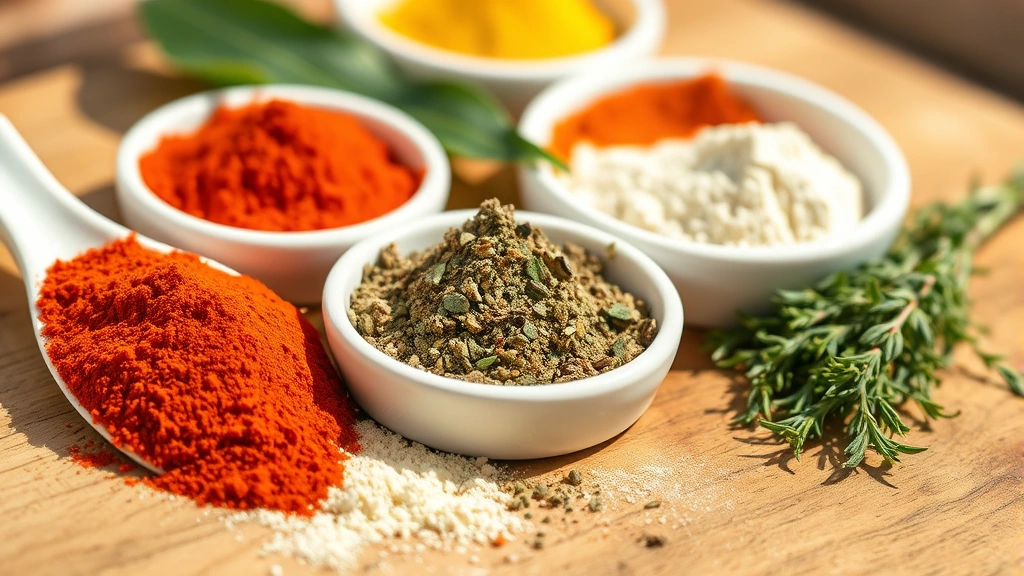
Ultimate Cajun Spice Blend: Chef’s Secret Mix
Cajun cuisine represents one of America’s most vibrant culinary traditions, born from the fusion of French, Spanish, African, and Native American influences in Louisiana. At the heart of every authentic Cajun dish lies a carefully balanced spice blend that transforms simple ingredients into something extraordinary. This ultimate cajun spice recipe has been passed down through generations of Louisiana cooks, each adding their own refinements while maintaining the essential character that makes Cajun food unmistakably delicious.
Creating your own homemade Cajun spice blend is easier than you might think, and the results far surpass any store-bought version. When you make this seasoning mix at home, you control the heat level, adjust ingredient ratios to your preference, and ensure absolute freshness. Many home cooks are surprised to discover that their favorite restaurant-quality Cajun dishes become achievable in their own kitchens once they understand the foundational spice blend that makes everything work.
Whether you’re planning to season chicken, fish, vegetables, or use it in your next seafood recipe, this comprehensive guide will walk you through every aspect of creating, storing, and using an authentic Cajun spice blend. We’ll explore the individual components, discuss proper proportions, and reveal professional techniques that transform this simple mixture into your secret weapon for incredible flavor.
Understanding Cajun Spice Fundamentals
The philosophy behind Cajun seasoning differs fundamentally from many other spice blends. Rather than seeking subtlety or complexity through layering delicate flavors, Cajun spices aim for bold, direct impact. This approach reflects the resourcefulness of Louisiana’s culinary heritage, where cooks needed to make the most of available ingredients with straightforward, effective techniques.
Cajun spices typically balance four flavor profiles: heat from peppers, earthiness from paprika and garlic, aromatic qualities from herbs like thyme and oregano, and savory depth from salt and black pepper. Understanding how these components work together helps you appreciate why certain proportions matter and how adjusting them creates variations suited to different dishes.
The best Cajun cooking techniques rely on this spice blend being potent enough to stand up to high-heat cooking methods. When you’re searing proteins in a cast iron skillet or simmering ingredients for extended periods, a well-formulated blend maintains its character throughout the cooking process, never fading into the background.
The Core Ingredients Explained
Every authentic Cajun spice blend contains several non-negotiable ingredients, each serving a specific purpose in the final mixture:
Paprika forms the flavor foundation of Cajun seasoning. This ground red pepper provides color, mild sweetness, and subtle smokiness without overwhelming heat. Hungarian paprika offers more complexity than Spanish varieties, though both work well. The paprika should smell vibrant and fresh; aged paprika loses its potency and won’t deliver the impact your blend needs.
Cayenne Pepper delivers the characteristic heat associated with Cajun food. This ingredient demands respect—it’s significantly hotter than paprika and should be added gradually, tasted frequently, if you’re adjusting recipes. Cayenne’s heat is clean and direct, making it ideal for applications where you want spice without complicated flavor notes.
Garlic Powder contributes savory depth and umami that elevates the entire blend. Fresh garlic can burn during cooking, but garlic powder remains stable at high temperatures. Choose granulated garlic powder rather than garlic salt, which contains added sodium you can control separately.
Onion Powder adds sweetness and complexity that balances the heat from cayenne. Like garlic powder, onion powder won’t scorch during cooking and distributes evenly throughout dishes. Quality matters here—fresh onion powder smells pungently of onions, while aged versions become flat and dusty.
Black Pepper provides sharp, biting notes that cut through rich foods and enhance other spices’ impact. Freshly ground black pepper is vastly superior to pre-ground versions; if possible, grind whole peppercorns immediately before blending your spice mix.
Dried Thyme introduces herbaceous, slightly minty notes that distinguish Cajun seasoning from simpler chili powders. Mediterranean thyme works perfectly for this application. Ensure your thyme is relatively fresh; dried herbs lose potency after about a year.
Dried Oregano adds Mediterranean warmth and subtle bitterness that prevents the blend from becoming one-dimensional. Greek oregano tends to be more flavorful than Mexican varieties, though either works acceptably. Like thyme, oregano should smell vibrant and green.
Salt does more than add saltiness; it amplifies all other flavors while bringing out the blend’s complexity. Kosher salt or sea salt both work well; avoid iodized table salt, which can impart metallic notes.
Classic Cajun Spice Recipe Proportions
This time-tested ratio creates a balanced blend suitable for most applications. The measurements assume you’re making enough to fill a standard spice jar and use regularly:
- 3 tablespoons paprika (preferably Hungarian)
- 2 tablespoons garlic powder
- 2 tablespoons onion powder
- 1 tablespoon black pepper (freshly ground)
- 1 tablespoon dried thyme
- 1 tablespoon dried oregano
- 2 teaspoons cayenne pepper (adjust to taste)
- 1 tablespoon kosher salt (adjust based on usage)
This combination yields approximately one-half cup of finished spice blend—enough for multiple cooking projects. The proportions emphasize paprika’s foundational role while keeping cayenne heat at a level most palates enjoy. If you prefer milder seasoning, reduce cayenne to one teaspoon; if you enjoy significant heat, increase it to one tablespoon.
The salt quantity deserves special attention. If you plan to use this blend primarily on proteins that will receive additional seasoning during cooking, reduce salt to two teaspoons. Conversely, if this blend will be your primary seasoning, the full tablespoon ensures adequate flavor development.
Step-by-Step Blending Instructions
Creating your Cajun spice blend properly ensures even distribution and maximum flavor impact. Follow these detailed steps for professional results:
Step One: Gather Your Ingredients
Assemble all components before beginning. This practice, called “mise en place” in professional kitchens, prevents mistakes and ensures you don’t forget ingredients. Check expiration dates on dried herbs and spices—anything older than two years should be replaced. Smell each ingredient; fresh spices have vibrant, appealing aromas, while stale ones smell dusty and weak.
Step Two: Grind Fresh Black Pepper
If using whole peppercorns, grind them immediately before blending. Use a spice grinder, coffee grinder, or mortar and pestle. The freshly ground pepper will be noticeably more aromatic and flavorful than pre-ground versions. Grind to medium consistency—not powder-fine, but not coarse chunks either.
Step Three: Combine Dry Ingredients
Pour all measured spices into a medium bowl. Start with paprika, then add garlic powder, onion powder, black pepper, thyme, oregano, and cayenne. Hold back the salt temporarily—you’ll add it last, which allows for easy adjustment if needed.
Step Four: Whisk Thoroughly
Using a wire whisk, blend ingredients for two to three minutes. This ensures even distribution and breaks up any clumps in the powdered spices. Pay special attention to corners where ingredients accumulate. You’re aiming for a uniform color throughout with no visible streaks of individual spices.
Step Five: Add Salt and Final Mix
Add salt and whisk for another minute. Taste a tiny pinch on your tongue—the salt should be noticeable but not overwhelming, and all spices should meld into a cohesive flavor profile. If the salt seems too strong, you can reduce it; if the overall blend seems flat, add another pinch of salt.
Step Six: Optional Grinding
For an ultra-fine, professional-quality blend, transfer the whisked mixture to a spice grinder and pulse until you reach desired consistency. This step isn’t necessary but creates a more refined texture that distributes more evenly on foods.

Storage and Shelf Life
Proper storage dramatically extends your Cajun spice blend’s potency and prevents flavor degradation. Store your blend in an airtight container away from heat, light, and moisture. Glass jars with tight-sealing lids work ideally; avoid plastic containers, which can absorb odors and allow subtle flavor loss over time.
Keep your spice blend in a cool, dark cupboard rather than near the stove or in direct sunlight. Heat and light break down volatile flavor compounds, causing the blend to taste flat and weak. Many cooks mistakenly store spices above their stove for convenience, but this location guarantees accelerated flavor loss.
A properly stored Cajun spice blend remains at peak potency for six to eight months. After that period, flavors gradually diminish, though the blend doesn’t become unsafe. Mark your container with the blending date so you know when replacement is warranted. Many home cooks find that making fresh batches quarterly ensures they always have vibrant, flavorful seasoning available.
Humidity poses a particular challenge for spice blends. If moisture enters your container, the blend can clump and may develop mold. Ensure your storage container is completely dry before filling it, and use a dry spoon when dispensing seasoning. Some cooks place a small silica gel packet in their spice jars to absorb any ambient moisture.
Application Techniques for Maximum Flavor
Understanding how to apply your Cajun spice blend ensures you get maximum flavor from every use. The technique varies depending on what you’re seasoning:
For Proteins
Season meat, poultry, or fish immediately before cooking. Apply the blend generously to all surfaces, pressing gently so the spices adhere. For best results, pat proteins dry with paper towels first—moisture prevents the spice coating from adhering properly. Allow seasoned proteins to sit at room temperature for ten to fifteen minutes before cooking, which allows flavors to begin penetrating the surface.
For Vegetables
Toss vegetables with a light coating of oil, then apply your Cajun spice blend. The oil helps the spices cling to the vegetables while cooking and prevents them from burning. This technique works beautifully for preparing vegetarian Cajun dishes with complex, satisfying flavors.
For Soups and Stews
Add the spice blend to simmering liquids rather than dry-sprinkling it over finished dishes. This allows flavors to fully infuse and develop. Add it early in the cooking process so the spices have time to meld with other ingredients. Start with less than you think you need, then taste and adjust—it’s easier to add more seasoning than to remove excess.
For Rubs and Marinades
Combine your Cajun spice blend with oil, vinegar, or other liquid ingredients to create marinades. The liquid carries flavors deeper into the food while the spices create a protective crust during cooking. This technique works exceptionally well for proteins destined for high-heat cooking methods.
Variations and Customizations
While the classic blend serves most purposes beautifully, variations allow you to tailor the seasoning to specific applications or personal preferences:
Smoky Cajun Blend
Add one teaspoon of smoked paprika to the classic recipe for deeper, more complex flavor. This variation pairs beautifully with grilled proteins and works wonderfully in seafood preparations. The smoke note complements the heat and earthiness of the traditional blend.
Mild Cajun Blend
Reduce cayenne pepper to one-half teaspoon and increase paprika to four tablespoons. This creates a flavorful blend suitable for those sensitive to heat or for applications where you want Cajun flavor without significant spice. You can always add extra cayenne to individual portions for those who prefer more heat.
Garlic-Forward Cajun Blend
Increase garlic powder to three tablespoons while reducing onion powder to one tablespoon. This variation emphasizes savory, umami-rich flavors and works particularly well for vegetable-based dishes and soups.
Herbaceous Cajun Blend
Add one tablespoon of dried basil and one teaspoon of dried rosemary to the classic recipe. These additions create a more Mediterranean-influenced version that bridges Cajun and Italian flavor profiles, making it versatile for diverse cuisines.
No-Salt Cajun Blend
Omit the salt entirely and prepare the remaining ingredients as directed. This allows you to control sodium content in specific dishes or for those following reduced-sodium diets. Store this version separately and label it clearly to avoid confusion with the salted version.
When creating variations, keep detailed notes about your adjustments and how the modified blend performs in different applications. This documentation helps you refine your personal perfect blend and provides reference material for future batches.
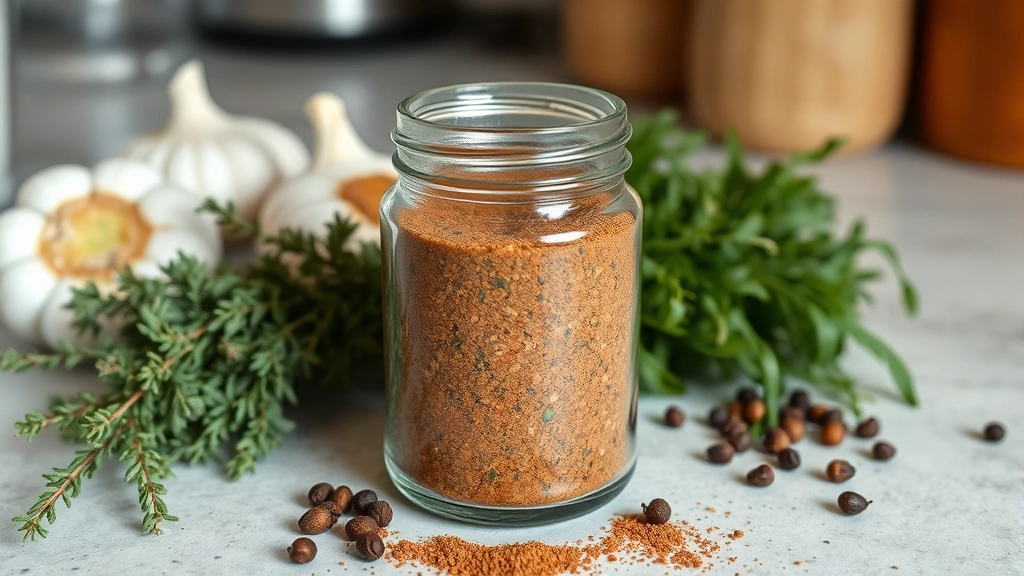
Beyond simple ingredient adjustments, you can create specialized blends for specific purposes. A Cajun recipe card collection might include one blend optimized for seafood (with slightly less heat), another for poultry (with extra garlic), and another for vegetarian cooking (emphasizing herbs). This approach ensures every dish receives ideally balanced seasoning.
Professional chefs often maintain multiple versions of their foundational spice blends, each tweaked for particular ingredients or cooking methods. Home cooks can adopt this practice by preparing small batches of specialized variations and clearly labeling each container. This requires minimal additional effort but dramatically improves consistency across your cooking.
The beauty of making your own Cajun spice blend lies in this flexibility. Unlike commercial versions locked into fixed formulations, your homemade blend evolves to match your preferences and needs. Over time, you’ll discover subtle adjustments that make your cooking distinctly personal while maintaining authentic Cajun character.
FAQ
Can I substitute dried herbs with fresh herbs in my Cajun spice blend?
Fresh herbs contain significantly more moisture than dried versions, which prevents them from blending properly and causes the mixture to clump and spoil quickly. However, you can certainly add fresh herbs directly to dishes while cooking. Use approximately three times the amount of fresh herbs as dried (one tablespoon dried equals three tablespoons fresh). Add fresh herbs near the end of cooking to preserve their bright flavor.
How much Cajun spice blend should I use per serving?
For most applications, use one-half to one teaspoon of blend per protein serving, adjusted based on the dish’s other components. When seasoning vegetables, use slightly less—about one-quarter teaspoon per serving. Start conservatively and taste frequently; you can always add more seasoning, but removing excess is impossible. Individual heat tolerance varies significantly, so adjust cayenne content to suit your preferences.
Is there a difference between Cajun spice and Creole spice?
While the terms are often used interchangeably, subtle differences exist. Cajun seasoning traditionally emphasizes heat and bold flavors, reflecting rural Louisiana cooking traditions. Creole blends often include additional ingredients like file powder (ground sassafras), red pepper flakes, and sometimes garlic salt. Both are delicious; the choice depends on which flavor profile appeals to you. Many cooks maintain both versions for versatility.
Can I make this blend in larger quantities for long-term storage?
Yes, you can double or triple the recipe, though avoid making more than you’ll use within six months. Larger batches risk flavor degradation before you finish them. Consider making fresh batches quarterly rather than storing massive quantities. This approach ensures peak freshness and allows you to adjust proportions based on seasonal availability of quality spices.
What’s the best way to use this blend if I’m trying to watch my salt intake?
Prepare the no-salt version of the blend and store it separately. Use it freely in your cooking, then add salt to taste at the table or during final cooking stages. This approach gives you full control over sodium content while maintaining authentic Cajun flavors. Alternatively, reduce the salt in the blend to one teaspoon, which significantly cuts sodium while maintaining adequate seasoning.
Can I use this blend in sweet applications?
Absolutely. A tiny pinch of Cajun spice in chocolate desserts or spiced cakes adds intriguing depth without obvious savory notes. The cayenne heat complements chocolate beautifully, while the paprika adds subtle smokiness. Start with a very small amount—one-eighth teaspoon in an entire cake batter—and adjust to taste. This unconventional application creates memorable, sophisticated desserts that surprise and delight.
Where can I find quality spices for blending?
Specialty spice shops offer superior quality compared to grocery store versions, though they cost more. Consider sourcing from dedicated spice retailers that specialize in fresh, high-quality ingredients. International markets often carry excellent paprika and other Cajun essentials at reasonable prices. Regardless of source, prioritize freshness—buy from vendors with good turnover and store spices properly once home.
How can I tell if my spice blend has gone bad?
Expired spices rarely become unsafe, but they lose potency and flavor. If your blend smells weak, dusty, or off in any way, it’s time for a fresh batch. Color changes also indicate aging—vibrant red paprika that fades to brown has likely lost significant flavor. When you taste a pinch and feel underwhelmed by the flavor intensity, that’s your signal to prepare a new batch.


