Ultimate Chef Salad Recipe: Expert-Approved Guide to Restaurant-Quality Results
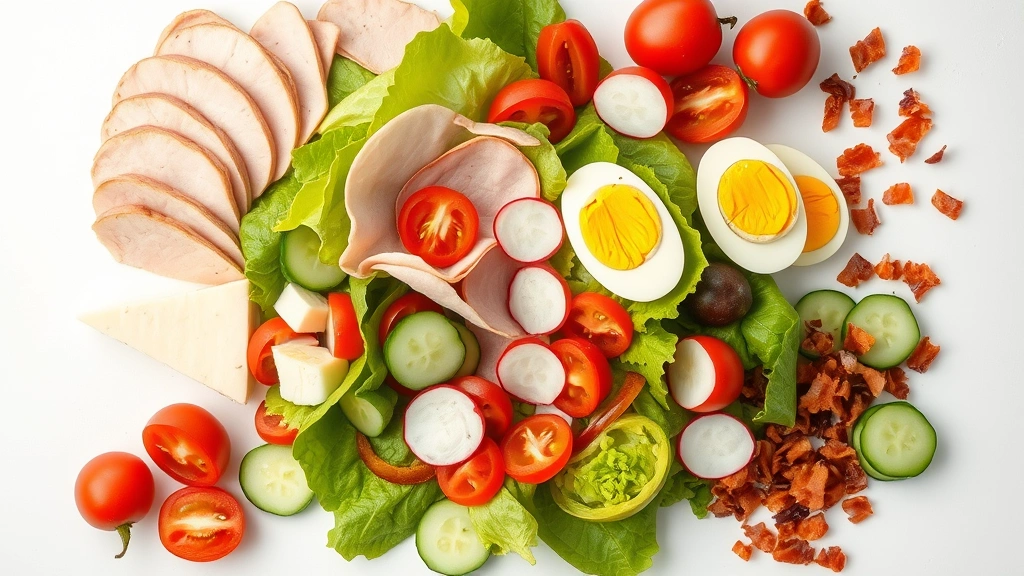
The chef salad represents the pinnacle of composed salads—a carefully orchestrated arrangement of premium ingredients that transforms simple components into an elegant, satisfying meal. Unlike tossed salads where ingredients mingle freely, a proper chef salad showcases each element distinctly, allowing diners to appreciate quality meats, cheeses, vegetables, and dressing as individual players in a culinary symphony. This timeless dish has graced fine dining establishments and casual restaurants for nearly a century, yet many home cooks struggle to replicate its sophisticated presentation and balanced flavors.
What separates an exceptional chef salad from a mediocre one lies in ingredient selection, proper technique, and understanding the principles that make composed salads work. Professional chefs know that temperature contrast, textural variety, and color balance elevate this dish from ordinary to extraordinary. Whether you’re preparing lunch for yourself or impressing dinner guests, mastering the chef salad recipe opens doors to creating restaurant-quality meals at home. This comprehensive guide walks you through every step, from ingredient preparation to plating strategies that showcase your culinary finesse.
Choosing Premium Ingredients for Chef Salad Success
The foundation of an outstanding chef salad begins with ingredient quality. Unlike casual tossed salads where components can hide flaws, composed salads demand excellence in every element. Professional chefs spend considerable time sourcing premium products because each ingredient stands alone on the plate, visible and evaluated independently.
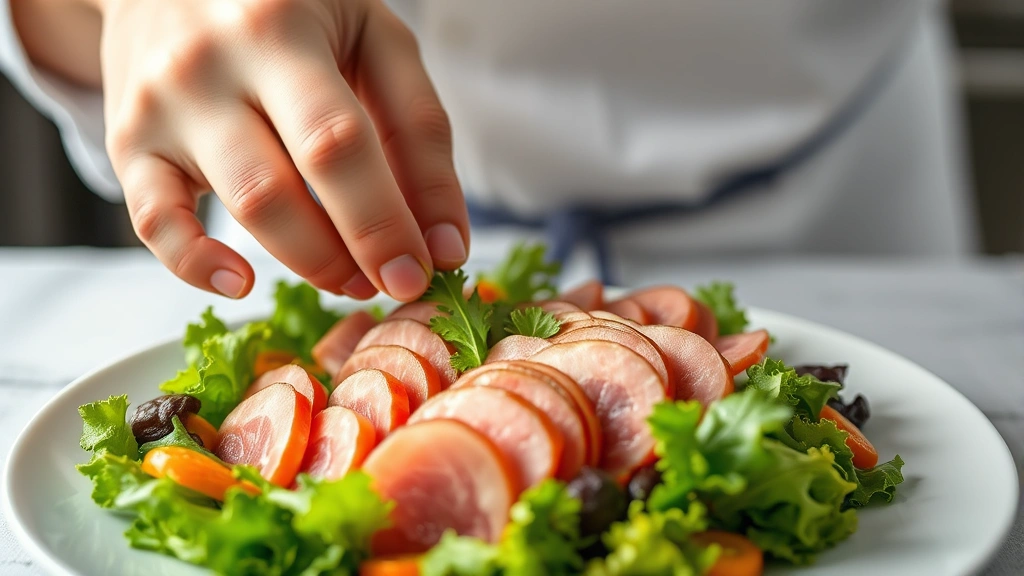
Start with proteins that represent quality cuts: hand-sliced deli turkey or roasted chicken breast rather than processed alternatives, quality ham from a reputable butcher, and genuine Swiss cheese (not the pre-sliced variety). The difference between supermarket deli meats and specialty butcher selections proves immediately apparent when arranged on a composed salad. Premium proteins maintain better texture, deliver superior flavor, and present more attractively on the plate.
Vegetables must be impeccably fresh with no signs of wilting, browning, or deterioration. Visit farmers markets or specialty grocers where produce turnover ensures peak freshness. Hard vegetables like cucumbers, bell peppers, and radishes should feel crisp and firm. Tomatoes should be vine-ripened or heirloom varieties that deliver genuine tomato flavor—pale, mealy supermarket tomatoes compromise the entire dish. Consider incorporating fresh slaw elements for textural contrast.
Eggs deserve particular attention in chef salad construction. Hard-boiled eggs provide protein and visual appeal, but overcooking creates that undesirable gray-green ring around the yolk. Perfect hard-boiled eggs require precise timing: bring water to boil, add eggs, simmer exactly twelve minutes, then ice bath immediately. This technique ensures bright yellow yolks and creamy texture.
Essential Proteins: Meats and Preparation Methods
Protein selection distinguishes restaurant-quality chef salads from casual versions. Rather than relying solely on deli counter staples, professional chefs often prepare proteins from scratch, controlling flavor, texture, and presentation.
Roasted Chicken Breast offers superior flavor compared to store-bought rotisserie options. Season boneless, skinless breasts with salt, pepper, and herbs, then roast at 375°F until internal temperature reaches 165°F (approximately 20-25 minutes). Allow cooling before slicing into neat strips. The advantage of home-roasted chicken lies in controlling sodium levels and achieving perfect doneness—dry edges and undercooked centers plague many pre-made options.
Premium Deli Turkey should be requested fresh-sliced from the butcher counter, never pre-packaged. Ask for hand-sliced thickness (approximately 1/8 inch) rather than machine-sliced tissue-thin versions. Quality matters tremendously—seek brands using whole turkey breast without excessive additives. Roll slices loosely and arrange in artistic folds across your salad base.
Quality Ham completes the traditional protein trio. Virginia ham or similar premium varieties deliver superior flavor to generic deli ham. Slice slightly thicker than turkey—about 1/4 inch—and cut into neat rectangles or julienne strips. Some chefs dice ham finely and scatter across the salad for different textural and visual effects.
Bacon Crumbles add textural contrast and savory depth. Cook bacon until crispy, drain thoroughly on paper towels, and crumble into bite-sized pieces. Alternatively, purchase quality bacon bits, though freshly cooked versions deliver superior flavor and texture. Bacon shouldn’t dominate the salad but rather provide occasional textural surprise.
Hard-Boiled Eggs function as both protein and visual element. Slice eggs lengthwise to showcase the bright yolk, or quarter them for scattered arrangement. Some chefs separate yolks and whites for dramatic color contrast—white crescents alternate with golden yolk pieces across the salad.
Vegetable Selection and Prep Techniques
Vegetable preparation distinguishes composed salads from casual tossed versions. Rather than roughly chopping ingredients, professional chefs employ knife skills to create uniform, visually appealing cuts that showcase technique and attention to detail.
Lettuce Foundation requires careful selection and handling. Iceberg lettuce provides traditional crunch and pale color, but consider mixing with butter lettuce, romaine, or mixed greens for flavor complexity. Wash leaves thoroughly, spin dry completely (wet lettuce dilutes dressing and appears sloppy), and arrange in a neat base that supports other ingredients. Some chefs blanch lettuce briefly in ice water to maximize crispness.
Tomatoes should be sliced into neat wedges or rounds, depending on your plating vision. Remove excess seeds and juice to prevent sogginess—place slices on paper towels briefly before arranging. Heirloom varieties offer superior flavor but less structural integrity than standard tomatoes. Vine-ripened tomatoes provide the best balance of flavor and presentation.
Cucumbers benefit from specific cutting techniques. Peel lengthwise, leaving thin strips of skin for visual interest and nutrition. Slice into half-moons or julienne into thin sticks. Some chefs scoop out seeds for more delicate presentation. Cucumber preparation should occur shortly before serving to maintain crispness.
Bell Peppers add color and sweetness. Slice into thin rings or julienne into neat matchsticks. Red, yellow, and orange peppers offer superior sweetness and visual appeal compared to green varieties, though green peppers provide traditional flavor. Remove all white pith carefully for clean presentation.
Radishes provide peppery crunch and dramatic color. Slice thinly on a mandoline for uniform appearance, or cut into thin matchsticks. Some chefs create radish roses by slicing very thin, then rolling and securing with toothpicks for elegant presentation.
Cheese Selection completes the vegetable component. Swiss cheese provides traditional holes and mild flavor, but consider sharp cheddar, aged gouda, or quality blue cheese for flavor variation. Slice cheese into neat rectangles or cut into small cubes. Pre-sliced cheese often has undesirable texture—request hand-sliced cheese from the counter.
Creating the Perfect Salad Base
The salad base determines whether ingredients stay properly positioned or slide chaotically across the plate. Professional chefs understand that fresh herb preservation enhances presentation, and base preparation sets the foundation for success.
Begin with chilled plates—room-temperature plates warm salad ingredients and wilt greens. Refrigerate plates at least thirty minutes before service. Arrange lettuce leaves in a neat pattern, slightly overlapping, creating a bed approximately 1/2 inch thick. Some chefs tear lettuce into large pieces, while others maintain whole leaves for dramatic effect.
Lightly dress the base lettuce with vinaigrette—approximately one tablespoon per salad. This step seasons the foundation without over-dressing the entire composition. Use your hands to gently distribute dressing, ensuring even coating. This technique prevents pooling and ensures proper flavor distribution.
Pat dry any excess dressing with paper towels before arranging proteins and vegetables. Moisture management proves critical in composed salads—excess liquid creates unappealing appearance and soggy greens. Some professionals use a spray bottle to mist lettuce lightly before final plating, maintaining visual appeal without introducing excess moisture.
Dressing Fundamentals and Flavor Profiles
Dressing elevates chef salad from simple assembled vegetables to cohesive, flavorful dish. Rather than drowning ingredients, composed salads employ strategic dressing placement—some vegetables receive light coating while others remain relatively dry.
Classic French Vinaigrette remains the traditional choice for chef salads. Combine three parts quality olive oil with one part acid (red wine vinegar or sherry vinegar), one teaspoon Dijon mustard, minced garlic, salt, and pepper. Whisk thoroughly until emulsified. The mustard acts as emulsifier, creating stable dressing that clings to ingredients rather than sliding off.
Creamy Dressings offer richness and cling effectively to composed ingredients. Ranch dressing, blue cheese dressing, or creamy herb dressings provide luxurious mouthfeel. Make these from scratch by combining mayonnaise with buttermilk or sour cream, fresh herbs, and seasonings. Store-bought versions often contain excessive sodium and stabilizers—homemade options taste superior and contain recognizable ingredients.
Specialty Options expand flavor possibilities. Consider remoulade sauce for Southern-inspired variation, or create Asian-influenced versions using sesame oil, rice vinegar, and ginger. Experiment with vinegars—balsamic, apple cider, or champagne vinegar each impart distinct flavor profiles.
Dressing application technique matters tremendously. Rather than pouring dressing directly onto salad, professional chefs drizzle it strategically across components. Proteins receive minimal dressing to avoid greasiness, while crisp vegetables benefit from slightly more generous coating. Serve additional dressing on the side, allowing diners to adjust seasoning to preference.
Assembly and Plating Like a Professional
Professional plating transforms simple ingredients into restaurant-quality presentations. Rather than random arrangement, composed salads follow specific principles that guide the eye and enhance dining experience.
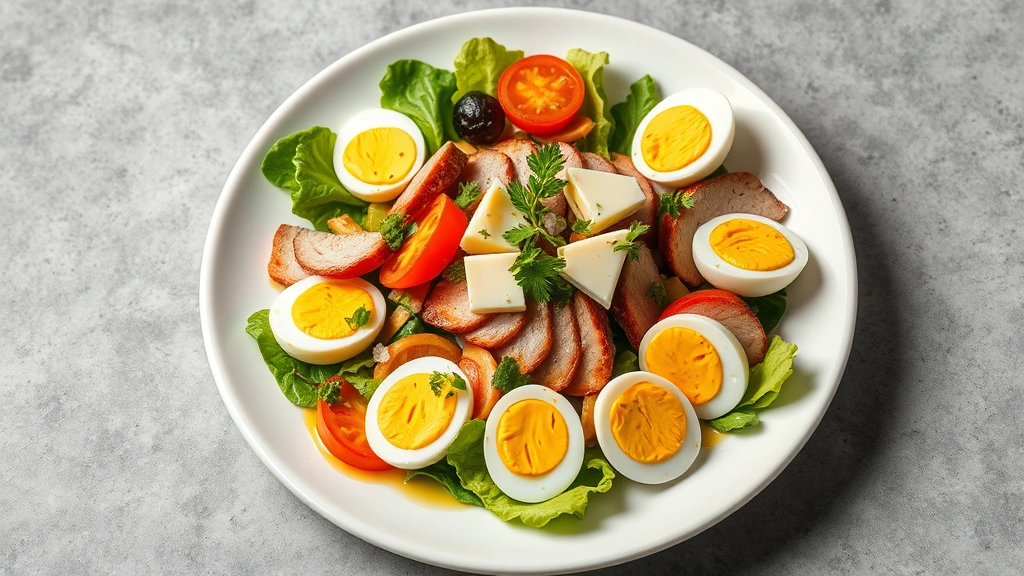
The Classic Arrangement positions proteins in neat rows or sections. Arrange turkey slices in slightly overlapping folds along one section, ham in another, and bacon crumbles in a third. This organization allows diners to appreciate each protein individually while creating visual structure. Hard-boiled egg quarters or slices occupy their own designated area, creating color contrast.
Vegetable Placement fills remaining spaces strategically. Tomato slices might form a line across the center, cucumber slices create another line adjacent, and radish slices complete the pattern. This linear arrangement creates visual movement and makes the salad appear intentional rather than haphazardly assembled. Consider color distribution—avoid clustering all red items together or all green items in one area.
Height and Dimension elevate presentation from flat to impressive. Stack some ingredients rather than laying them flat—prop tomato wedges at angles, stand cheese slices upright, and create small mounds of ingredients. This three-dimensional approach catches light differently and creates more visually interesting composition.
Negative Space proves as important as filled areas. Resist the urge to cover every inch of the plate. Strategic empty space draws attention to carefully arranged components and prevents cluttered appearance. Professional presentations typically cover 60-70% of the plate, leaving 30-40% as breathing room.
Garnishing Touches complete the presentation. Fresh herbs—parsley, chives, or dill—scattered across the salad add color and freshness. Edible flowers provide elegant touches for special occasions. Some chefs create herb oil by blending fresh herbs with neutral oil, then drizzling decoratively across the plate.
Plating sequence matters for efficiency and quality. Arrange proteins first while they’re at proper temperature, then add vegetables immediately before service. This timing prevents vegetables from releasing excess moisture and maintains optimal texture and appearance.
Storage Tips and Make-Ahead Strategies
Chef salad preparation lends itself to strategic make-ahead work without compromising quality. Understanding which components tolerate advance preparation and which require last-minute assembly ensures optimal results.
Proteins can be prepared 1-2 days ahead. Roast chicken, slice deli meats, cook bacon, and hard-boil eggs up to two days in advance. Store in airtight containers, keeping each protein separate to prevent flavor transfer. Allow cold proteins to reach optimal temperature before service—remove from refrigeration approximately 15 minutes before plating.
Vegetables benefit from preparation 4-8 hours ahead, depending on variety. Cut harder vegetables like cucumbers, peppers, and radishes several hours before service. Store in sealed containers with paper towels to absorb excess moisture. Tender vegetables like tomatoes should be cut closer to service time—approximately one hour before plating prevents excessive moisture release.
Lettuce requires fresh washing and thorough drying. Prepare 2-3 hours before service, storing in sealed containers lined with paper towels. Properly dried lettuce maintains crispness for several hours. Never prepare lettuce more than one day in advance, as leaves deteriorate rapidly once cut.
Dressing keeps refrigerated for up to one week. Prepare vinaigrettes 1-2 days ahead, allowing flavors to meld. Creamy dressings last approximately five days but may separate—shake or whisk thoroughly before use. Remove dressing from refrigeration approximately 15 minutes before service, allowing flavors to brighten and texture to normalize.
Plating Strategy determines final quality. Assemble composed salads immediately before service—ideally no more than 5-10 minutes prior to eating. This timing ensures crisp vegetables haven’t absorbed moisture, proteins remain at proper temperature, and overall presentation appears fresh and intentional. For dinner parties, plate salads in sequence as guests arrive, maintaining quality for early arrivals while finishing preparations for latecomers.
If preparing multiple salads simultaneously, arrange all components on a work surface in assembly-line fashion. Plate lettuce base for all salads first, then systematically add proteins, vegetables, and garnishes. This approach maintains consistency and efficiency while ensuring quality.
FAQ
What’s the difference between a chef salad and a Cobb salad?
Chef salads feature arranged proteins and vegetables on a lettuce base with light dressing on the side. Cobb salads typically include bacon, avocado, blue cheese, eggs, and tomatoes, often tossed together rather than composed. Cobb salads originated in Hollywood and emphasize specific ingredient combinations, while chef salads offer more flexibility in protein and vegetable selection. Both are hearty, protein-rich salads suitable as complete meals.
Can I prepare chef salad the night before?
Partial preparation works well, but final assembly should occur shortly before service. Prepare proteins, chop vegetables, and make dressing the day ahead, storing components separately in airtight containers. Assemble the salad no more than 2-3 hours before serving to maintain vegetable crispness and optimal presentation. Dressed lettuce wilts quickly, so avoid combining components until just before eating.
What’s the best dressing for chef salad?
Classic French vinaigrette remains the traditional choice, offering balanced acidity and richness without overpowering delicate proteins. Creamy dressings like ranch or blue cheese provide luxurious alternatives. Ultimately, dressing choice depends on personal preference and protein selection. Serve dressing on the side, allowing diners to adjust seasoning. Avoid heavy dressings that mask ingredient quality.
How do I prevent my salad from becoming soggy?
Moisture management proves critical. Wash and thoroughly dry all vegetables, patting with paper towels immediately before assembly. Dress lettuce base lightly, then add other components shortly before serving. Avoid cutting tomatoes more than one hour ahead—they release water continuously. Store assembled salads in refrigerator no longer than 15 minutes before serving. Use chilled plates to maintain ingredient temperature and texture.
What proteins work best in chef salad?
Traditional chef salads feature turkey, ham, and bacon—a combination offering flavor variety and textural contrast. However, proteins offer flexibility based on preference. Roasted chicken, smoked salmon, grilled shrimp, or hard-boiled eggs provide excellent alternatives. For vegetarian versions, substitute with cheese varieties, nuts, legumes, or tofu. Ensure proteins are high-quality—their prominence on composed salads makes ingredient quality immediately apparent.
Can I make chef salad gluten-free?
Absolutely. Chef salad is naturally gluten-free when using quality proteins, fresh vegetables, and appropriate dressing. Verify that deli meats contain no gluten fillers, check dressing ingredients (some commercial versions contain gluten), and ensure bacon hasn’t absorbed gluten during processing. Make dressing from scratch using certified gluten-free ingredients for complete control. The salad’s flexibility makes accommodating dietary restrictions straightforward.
How many calories are in a typical chef salad?
Calorie content varies based on portion size, protein selection, and dressing amount. A standard composed chef salad with 2-3 ounces each of turkey, ham, and cheese, vegetables, and two tablespoons vinaigrette typically contains 400-500 calories. Creamy dressings increase calorie content to 500-700 calories. Add bacon and eggs for additional 100-150 calories. Serve dressing on the side to control calorie intake while maintaining flavor.


