Authentic Chicken Mole Recipe: A Mexican Tradition
Chicken mole represents one of Mexico’s most sophisticated and revered culinary traditions, a dish that transforms simple ingredients into a complex, deeply flavorful masterpiece. The word “mole” comes from the Nahuatl word “molli,” meaning sauce, yet this description barely captures the intricate layers of flavor that develop through patient cooking and careful ingredient selection. This authentic chicken mole recipe honors generations of Mexican cooking expertise, combining chocolate, chilies, spices, and other components into a sauce that is simultaneously rich, slightly sweet, and profoundly savory.
What makes chicken mole so special is its historical significance and the cultural pride surrounding its preparation. In Mexico, mole is reserved for celebrations, family gatherings, and special occasions—it is never considered everyday food. The sauce itself can take hours to prepare, with some traditional recipes requiring the toasting, grinding, and blending of twenty or more ingredients. When you prepare authentic chicken mole at home, you are participating in a culinary tradition that dates back centuries to pre-Columbian times, blending indigenous ingredients with Spanish influences that arrived during the colonial period.
History and Cultural Significance
Mole’s origins trace back to Oaxaca, a southern Mexican state renowned for its culinary heritage and indigenous traditions. Archaeological evidence and historical records suggest that early versions of mole existed before Spanish conquest, utilizing native chilies, cacao, and local spices ground together with stone tools. The arrival of Spanish conquistadors introduced new ingredients like almonds, cinnamon, and cloves, which were incorporated into existing recipes, creating the complex flavor profiles we recognize today.
In Mexican culture, mole holds spiritual and social significance beyond mere sustenance. The preparation of mole for weddings, religious festivals, and family celebrations requires dedication and skill passed down through generations. Many families guard their mole recipes jealously, with each household developing its own distinctive version. Some regional variations include mole negro (black mole from Oaxaca), mole rojo (red mole), mole poblano (from Puebla), and mole amarillo (yellow mole). The color and flavor intensity depend on the types and quantities of chilies used and the cooking time.
Understanding this cultural context helps explain why authentic chicken mole recipes require patience and respect for traditional methods. This is not a quick weeknight dinner but rather a labor of love that connects cooks to centuries of Mexican culinary wisdom. When you choose to make nutritious and delicious meals like authentic mole, you’re celebrating cultural heritage through food.
Essential Ingredients Guide
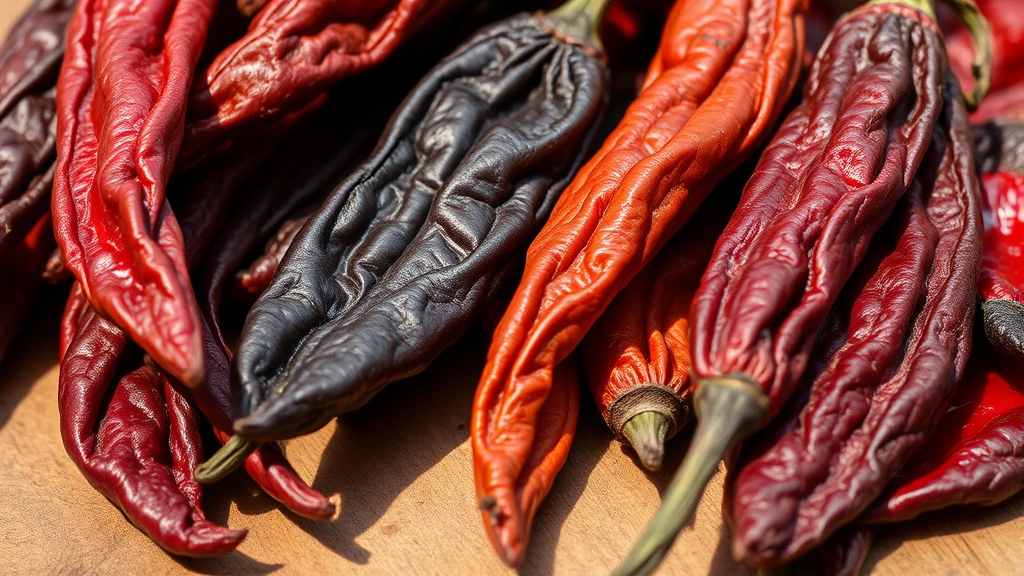
Creating authentic chicken mole begins with assembling quality ingredients, many of which may require a trip to specialty Mexican markets or online retailers. The foundation of any mole sauce consists of dried chilies, which provide the characteristic color, heat level, and depth of flavor. For a traditional mole poblano, you’ll typically use a combination of ancho chilies, pasilla chilies, and mulato chilies, each contributing different flavor notes.
Dried Chilies: Ancho chilies are relatively mild with fruity undertones, pasilla chilies offer chocolate-like notes, and mulato chilies provide deep, smoky flavors. These should be sourced from reputable suppliers, as quality varies significantly. Look for chilies that are pliable and fragrant, not brittle or dusty. A trusted source for learning about ingredient quality is the Culinary Institute of America, which provides extensive resources on ingredient selection and sourcing.
Chocolate: Mexican chocolate is essential to authentic mole recipes. This ingredient is not meant to make the dish sweet but rather to add depth, richness, and subtle complexity. Traditional Mexican chocolate contains cacao, sugar, and often almonds or cinnamon. You can find Mexican chocolate tablets at specialty stores or make your own by grinding quality dark chocolate with a small amount of sugar and cinnamon. The chocolate should comprise about 2-3 ounces in a standard mole recipe for a chicken dinner serving 6-8 people.
Nuts and Seeds: Almonds, peanuts, and sesame seeds contribute body and richness to the sauce. These ingredients are typically toasted before grinding to enhance their flavors. Raw nuts can taste flat and slightly bitter, while properly toasted nuts develop deep, nutty notes that enhance the overall complexity of the mole.
Spices and Aromatics: Cinnamon, cloves, black peppercorns, cumin seeds, and coriander seeds form the spice backbone of mole. These should be whole seeds and sticks, not pre-ground, as they will be toasted and ground fresh. Garlic, onions, and tomatoes (either fresh or canned) add savory depth. Raisins or dried fruit contribute subtle sweetness that balances the heat and spice.
Stock and Broth: Chicken stock forms the liquid base of your mole sauce. Homemade stock is preferable, though high-quality store-bought options work well. The stock should be flavorful and unsalted, allowing you to control the seasoning throughout cooking. You’ll need approximately 2-3 cups of stock for a standard mole recipe.
Oil: Use good-quality vegetable oil or lard for cooking. Traditional Mexican cooks often prefer lard for its superior flavor, though vegetable oil works perfectly well for home cooks avoiding animal fats.
Step-by-Step Preparation
The preparation of authentic chicken mole sauce requires patience and attention to detail. Unlike quick sauces, mole develops its complex flavors through layering techniques and extended cooking times. Here’s how to create a traditional mole sauce from scratch.
Step 1: Prepare the Dried Chilies
Begin by removing the stems and seeds from your dried chilies. Place them on a hot comal (griddle) or cast-iron skillet for just 15-30 seconds per side—this toasting step is crucial and requires attention, as over-toasting makes chilies bitter. You should smell the aroma release without seeing smoke. Next, soak the toasted chilies in hot water (about 2 cups) for 10-15 minutes until they become soft and pliable. This soaking liquid becomes part of your sauce, so reserve it.
Step 2: Toast Spices and Seeds
In a separate dry skillet over medium heat, toast your whole spices: cinnamon stick, cloves, black peppercorns, cumin seeds, and coriander seeds. Toast for just 1-2 minutes, stirring constantly, until fragrant. Be careful not to burn them. Transfer to a molcajete (traditional Mexican mortar) or spice grinder and grind to a fine powder. This fresh-ground spice blend provides incomparably better flavor than pre-ground alternatives.
Step 3: Toast Nuts and Seeds
Toast almonds and sesame seeds (reserving some sesame seeds for garnish) in a dry skillet for 2-3 minutes, stirring frequently. The nuts should become fragrant and slightly darker but not burnt. Set aside to cool, then grind into a fine powder using your spice grinder or molcajete.
Step 4: Prepare Aromatics
Dice one large onion and mince 4-5 garlic cloves. If using fresh tomatoes, char them lightly on a hot skillet; if using canned tomatoes, simply measure out about 1 cup. Soak 1/3 cup raisins in warm water for 5 minutes to plump them up.
Step 5: Build the Sauce Base
Heat 3 tablespoons of oil in a large, heavy-bottomed pot or Dutch oven over medium heat. Add the diced onion and cook until softened and translucent, about 5 minutes. Add the minced garlic and cook for another minute until fragrant. Add the tomatoes and cook for 3-4 minutes, stirring occasionally, allowing the flavors to meld.
Step 6: Combine Ingredients
Drain your soaked chilies and add them to the pot along with the ground spices, ground nuts, raisins, and 2-3 ounces of Mexican chocolate. Stir well to combine all ingredients. Add your reserved chili soaking liquid and 2-3 cups of chicken stock. The mixture should have a sauce-like consistency—not too thick, not too thin.
Step 7: Simmer and Develop Flavor
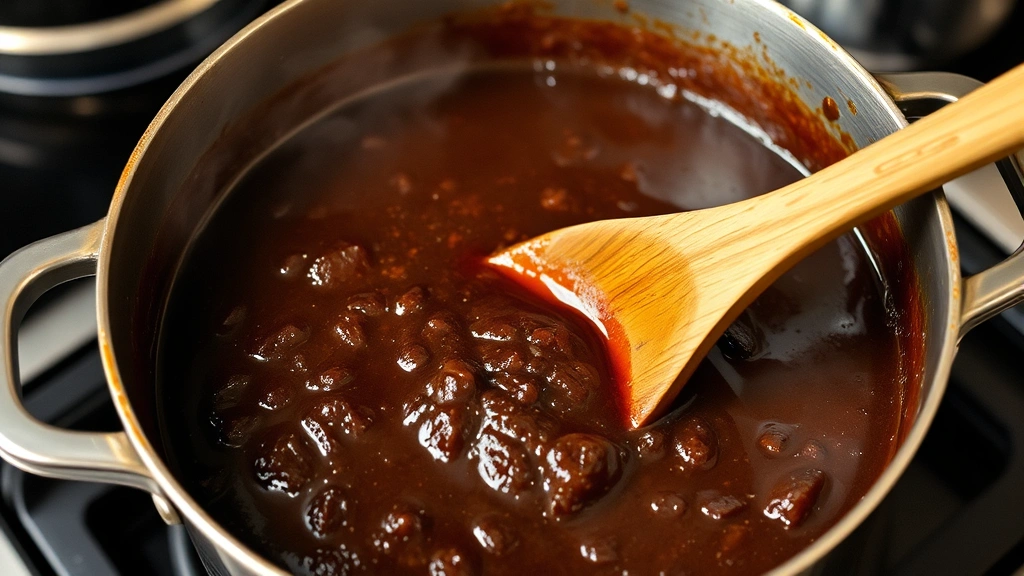
Bring the mixture to a gentle simmer over medium-low heat. Simmer uncovered for 45-60 minutes, stirring occasionally. The sauce will darken and thicken as it cooks. The flavors will meld and deepen significantly during this time. If the sauce becomes too thick, add more stock; if it’s too thin, continue simmering. The finished sauce should coat the back of a spoon but still flow easily.
Step 8: Strain for Smoothness
For a silky-smooth traditional mole, strain the sauce through a fine-mesh sieve, pressing gently on solids with the back of a spoon. This step is optional—some families prefer a slightly textured sauce—but traditional restaurant-quality mole is always strained. If using a blender for a smoother consistency, blend the sauce in batches, being careful with hot liquids, then strain if desired.
Step 9: Season and Adjust
Taste your mole sauce carefully. Season with salt to your preference—start conservatively with 1/2 teaspoon and add more as needed. The sauce should be well-balanced: you should taste the complexity of spices, the slight sweetness from chocolate and fruit, the depth of chilies, and the richness of nuts. If it seems too spicy, add a touch more chocolate or stock. If it lacks depth, simmer for an additional 15-20 minutes.
Cooking the Chicken
While your mole sauce develops its complex flavors, prepare the chicken. For authentic chicken mole, use bone-in, skin-on chicken pieces—thighs, drumsticks, and breasts. The bones contribute flavor to the dish and keep the meat moist during cooking. You’ll need approximately 3-4 pounds of chicken pieces for serving 6-8 people.
Poaching Method (Traditional): In a large pot, bring 8 cups of water to a boil with 1 onion (quartered), 3-4 garlic cloves, 1 teaspoon salt, and a few black peppercorns. Add the chicken pieces and return to a boil. Reduce heat and simmer for 20-25 minutes until the chicken is cooked through but still tender. Remove chicken and set aside, reserving the cooking liquid (this can be used as your sauce stock). This method is traditional and results in tender, flavorful chicken.
Alternative Roasting Method: Pat chicken pieces dry and season with salt and pepper. Roast at 400°F for 25-30 minutes until cooked through. This method adds a slight browning that some cooks prefer.
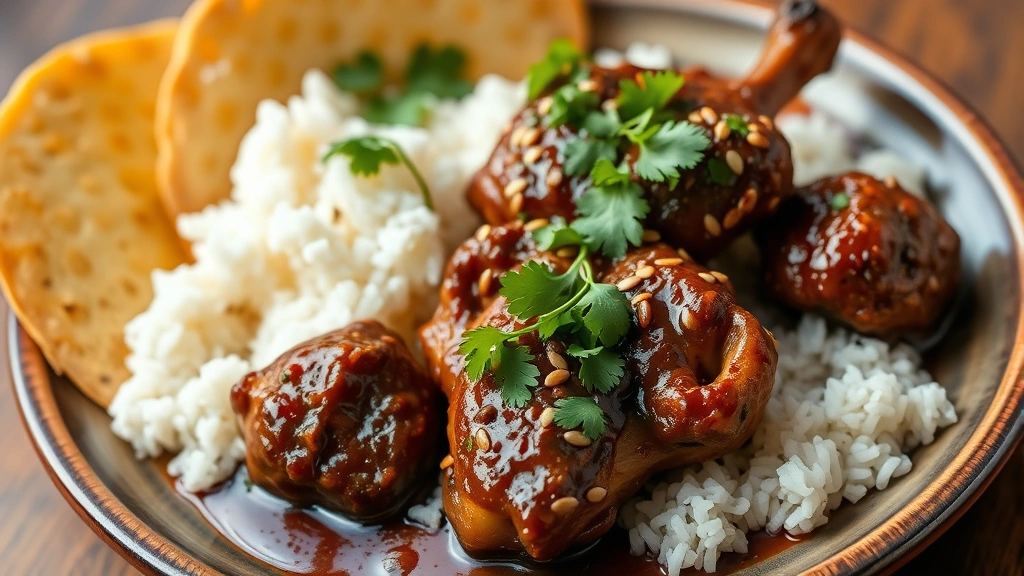
Finishing the Dish: Transfer your cooked chicken to a large serving platter or shallow baking dish. Pour the warm mole sauce over the chicken, ensuring each piece is well coated. If making this ahead, you can assemble the dish earlier in the day and reheat gently in a 325°F oven for 20-30 minutes before serving.
Traditional Serving Methods
Authentic chicken mole is traditionally served with carefully chosen accompaniments that complement the rich, complex sauce. Understanding traditional serving methods enhances the dining experience and honors the dish’s cultural heritage.
Rice and Tortillas: Serve chicken mole with Mexican rice (arroz rojo) and warm corn tortillas. The mild rice provides a neutral base that lets the mole sauce shine, while tortillas allow diners to wrap pieces of chicken and sauce together. Some families prefer white rice cooked in chicken broth for additional flavor.
Garnishes: Traditional garnishes include toasted sesame seeds sprinkled over the top, fresh cilantro leaves, and thin slices of white onion. These garnishes add textural contrast and fresh flavors that balance the richness of the sauce. A lime wedge served on the side allows guests to add brightness if desired.
Beverage Pairings: In Mexico, mole is often served with agua fresca (a light fruit beverage) or Mexican hot chocolate. For wine pairings, a medium-bodied red wine with good acidity, such as a Pinot Noir or a Mexican wine, complements the complex flavors without overwhelming the palate. Beer, particularly Mexican lagers or amber ales, also pairs beautifully with mole.
Occasion and Presentation: Chicken mole is served on special occasions, often as the centerpiece of a celebratory meal. Presentation matters—the dish should be arranged attractively on a serving platter with sauce generously coating the chicken. Family-style service, where guests serve themselves from a communal platter, is traditional and encourages sharing and conversation.
Pro Tips and Variations
Make-Ahead Advantage: One significant advantage of chicken mole is that the sauce actually improves when made a day or two ahead. The flavors continue to meld and deepen. You can prepare the mole sauce up to 4 days in advance, store it in an airtight container in the refrigerator, and reheat gently before serving with freshly cooked chicken.
Freezing the Sauce: Mole sauce freezes exceptionally well for up to 3 months. Portion it into freezer containers or ice cube trays for convenient future use. This makes it practical to prepare a large batch and enjoy chicken mole multiple times throughout the year.
Adjusting Heat Level: If you prefer milder mole, use fewer pasilla and mulato chilies and increase the proportion of ancho chilies. Conversely, for a spicier version, add a dried chipotle or small amount of cayenne pepper. Remember that the heat develops during cooking, so taste and adjust carefully.
Protein Variations: While chicken is traditional, you can apply mole sauce to turkey, pork, or even vegetables. Turkey mole is particularly popular, using similar preparation methods. For ground beef rice recipes, you could create a mole-inspired rice bowl by using the sauce as a topping.
Vegetarian Version: Create a vegetarian mole by omitting chicken and serving the sauce over roasted vegetables like zucchini, bell peppers, and mushrooms, or over cheese quesadillas. The sauce itself contains no animal products, making it naturally vegan-friendly.
Quality Ingredient Sourcing: Visit specialty Mexican markets or online retailers for authentic ingredients. Fresh, high-quality chilies make an enormous difference in the final result. Some excellent sources for learning about ingredient quality and traditional cooking methods include Serious Eats, which offers detailed ingredient guides and technique explanations.
Equipment Recommendations: A molcajete (traditional Mexican mortar and pestle) is ideal for grinding spices and nuts, as it preserves oils and flavors better than electric grinders. However, a spice grinder or food processor works perfectly well for home cooks. A Dutch oven or heavy-bottomed pot is essential for even heat distribution during the long simmering process.
Regional Variations to Explore: Oaxaca is renowned for its seven moles, each with distinct characteristics. Mole negro is the darkest and most complex, made with over twenty ingredients. Mole amarillo uses turmeric and is lighter and more delicate. Exploring these variations deepens your appreciation for the tradition and allows you to experiment with different flavor profiles. Resources like The Spruce Eats offer detailed explorations of regional Mexican cuisine.
Health Considerations: Mole sauce, despite its richness, contains numerous foods rich in antioxidants. Chilies contain capsaicin, which has anti-inflammatory properties. Cacao provides polyphenols, and nuts contribute healthy fats. When enjoyed in appropriate portions as part of a balanced meal with vegetables and grains, chicken mole can be part of a nutritious diet.
FAQ
How long does it take to make authentic chicken mole from scratch?
Authentic chicken mole typically requires 2-3 hours total time, with about 1.5 hours of active preparation (toasting, grinding, chopping) and 1-1.5 hours of simmering for the sauce to develop properly. The chicken cooking adds an additional 20-30 minutes. Many cooks prefer making the sauce a day ahead, which reduces the final day’s time commitment to just cooking and assembling the chicken.
Can I use store-bought mole paste instead of making it from scratch?
While quality mole pastes are available commercially, homemade mole offers superior flavor complexity and allows you to adjust ingredients to your preference. If time is limited, quality store-bought mole paste (brands like Doña María are well-regarded) provides a respectable alternative, though it won’t match the depth of homemade versions. You can enhance store-bought paste by simmering it with additional stock and adjusting seasonings.
What’s the difference between mole poblano and other regional moles?
Mole poblano, from Puebla, is perhaps the most well-known variety internationally and typically contains 15-20 ingredients including chocolate. Mole negro from Oaxaca is darker, more complex, and uses over twenty ingredients with less chocolate and more chilies. Mole rojo is lighter, spicier, and uses primarily red chilies. Mole amarillo uses turmeric for its golden color and is the lightest and most delicate version.
How should I store leftover mole sauce?
Store mole sauce in an airtight container in the refrigerator for up to 4 days. For longer storage, freeze in portions for up to 3 months. When reheating, warm gently over low heat, adding a little stock or water if it has thickened too much. Never boil mole, as high heat can damage the delicate flavors.
Is mole sauce supposed to be sweet?
Authentic mole should not taste primarily sweet, though it contains subtle sweetness from chocolate, raisins, and sometimes cinnamon. The sweetness should be balanced by spice heat, savory depth, and complexity. If your mole tastes too sweet, reduce the amount of chocolate or raisins in future batches, or add more savory elements like garlic and spices.
Can I make mole sauce without chocolate?
Chocolate is a traditional ingredient that adds richness and complexity, but some regional variations use less or omit it entirely. However, for authentic mole poblano, chocolate is essential. If you must omit it due to allergies, increase the amount of nuts and add a touch of coffee to provide similar depth, though the result will differ from traditional recipes.
What type of chicken works best for mole?
Bone-in, skin-on chicken pieces (thighs, drumsticks, and breasts) are traditional and preferred because bones contribute flavor and keep meat moist during cooking. Whole chicken cut into pieces also works well. Avoid boneless, skinless breasts, which tend to dry out and don’t contribute as much flavor to the finished dish.
How do I know when my mole sauce is done?
Your mole is ready when the flavors have melded into a cohesive, complex taste, the sauce coats the back of a spoon, and the raw chili flavor has mellowed into deep, integrated notes. This typically takes 45-60 minutes of simmering. The sauce should be aromatic and rich-smelling, with no harsh or raw flavors remaining. Taste frequently during the last 20 minutes to determine doneness.
Can I use a food processor to make mole instead of grinding by hand?
Yes, a food processor is a practical modern alternative to traditional grinding methods. Process spices, nuts, and seeds in batches until finely ground. For the final sauce, you can blend it in a blender (in batches, being careful with hot liquids) for a smoother consistency. Traditional methods using a molcajete preserve more oils and nuanced flavors, but modern equipment produces excellent results.
Is mole traditionally served only at special occasions?
In Mexico, mole is traditionally reserved for celebrations, weddings, religious festivals, and important family gatherings. It’s considered special-occasion food due to the time and effort required to prepare it properly. However, home cooks are increasingly making mole more frequently, and there’s no reason you can’t enjoy this magnificent dish whenever you wish to honor it with the time and care it deserves.
Can I make mole in larger batches?
Absolutely. Mole recipes scale well—you can double or triple the ingredients to make enough sauce for freezing. A large batch actually develops better flavor, as the extended cooking time allows flavors to deepen more fully. Consider making a large batch during a weekend and freezing portions for future meals, making this time-intensive dish more practical for regular enjoyment.


