Delicious Deer Stew: Hunter-Approved Recipe for Game Meat Success
There’s nothing quite like coming home from a successful hunt and transforming your venison into a hearty, warming meal that celebrates the season’s bounty. Deer stew represents one of the most forgiving and delicious ways to prepare game meat, especially if you’re new to cooking with venison. The slow-cooking process tenderizes even tougher cuts, infuses rich flavors throughout, and creates a dish that’ll have your family asking for seconds. Whether you’re an experienced hunter or someone curious about deer meat recipes, this guide walks you through every step to create restaurant-quality results in your own kitchen.
Venison has a distinctive, slightly gamey flavor that many consider superior to beef—it’s leaner, more nutrient-dense, and carries notes of the wild landscape where the deer roamed. When prepared properly in a stew, these characteristics shine beautifully without overwhelming your palate. This recipe focuses on balancing those bold flavors with aromatic vegetables, herbs, and a rich broth that transforms humble ingredients into comfort food excellence.
Choosing the Right Venison Cuts
Not all venison cuts work equally well for stewing. The best choices come from tougher, more muscular parts of the animal that benefit from long, slow cooking. The front shoulder, neck, and hindquarters contain connective tissue and collagen that break down during extended heat, creating that signature silky texture and gelatinous mouthfeel stew lovers crave.
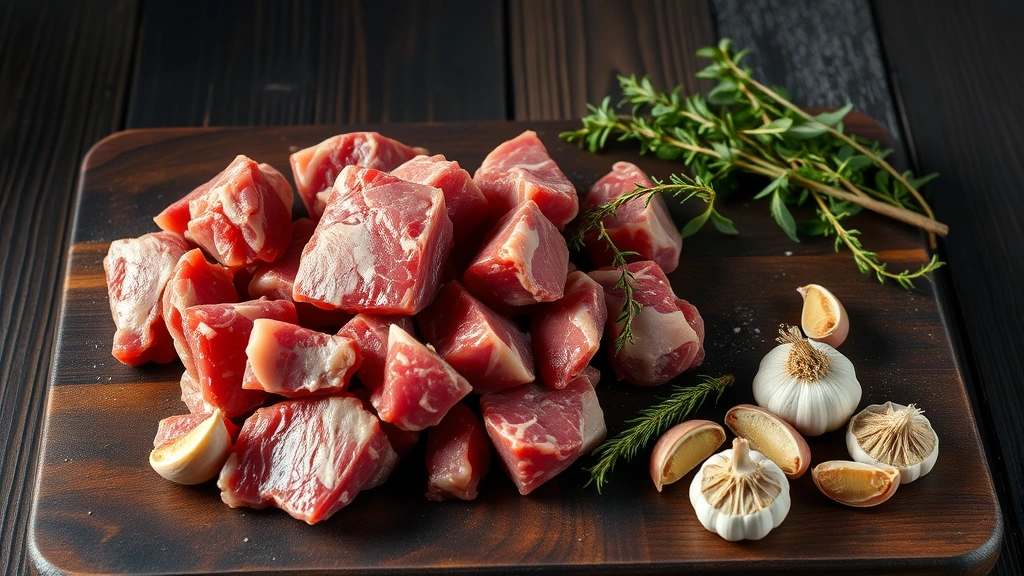
Avoid premium cuts like backstrap or tenderloin for stew—these are better suited for quick-cooking methods like grilling or pan-searing. Instead, focus on the chuck-like portions that have more marbling and fat content. If you’re purchasing pre-cut venison from a butcher or specialty meat supplier, ask specifically for stew meat or chuck cuts. The ideal pieces should be 1.5 to 2 inches in diameter, roughly uniform in size so they cook evenly.
Fresh venison is preferable to frozen, though frozen meat works fine if thawed properly in the refrigerator. When selecting frozen venison, look for packages without excessive ice crystals or freezer burn. The meat should be dark red with minimal discoloration. Store fresh venison in the coldest part of your refrigerator and use within 2-3 days, or freeze for up to 8 months.
Preparation and Meat Processing
Proper preparation separates mediocre venison stew from outstanding game meat dishes. Begin by trimming excess silver skin—the thin, tough connective tissue covering much of the muscle. Silver skin doesn’t break down sufficiently during cooking and creates an unpleasant texture. Use a sharp boning knife to slide underneath the membrane and carefully separate it from the meat, angling your blade slightly upward as you work.
Next, pat the venison completely dry with paper towels. Moisture is the enemy of proper browning—wet meat steams rather than sears, preventing the caramelization that builds deep, complex flavors. Don’t skip this step. Once dry, season generously with kosher salt and freshly ground black pepper at least 30 minutes before cooking, allowing the salt to penetrate the meat fibers and enhance moisture retention through osmosis.
Cut the meat into uniform pieces using a sharp knife or ask your butcher to do this for you. Consistent sizing ensures even cooking throughout the stew. Aim for roughly 1.5-inch cubes—large enough to remain substantial after long cooking, small enough to cook through properly. Any meat larger than 2 inches will remain tough in the center while the outside becomes stringy.
[IMAGE_1]
Essential Ingredients and Substitutions
Beyond the venison itself, quality ingredients make or break your stew. Here’s what you’ll need for a classic preparation serving 6-8 people:
- Venison stew meat: 3-4 pounds, cut into 1.5-inch pieces
- Beef broth: 4-6 cups (use low-sodium for better seasoning control)
- Red wine: 1.5-2 cups (optional but highly recommended for depth)
- Onions: 3 large yellow onions, rough-chopped
- Carrots: 1.5 pounds, cut into 1-inch chunks
- Potatoes: 1.5 pounds, cut into 1.5-inch cubes
- Garlic: 6-8 cloves, minced
- Tomato paste: 2 tablespoons
- Flour: 3-4 tablespoons (for dredging)
- Bay leaves: 3
- Fresh thyme: 4-5 sprigs
- Olive oil: 3-4 tablespoons
- Salt and pepper: to taste
For wine substitution, if alcohol isn’t your preference, use additional beef broth or a mixture of broth with balsamic vinegar (1 tablespoon per cup of liquid). The acidity and depth are what matter most. Apple cider vinegar works similarly well for achieving that complexity.
If fresh thyme is unavailable, dried thyme works—use one-third the amount since dried herbs concentrate flavors. Similarly, rosemary or oregano can replace some thyme, though thyme’s subtle earthiness pairs most naturally with venison. Fresh bay leaves are superior to dried, but dried work acceptably.
Step-by-Step Cooking Instructions
Step 1: Brown the Meat Properly
Heat 2 tablespoons of olive oil in a large, heavy-bottomed Dutch oven or stew pot over medium-high heat until it shimmers but doesn’t smoke. Working in batches to avoid crowding (this is crucial—crowded meat steams rather than browns), add the seasoned venison pieces. Leave them undisturbed for 3-4 minutes per side, resisting the urge to stir constantly. You want a deep brown crust developing on each surface. Transfer browned meat to a plate and repeat with remaining venison, adding more oil as needed.
This browning process, called the Maillard reaction, creates hundreds of new flavor compounds through the interaction of proteins and sugars at high heat. It’s the difference between dull, one-dimensional stew and rich, complex comfort food. Don’t rush this step.
Step 2: Build the Aromatic Base
With all venison removed, add chopped onions to the pot and cook for 4-5 minutes, stirring occasionally, until they begin softening and turning translucent at the edges. Add minced garlic and cook for another 60-90 seconds until fragrant. Stir in tomato paste and cook for 2 minutes, allowing it to caramelize slightly against the hot pot bottom. This concentrates its umami flavors significantly.
Step 3: Deglaze and Develop Depth
Pour in the red wine, scraping the pot bottom with a wooden spoon to dislodge all the flavorful browned bits stuck there. Simmer for 3-4 minutes, allowing the wine to reduce slightly and its harsh alcohol notes to evaporate. You’ll notice the liquid becoming more concentrated and aromatic. This is exactly what you want.
Step 4: Combine and Simmer
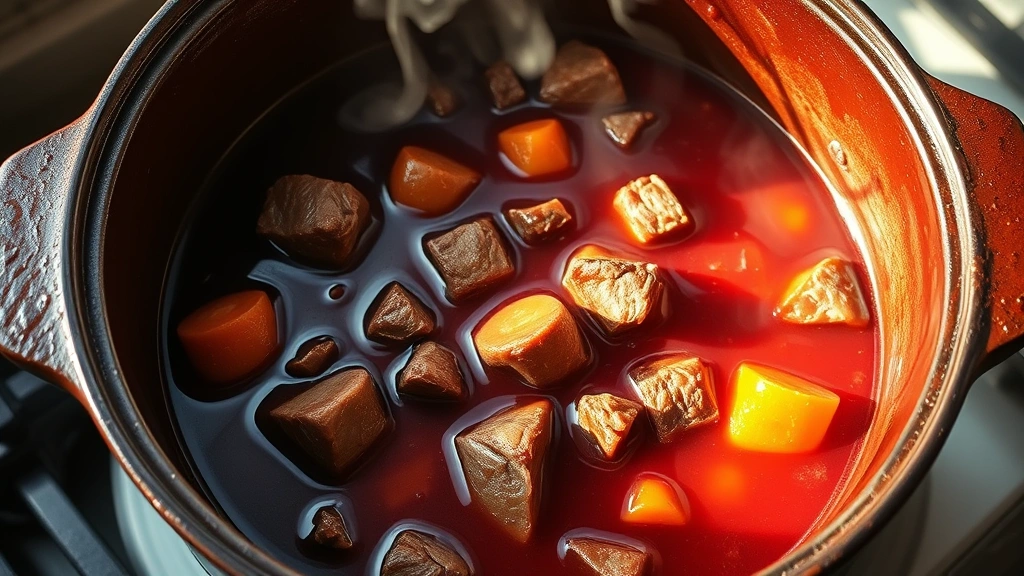
Return the browned venison to the pot along with any accumulated juices. Add beef broth until the meat is just covered, plus about an inch. Add bay leaves and thyme sprigs. Bring to a simmer, then reduce heat to low and cover partially with the lid slightly ajar. This allows steam to escape while retaining moisture—essential for proper stew consistency.
Simmer for 1.5 to 2 hours, stirring occasionally. The venison should be becoming tender but not yet falling apart. At this point, add carrots and potatoes, stirring to distribute them evenly. Continue simmering for another 45-60 minutes until all vegetables are completely tender and the venison is fork-tender but still holds its shape.
Step 5: Thicken and Finish
About 15 minutes before serving, mix 3-4 tablespoons of flour with an equal amount of cold water to create a slurry. Slowly pour this into the simmering stew while stirring constantly to avoid lumps. The stew should thicken noticeably within 5 minutes as the flour gelatinizes. If you prefer a brothier consistency, use less flour; for a thicker stew, add more slurry gradually until you reach your desired thickness.
Taste for seasoning and adjust salt and pepper as needed. Remember that the broth has concentrated during cooking, so start conservatively. Remove bay leaves and thyme sprigs before serving.
Enhancing Flavor Profiles
Venison’s distinctive flavor benefits from complementary additions that don’t mask but rather highlight its natural character. Juniper berries, when crushed and added during cooking, impart a subtle piney note that echoes the forest environment. Add 8-10 berries along with the thyme for sophisticated depth.
Mushrooms are another excellent addition—cremini, button, or portobello varieties work beautifully. Add them in the final 30 minutes of cooking to prevent them from becoming mushy. Their umami compounds amplify the savory notes in venison and create a more complex overall flavor profile. Aim for about 8-10 ounces of mushrooms, quartered.
For those interested in expanding their culinary repertoire, learning how to make homemade ice cream provides an excellent dessert pairing option. A simple vanilla ice cream offers a cooling contrast to this rich, warming stew.
Consider the acidity angle too. A tablespoon of balsamic vinegar stirred in during the final minutes brightens flavors and prevents the stew from tasting heavy. Some cooks add a small piece of dark chocolate (about 0.5 ounces) to deepen and round out flavors without creating sweetness—the chocolate remains subtle and unidentifiable to most palates.
If you enjoy experimenting with complementary desserts, our lemon glaze recipe creates a bright finish to a meal featuring rich venison stew, providing palate cleansing acidity.
Storage and Serving Suggestions
One of stew’s greatest advantages is that it improves with time. Flavors meld and deepen as the stew sits, making it perfect for advance preparation. Cool the stew completely before transferring to airtight containers. Properly stored in the refrigerator, venison stew keeps for 3-4 days. For longer storage, freeze in portion-sized containers for up to 3 months. Thaw overnight in the refrigerator before reheating gently on the stovetop, adding a splash of broth if the consistency has thickened too much.
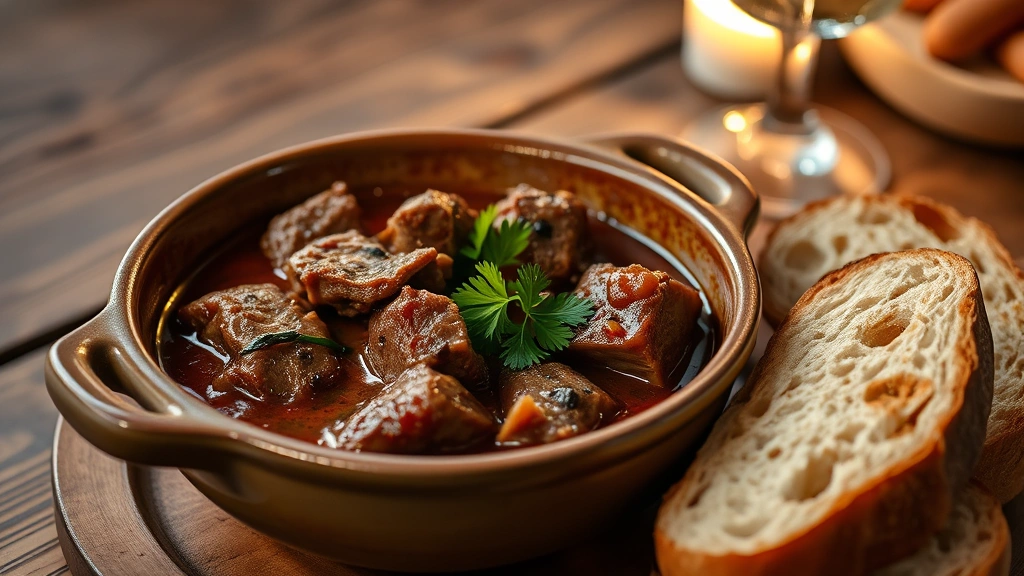
Serve your deer stew in wide bowls with crusty bread for soaking up the flavorful broth. A simple puff pastry recipe can be adapted to create biscuits or pastry toppers, transforming the stew into a comforting pot pie when desired.
Wine pairing is straightforward—serve the same red wine you used in cooking, or choose something with similar characteristics: medium-bodied with earthy undertones. Pinot Noir, Burgundy, or Côtes du Rhône all complement venison beautifully. If serving a dessert afterward, our strawberry ice cream recipe provides a refreshing palate cleanser after the rich stew.
For special occasions, consider plating individual portions in wide bowls with a sprinkle of fresh parsley and perhaps a drizzle of quality olive oil. The visual appeal matters as much as the taste, and these simple garnishes elevate the presentation considerably.
FAQ
Can I use store-bought venison if I haven’t hunted?
Absolutely. Specialty butchers, farmers’ markets, and online meat purveyors sell high-quality farmed venison year-round. Farm-raised venison tends to be slightly milder than wild venison but works beautifully in this recipe. Ask your supplier about the animal’s diet and handling to ensure quality.
What if my venison tastes too gamey?
Soaking the meat in milk or buttermilk for 4-8 hours before cooking can reduce gamey flavors. The lactic acid helps neutralize strong flavors while tenderizing the meat. Pat dry thoroughly before browning. Additionally, proper field dressing and quick refrigeration of freshly harvested venison prevents many off-flavors from developing.
Can I use a slow cooker instead of stovetop?
Yes, though you’ll miss the beneficial browning step. Brown the meat and aromatics on the stovetop as described, then transfer everything to a slow cooker. Cook on low for 6-8 hours or high for 3-4 hours. Add vegetables during the final 1-2 hours to prevent them from becoming mushy. Thicken with a flour slurry before serving if desired.
How do I know when the venison is done?
The meat should be fork-tender, easily piercing without resistance. It shouldn’t shred apart—that indicates overcooking—but should surrender immediately to gentle pressure. Cooking time varies based on the animal’s age and the specific cuts used, typically ranging from 1.5 to 2.5 hours on stovetop.
Can I substitute beef for venison?
Yes, though you’ll lose the distinctive character that makes this recipe special. Use beef chuck, following the same cooking method. Reduce initial simmering time by 30-45 minutes since beef is typically more tender than venison. You might also reduce wine content slightly since beef doesn’t need as much acidity to balance.
What’s the best way to season venison without overpowering it?
Start conservatively with salt and pepper, tasting frequently during cooking. Venison’s natural flavors are bold enough to shine with minimal seasoning. Avoid heavy spicing—garlic, thyme, and bay leaf are sufficient. Save adventurous spice combinations for beef stews where the meat’s milder flavor can accommodate them.
Should I marinate venison before stewing?
Marinating isn’t necessary when using proper browning and long cooking methods. The stew liquid serves as a marinade during the cooking process. However, if you’re concerned about gamey flavors, a 4-8 hour soak in red wine, herbs, and garlic before cooking adds another layer of flavor development.


