Exotic Dragon Fruit Salad? Dietitian Approved
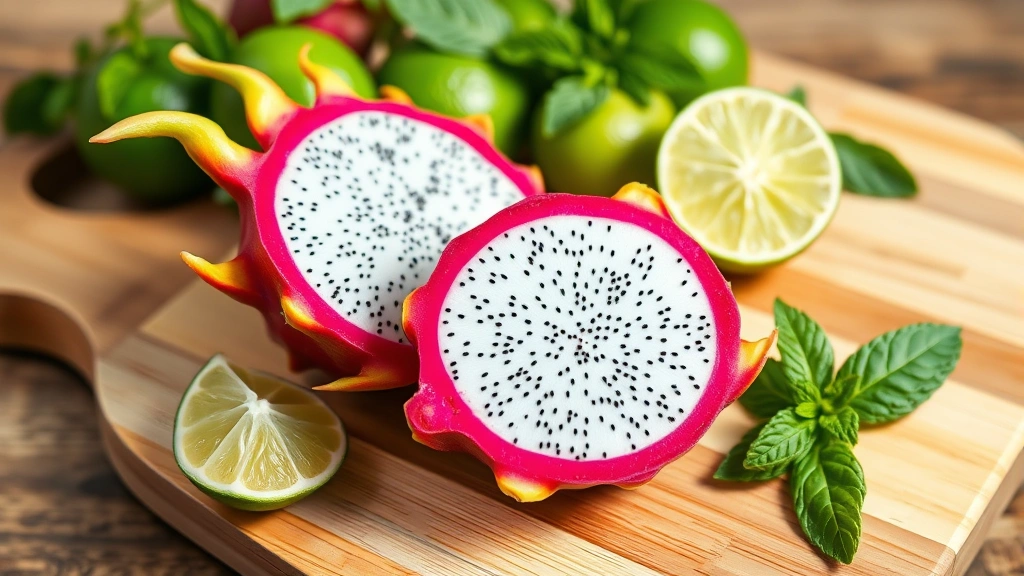
Dragon fruit, with its vibrant magenta skin and speckled white or hot pink flesh, has transformed from an exotic curiosity into a mainstream superfood staple. This striking tropical fruit offers far more than visual appeal—it delivers impressive nutritional benefits that make it a dietitian’s favorite addition to any meal plan. Whether you’re seeking a refreshing breakfast option, a light lunch, or a sophisticated dessert, dragon fruit salads provide the perfect canvas for culinary creativity while supporting your wellness goals.
The beauty of dragon fruit recipes lies in their versatility and nutritional density. Rich in vitamin C, fiber, and antioxidants while remaining low in calories, dragon fruit pairs beautifully with complementary ingredients to create balanced, satisfying meals. This comprehensive guide explores everything you need to know about creating the perfect dragon fruit salad, from selection and preparation to advanced flavor combinations that will impress even the most discerning palates.
Understanding Dragon Fruit: Nutrition and Varieties
Dragon fruit, scientifically known as Selenicereus undatus, originates from Central America but flourishes across Southeast Asia, particularly in Vietnam and Thailand. The fruit comes in three primary varieties, each offering distinct flavor profiles and nutritional characteristics. Understanding these differences helps you select the best option for your specific recipe and dietary needs.
The white-fleshed variety features a mild, slightly sweet flavor with delicate floral notes. This type contains black seeds throughout the flesh that add a pleasant textural element reminiscent of kiwi fruit. The pink or magenta-fleshed varieties offer a more robust, naturally sweeter taste profile, making them ideal for salads where you want pronounced fruit flavor without additional sweeteners. Both varieties share similar nutritional profiles, though the pink varieties contain higher concentrations of betalains, powerful antioxidants responsible for their vibrant coloration.
From a nutritional standpoint, dragon fruit is a dietitian’s dream ingredient. One cup of fresh dragon fruit (approximately 227 grams) contains only 102 calories while delivering 3 grams of fiber, supporting digestive health and satiety. The fruit provides 3.65 grams of vitamin C per 100 grams, exceeding 40% of the daily recommended value, making it exceptional for immune support and collagen synthesis. Additionally, dragon fruit contains prebiotic fiber that nourishes beneficial gut bacteria, supporting overall digestive wellness.
The fruit’s low glycemic index makes it suitable for various dietary approaches, including those focused on high protein low calorie recipes. When combined with protein sources like Greek yogurt or grilled chicken, dragon fruit becomes a perfectly balanced meal component. The natural sweetness satisfies cravings while the high water content (approximately 85%) promotes hydration without excess calories.
Selecting and Preparing Your Dragon Fruit
Choosing a ripe dragon fruit requires understanding the visual and tactile cues that indicate peak ripeness. Look for fruits with vibrant, evenly colored skin—whether white or magenta—without dark spots or blemishes. The skin should yield slightly to gentle pressure, similar to a ripe avocado. Avoid overly soft fruits, which indicate over-ripeness and potential fermentation. If you find unripe fruit, store it at room temperature for several days; dragon fruit doesn’t continue ripening significantly after harvest, so selection at purchase is crucial.
Preparation begins with a thorough rinse under cool running water to remove any surface debris. Using a sharp chef’s knife, slice the fruit in half lengthwise. The easiest extraction method involves using a sturdy spoon to scoop the flesh away from the skin, similar to eating a kiwi. For salads, cutting the halves into quarters or eighths creates natural serving pieces. Alternatively, cut the fruit into cubes for a more refined presentation, or use a melon baller for elegant spheres that add visual sophistication to your salad.
For those preferring to prepare dragon fruit in advance, cube the flesh and store it in an airtight container in the refrigerator for up to three days. The natural moisture content means dragon fruit maintains excellent texture when properly stored, unlike some delicate fruits that deteriorate quickly. If you’re preparing a large batch, freezing dragon fruit cubes on a parchment-lined baking sheet before transferring to freezer bags preserves them for up to two months, making them perfect for smoothies or blended preparations.
Classic Dragon Fruit Salad Recipe
This foundational recipe serves four as a light side dish or two as a substantial main course when paired with protein.
Ingredients:
- 2 cups fresh dragon fruit, cubed
- 1 cup fresh strawberries, halved
- 1 cup fresh pineapple chunks
- ½ cup red onion, thinly sliced
- ¼ cup fresh mint leaves, torn
- ¼ cup fresh lime juice
- 2 tablespoons honey or agave nectar
- 1 tablespoon olive oil
- Sea salt and black pepper to taste
- Optional: ¼ teaspoon red pepper flakes for subtle heat
Instructions:
- Prepare all fruits and vegetables, ensuring pieces are uniform in size for consistent texture throughout the salad.
- In a small bowl, whisk together lime juice, honey, and olive oil until the honey dissolves completely.
- Add sea salt, black pepper, and red pepper flakes if using, stirring to combine.
- In a large serving bowl, combine dragon fruit, strawberries, pineapple, and red onion.
- Pour dressing over the fruit mixture and gently toss to coat evenly, being careful not to crush delicate dragon fruit.
- Top with fresh mint leaves immediately before serving.
- Let the salad sit for 5-10 minutes, allowing flavors to meld before serving.
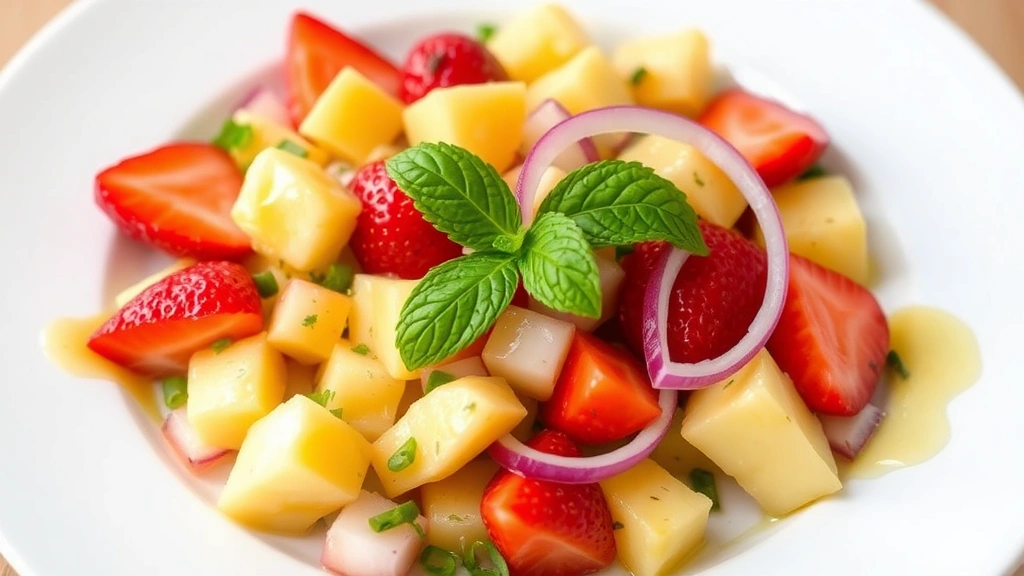
This classic combination balances sweet tropical fruits with the subtle sharpness of red onion and brightness of fresh mint. The lime-honey dressing enhances natural fruit flavors without overwhelming them, making this salad appropriate for any occasion from casual weeknight dinners to elegant entertaining.
Protein-Packed Dragon Fruit Salad Variations
Transforming dragon fruit salad into a complete meal requires thoughtful protein integration. For those following Greek yogurt recipes approaches, consider creating a creamy base by whisking Greek yogurt with lime juice, honey, and a touch of vanilla extract. This protein-rich dressing adds creaminess while maintaining the salad’s light character. Spoon the dragon fruit mixture over a generous dollop of Greek yogurt and garnish with granola for textural contrast.
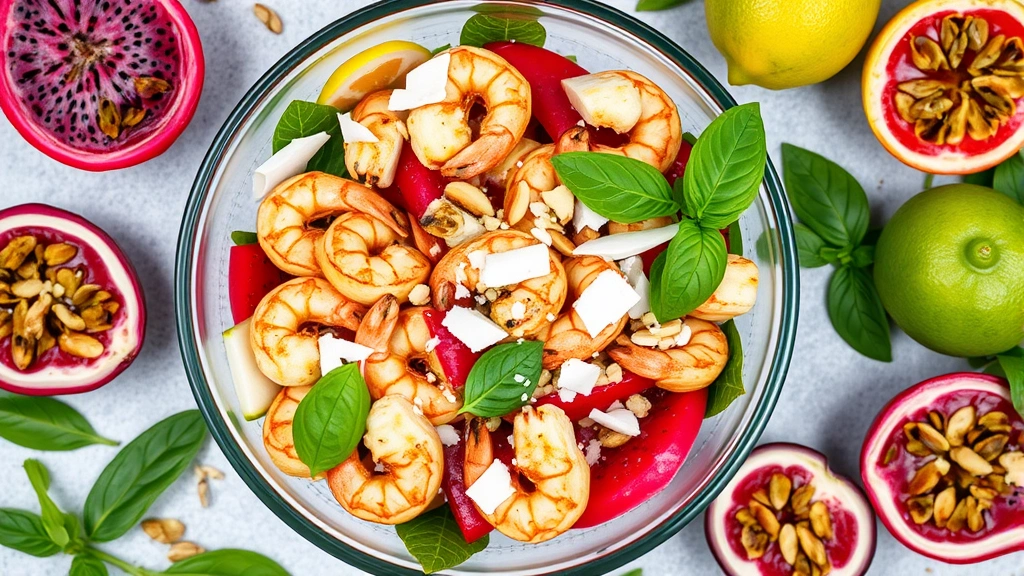
For those seeking warm protein components, grilled shrimp or seared scallops create sophisticated pairings with dragon fruit’s delicate sweetness. Season shrimp lightly with paprika, garlic powder, and sea salt before quickly searing in a hot skillet until just cooked through. Allow the protein to cool slightly, then arrange it atop your dragon fruit salad. The contrast between cool, refreshing fruit and the subtle oceanic flavor of shellfish creates memorable flavor dynamics.
Grilled chicken breast, sliced thin and served warm or at room temperature, provides a more substantial protein option. For maximum flavor, marinate chicken in a mixture of lime juice, garlic, cilantro, and olive oil for 30 minutes before grilling. The citrus-herb marinade complements dragon fruit beautifully while keeping the overall dish light and health-conscious. This preparation aligns perfectly with high protein low calorie recipes principles.
Plant-based eaters can boost protein content with crispy tofu cubes, roasted chickpeas, or a generous handful of pumpkin seeds. Marinate tofu in soy sauce, rice vinegar, ginger, and sesame oil before pan-frying until golden and crispy. The textural contrast between creamy tofu interior and crispy exterior pairs excellently with the juicy dragon fruit. Roasted chickpeas, tossed with paprika, cumin, and garlic powder, add both protein and satisfying crunch.
Tropical Flavor Combinations
Dragon fruit’s versatility shines when paired with complementary tropical ingredients. Coconut milk or coconut cream creates luxurious dressings that echo the fruit’s tropical origins. Combine unsweetened coconut milk with lime juice, fish sauce or tamari, and a touch of honey for a dressing reminiscent of Southeast Asian cuisine. This approach transforms your salad into an exotic experience while maintaining nutritional integrity.
Mango, papaya, and passion fruit create a trinity of tropical flavors that harmonize beautifully with dragon fruit’s subtle sweetness. Combining these fruits with coconut flakes, macadamia nuts, and a lime-ginger dressing creates a salad worthy of high-end resort dining. The varying textures—from creamy mango to juicy dragon fruit to the slight tartness of passion fruit—create complexity that keeps each bite interesting.
For a more adventurous approach, incorporate lychee fruit, which shares dragon fruit’s delicate floral notes and translucent appearance. The combination creates an almost ethereal salad experience, particularly when garnished with edible flowers like orchids or pansies. This presentation works wonderfully for special occasions or when you want to impress guests with sophisticated flavor and visual presentation.
Basil, particularly Thai basil with its subtle anise notes, pairs surprisingly well with dragon fruit. The herb’s complexity adds depth to what might otherwise be a straightforward fruit salad. Combine dragon fruit with cucumber, Thai basil, bird’s eye chili for gentle heat, and a lime-fish sauce dressing for a salad that captures authentic Southeast Asian flavor profiles while celebrating the dragon fruit as the starring ingredient.
Dressing Options and Flavor Pairings
The dressing you choose fundamentally shapes your dragon fruit salad’s character. Beyond the classic lime-honey combination, numerous options exist to suit different flavor preferences and dietary requirements.
Passion Fruit Vinaigrette: Combine passion fruit pulp with rice vinegar, honey, and olive oil for a dressing that amplifies tropical notes. The vinegar’s acidity brightens the salad while passion fruit’s tartness provides complexity. This dressing works beautifully with best breakfast food recipes when paired with granola and Greek yogurt for a morning meal.
Ginger-Sesame Dressing: Whisk together sesame oil, rice vinegar, fresh ginger, garlic, and a touch of honey for an Asian-inspired option. The warm spice of ginger contrasts beautifully with dragon fruit’s cool sweetness, while sesame oil adds richness without heaviness. This dressing pairs excellently with crispy tofu or grilled shrimp.
Coconut-Lime Crema: Blend coconut milk with lime juice, garlic, and cilantro for a creamy dressing that remains dairy-free and vegan-friendly. The creaminess provides textural contrast to the fruit while the lime-cilantro combination keeps the overall flavor profile bright and fresh. Drizzle this generously over your salad and garnish with additional cilantro.
Balsamic Reduction: While unconventional, aged balsamic vinegar creates an unexpectedly sophisticated pairing with dragon fruit. The vinegar’s deep sweetness and slight woody notes add complexity to the fruit’s delicate flavor. Use sparingly, as balsamic’s intensity can easily overwhelm the salad. This approach works particularly well when incorporating burrata cheese or fresh mozzarella.
Consider your protein pairing when selecting dressings. Asian-inspired proteins like shrimp or tofu shine with ginger-sesame dressings, while Mediterranean proteins like grilled fish work beautifully with balsamic reductions or herb-forward vinaigrettes. The dressing should enhance rather than compete with your chosen protein and other ingredients.
Storage and Make-Ahead Tips
Dragon fruit salads present unique storage challenges due to the delicate nature of the fruit and the potential for dressing to cause the fruit to release excess moisture. For optimal results, store components separately until immediately before serving.
Prepare your dressing up to two days in advance, storing it in an airtight glass container in the refrigerator. The flavors actually improve as they meld, so making dressing ahead is advantageous. Cube fruits and vegetables in the morning, storing them in separate airtight containers to prevent flavors from transferring. Herbs like mint or basil should be stored in slightly damp paper towels to maintain freshness throughout the day.
If you’re preparing the salad for a gathering, assemble it no more than 30 minutes before serving. Combine fruits and vegetables first, then add dressing and fresh herbs immediately before bringing the salad to the table. This timing ensures that dragon fruit maintains its appealing texture rather than becoming soggy from extended dressing contact.
For meal prep purposes, consider creating a comfort food recipes approach by preparing substantial salads with protein components that store well. Grilled chicken, hard-boiled eggs, and roasted chickpeas maintain quality throughout the week when stored separately from the fruit and dressing. Assemble individual portions each morning, adding fresh dragon fruit and dressing just before eating.
Frozen dragon fruit cubes work excellently in smoothie bowls or blended preparations. Layer frozen dragon fruit with Greek yogurt, granola, and fresh berries for a nutritious breakfast that requires minimal morning preparation. The frozen fruit maintains its nutritional integrity while providing convenient meal options for busy individuals.
Advanced Flavor Combinations and Presentation
Elevate your dragon fruit salad presentations with thoughtful plating and unexpected ingredient combinations. For special occasions, arrange your salad on a bed of microgreens or baby spinach, creating a colorful base that showcases the vibrant dragon fruit. The greens add nutritional value while their subtle bitterness balances the fruit’s sweetness.
Incorporate crispy elements for textural contrast: candied nuts, crispy chickpeas, or toasted coconut flakes add crunch that makes each bite more interesting. Toasting nuts and seeds in a dry skillet for 2-3 minutes intensifies their flavors, making smaller quantities more impactful. Candied pecans or walnuts, prepared by tossing nuts with honey and a pinch of sea salt before roasting at 350°F for 8-10 minutes, provide sweetness that complements the salad without additional sugar in the dressing.
For a grandma approved dinner recipes approach that still impresses, consider creating a composed salad where elements are arranged thoughtfully on the plate rather than tossed together. This presentation style works beautifully for entertaining, allowing guests to appreciate the individual components while enjoying the combined flavors. Arrange dragon fruit cubes in one section, grilled protein in another, and scattered vegetables throughout, then drizzle dressing over the entire composition.
Edible flowers like hibiscus, orchids, or nasturtiums add visual sophistication and subtle floral notes that echo dragon fruit’s delicate character. Source these from specialty grocers or farmers markets, ensuring they haven’t been treated with pesticides. A single perfect flower placed strategically on the composed salad transforms it into a restaurant-quality presentation.
For an Asian-inspired composed salad, arrange dragon fruit in the center of a plate, surround it with grilled shrimp or seared scallops, and add crispy wonton strips, sliced avocado, and thinly shaved red radish. Drizzle with ginger-sesame dressing and garnish with sesame seeds and fresh cilantro. This approach creates a salad that’s as visually stunning as it is delicious, perfect for impressing dinner guests or creating Instagram-worthy meals.
FAQ
Can I make dragon fruit salad ahead of time?
Yes, but with considerations. Store components separately and assemble no more than 30 minutes before serving. Keep dressing separate until just before serving to prevent the fruit from becoming soggy. Prepared components stored in airtight containers keep for up to two days in the refrigerator.
What’s the best way to choose a ripe dragon fruit?
Look for vibrant, evenly colored skin without dark spots. The fruit should yield slightly to gentle pressure, similar to a ripe avocado. Avoid overly soft fruits indicating over-ripeness. Dragon fruit doesn’t ripen significantly after harvest, so selection at purchase is crucial.
Can I substitute dragon fruit in other salad recipes?
Absolutely. Dragon fruit works well in place of mango, papaya, or other tropical fruits in most salad recipes. Its mild flavor and beautiful appearance make it versatile. Consider its delicate sweetness when selecting complementary ingredients and dressings.
Is dragon fruit suitable for all diets?
Dragon fruit is naturally vegan, gluten-free, and keto-friendly due to its low carbohydrate content and high fiber. It works well in paleo, Mediterranean, and other whole-food focused dietary approaches. The fruit’s low calorie density makes it appropriate for calorie-conscious meal planning.
What proteins pair best with dragon fruit salad?
Grilled shrimp, seared scallops, grilled chicken, and crispy tofu all pair beautifully with dragon fruit. Greek yogurt creates a creamy base, while plant-based proteins like roasted chickpeas or crispy tofu cubes work excellently for vegetarian preparations.
How do I store fresh dragon fruit?
Ripe dragon fruit keeps in the refrigerator for 3-5 days when stored in an airtight container or wrapped in plastic wrap. Unripe fruit stores at room temperature until ready to use. Cubed dragon fruit freezes well for up to two months on parchment-lined baking sheets before transferring to freezer bags.
What external resources provide more information about dragon fruit nutrition?
The Nutritionix database provides comprehensive nutritional information for dragon fruit. International Association of Culinary Professionals offers resources on tropical fruit preparation techniques. Serious Eats features detailed cooking guides and fruit selection advice. Eat This Not That provides nutritional comparisons and health-focused recipes. For professional culinary training, Auguste Escoffier School of Culinary Arts offers comprehensive courses on exotic fruit preparation and advanced salad techniques.
Can I grow my own dragon fruit?
Dragon fruit grows well in warm climates (USDA zones 10-11) with well-draining soil and plenty of sunlight. The plant requires a support structure as it’s a climbing cactus. While growing dragon fruit requires patience—plants typically produce fruit within 3-4 years—homegrown fruit offers exceptional freshness and flavor. Consult local agricultural extension services for region-specific growing guidance.


