
Fluffy Egg White Bites? Nutritionist Approved
Egg white bites have become the go-to breakfast solution for health-conscious eaters everywhere. These light, protein-packed morsels deliver serious nutrition without the heaviness of traditional egg dishes. Whether you’re meal prepping for the week or looking for a quick grab-and-go breakfast, fluffy egg white bites check every box: they’re low in calories, high in protein, naturally gluten-free, and endlessly customizable with your favorite vegetables and seasonings.
What makes these bites truly special is their versatility and simplicity. Unlike scrambled eggs or omelets that require constant attention at the stove, egg white bites bake hands-off in the oven, creating a fluffy, cloud-like texture that feels indulgent while remaining nutritionally sound. You can prepare a batch on Sunday and enjoy them throughout the week, making them perfect for busy mornings when time is tight.
Nutritionists approve of egg white bites because they offer pure protein with minimal fat and calories. Each bite delivers essential amino acids, choline for brain health, and lutein for eye health. When paired with vegetables like spinach, bell peppers, and tomatoes, you’re creating a complete nutritional powerhouse that supports muscle recovery, sustained energy, and overall wellness.
Why Egg White Bites Are Nutritionist Gold
Registered dietitians consistently recommend egg white bites as a superior breakfast choice for several compelling reasons. First, they’re an exceptional source of lean protein—approximately 3-4 grams per bite depending on size. This protein content supports muscle maintenance, increases satiety, and helps stabilize blood sugar levels throughout the morning, preventing the mid-morning energy crash many people experience.
The nutritional profile is remarkably clean. One large egg white contains just 17 calories and virtually no fat, making these bites ideal for individuals monitoring their caloric intake without sacrificing nutrition. The absence of the yolk removes dietary cholesterol concerns while preserving all the essential amino acids that make eggs such a complete protein source.
Beyond protein, egg white bites deliver micronutrients that support overall health. They contain significant amounts of selenium, a powerful antioxidant that protects cells from damage. Riboflavin (B2) supports energy production at the cellular level, while niacin aids in DNA repair and metabolism. When you incorporate vegetables into your bites, you’re amplifying these nutritional benefits exponentially.
Egg white bites also support weight management goals more effectively than many breakfast alternatives. The high protein content increases thermic effect—your body burns more calories digesting protein than carbohydrates or fat. This means your body works harder to process the meal, contributing to a modest but measurable increase in daily calorie expenditure. Combined with their low calorie count, egg white bites become a strategic choice for sustainable weight management.
For athletes and fitness enthusiasts, these bites offer post-workout nutrition benefits. The rapid protein absorption helps initiate muscle protein synthesis, the process by which your body builds and repairs muscle tissue after exercise. Preparing a batch of egg white bites ensures you have convenient, protein-rich nutrition available immediately after training sessions.

Essential Ingredients for Perfect Bites
Creating truly fluffy egg white bites requires understanding each ingredient’s role in the final product. Let’s break down what you’ll need and why each component matters.
Egg Whites: Use fresh, room-temperature egg whites for optimal results. Room temperature eggs incorporate air more efficiently, creating that desired fluffy texture. You’ll need about 8-10 large egg whites for a standard 12-cup muffin tin. If separating eggs feels tedious, quality liquid egg whites work beautifully and deliver consistent results.
Milk or Greek Yogurt: Adding 2-3 tablespoons of milk or Greek yogurt creates moisture and contributes to fluffiness. The fat content in whole milk produces slightly richer bites, while Greek yogurt adds protein and creates a denser, more substantial texture. Almond milk works perfectly for dairy-free preparations.
Seasonings: Salt, pepper, and garlic powder form your flavor foundation. Don’t underestimate salt—it enhances egg flavor and helps proteins bind properly. Paprika, cayenne, Italian seasoning, or fresh herbs like dill and parsley elevate complexity without adding calories.
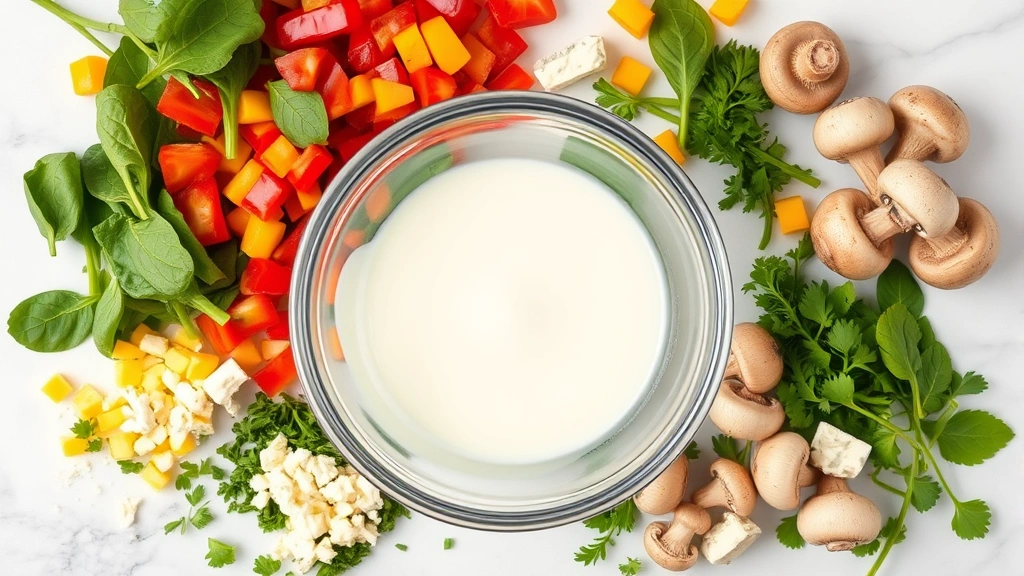
Vegetables: This is where customization happens. Finely diced bell peppers, spinach, mushrooms, zucchini, tomatoes, and onions all work wonderfully. The key is removing excess moisture from vegetables before mixing—pat mushrooms and tomatoes dry with paper towels to prevent soggy bites. Frozen vegetables work fine; just thaw and squeeze dry.
Cheese (Optional): Feta, cheddar, or mozzarella add flavor and richness. Use about ¼ cup per batch. Low-fat varieties keep calories reasonable while delivering satisfying cheese flavor.
Step-by-Step Preparation Guide
Mastering egg white bites requires attention to technique. Follow these steps for consistently perfect results every time.
Preparation Phase: Preheat your oven to 350°F (175°C). Lightly spray a 12-cup muffin tin with cooking spray or use silicone muffin cups—this prevents sticking and makes removal effortless. Gather all ingredients and prep your vegetables by dicing them finely and removing excess moisture. This prep work takes just 10 minutes but dramatically impacts your final product.
Mixing Phase: Crack eggs and separate whites from yolks carefully. Place egg whites in a large mixing bowl. Pour in your milk or Greek yogurt. Add salt (½ teaspoon), pepper (¼ teaspoon), and garlic powder (¼ teaspoon). Using an electric mixer on medium speed, beat the mixture for 2-3 minutes until it becomes noticeably lighter in color and develops a slightly foamy texture. This aeration step is crucial—it’s what creates the fluffy, soufflé-like quality that distinguishes these bites from dense egg casseroles.
Combining Phase: Gently fold in your prepared vegetables and cheese using a rubber spatula. Use a folding motion rather than stirring to preserve the airiness you’ve created. Overmixing deflates the egg whites and results in dense, compact bites.
Filling Phase: Divide the mixture evenly among muffin cups, filling each about three-quarters full. The mixture will rise slightly during baking, so leaving headspace prevents overflow. Use a measuring cup or ice cream scoop for consistent portions.
Baking Phase: Place the muffin tin in your preheated oven. Bake for 18-22 minutes until the tops are golden brown and a toothpick inserted into the center comes out clean. The bites should jiggle just slightly when the tin is gently shaken—they continue cooking slightly after removal from the oven.
Cooling Phase: Let bites cool in the tin for 5 minutes before running a thin knife around the edges and turning them out onto a cooling rack. This brief cooling period allows them to set slightly while remaining tender.
Flavor Combinations That Work
The beauty of egg white bites lies in their adaptability. Here are proven flavor combinations that consistently deliver delicious results.
Mediterranean Style: Combine finely diced red bell peppers, spinach, sun-dried tomatoes, and crumbled feta cheese. Add oregano and a touch of garlic powder. These bites pair beautifully with your Mediterranean salad recipe for a complete lunch.
Southwestern Breakfast: Mix diced bell peppers, jalapeños (seeds removed for less heat), black beans, corn, and sharp cheddar cheese. Season with cumin, chili powder, and cilantro. Serve with salsa and avocado for a complete meal.
Italian Garden: Layer fresh spinach, diced zucchini, mushrooms, and mozzarella cheese. Add basil, oregano, and a pinch of red pepper flakes. These complement quick and easy pasta recipes for dinner repurposing.
Broccoli Cheddar: Combine finely chopped broccoli florets with sharp cheddar cheese and diced onions. Season with garlic powder and black pepper. This classic combination never disappoints.
Mushroom Swiss: Use a combination of cremini and shiitake mushrooms (finely diced), Swiss cheese, and fresh thyme. Sauté mushrooms briefly before adding to reduce moisture content.
Spinach Feta Dill: Combine fresh spinach, crumbled feta, and fresh dill. Add a squeeze of lemon zest for brightness. This combination feels restaurant-quality while remaining simple.
These combinations work equally well with healthy chicken recipes for meal prep variety throughout your week.
Pro Tip: Create a flavor matrix by preparing 3-4 different varieties in one baking session. Use the same base egg white mixture and divide it into portions before adding different vegetable and seasoning combinations. This approach maximizes efficiency and provides breakfast variety.
Storage and Meal Prep Tips
Proper storage ensures your egg white bites maintain quality throughout the week. Understanding different storage methods gives you flexibility in how you enjoy them.
Refrigerator Storage: Place cooled bites in an airtight container and refrigerate for up to 5 days. Layer bites with parchment paper to prevent sticking. Reheat in a 350°F oven for 5-7 minutes or microwave for 45-60 seconds until warmed through. Microwaving slightly softens the texture, while oven reheating maintains firmness.
Freezer Storage: Egg white bites freeze beautifully for up to 3 months. Freeze bites on a baking sheet for 2 hours, then transfer to freezer bags or airtight containers. This prevents clumping and allows you to grab individual bites as needed. Thaw overnight in the refrigerator or reheat directly from frozen by adding 2-3 minutes to the oven reheating time.
Strategic Meal Prep: Dedicate one hour on Sunday to preparing 2-3 batches of different flavor combinations. This gives you 24-36 bites providing breakfast for nearly a month. Store varieties in labeled containers for easy identification throughout the week.
Pairing Strategy: Enjoy bites alongside fresh fruit, Greek yogurt, or whole grain toast for complete breakfast nutrition. They also work wonderfully as post-workout snacks or light lunches. Consider pairing with steak salad recipe for a protein-rich lunch option.
Troubleshooting Common Issues
Even experienced cooks encounter challenges with egg white bites. Understanding solutions prevents frustration and ensures success.
Dense, Rubbery Texture: This typically results from overmixing or overbaking. Ensure you’re folding vegetables gently rather than stirring vigorously. Check oven temperature with a thermometer—inaccurate temperature causes uneven cooking. Bake for the shorter time range (18 minutes) and check for doneness rather than strictly following timing.
Bites Won’t Rise: Room temperature egg whites are essential for proper rising. Cold eggs incorporate less air, resulting in flat bites. Additionally, ensure your mixing bowl and beaters are completely clean and free of fat residue—even tiny amounts of oil prevent proper whipping. If you’ve accidentally mixed in any yolk, start fresh with new egg whites.
Soggy or Watery Bites: Excess moisture from vegetables is the culprit. Pat mushrooms, tomatoes, and spinach thoroughly dry before adding. If using frozen vegetables, thaw completely and squeeze dry using a clean kitchen towel. Consider pre-sautéing vegetables to evaporate additional moisture.
Bites Stick to Muffin Tin: Spray muffin cups generously with cooking spray or use silicone muffin liners. If sticking occurs, run a thin knife around edges immediately after removing from oven while bites are still warm.
Uneven Cooking: Rotate the muffin tin halfway through baking if your oven has hot spots. Fill all 12 cups even if using fewer bites—empty cups affect heat distribution. If baking multiple tins, swap their positions halfway through cooking.
Excessive Browning: If tops brown too quickly, tent with aluminum foil for the first 12-15 minutes, then remove to allow browning. This prevents overbaking while ensuring proper color development.
Collapsed Bites: This happens when bites are removed from the oven before fully set. The toothpick test is crucial—it should come out clean, not wet. If bites collapse during removal, let them cool slightly longer in the tin before turning out.
FAQ
Can I make egg white bites without a muffin tin?
Absolutely. Use a loaf pan lined with parchment paper, pouring the mixture about 1 inch deep. Bake for 25-30 minutes, then cut into squares. Alternatively, use a small baking dish, though bites will be larger and may require additional baking time.
Are egg white bites suitable for a keto diet?
Yes, with modifications. Skip starchy vegetables like corn and choose low-carb options like spinach, mushrooms, bell peppers, and zucchini. Include full-fat cheese and add a tablespoon of cream cheese to the mixture for additional fat and creaminess. Each bite contains approximately 1-2 grams of carbohydrates depending on vegetable choices.
How do I prevent bites from being too dry?
The milk or Greek yogurt addition is crucial for moisture. Don’t skip this ingredient. Additionally, avoid overbaking—remove bites from the oven when a toothpick comes out clean with just a touch of moisture. Store in airtight containers to prevent moisture loss during refrigeration.
Can I add cheese to every bite?
You can, though it increases calories and fat content. Use about ¼ cup cheese per dozen bites for balanced nutrition. Feta and goat cheese provide flavor with less volume than cheddar or mozzarella, allowing more generous portions.
What vegetables should I avoid?
Avoid high-moisture vegetables like cucumbers and tomatoes unless you remove their seeds and pat them very dry. Avoid raw onions in large quantities as they can overwhelm the delicate egg flavor—sauté them briefly first. Avoid leafy greens like lettuce that will wilt and disappear into the mixture.
Can I make these with whole eggs instead of just whites?
Yes, though the nutrition profile changes. Use 8 whole eggs plus 2-3 tablespoons milk per dozen bites. The yolks add richness and fat, increasing calories from about 17 per bite to approximately 50-60. The texture will be slightly denser but equally delicious.
How do I know when egg white bites are fully cooked?
Insert a toothpick into the center of a bite—it should come out clean with perhaps a tiny amount of moisture. The top should be set and golden brown, and the bite should jiggle only slightly when the tin is gently shaken. Overbaked bites become rubbery, so err on the side of slightly underdone.
Can I prepare the mixture the night before?
Prepare vegetables the night before and store in the refrigerator, but mix the egg white mixture fresh before baking. Beaten egg whites lose their airiness over time, resulting in denser bites. The fresh mixing step takes only 5 minutes and makes a significant quality difference.
Are these bites suitable for children?
Absolutely. Egg white bites make excellent finger foods for children and provide quality protein supporting growth and development. Adjust seasonings to their preferences and avoid spicy varieties. Most children enjoy mild flavors like cheese, spinach, and mushroom combinations.
What’s the best way to reheat frozen bites?
Remove from freezer and place on a baking sheet. Bake at 350°F for 10-12 minutes until heated through. This method preserves texture better than microwaving. Alternatively, thaw overnight in the refrigerator and reheat for 5-7 minutes. Microwaving works in a pinch but results in softer, slightly rubbery texture.


