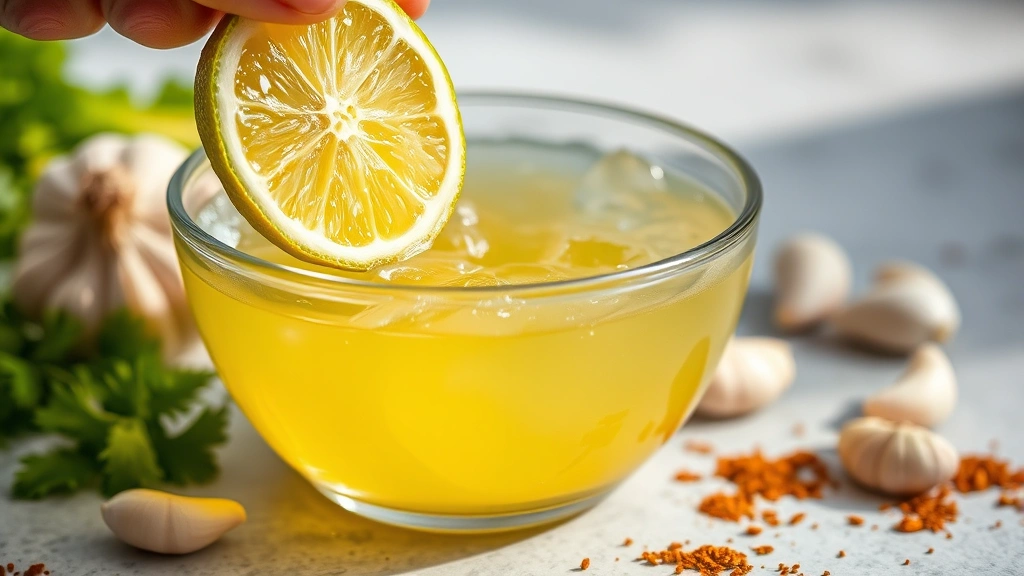
Ultimate Fajita Marinade: Chef’s Secret Recipe for Perfectly Seasoned Meat
The secret to restaurant-quality fajitas starts long before the sizzle hits your cast iron skillet. It all comes down to the marinade—that magical blend of citrus, spices, and umami-rich ingredients that transforms ordinary chicken, beef, or shrimp into something extraordinary. After years of experimenting with countless variations, I’m ready to share the ultimate fajita marinade recipe that professional chefs have been using to elevate their dishes.
What makes a truly exceptional fajita marinade isn’t just the individual ingredients—it’s understanding how they work together to break down muscle fibers, infuse flavor, and create that signature charred exterior with a juicy, tender interior. This guide will walk you through every step, from ingredient selection to timing, ensuring your next fajita night becomes legendary.
The Science Behind Perfect Fajita Marinades
Understanding the science behind marinades transforms you from someone following a recipe to someone who truly masters the technique. A fajita marinade works on three fundamental levels: enzymatic action, osmosis, and flavor penetration.
Acidic components like lime juice, orange juice, and vinegar denature proteins, breaking down the muscle fiber structure. This isn’t just about making meat tender—it’s about creating pathways for flavors to penetrate deeper into the meat. However, there’s a critical balance: too much acid and for too long, and your meat becomes mushy rather than tender. This is why timing matters enormously.
Oil in the marinade serves multiple purposes. It carries fat-soluble flavors and helps distribute spices evenly. The oil also creates a protective barrier that prevents excessive moisture loss during cooking. When you see that beautiful crust forming on your fajitas, you’re witnessing the Maillard reaction—the interaction between amino acids and reducing sugars that creates hundreds of new flavor compounds.
Salt plays a crucial role by breaking down myosin proteins and allowing the muscle to retain moisture. This is why properly salted marinades produce juicier results than unsalted ones. The salt essentially seasons the meat from within, rather than just on the surface.
Essential Ingredients Breakdown
Let’s examine each component of the ultimate fajita marinade and understand why it belongs in your bowl.
Citrus Juices: The Foundation
Fresh lime juice is non-negotiable for authentic fajita marinades. Lime provides bright acidity with subtle sweetness and a flavor profile that complements beef, chicken, and seafood equally well. Use fresh-squeezed lime juice whenever possible—bottled versions contain preservatives that can alter flavor development.
Orange juice adds natural sweetness and complexity. The combination of lime and orange creates a balanced acid level (around 4-5% total acidity) that’s perfect for tenderizing without over-processing the meat.
Oils: Flavor Carriers and Protectors
Extra virgin olive oil is traditional and provides excellent flavor, but many professional chefs prefer a blend of olive oil and a neutral oil like canola or avocado oil. This combination gives you the flavor benefits of olive oil without its lower smoke point becoming problematic during high-heat cooking.
The oil-to-acid ratio should be approximately 2:1 or 3:1. Too much oil creates a slick marinade that doesn’t penetrate as effectively; too little and you lose the protective qualities oil provides.
Garlic and Onion: Aromatic Depth
Fresh garlic minced very finely releases more flavor compounds than larger pieces. The smaller the cut, the more surface area for flavor extraction. Professional kitchens often use garlic paste for maximum impact and even distribution.
Onion, whether minced or pureed, adds sweetness and umami depth. Some chefs swear by white onion for its sharp bite, while others prefer yellow onion for its mellower sweetness. Red onion works beautifully too, adding subtle color and a slightly different flavor profile.
Spices: The Flavor Profile
Cumin is the backbone of fajita flavor. Use whole seeds and toast them lightly in a dry pan before grinding, or use high-quality ground cumin that hasn’t been sitting in your cabinet for three years. Fresh spices make an enormous difference.
Chili powder (or a blend including ancho, chipotle, and guajillo) provides heat and smokiness. Paprika adds color and subtle sweetness. Coriander brings citrusy notes that complement the lime juice beautifully.
Oregano, particularly Mexican oregano, has a more robust flavor than Mediterranean varieties. A touch of cayenne pepper adds heat without overwhelming other flavors.
Soy Sauce and Worcestershire: Umami Magic
These ingredients might seem unconventional in a fajita marinade, but they’re what separates good marinades from exceptional ones. Soy sauce adds umami depth and saltiness, while Worcestershire contributes savory complexity. Use these sparingly—just 1-2 tablespoons for a full batch creates noticeable depth without making the marinade taste Asian-fusion.
For a recipe featuring shredded chicken, these ingredients become even more important since they help compensate for the delicate flavor of chicken breast.
Complete Recipe and Instructions
Ultimate Fajita Marinade Recipe
Yields: Enough for 2-3 pounds of meat
Ingredients:
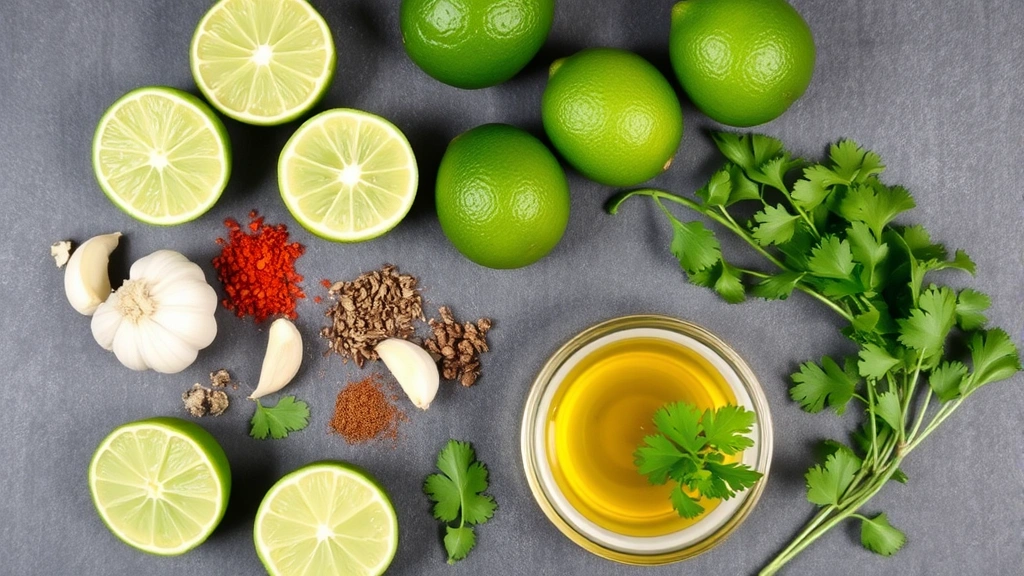
- ¾ cup fresh lime juice (about 6-8 limes)
- ¼ cup fresh orange juice
- ½ cup extra virgin olive oil
- ¼ cup canola oil
- 8 garlic cloves, minced very finely
- ½ white onion, minced or pureed
- 2 tablespoons ground cumin
- 2 teaspoons chili powder (or ancho chili powder)
- 1 teaspoon paprika
- 1 teaspoon ground coriander
- 1 teaspoon dried Mexican oregano
- ½ teaspoon cayenne pepper
- 1½ teaspoons kosher salt
- ½ teaspoon black pepper
- 1 tablespoon soy sauce
- 1 tablespoon Worcestershire sauce
- 1 teaspoon honey
Instructions:
- In a small bowl, combine all dry spices (cumin, chili powder, paprika, coriander, oregano, cayenne, salt, and pepper). Toast these spices together in a small skillet over medium-low heat for about 2 minutes, stirring constantly, until fragrant. This blooming process awakens the spices and intensifies their flavors. Transfer to a small plate to cool slightly.
- In a medium bowl, whisk together the lime juice, orange juice, soy sauce, Worcestershire sauce, and honey. This creates the liquid base that will carry your flavors.
- Slowly whisk in the olive oil and canola oil, creating an emulsion. The mixture should look slightly cloudy and unified rather than separated.
- Add the minced garlic and onion to the wet mixture, stirring well to distribute evenly.
- Sprinkle the toasted spice blend over the liquid ingredients and whisk vigorously for about 30 seconds until everything is fully incorporated. You should have a fragrant, cohesive marinade with no dry spice pockets.
- Taste the marinade and adjust seasonings. It should be bold and flavorful—remember that the meat will mellow these flavors somewhat.
- Place your prepared meat (chicken breasts, beef skirt steak, or shrimp) in a large zip-top bag or glass container. Pour the marinade over the meat, ensuring complete coverage.
- If using a bag, remove as much air as possible before sealing. If using a container, cover tightly with plastic wrap or a lid.
- Refrigerate according to the timing guidelines in the next section.
Marinating Times and Techniques
Timing is absolutely critical for fajita marinades. Too short and flavors won’t penetrate; too long and you’ll end up with mushy, over-processed meat.
Beef (Skirt or Flank Steak)
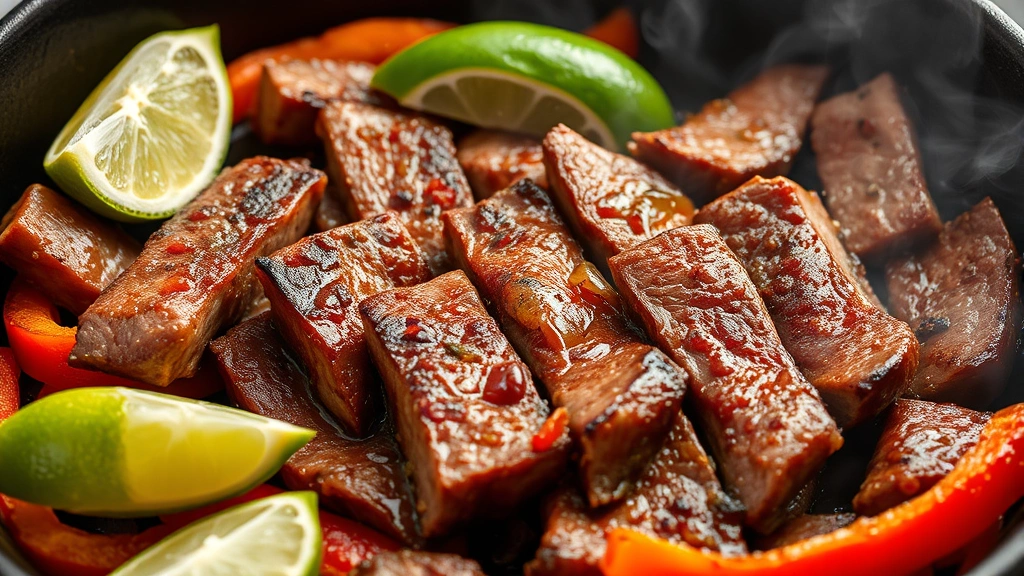
Beef benefits from longer marinating due to its dense muscle structure. The ideal window is 4-8 hours, with 6 hours being optimal. You can marinate beef for up to 12 hours, but don’t exceed this—the acid will begin breaking down the proteins excessively, creating a grainy texture rather than tender meat. The high fat content of skirt steak means it handles extended marinating better than leaner cuts.
Chicken (Breasts or Thighs)
Chicken is more delicate than beef. Chicken breasts should marinate for 2-4 hours maximum. Thighs, with their higher fat content and more robust flavor, can handle 4-6 hours. Going beyond 6 hours with chicken results in that undesirable mushy texture. The protein in chicken is more tightly wound than beef, so it requires less time to achieve tenderness.
Shrimp and Seafood
Shrimp is the most delicate protein and should marinate for only 30 minutes to 1 hour. Any longer and the acid will essentially “cook” the shrimp, creating a rubbery texture. If you’re preparing shrimp fajitas, marinate the shrimp separately from any other proteins and add it to the skillet just before serving.
Technique Tips
Turn your meat in the marinade every hour or two for even flavor distribution. If using a zip-top bag, this is easy—just flip and massage the bag. This ensures all surfaces make contact with the marinade and prevents any areas from being under-seasoned.
For extra-tender results, remove the meat from the refrigerator 30 minutes before cooking. Room temperature meat cooks more evenly and develops better browning. However, never leave marinated meat at room temperature for more than 30 minutes due to food safety concerns.
Pro Tips from Professional Chefs
Professional chefs have shared several techniques that elevate fajita marinades from good to exceptional:
Bloom Your Spices: As mentioned, toasting dry spices before adding them to the marinade is non-negotiable. This step, which takes only 2 minutes, makes a dramatic difference in flavor intensity. Many home cooks skip this step, which is why their fajitas often taste less vibrant than restaurant versions.
Use Fresh Ingredients: Garlic that’s been minced and sitting in your refrigerator for days has oxidized and lost potency. Mince garlic immediately before making your marinade. Similarly, if your spices are more than a year old, replace them. This single decision impacts flavor more than any technique adjustment.
Create an Emulsion: Whisking oil and acid together creates an emulsion that distributes more evenly than simply pouring oil on top. This ensures flavor compounds are distributed throughout the marinade and coat the meat more completely.
Don’t Skip the Umami: The soy sauce and Worcestershire sauce aren’t traditional Mexican ingredients, but they’re used in professional kitchens worldwide to deepen savory flavors. These ingredients are subtle enough that diners won’t identify them, but they’ll notice the improved depth.
Reserve Marinade for Sauce: Before adding raw meat, reserve ½ cup of marinade in a separate container. After cooking your fajitas, you can simmer this reserved marinade briefly and drizzle it over the finished dish for extra flavor. Since it hasn’t contacted raw meat, it’s safe to consume without cooking.
For healthy crockpot recipes, this marinade can also be used as a base for slow-cooked fajita preparations, where the extended cooking time adds another dimension to flavor development.
Variations and Customizations
While the ultimate fajita marinade recipe above is exceptional as-is, professional chefs often customize it based on protein type, dietary preferences, or creative inspiration.
For Spice Lovers
Increase cayenne pepper to 1 teaspoon and add ½ teaspoon of chipotle powder for smoky heat. Some chefs add a pinch of habanero powder for fruity heat without overwhelming the palate. If you enjoy extreme heat, add fresh jalapeño or serrano peppers minced very finely—they’ll contribute fresh heat rather than just dried spice intensity.
For Citrus-Forward Profiles
Replace some orange juice with grapefruit juice for a more complex citrus blend. Add a teaspoon of lime zest for concentrated lime flavor. Some chefs incorporate a tablespoon of fresh lemon juice alongside the lime for brightness and complexity.
For Herb-Infused Versions
Fresh cilantro (½ cup chopped finely) adds brightness that dried herbs can’t replicate. Fresh jalapeños (2-3, seeds removed for less heat) add fresh pepper flavor. A small amount of fresh mint (1 tablespoon) creates an unexpected sophistication. These fresh herbs should be added just before marinating to preserve their vibrancy.
For guidance on how to preserve herbs, you can maintain fresh herbs longer for repeated batch preparation.
For Deeper, Earthier Flavors
Add 1 teaspoon of ground cumin in addition to the original amount, or incorporate toasted whole cumin seeds for texture. A pinch of ground clove (just ¼ teaspoon) adds warmth without being identifiable. Some chefs add ½ teaspoon of smoked paprika instead of regular paprika for depth.
For Lighter Versions
Reduce oil slightly and increase lime juice for a more acidic, lighter marinade. Eliminate the honey or reduce it to ½ teaspoon for lower sugar content. Use low-sodium soy sauce to control salt levels more precisely.
Storage and Make-Ahead Strategies
One of the greatest advantages of mastering fajita marinade is the ability to prepare ahead, transforming weeknight dinners from stressful to simple.
Storing Prepared Marinade
Unused marinade keeps in an airtight container in the refrigerator for up to 5 days. The acidity naturally preserves the ingredients, but the garlic and onion can develop unpleasant flavors if stored too long. Always cover tightly to prevent aromatics from permeating your entire refrigerator.
For longer storage, you can freeze marinade in ice cube trays. Once frozen, pop the cubes into a zip-top freezer bag and label with the date. Each cube is approximately 2 tablespoons, making it easy to thaw the exact amount you need. Frozen marinade keeps for up to 3 months, though flavors gradually fade.
Marinating Ahead
The ultimate convenience strategy is marinating meat the night before cooking. This allows you to come home to prepared protein that’s ready to cook immediately. Marinate for 6-8 hours (or per the guidelines above for your specific protein), then store in the refrigerator until cooking time.
This approach is perfect for busy weeknights. Simply remove the marinated meat from the refrigerator 30 minutes before cooking, heat your skillet or grill, and dinner is ready in minutes.
Freezing Marinated Meat
You can freeze meat in marinade for up to 3 months. This creates a convenient meal-prep option—prepare and freeze several portions, then thaw in the refrigerator overnight and cook when ready. The extended freezing time doesn’t negatively affect the meat; in fact, some chefs believe the slow thawing process allows even deeper flavor penetration.
When freezing marinated meat, ensure it’s in a freezer-safe container or heavy-duty zip-top bag with as much air removed as possible to prevent freezer burn.
Integration with Other Meal Prep
Consider pairing fajita prep with food waste reduction tips by using vegetable scraps for stock and planning complementary meals. Leftover marinade can become a salad dressing or sauce for other proteins. This integrated approach maximizes efficiency and minimizes waste.
FAQ
Can I use bottled lime juice instead of fresh?
Fresh lime juice is always superior, but bottled can work in a pinch. Use about 20% less bottled juice since it’s more concentrated. Avoid lime juice cocktail mixes, which contain added sugars and preservatives that negatively impact flavor. If you must use bottled, opt for 100% lime juice with no additives.
What if my marinade is too salty?
This is difficult to fix once made, so taste before adding meat. If too salty, add more lime juice and oil in proportional amounts (roughly 2 tablespoons lime juice and 3 tablespoons oil). If you accidentally over-salted, you can partially salvage the batch by diluting with more oil and citrus, though the balance will be slightly off.
Can I use this marinade for vegetables?
Absolutely. Bell peppers, zucchini, and onions benefit from 1-2 hours in this marinade. Vegetables don’t need as long as proteins since they lack the dense muscle structure. The acidity will soften vegetables slightly, which is desirable for fajita vegetables.
Is this marinade good for grilling or just pan-searing?
This marinade works beautifully for both methods. The oil content provides protection for high-heat grilling. The sugar from honey and orange juice will caramelize slightly on the grill, creating excellent crust development. Pat meat dry before grilling to ensure maximum browning.
How long can marinated meat sit out before cooking?
Never leave marinated meat at room temperature for more than 30 minutes. Remove from refrigeration only to bring to room temperature immediately before cooking. If you forget and it’s been longer than 30 minutes, discard it for food safety.
Can I make this marinade without alcohol?
This recipe contains no alcohol, so it’s naturally alcohol-free. If you wanted to add alcohol (tequila or beer are traditional options), use 2-3 tablespoons as a partial replacement for some of the citrus juice, though this deviates from the ultimate recipe formula.
What’s the best way to cook marinated fajita meat?
Cast iron skillets are ideal—they retain heat and create excellent browning. Heat your skillet over high heat until it’s smoking, then add marinated meat (patted dry) without overcrowding. Cook for 3-4 minutes per side for beef, 4-5 minutes per side for chicken, until cooked through. Let meat rest 5 minutes before slicing.
Can I double this recipe?
Absolutely. Simply double all ingredients. The only adjustment needed is ensuring you have adequate container space in your refrigerator. The ratios and technique remain identical.
Is this marinade suitable for dietary restrictions?
This recipe is naturally gluten-free if you use tamari instead of soy sauce and ensure your Worcestershire sauce is gluten-free (many brands contain gluten). It’s naturally dairy-free and can easily be made vegan by using it for vegetables or plant-based proteins. The recipe is Whole30 compatible if you omit the honey, though you may want to add an extra ½ teaspoon of cumin for sweetness compensation.
Why does restaurant fajita marinade taste different?
Professional restaurants often use commercial marinade bases that contain additional umami compounds, preservatives, and flavor enhancers. This recipe replicates that depth through careful ingredient selection and technique. The difference is usually that restaurants use higher-quality spices and don’t skip the blooming step.
Can I use this for slow cooker fajitas?
Yes, though the technique differs. For crockpot pasta recipes and other slow-cooked applications, you may want to reduce the citrus juice slightly since it won’t evaporate as quickly. Use this marinade as your liquid base in the slow cooker, and cook on low for 6-8 hours for chicken or 8-10 hours for beef.


