Ground Deer Meat Delights: Hunter’s Favorite Recipes
For hunters and wild game enthusiasts, ground deer meat represents the pinnacle of sustainable, flavorful protein. Venison offers a rich, lean alternative to conventional beef with a distinctive taste that elevates everyday dishes into memorable meals. Whether you’ve just processed your harvest or purchased premium venison from a specialty butcher, mastering ground deer meat recipes transforms your kitchen into a hunter’s paradise.
The versatility of ground venison extends far beyond traditional preparations. From savory breakfast sausages to sophisticated dinner entrées, this game meat adapts beautifully to countless culinary applications. The key to success lies in understanding venison’s unique characteristics: its leanness requires careful handling to prevent dryness, and its natural flavors benefit from complementary seasonings and cooking techniques that enhance rather than mask its inherent qualities.
Understanding Ground Venison
Ground deer meat differs significantly from beef in both composition and flavor profile. Venison contains substantially less fat—typically 1-2% compared to beef’s 15-20%—making it exceptionally lean and nutritious. This leanness demands respect in the kitchen; without proper technique, venison can become tough and dry. Understanding these characteristics helps you select appropriate recipes and cooking methods that showcase this magnificent protein.
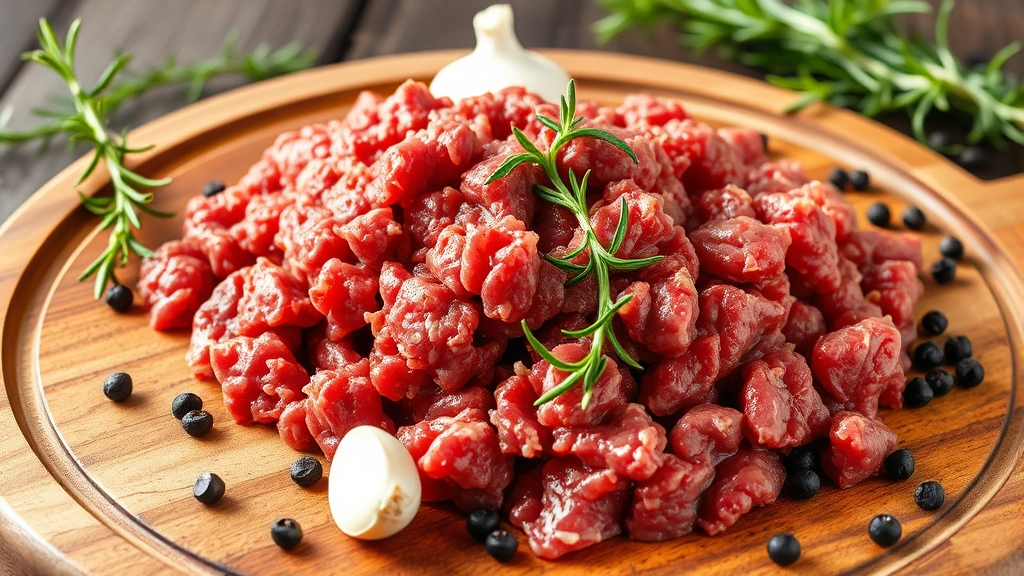
The flavor of venison carries earthy, slightly gamey notes that intensify with the animal’s age and diet. Young deer produce milder, more delicate meat, while mature animals offer deeper, more pronounced flavors. Quality ground venison should appear deep red with minimal visible fat, and it should smell fresh and clean without unpleasant odors. Store ground venison at 32-40°F and use within two days, or freeze at 0°F for up to six months.
Sourcing matters tremendously. If you’re processing your own harvest, ensure proper field dressing and processing techniques to prevent contamination and preserve meat quality. Professional processing facilities maintain strict temperature controls and hygiene standards. For those purchasing venison, seek reputable specialty butchers or culinary resources that guide ethical sourcing of wild game.
Essential Preparation Techniques
Success with ground venison begins before cooking. The meat’s leanness means adding fat becomes essential for moisture and flavor. Many hunters incorporate 15-20% pork fat, beef fat, or bacon into their ground venison. This ratio prevents dryness while maintaining venison’s distinctive character. Some prefer mixing venison with ground pork for natural fat content, creating a balanced blend that cooks beautifully.
Temperature control proves critical throughout preparation. Keep venison cold until the moment cooking begins. Warm meat releases juices and becomes difficult to work with. When forming patties or shaping meat for meatloaf, handle it minimally—overworking ground meat develops gluten networks that create tough, dense textures. Use a light touch, working quickly with cold hands or wearing disposable gloves.
Seasoning venison requires boldness. The meat’s lean nature and distinctive flavor profile demands robust seasonings rather than timid additions. A quality hamburger seasoning recipe adapted for venison should include garlic powder, onion powder, smoked paprika, black pepper, and fresh herbs like thyme or rosemary. Don’t shy away from umami-rich ingredients like soy sauce, Worcestershire sauce, or mushroom powder that amplify savory depth.
Classic Venison Burgers
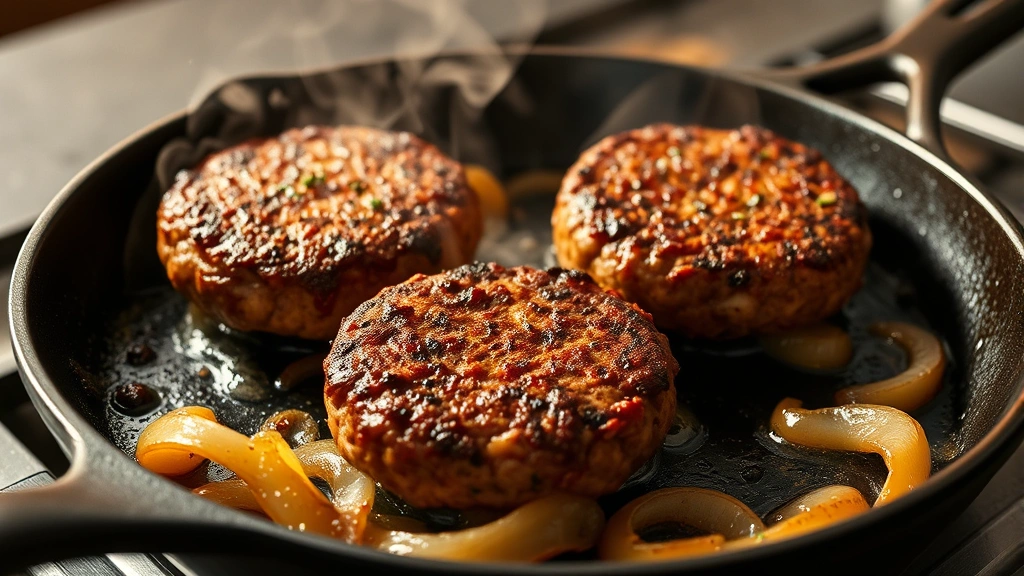
Venison burgers represent the ultimate expression of ground deer meat’s potential. Start with quality ground venison, ideally 85% venison and 15% pork fat. For every pound of meat, add one egg, ½ cup breadcrumbs soaked in milk, one minced garlic clove, one tablespoon of our burger sauce recipe, salt, and pepper. The egg and breadcrumb mixture acts as a binder, compensating for venison’s low fat content and ensuring juicy, tender burgers.
Form patties gently, making them slightly larger than your bun since they shrink during cooking. Create a small thumbprint depression in the center of each patty—this prevents the burger from puffing up and ensures even cooking. Refrigerate patties for at least 30 minutes before grilling; this helps them maintain their shape.
Cook venison burgers over medium-high heat, resisting the urge to press them with your spatula—this forces out precious juices. For medium doneness, aim for 160°F internal temperature, checking with an instant-read thermometer inserted into the thickest part. Venison burgers cook quickly due to their leanness; typically three to four minutes per side on a hot grill achieves perfect results.
Top your burgers generously. Venison pairs beautifully with caramelized onions, crispy bacon, sharp cheeses like aged cheddar, and fresh vegetables. The burger sauce recipe should complement rather than overpower the venison’s subtle gaminess. Consider toppings like sautéed mushrooms, peppery arugula, or roasted garlic aioli that enhance the meat’s natural flavors.
Savory Meatloaf Creations
Venison meatloaf transforms humble ground deer meat into an elegant dinner centerpiece. Combine two pounds ground venison with one pound ground pork, two eggs, one cup panko breadcrumbs, one diced onion, three minced garlic cloves, ½ cup milk, ¼ cup fresh parsley, two tablespoons Worcestershire sauce, one tablespoon Dijon mustard, salt, and pepper. Mix gently until just combined—overmixing creates dense, tough meatloaf.
Press the mixture into a loaf pan lined with foil for easy removal, or shape it freeform on a baking sheet lined with foil. Top with our meatloaf sauce recipe, spreading it evenly across the surface. The sauce should be tangy and slightly sweet, balancing venison’s earthy notes. Classic combinations include ketchup-brown sugar-vinegar bases or more sophisticated tomato-balsamic glazes.
Bake at 350°F for 50-60 minutes until the internal temperature reaches 160°F. Allow the meatloaf to rest for 10 minutes before slicing; this redistributes juices throughout the meat. Serve with mashed potatoes, roasted vegetables, or a simple green salad. Leftover meatloaf makes exceptional sandwiches the next day.
For variations, consider adding sautéed mushrooms, sun-dried tomatoes, or fresh herbs like sage and thyme to the meatloaf mixture. You might also prepare individual meatloaves in muffin tins for elegant plating and portion control.
Chili and Stew Mastery
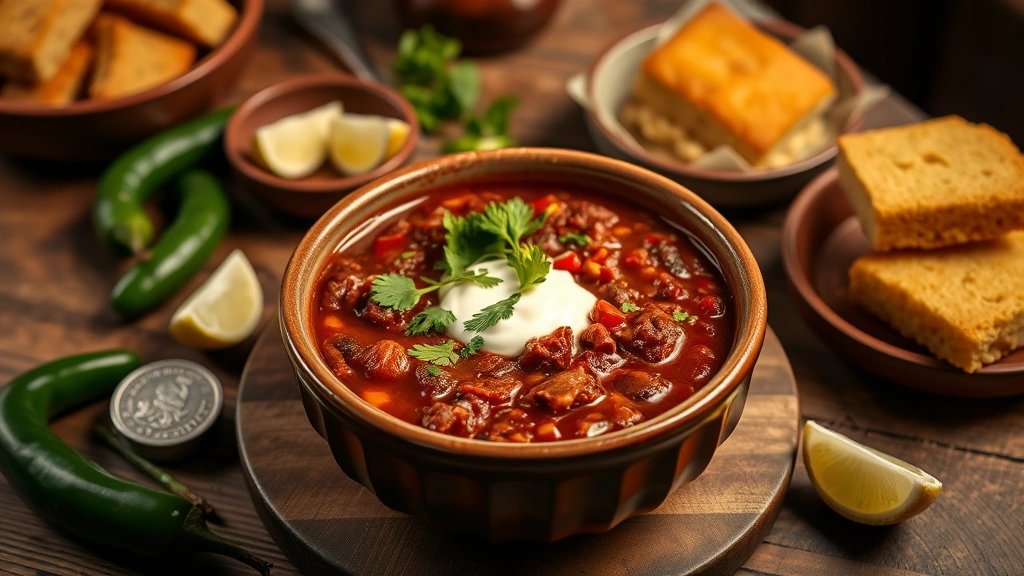
Venison chili harnesses the meat’s robust flavors in a deeply satisfying dish. Brown two pounds ground venison in a large pot over medium-high heat, breaking it apart as it cooks. Once browned, add two diced onions, four minced garlic cloves, and three diced bell peppers. Sauté until vegetables soften, about five minutes.
Add three tablespoons chili powder, two tablespoons cumin, one tablespoon smoked paprika, one tablespoon oregano, and ½ teaspoon cayenne pepper. Toast these spices for two minutes, allowing their aromatic oils to release. Deglaze the pot with one cup red wine or beef broth, scraping up browned bits from the bottom—this fond contains concentrated flavor.
Add three cans diced tomatoes, two cans kidney beans, one can black beans, two cups beef broth, two tablespoons tomato paste, one tablespoon balsamic vinegar, and one tablespoon brown sugar. Bring to a simmer and cook uncovered for 45 minutes to one hour, stirring occasionally. The longer simmer allows flavors to meld and develop complexity. For a richer chili, consider our healthy chili recipe which offers alternative ingredients and preparation methods.
Venison stew follows similar principles but requires different execution. Cut venison into ¾-inch cubes instead of grinding it, then brown the meat thoroughly before adding vegetables. The longer cooking time—approximately two hours at a gentle simmer—allows the meat to become tender while developing deep, complex flavors. Add root vegetables like carrots, potatoes, and parsnips along with fresh herbs like bay leaves and thyme.
Breakfast and Brunch Ideas
Venison breakfast sausage represents one of the most versatile applications for ground deer meat. Combine two pounds ground venison with ¼ pound ground pork, one tablespoon salt, one tablespoon black pepper, one tablespoon sage, one teaspoon thyme, one teaspoon fennel seed, ½ teaspoon red pepper flakes, and ¼ teaspoon cinnamon. Mix gently and form into patties or stuff into casings using a sausage maker.
Pan-fry patties over medium heat for three to four minutes per side until cooked through. The meat’s leanness means these sausages won’t release much fat, so a light coating of oil in the pan prevents sticking. Serve alongside scrambled eggs, fresh fruit, and toast for a hunter’s breakfast that fuels your day.
Venison breakfast tacos offer another delicious option. Brown ground venison with diced onions and jalapeños, then season with cumin, chili powder, and garlic powder. Serve in warm flour tortillas with scrambled eggs, sharp cheddar cheese, avocado, and salsa. The venison’s robust flavor stands up beautifully to bold Mexican seasonings and toppings.
Hash incorporating ground venison makes an excellent brunch dish. Dice cooked potatoes and sauté with diced onions, bell peppers, and mushrooms until vegetables begin to caramelize. Add crumbled cooked venison, season generously with salt and pepper, and top with fried eggs. The crispy potato exterior contrasts beautifully with the tender venison interior.
International Venison Dishes
Venison tacos al pastor showcase ground deer meat in a vibrant Latin American context. Marinate ground venison in a mixture of dried chiles, vinegar, pineapple juice, cumin, oregano, and garlic for at least two hours. The acidic marinade tenderizes the lean meat while infusing it with complex spice layers. Cook the marinated venison in a hot skillet until browned and caramelized, about eight minutes.
Serve in small corn tortillas topped with fresh pineapple, diced onion, cilantro, and a squeeze of lime. The sweetness of pineapple balances venison’s gaminess while the acidity brightens the overall dish. This preparation method demonstrates how proper seasoning and complementary ingredients elevate ground venison into restaurant-quality fare.
Italian venison bolognese transforms the classic pasta sauce using ground deer meat. Sauté minced onion, carrot, and celery (the traditional soffritto) in olive oil until soft. Add ground venison and brown thoroughly, then add tomato paste and cook for two minutes. Deglaze with red wine, add crushed San Marzano tomatoes, beef broth, and fresh bay leaves. Simmer for 45 minutes to one hour, allowing the sauce to reduce and flavors to concentrate.
This rich, deeply flavored sauce pairs beautifully with fresh pappardelle, rigatoni, or tagliatelle. The venison’s earthiness complements tomato’s acidity while the long simmer melds all elements into a cohesive whole. Finish with fresh parmesan and a basil leaf for authentic Italian presentation.
Asian-inspired ground venison dishes showcase the meat’s versatility. Prepare venison lettuce wraps by cooking ground venison with diced water chestnuts, mushrooms, green onions, and ginger in a sauce of soy sauce, rice vinegar, and sesame oil. Serve in crisp butter lettuce leaves with hoisin sauce and fresh cilantro. The light, fresh preparation allows venison’s subtle flavors to shine without heavy sauces obscuring them.
Middle Eastern venison kibbeh offers another international approach. Combine ground venison with bulgur wheat, onion, and warm spices like cinnamon, allspice, and cumin. Form into oval patties and pan-fry until golden, or bake for a lighter preparation. Serve with tahini sauce, fresh vegetables, and pita bread. This traditional preparation celebrates venison’s compatibility with bold, warming spices.
FAQ
Can I substitute ground venison for beef in any recipe?
Not directly. Venison’s leanness requires adjustments—add 15-20% fat through pork, beef, or bacon. Venison also benefits from bolder seasonings than beef recipes typically call for. Start with beef recipes as inspiration but expect to modify cooking times and seasoning levels.
How do I prevent ground venison from drying out?
Keep meat cold until cooking, don’t overmix when combining ingredients, add fat to compensate for venison’s leanness, don’t press burgers while cooking, and use an instant-read thermometer to avoid overcooking. Target 160°F for ground venison preparations.
What’s the best way to store ground venison?
Refrigerate at 32-40°F and use within two days, or freeze at 0°F for up to six months. Wrap tightly in plastic wrap or vacuum-seal to prevent freezer burn. Thaw overnight in the refrigerator rather than at room temperature.
Does ground venison require special seasoning?
Venison responds well to bold, aromatic seasonings. Garlic, onion, smoked paprika, cumin, sage, thyme, and rosemary all complement its natural flavors. Don’t shy away from umami ingredients like Worcestershire sauce, soy sauce, or mushroom powder.
Can I make venison sausage at home?
Absolutely. Combine ground venison with pork fat and seasonings, then either form into patties or stuff into casings using a sausage maker. Homemade sausage allows complete control over ingredients and fat ratios.
What internal temperature should ground venison reach?
Ground venison should reach 160°F internal temperature, the same as ground beef. Use an instant-read thermometer for accuracy, checking the thickest part of the meat.
Where can I find quality ground venison?
Check specialty butcher shops, farmers markets with game suppliers, or online retailers specializing in wild game. If processing your own harvest, maintain proper field dressing and processing techniques. Food science resources like Serious Eats offer detailed guidance on proper meat handling.


