Healthy Tuna Salad? Nutritionist Approved Recipe
Tuna salad has long been a go-to lunch option for busy professionals and health-conscious eaters alike. However, traditional recipes often rely heavily on mayonnaise, creating a dish that’s calorie-dense and lacks nutritional balance. The good news? A truly healthy tuna salad recipe is entirely achievable with smart ingredient swaps and thoughtful preparation techniques. This guide walks you through creating a nutritionist-approved version that tastes indulgent while delivering impressive protein, omega-3 fatty acids, and essential vitamins.
The secret to reinventing tuna salad lies in understanding which components drive its nutritional profile. By replacing heavy creamy bases with lighter alternatives, incorporating nutrient-dense vegetables, and choosing quality tuna products, you’ll transform this classic into a meal that genuinely supports your wellness goals. Whether you’re meal prepping for the week or preparing a quick weeknight dinner, this recipe adapts beautifully to your lifestyle.
Why Tuna Salad Deserves a Nutritional Upgrade
Traditional tuna salad recipes often contain three to four cups of mayonnaise mixed with just one can of tuna, creating an imbalanced nutritional profile. A single serving can easily exceed 400 calories, with the majority coming from fat rather than protein. While dietary fat isn’t inherently problematic, the ratio matters significantly for weight management and cardiovascular health.
The beauty of tuna lies in its exceptional nutritional foundation. A single 5-ounce can of tuna packed in water delivers approximately 25 grams of high-quality protein, making it one of the most efficient protein sources available. Additionally, tuna provides substantial amounts of selenium, a powerful antioxidant that supports thyroid function and immune health. When prepared mindfully, tuna salad becomes a nutritional powerhouse rather than a calorie trap.
Nutritionists consistently recommend tuna as part of a balanced diet, particularly for individuals following high-protein meal plans. The key distinction between healthy and unhealthy versions comes down to preparation method and supporting ingredients. By making intentional choices about every component, you’ll create a dish that satisfies cravings while advancing your nutritional objectives.
Choosing the Right Tuna
Not all canned tuna products are created equal. The choices you make at the grocery store significantly impact both nutrition and taste. Understanding the differences empowers you to make selections aligned with your health goals.
Water-packed versus oil-packed tuna: Water-packed tuna contains approximately 100 calories and 1 gram of fat per 5-ounce can, while oil-packed versions contain nearly 200 calories and 12 grams of fat. For a healthy tuna salad recipe, water-packed tuna provides a superior nutritional foundation. The oil in packed varieties serves preservation purposes rather than adding meaningful flavor, making it an unnecessary calorie addition.
Albacore versus skipjack: Albacore tuna (white tuna) tends to be milder and flakier, while skipjack (light tuna) offers a more pronounced oceanic flavor. From a nutritional standpoint, both are excellent choices. However, albacore contains slightly higher mercury levels, so nutritionists recommend limiting consumption to two to three servings weekly. Skipjack provides similar benefits with lower mercury content, making it ideal for frequent consumption.
Fresh versus canned: While fresh tuna offers culinary appeal, canned tuna actually provides superior nutritional benefits. The canning process involves cooking the fish at high temperatures, which preserves omega-3 fatty acids more effectively than many fresh preparation methods. Additionally, canned tuna is more affordable and shelf-stable, supporting consistent healthy eating habits.
Look for tuna products with minimal sodium content when possible. Many brands offer low-sodium options that taste identical to standard versions. Reading ingredient labels ensures you’re getting pure tuna without unnecessary additives or preservatives.
The Mayo Problem and Healthier Alternatives
Mayonnaise serves a crucial function in tuna salad—it acts as a binding agent while adding creaminess and richness. However, traditional mayo contains approximately 90 calories and 10 grams of fat per tablespoon. Most conventional recipes use four to five tablespoons, contributing 360-450 calories before adding other ingredients.
Greek yogurt base: Plain Greek yogurt offers an exceptional alternative, delivering creaminess with 20 calories and 2 grams of fat per two tablespoons. Additionally, Greek yogurt provides probiotics supporting digestive health and nearly double the protein of regular yogurt. Substitute 75% of your mayo with Greek yogurt for a lighter salad that maintains creamy texture.
Avocado as binder: Mashed ripe avocado provides natural creaminess while contributing heart-healthy monounsaturated fats and fiber. One-quarter of a medium avocado contains approximately 60 calories with beneficial micronutrients. This approach works beautifully when combined with a small amount of mayo or yogurt.
Hummus integration: Chickpea-based hummus adds creaminess while introducing plant-based protein and fiber. Two tablespoons contribute roughly 90 calories along with substantial nutritional benefits. This option works particularly well when you’re incorporating Mediterranean or Asian-inspired flavor profiles.
Oil and vinegar emulsion: Creating a light dressing from extra-virgin olive oil, vinegar, and mustard provides flavor without excessive mayo. This approach requires careful mixing to distribute ingredients evenly, but the result is a brighter, more refined tuna salad.
Essential Ingredients for Nutritionist-Approved Tuna Salad
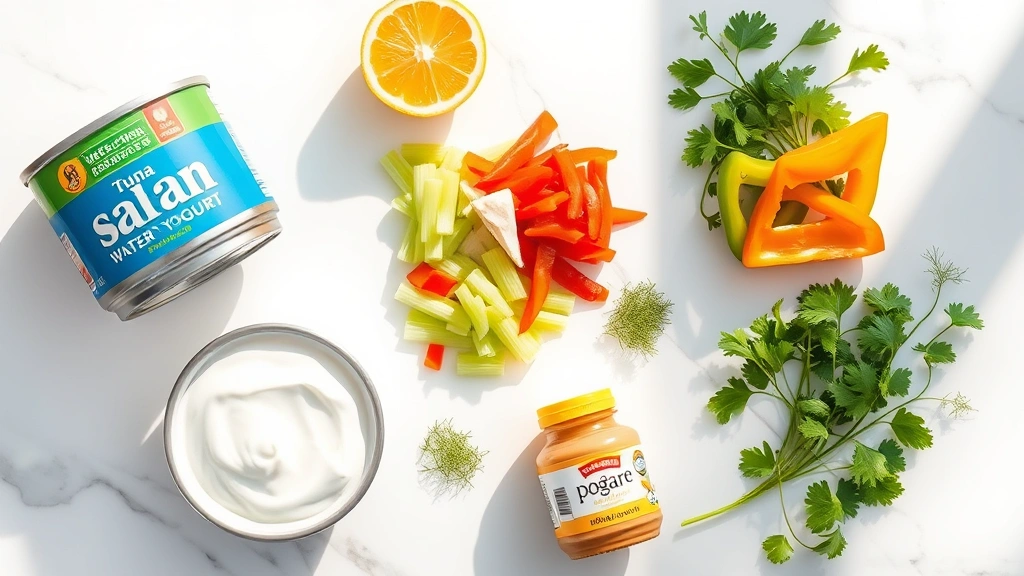
Building a truly healthy tuna salad requires thoughtful ingredient selection. Each component should contribute either nutritional value, flavor, or textural interest.
The protein foundation: Two 5-ounce cans of water-packed tuna (preferably skipjack) form your base. Drain thoroughly and flake into bite-sized pieces. This provides approximately 50 grams of protein per serving.
Crunchy vegetables: Celery, bell peppers, and red onion provide texture, fiber, and micronutrients. Dice approximately one cup of celery, one-half cup of bell pepper, and one-quarter cup of red onion. These vegetables add virtually no calories while contributing vitamin C, potassium, and antioxidants.
Fresh herbs: Dill, parsley, and tarragon elevate flavor without adding calories. These herbs contain beneficial compounds with anti-inflammatory properties. Fresh herbs dramatically improve the perceived sophistication of your dish compared to dried versions.
Creamy base: Combine one-half cup of plain Greek yogurt with two tablespoons of avocado mayo (or standard mayo if preferred). This hybrid approach balances nutrition with familiar flavor profiles.
Flavor enhancers: One tablespoon of Dijon mustard adds complexity without calories. Fresh lemon juice (approximately two tablespoons) brightens the overall profile and supports iron absorption from the tuna. Sea salt and freshly ground black pepper to taste.
Optional additions: Capers contribute a briny punch with minimal calories. Chopped hard-boiled eggs add additional protein and richness. A tablespoon of finely minced shallot introduces subtle sweetness and depth.
Step-by-Step Recipe Instructions
Preparation phase: Begin by draining your tuna thoroughly. Place the opened cans in a fine-mesh strainer and press gently with the back of a spoon to remove excess liquid. Thorough draining prevents your salad from becoming watery and ensures proper texture. Transfer the flaked tuna to a medium mixing bowl.
Building the dressing: In a small bowl, whisk together the Greek yogurt, mayo, and Dijon mustard until completely smooth. The mustard serves dual purposes—it adds flavor while helping emulsify the mixture. This step ensures even distribution of creamy components throughout your salad.
Vegetable preparation: While preparing your dressing, dice your celery, bell pepper, and red onion into uniform, bite-sized pieces. Uniform sizing ensures consistent texture in every bite and makes the salad more visually appealing. If using shallots, mince them finely to prevent overwhelming individual bites.
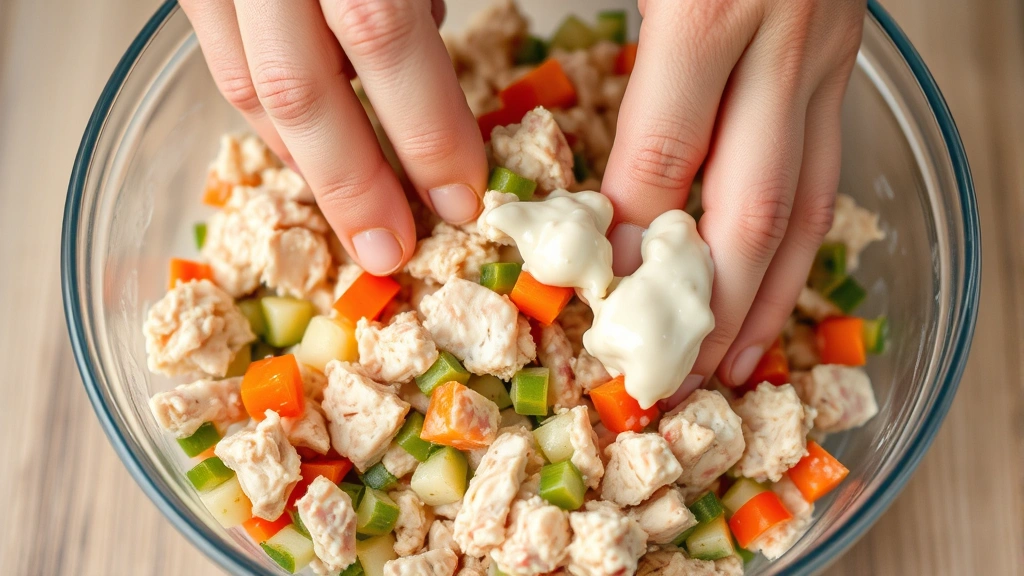
Combining ingredients: Add your prepared vegetables directly to the tuna, followed by the yogurt-mayo mixture. Gently fold the ingredients together using a rubber spatula, being careful not to break apart the tuna flakes excessively. Overworking the mixture creates a paste-like texture rather than the desired chunky consistency.
Seasoning adjustment: Add fresh lemon juice gradually, tasting as you go. The acidity brightens the overall profile while preventing the need for excessive salt. Season with sea salt and freshly ground black pepper, remembering that canned tuna often contains some sodium. Taste before adding additional salt, as you may need less than expected.
Fresh herb integration: Fold in your fresh herbs gently in the final step. Fresh herbs should remain visible throughout the salad rather than being pulverized into the mixture. Reserve a small amount of fresh dill for garnish if desired.
Resting period: Allow your tuna salad to rest in the refrigerator for at least 15 minutes before serving. This resting period allows flavors to meld and intensify. The cold temperature also improves texture and palatability.
Flavor Variations and Customization
The basic formula supports endless customization based on your preferences and available ingredients. These variations maintain the nutritional integrity while exploring different flavor territories.
Mediterranean version: Replace standard mayo with hummus, add sun-dried tomatoes (two tablespoons), kalamata olives (one-quarter cup, chopped), and fresh oregano. Include a tablespoon of capers for briny complexity. This variation pairs beautifully with whole grain easy homemade bread recipes for an elevated lunch experience.
Asian-inspired preparation: Substitute the mustard with wasabi (one teaspoon), add low-sodium soy sauce (one tablespoon), and incorporate grated fresh ginger (one teaspoon). Include shredded carrots, sliced green onions, and fresh cilantro. Sesame seeds (one tablespoon) add nutty complexity. This version creates exciting flavor combinations reminiscent of Asian recipes.
Dill pickle variation: Add two tablespoons of finely minced dill pickles plus one tablespoon of the pickling liquid. Increase fresh dill to two tablespoons for pronounced herbaceous notes. This nostalgic version appeals to classic tuna salad enthusiasts while maintaining nutritional standards.
Spicy Southwest style: Incorporate one-half cup of corn, one-quarter cup of black beans, one-quarter cup of diced jalapeño, and one tablespoon of fresh cilantro. Use lime juice instead of lemon juice and add one-quarter teaspoon of cumin. Serve with baked tortilla chips for satisfying crunch.
Curry-spiced version: Add one teaspoon of curry powder to your yogurt base, include one-quarter cup of diced mango, two tablespoons of chopped almonds, and one tablespoon of fresh cilantro. This sophisticated variation offers unexpected sweetness balanced by savory spice.
Serving Suggestions and Meal Pairing Ideas
Presenting your healthy tuna salad recipe strategically maximizes nutritional benefits while creating satisfying meals. Different serving methods suit different occasions and dietary goals.
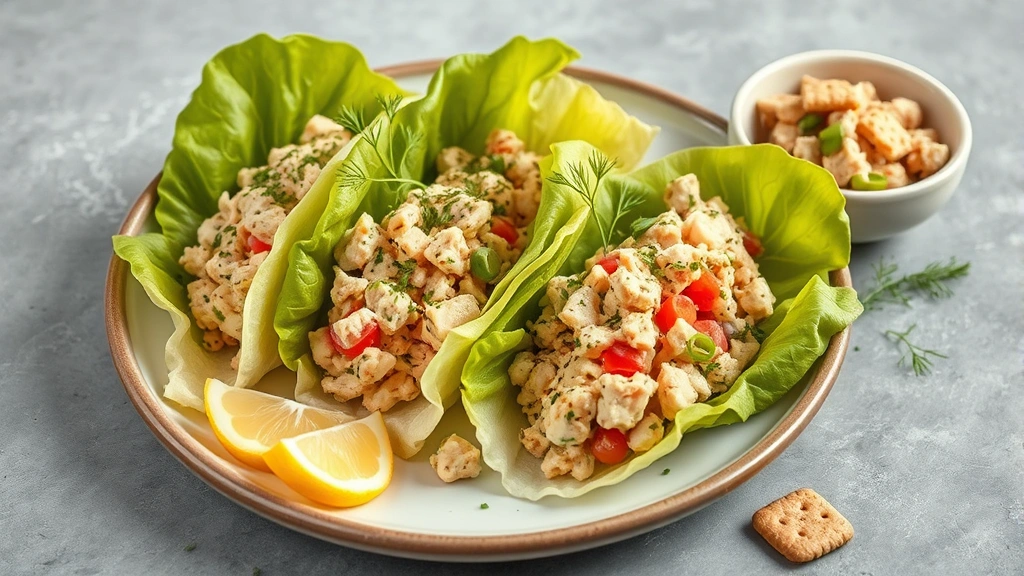
Lettuce wrap approach: Large butter lettuce or romaine leaves provide a crispy, low-carb base. This method delivers maximum vegetables while keeping calorie content minimal. Each wrap contains approximately 80-100 calories, making it ideal for portion-controlled eating.
Whole grain integration: Serve on whole grain bread or homemade bread options for sustained energy from complex carbohydrates. A single slice of whole grain bread adds approximately 80-100 calories while providing fiber and B vitamins. This classic presentation remains satisfying and nutritionally balanced.
Atop mixed greens: Transform your tuna salad into a substantial salad course by mounding it over mixed greens. Add additional vegetables like cucumber, tomato, and shredded beets for a colorful, nutrient-dense meal. Dress the greens lightly with homemade salad dressings to maintain nutritional control.
Stuffed avocado halves: Slice a ripe avocado lengthwise, remove the pit, and fill each half with approximately one-half cup of tuna salad. This elegant presentation provides additional healthy fats and potassium. The combination of tuna and avocado creates a nutritionally complete meal with approximately 300 calories.
Loaded sweet potato: Bake a medium sweet potato until tender and split lengthwise. Top with one cup of tuna salad and garnish with fresh herbs. Sweet potatoes contribute beta-carotene and additional fiber, creating a particularly nutritious meal that feels indulgent.
Meal prep containers: Portion your tuna salad into glass containers alongside whole grain crackers, fresh vegetables, and fruit. This approach supports consistent healthy eating throughout busy weeks. Keep the dressing and dry components separate until serving to maintain optimal texture.
Storage and Make-Ahead Tips
Proper storage ensures your tuna salad remains fresh and safe while maintaining nutritional integrity. Understanding best practices supports convenient meal preparation.
Refrigeration guidelines: Store your finished tuna salad in an airtight container on the coldest shelf of your refrigerator. Properly stored tuna salad remains fresh for three to four days. The cold temperature slows bacterial growth while allowing flavors to continue developing. After four days, discard any remaining salad regardless of appearance, as bacterial contamination may not be visually apparent.
Component separation: For extended storage, keep your tuna, vegetables, and dressing in separate containers. This approach extends freshness to five to six days while allowing customization at serving time. Mix components in the desired proportions just before eating to maintain optimal texture. This method also prevents soggy vegetables from deteriorating quality.
Freezing considerations: Tuna salad does not freeze well due to texture changes in vegetables and the separation of creamy components. However, you can freeze drained canned tuna for up to three months. Thaw in the refrigerator overnight before preparing fresh salad. This approach supports meal planning while maintaining quality.
Ingredient freshness: The quality of your finished product depends entirely on ingredient freshness. Purchase tuna within the code date printed on cans. Select vegetables that appear vibrant and firm, avoiding any with soft spots or discoloration. Fresh herbs should smell aromatic and show no signs of wilting. These small quality checks dramatically improve your final dish.
Reducing food waste: Implement food waste reduction tips by purchasing vegetables you’ll actually use and preparing salad in quantities you’ll consume within four days. Consider sharing batches with colleagues or friends if you’re concerned about waste. Vegetable scraps and trimmings can be composted rather than discarded.
Make-ahead strategy: Prepare your dressing in advance and store separately. This approach allows you to assemble fresh salad each morning, ensuring optimal texture and flavor. Alternatively, prepare individual containers with tuna and vegetables, adding dressing just before eating. This flexibility accommodates different preferences within a household while maintaining convenience.
FAQ
Is canned tuna safe to eat regularly?
Canned tuna is entirely safe for regular consumption when following reasonable guidelines. The primary concern involves mercury content, which accumulates with excessive intake. Nutritionists recommend limiting albacore (white) tuna to two to three servings weekly due to higher mercury levels. Skipjack (light) tuna contains significantly less mercury and can be safely consumed three to four times weekly. This healthy tuna salad recipe uses skipjack varieties, supporting frequent consumption without health concerns. Pregnant individuals should follow more conservative guidelines, consulting healthcare providers for personalized recommendations.
Can I use fresh tuna instead of canned?
Fresh tuna can absolutely replace canned tuna, though the preparation differs slightly. Sear fresh tuna steaks quickly over high heat, leaving the interior slightly rare for optimal texture and flavor. Allow to cool completely before flaking into your salad. Fresh tuna provides superior culinary experience but costs significantly more and requires more preparation time. The nutritional benefits are comparable, though canned tuna actually preserves omega-3 fatty acids more effectively during processing. For convenience and budget-consciousness, canned remains the practical choice for regular healthy tuna salad preparation.
What’s the nutritional breakdown per serving?
A single serving of this healthy tuna salad recipe (approximately one cup) contains roughly 150-180 calories, 25 grams of protein, 4-6 grams of fat, and 3 grams of carbohydrates. Exact numbers vary based on specific ingredient quantities and mayo-to-yogurt ratio. The high protein content supports satiety and muscle maintenance, while healthy fats from avocado and olive oil support nutrient absorption and hormone production. This nutritional profile makes tuna salad an exceptionally efficient meal for weight management and athletic performance.
Can I make this salad dairy-free?
Absolutely. Replace Greek yogurt with additional avocado or use dairy-free mayo made from plant-based oils. Coconut yogurt provides a neutral flavor alternative, though it may impart subtle coconut notes. Oil and vinegar emulsions work beautifully for dairy-free preparations. The salad remains nutritionally complete and delicious without any dairy products. Simply ensure your chosen binder provides adequate creaminess and flavor balance.
How can I make this recipe more budget-friendly?
Canned tuna is already one of the most affordable protein sources available. Purchase store-brand varieties and buy in bulk when sales occur. Seasonal vegetables cost less than out-of-season imports, so adjust your vegetable selections based on current availability. Fresh herbs can be grown in windowsill pots, providing ongoing savings. Standard mayo costs less than specialty varieties, and you can reduce overall mayo usage by increasing yogurt proportion. These adjustments maintain nutritional quality while reducing overall food costs.
What are the best bread pairings for this salad?
Whole grain bread varieties provide the most nutritional benefit, delivering fiber and sustained energy. Rye, spelt, and sprouted grain breads offer interesting flavor profiles that complement tuna beautifully. For lower-carb options, lettuce wraps or large vegetable leaves work wonderfully. Whole grain crackers provide satisfying crunch with controlled portions. If you enjoy baking, explore easy homemade bread recipes to customize your pairings fully. The bread selection significantly impacts the overall nutritional profile, so choose options aligned with your dietary goals.
Can I prepare this salad without mayo or yogurt?
Certainly. Oil and vinegar emulsions work beautifully, as does mashed avocado combined with lemon juice. Hummus provides creaminess and nutrition. Even a simple mixture of olive oil, Dijon mustard, and vinegar creates a light, flavorful salad. These approaches produce different texture and flavor profiles but deliver equally satisfying results. Experiment with different binders to discover your preferred version. The tuna itself provides adequate nutrition regardless of your chosen binding method.


