Hibachi Fried Rice? Chef’s Secret Revealed!
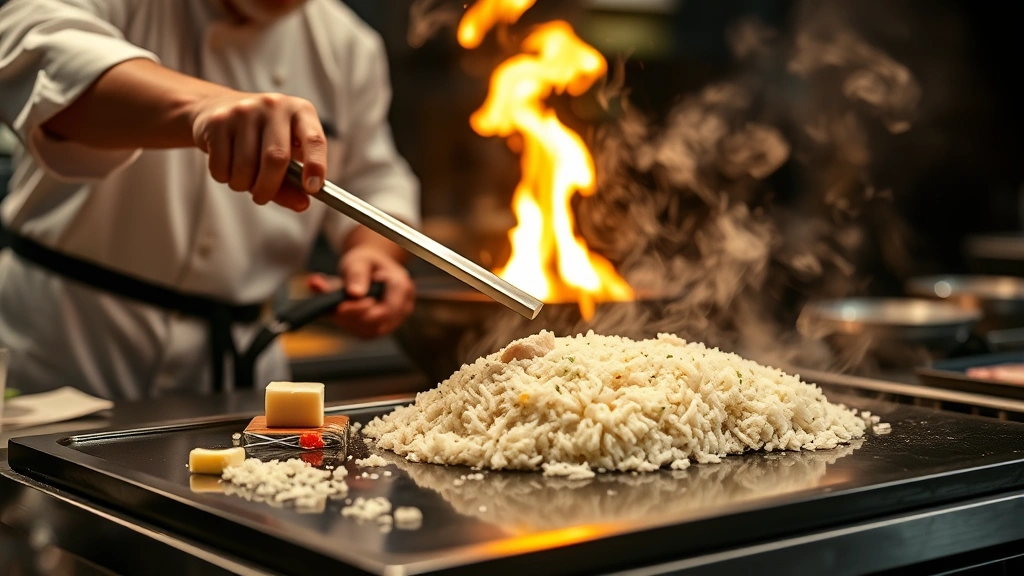
Hibachi fried rice is one of the most captivating dishes served at Japanese teppanyaki restaurants, where skilled chefs perform theatrical cooking right before your eyes. The combination of perfectly cooked rice, tender proteins, fresh vegetables, and that signature savory flavor profile keeps diners coming back for more. But here’s the secret that most home cooks don’t realize: you don’t need a massive flat-top griddle or professional equipment to recreate this restaurant-quality dish in your own kitchen.
The magic of hibachi fried rice lies not in expensive equipment, but in understanding the fundamental cooking techniques, ingredient selection, and timing. Whether you’re preparing breakfast fried rice or a complete dinner meal, mastering this technique will transform your everyday cooking. This comprehensive guide reveals exactly what professional chefs know about creating authentic hibachi fried rice that tastes just as delicious as what you’d pay $15-20 for at a restaurant.
The Foundation: Why Rice Preparation Matters
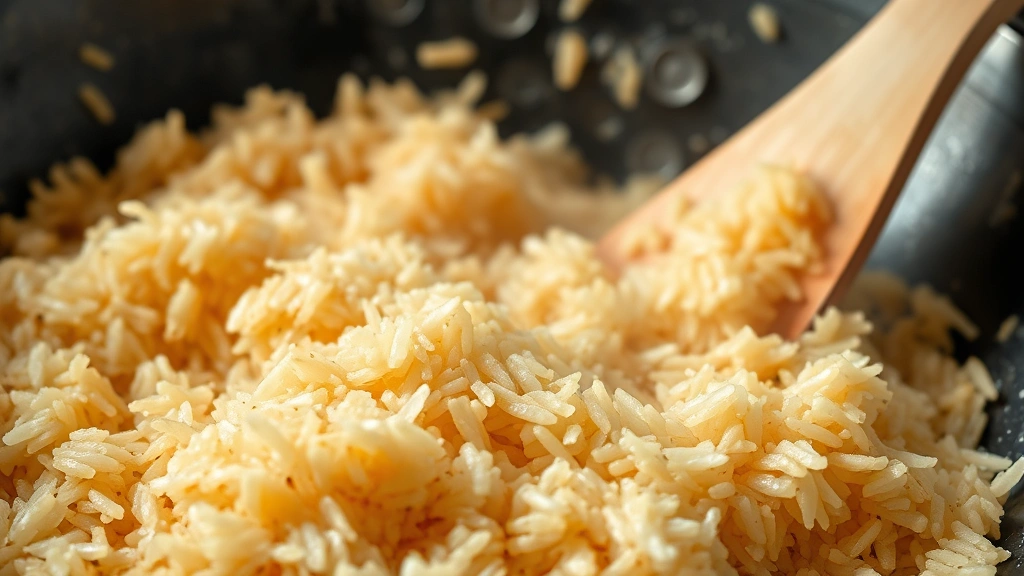
The most critical secret that separates mediocre fried rice from exceptional hibachi fried rice is how you prepare the rice itself. Professional chefs understand that using fresh, hot rice is a common mistake. Instead, they use cold, day-old rice that has been refrigerated overnight. This is non-negotiable for authentic results.
When rice is freshly cooked, it contains too much moisture and will clump together during frying. The individual grains stick to each other, creating a mushy texture rather than the desired fluffy, separated grains that characterize perfect hibachi fried rice. By refrigerating rice for at least 8 hours, the moisture evaporates, and each grain becomes firm and distinct.
Here’s the proper rice preparation process: Cook your rice using a 1:1.5 ratio of rice to water (one cup rice to one and a half cups water). Use jasmine or short-grain white rice for the best texture. After cooking, spread the rice on a baking sheet to cool quickly, then transfer it to an airtight container and refrigerate. When you’re ready to cook your hibachi fried rice, break up any clumps with your fingers before adding to the pan.
The rice should be at room temperature when you begin cooking, not straight from the refrigerator. Remove it about 30 minutes before you plan to cook. This allows the grains to separate naturally and ensures even cooking throughout the process.
Essential Ingredients for Authentic Flavor
Creating authentic hibachi fried rice requires specific ingredients that work together to produce that unmistakable restaurant taste. Let’s break down what you need for a standard four-serving batch:
- Rice: 3 cups cooked, chilled rice (day-old)
- Eggs: 2-3 large eggs, beaten
- Butter: 3 tablespoons (essential for authentic flavor)
- Soy sauce: 3-4 tablespoons (use quality soy sauce)
- Sesame oil: 1 tablespoon (adds depth)
- Garlic: 3-4 cloves, minced
- Onion: 1 medium, diced small
- Mixed vegetables: 1.5 cups (carrots, peas, corn)
- Protein: 1 cup cooked (shrimp, chicken, beef, or tofu)
- Salt and white pepper: To taste
- Green onions: 2-3 stalks, sliced (for garnish)
The quality of your soy sauce makes an enormous difference. Avoid cheap soy sauce that tastes overly salty. Look for brands like Kikkoman or San-J that offer balanced umami flavor. Sesame oil should be toasted (dark amber color), not the light, refined version. This ingredient list ensures you’re building authentic flavor layers rather than just seasoning rice.
Equipment You Actually Need
One of the biggest misconceptions is that you need a hibachi grill or expensive flat-top griddle. The truth? A simple large skillet or wok works perfectly. Here’s what professional home cooks use:
- Large skillet or wok: 12-14 inches diameter with high sides
- Wooden or silicone spatula: For stirring and breaking up rice clumps
- Small bowl: For beating eggs
- Cutting board and sharp knife: For prep work
- Measuring spoons: For accurate seasoning
- High-heat cooking oil: Vegetable or peanut oil (butter alone can burn)
A wok is ideal because its curved sides allow for easy tossing and mixing, mimicking the motion hibachi chefs use on their flat-top grills. However, a large stainless steel or cast-iron skillet works equally well. The key is having enough surface area to cook the ingredients without overcrowding, which would create steam rather than the desired sear and color.
Step-by-Step Cooking Instructions
Now let’s walk through the exact process professional chefs follow to create hibachi fried rice. Timing and temperature control are crucial here.
Step 1: Prepare all ingredients before cooking. Mise en place (having everything prepared and ready) is essential. Mince your garlic, dice your onions, measure your soy sauce, beat your eggs, and chop your protein and vegetables. This preparation prevents scrambling once the cooking begins at high heat.
Step 2: Heat your wok or skillet. Place it over medium-high heat for 2-3 minutes. You want the pan hot enough that a drop of water sizzles immediately. This temperature is essential for achieving the proper texture and color on the rice without creating a greasy dish.
Step 3: Add butter and oil. Add 1.5 tablespoons of butter and 1 tablespoon of vegetable oil to the hot pan. The combination of both provides the signature hibachi flavor while preventing the butter from burning. Let it heat for about 30 seconds until the foam subsides.
Step 4: Cook aromatics. Add your minced garlic and diced onions to the hot butter-oil mixture. Stir constantly for 1-2 minutes until the onions become translucent and fragrant. This develops the flavor foundation for your entire dish. Don’t let the garlic brown too much, as burnt garlic becomes bitter.
Step 5: Add protein. If using raw protein like chicken or shrimp, cook it now until just done, about 3-4 minutes. If your protein is already cooked, add it now and let it warm through for about 1 minute. The goal is to incorporate the protein’s flavors into the oil and butter.
Step 6: Push ingredients to the side. Move all the cooked ingredients to one side of the pan. Add your beaten eggs to the empty space. Let them sit undisturbed for about 15 seconds, then scramble them gently with your spatula. Once they’re nearly cooked through but still slightly wet, mix them with the other ingredients.
Step 7: Add rice. Increase the heat to high and add your room-temperature rice. Break up any clumps as you add it. Stir constantly for 3-4 minutes. The high heat will give the rice a slight color and that authentic hibachi flavor. You’ll hear a gentle crackling sound as the rice cooks—this is exactly what you want.
Step 8: Add vegetables. Add your pre-cut vegetables (carrots, peas, corn) and stir constantly for 2-3 minutes. If using fresh vegetables like broccoli, add them earlier so they cook through completely.
Step 9: Season properly. Add 3 tablespoons of soy sauce and 1 tablespoon of sesame oil. Stir thoroughly to distribute the seasonings evenly throughout the rice. Taste and adjust salt and pepper as needed. Remember that soy sauce is salty, so taste before adding additional salt.
Step 10: Final touch. Add the remaining 1.5 tablespoons of butter and stir until melted and incorporated. This final butter addition creates that rich, glossy finish characteristic of restaurant-quality hibachi fried rice. Remove from heat and garnish with sliced green onions and sesame seeds if desired.
Pro Techniques Used by Professional Chefs
Beyond the basic steps, professional hibachi chefs employ several advanced techniques that elevate their fried rice. Understanding these techniques will significantly improve your results.
The tossing method: Rather than stirring constantly, skilled chefs use a tossing motion that keeps the rice moving without breaking down the grains. If using a wok, practice the motion of tilting the wok slightly and using your spatula to flip the rice up and over itself. This prevents the rice from becoming mushy while ensuring even cooking and flavor distribution.
Temperature control: High heat is crucial for the first few minutes of cooking the rice, but don’t maintain maximum heat throughout. After the initial 3-4 minutes of high-heat cooking, reduce to medium-high to prevent overcooking and burning. Professional chefs adjust heat intuitively based on what they see and hear happening in the pan.
Layering flavors: Rather than adding all seasonings at once, chefs add ingredients in stages. Aromatics go in first to bloom in hot fat. Protein follows to develop its flavors. Rice comes next to absorb these flavors. Finally, fresh elements like green onions are added at the end to provide brightness and contrast. This layering creates complexity that simple one-step seasoning cannot achieve.
The egg technique: Cooking eggs separately and then mixing them in (rather than scrambling them into the rice) ensures you get distinct egg pieces throughout the dish rather than a uniform egg-rice mixture. This mimics the presentation you see at hibachi restaurants.
Butter finishing: The most underrated technique is adding butter at the very end. This creates a glossy coating on the rice and adds richness that makes the dish feel more indulgent. Professional chefs never skip this step.
Protein Variations and Options
One of the great advantages of hibachi fried rice is its versatility with proteins. Here are the best options and how to prepare each:
Shrimp: This is the most popular hibachi protein. Use medium to large shrimp, deveined and patted dry. Cook them in the butter-oil mixture for 1-2 minutes per side until pink and cooked through. Shrimp cooks quickly, so don’t walk away from the pan. Consider making ground beef and rice recipes if you prefer a heartier option.
Chicken: Cut boneless, skinless chicken breasts into small cubes (about ½-inch). Cook for 3-4 minutes in the butter-oil mixture, stirring occasionally, until cooked through. Chicken absorbs flavors beautifully and creates a protein-rich meal perfect for best breakfast food recipes when served with a fried egg on top.
Beef: Use sirloin or ribeye cut into thin strips or small cubes. Cook for 2-3 minutes until browned. Beef adds a rich flavor that pairs wonderfully with the soy and sesame seasonings.
Tofu: Press extra-firm tofu to remove excess moisture, then cut into small cubes. Cook for 2-3 minutes until the edges are slightly browned. For easy vegan breakfast ideas, tofu works perfectly as your protein base.
Combination: Many restaurants use a combination of shrimp, chicken, and beef. This creates a more interesting texture and flavor profile. Use about ⅓ cup of each protein for a balanced dish.
Vegetable Selection and Preparation
The vegetables in hibachi fried rice should be diced uniformly into small pieces, roughly the same size as the rice grains. This ensures even cooking and creates a cohesive texture throughout the dish.
Traditional hibachi vegetables include:
- Carrots: Dice finely. These add sweetness and color. Carrots take longer to cook, so add them earlier if using fresh rather than pre-cooked.
- Peas: Frozen peas are actually better than fresh for fried rice. They maintain their texture and don’t release excess moisture. Add them near the end.
- Corn: Sweet corn kernels add pleasant pops of sweetness. Frozen corn works perfectly and requires minimal cooking.
- Onions: Beyond the aromatic onions cooked early, some chefs add a small amount of diced onion near the end for fresh onion flavor.
- Zucchini: Dice small and cook for 2-3 minutes. This adds a subtle vegetable flavor without overpowering the dish.
- Broccoli: Use only small florets. Add early since broccoli takes longer to cook through.
Avoid vegetables with high water content like tomatoes or cucumbers, as they release moisture and make the rice soggy. Pre-cooking harder vegetables like carrots and broccoli ensures they’re tender by the time the rice finishes cooking.
Sauce and Seasoning Mastery
The sauce is what transforms simple fried rice into hibachi fried rice. While soy sauce is the primary seasoning, understanding how to balance flavors creates depth and complexity.
The basic hibachi sauce ratio: For every 3 cups of cooked rice, use 3-4 tablespoons of soy sauce, 1 tablespoon of sesame oil, and 3 tablespoons of butter. This ratio creates the signature hibachi flavor without oversalting the dish.
Flavor balancing: Soy sauce provides saltiness and umami. Sesame oil adds nutty richness and depth. Butter contributes richness and smoothness. Together, these create a complex flavor profile that tastes restaurant-quality. White pepper adds subtle heat without the visual specks of black pepper.
Optional flavor enhancers: Some chefs add a small splash of mirin (sweet rice wine) for subtle sweetness, or a touch of white vinegar for brightness. These are optional but can elevate your dish further. Add only ½ teaspoon at a time and taste as you go.
Garlic-infused oil technique: For deeper garlic flavor, some chefs make a garlic-infused oil by cooking minced garlic in oil at lower heat for several minutes before adding other ingredients. This mellows the garlic flavor and distributes it throughout the dish more evenly.
Tasting and adjusting: Always taste your fried rice before serving and adjust seasonings. If it tastes flat, it likely needs more soy sauce or sesame oil. If it’s too salty, you can’t fix it, so season gradually. The dish should taste savory and rich, not just salty.
Professional chefs understand that seasoning is personal. Some diners prefer more soy sauce, others less. Consider serving additional soy sauce on the side so people can adjust to their preference. This is standard practice at hibachi restaurants.
Common Mistakes to Avoid
Understanding what NOT to do is just as important as knowing what to do. Here are the most common mistakes home cooks make:
Using fresh rice: This is the number one mistake. Fresh rice is too moist and creates a clumpy, mushy dish. Always use day-old, refrigerated rice.
Overcrowding the pan: Adding too much rice at once creates steam rather than sear. If making fried rice for more than 4 people, cook in batches.
Cooking at too low temperature: Fried rice requires high heat, especially in the beginning. Low heat creates a soggy, steamed dish rather than the desired texture with slightly crispy edges.
Stirring too much: While you need to keep ingredients moving, constant aggressive stirring breaks down rice grains. Use a gentle tossing motion instead.
Adding wet ingredients: Pat all proteins dry before cooking. Moisture creates steam and prevents proper browning. This applies to any pre-cooked proteins as well.
Skipping the butter finishing: This final butter addition is what makes hibachi fried rice taste rich and restaurant-quality. Don’t skip it.
Using low-quality soy sauce: Cheap soy sauce tastes overly salty and one-dimensional. Invest in decent soy sauce—the difference is noticeable.
For meal planning ideas, consider that hibachi fried rice pairs well with other Asian-inspired dishes. You might enjoy exploring healthy crock pot recipes for complementary sides or flatbread pizza recipe ideas for variety in your meal rotation.
Scaling Your Recipe
The hibachi fried rice recipe scales well for larger groups. Here’s how to adjust for different serving sizes:
For 2 servings: Use 1.5 cups cooked rice, 1 egg, 1.5 tablespoons butter, 2 tablespoons soy sauce, ½ tablespoon sesame oil, and proportionally reduced vegetables and protein.
For 6-8 servings: Use 4.5-6 cups cooked rice, 4-5 eggs, 4-5 tablespoons butter, 5-6 tablespoons soy sauce, 1.5-2 tablespoons sesame oil, and cook in two batches rather than one large batch. Cooking in batches ensures proper texture and browning.
For large gatherings: If cooking for 10+ people, definitely use two pans or cook in multiple batches. Professional hibachi chefs never overcrowd their cooking surface because it affects the final product quality.
Storage and Reheating
Hibachi fried rice reheats well and makes excellent leftovers. Store in an airtight container in the refrigerator for up to 4 days. To reheat, add a small amount of butter or oil to a skillet and warm over medium-high heat, stirring occasionally. The reheated version won’t be quite as fluffy as fresh, but it’s still delicious. You can also reheat in the microwave, though the stovetop method preserves texture better.
Some chefs prefer to make extra fried rice specifically for leftovers because it’s such a convenient, delicious meal. Pack it in individual containers for easy grab-and-go lunches throughout the week.
FAQ
Can I use brown rice instead of white rice for hibachi fried rice?
Brown rice has a different texture and higher moisture content, making it less ideal for fried rice. However, you can use it if you prefer. Ensure it’s cooked properly and refrigerated overnight. The texture won’t be quite as light and fluffy as white rice, but the dish will still be delicious.
What’s the difference between hibachi fried rice and regular fried rice?
Hibachi fried rice is cooked on a flat-top grill with theatrical flair, typically at restaurants. The flavor profile emphasizes butter, soy sauce, and sesame oil. Regular fried rice is broader category that includes various Asian fried rice styles. Hibachi fried rice specifically mimics the restaurant version with those signature ingredients and cooking methods.
Can I make hibachi fried rice without eggs?
Yes, absolutely. Simply skip the egg or substitute with tofu scramble if you prefer. The eggs add protein and richness, but they’re not essential to the dish. Many restaurants offer egg-free versions upon request.
How long does hibachi fried rice take to cook?
Actual cooking time is about 10-15 minutes from start to finish, not including prep time. Prep time (chopping vegetables and proteins) typically takes 15-20 minutes. The cooking process itself moves quickly once you start.
Can I prepare hibachi fried rice in advance?
You can prep all your ingredients in advance—chop vegetables, cook and chill rice, marinate proteins. However, cook the actual fried rice just before serving for the best texture and flavor. It doesn’t hold well at room temperature for extended periods.
What’s the best oil to use for cooking hibachi fried rice?
Vegetable oil or peanut oil are ideal because they have high smoke points and neutral flavors. Avoid olive oil, which has a low smoke point and strong flavor that doesn’t work with hibachi seasonings. Sesame oil should only be used for finishing, not as a cooking oil, because it burns easily.
Why does restaurant hibachi fried rice taste better than mine?
Several factors contribute: restaurants use day-old rice (like you should), cook in high-heat woks with perfect temperature control, use quality ingredients, and employ proper technique. The biggest difference is usually using fresh rice instead of day-old rice, and not using enough butter. Follow the techniques in this guide and your homemade version will rival restaurants.
Can I add other vegetables like bell peppers or mushrooms?
Yes, you can customize with your preferred vegetables. Bell peppers work well—dice small and add near the end. Mushrooms should be sliced thin and cooked until their moisture evaporates. Avoid watery vegetables like tomatoes or cucumbers. Stick to firmer vegetables that hold their texture during cooking.
Is hibachi fried rice gluten-free?
Traditional hibachi fried rice made with regular soy sauce contains gluten. However, you can make it gluten-free by substituting tamari (gluten-free soy sauce) for regular soy sauce. Check all other ingredients to ensure they’re gluten-free if you have celiac disease or gluten sensitivity.
How do I make hibachi fried rice spicy?
Add sriracha, chili oil, or fresh diced chili peppers. Start with ½ teaspoon of sriracha and adjust to your heat preference. Some chefs infuse the cooking oil with chili flakes at the beginning. You can also serve sriracha on the side for diners to adjust their own heat level, which is common at restaurants.


