Easy Keto Crockpot Meals? Dietitian Approved
The ketogenic diet doesn’t have to mean spending hours in the kitchen. When you combine keto principles with the convenience of a slow cooker, you unlock a world of effortless, delicious meals that fit perfectly into your low-carb lifestyle. Whether you’re managing your macros for weight loss, blood sugar control, or overall wellness, keto crockpot recipes offer a practical solution for busy weekdays and meal-prep success.
Slow cooking is particularly well-suited to ketogenic eating because it naturally tenderizes fatty cuts of meat—the very cuts that are affordable and keto-friendly. The extended cooking time at low temperatures allows collagen and connective tissue to break down into gelatin, creating rich, satisfying dishes that keep you full and satisfied. Plus, the hands-off approach means you can set your meal in the morning and come home to dinner ready to serve.
Why Crockpots Are Perfect for Keto
Slow cookers and crockpots have earned their place in keto kitchens for several compelling reasons. First, they excel at cooking tougher, fattier cuts of meat that are both affordable and nutrient-dense. Brisket, chuck roast, pork shoulder, and beef ribs transform into tender, flavorful meals through low-and-slow cooking. These cuts are also higher in fat content, which aligns perfectly with keto macronutrient targets.
The minimal supervision required makes crockpot cooking ideal for people following demanding work schedules or managing multiple responsibilities. You can prep ingredients the night before, add them to the crockpot in the morning, and return to a fully cooked meal. This consistency supports dietary adherence—a critical factor in achieving sustainable results with any eating plan.
From a nutritional perspective, slow cooking preserves nutrients better than some high-heat methods. The gentle heat environment maintains the integrity of fat-soluble vitamins and reduces the formation of potentially harmful compounds. Additionally, the long cooking process creates bone broth-like qualities when cooking bone-in cuts, contributing to collagen and mineral content in your meals.
According to Integrative Nutrition, slow-cooked meals can enhance nutrient bioavailability and support digestive health through the breakdown of complex proteins and the development of beneficial compounds during the cooking process.
Essential Keto Crockpot Ingredients
Building a well-stocked pantry ensures you can create satisfying keto crockpot meals any night of the week. Understanding which ingredients work best with slow cooking will elevate your results and keep you in ketosis.
Proteins and Fats: Chuck roast, brisket, pork shoulder, chicken thighs, salmon, and ground beef are excellent crockpot staples. Fatty cuts like beef ribs and pork belly add richness and satiety. Bone-in, skin-on poultry creates naturally gelatinous, nutrient-dense broths. Heavy cream, butter, cream cheese, and full-fat sour cream add richness while keeping carbs minimal.
Low-Carb Vegetables: Cauliflower, zucchini, spinach, kale, Brussels sprouts, and celery work beautifully in slow-cooked dishes. Avoid starchy vegetables like potatoes, carrots (use sparingly), and corn. Mushrooms add umami depth and require minimal carb counting. Remember that vegetable volume can be increased significantly on keto without carb concerns when selecting non-starchy options.
Seasonings and Flavor Builders: Garlic, onion, fresh herbs (thyme, rosemary, oregano), and spice blends create complex flavors without adding carbs. Bone broth serves as an excellent cooking liquid, adding collagen and minerals. Apple cider vinegar, soy sauce, and Worcestershire sauce introduce tangy, savory notes. Cream-based sauces thicken naturally and add fat content.
Cheese and Dairy: Cheddar, mozzarella, and cream cheese melt smoothly into crockpot dishes. Parmesan adds sharp, umami flavors. These ingredients contribute to satisfying, restaurant-quality textures while supporting your macronutrient goals.
Best Keto Crockpot Meat Recipes
Meat-based crockpot recipes form the foundation of keto slow-cooker cooking. These dishes are forgiving, flavorful, and naturally aligned with low-carb nutrition.
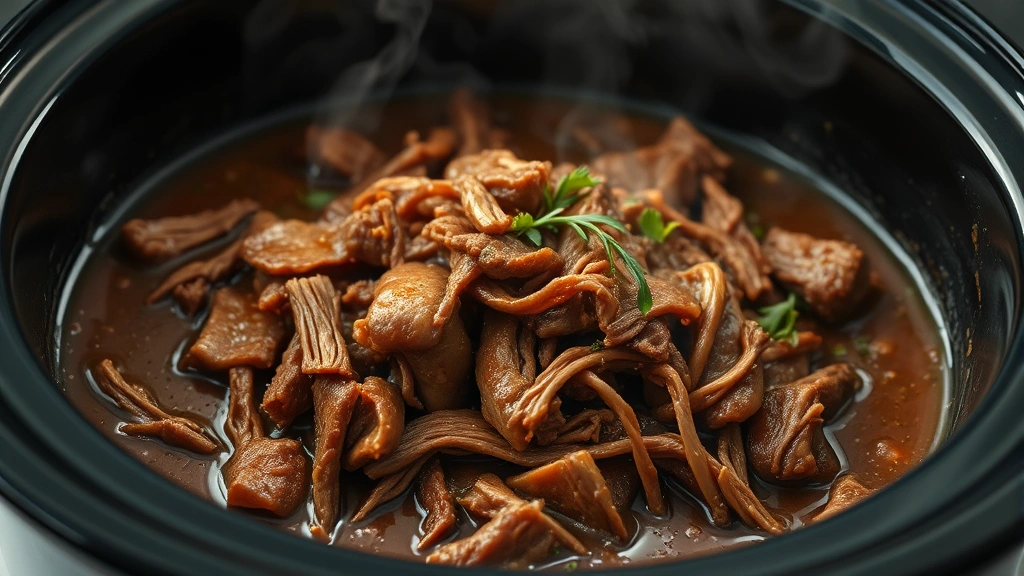
Creamy Garlic Butter Beef: Layer chuck roast with garlic, butter, and beef broth in your crockpot. After eight hours on low, shred the tender meat and stir in heavy cream, more butter, and fresh thyme. The result rivals steakhouse sides without the carb load. This recipe pairs perfectly with our roasted veggies recipe for added nutrients and variety.
Philly Cheese Steak Crockpot Version: Our Philly cheese steak recipe translates beautifully to the slow cooker. Combine sliced steak, bell peppers (use sparingly), onions, and provolone cheese in your crockpot on low for six hours. The result delivers all the satisfaction of the classic sandwich without the bread carbs. Serve in lettuce wraps or over cauliflower rice for a complete keto meal.
Pork Carnitas: Pork shoulder thrives in slow cookers. Season generously with cumin, chili powder, garlic, and oregano, then cook on low for eight to ten hours. The meat becomes so tender it shreds with a fork. Finish with a squeeze of lime juice and fresh cilantro. This versatile dish works for lettuce wraps, salads, or served alongside cauliflower rice.
Beef Taco Filling: Ground beef, taco seasoning, and bone broth create a keto-friendly taco filling in just four hours. Use this filling for our steak taco recipe concept but adapted with crockpot-cooked beef, or serve over lettuce leaves with cheese, sour cream, and avocado.
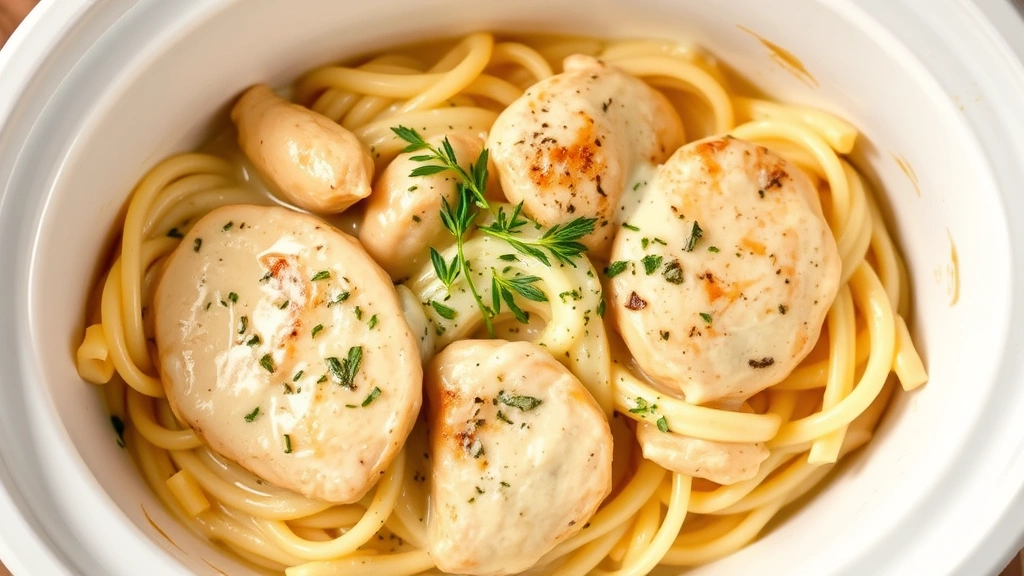
Chicken Alfredo: Boneless, skinless chicken breasts cook quickly (four to five hours on low) in a white wine and broth mixture. Shred the chicken and stir in heavy cream, butter, parmesan, and garlic to create a luxurious Alfredo sauce. Serve over cauliflower rice or zucchini noodles for a complete, satisfying meal.
Spicy Pulled Pork: Pork shoulder combined with sugar-free BBQ sauce (check labels carefully), cayenne pepper, and smoked paprika creates a versatile keto staple. Use it for ham and cheese sliders adapted with lettuce wraps, or serve atop a cauliflower mash with melted cheese.
Low-Carb Vegetable Side Dishes
While keto emphasizes protein and fat, nutrient-dense vegetables provide essential micronutrients, fiber, and phytonutrients. Your crockpot can prepare vegetables alongside or separately from your protein base.
Creamed Spinach and Mushrooms: Layer fresh spinach and sliced mushrooms in your crockpot with heavy cream, garlic, and butter. Cook on low for two hours, stirring occasionally. The spinach wilts down significantly, allowing you to consume substantial vegetable volume without carb concerns. This pairs beautifully with any protein dish.
Garlic Parmesan Cauliflower: Chop cauliflower into florets and combine with butter, minced garlic, chicken broth, and parmesan cheese. After three to four hours on low, the cauliflower becomes tender while retaining some texture. Finish with fresh parsley and additional cheese for restaurant-quality results at home.
Zucchini and Cheese Casserole: Layer sliced zucchini with mozzarella, cheddar, and heavy cream in your crockpot. Add herbs like basil and oregano for Italian-inspired flavor. This side dish cooks alongside your protein or independently, creating a vegetable-forward component to balance your meal composition.
Butter-Braised Cabbage: Shredded cabbage becomes silky and tender when cooked low and slow with butter, garlic, and caraway seeds. The extended cooking time allows flavors to develop while keeping this cruciferous vegetable tender. This budget-friendly side supports your food waste reduction tips by utilizing whole heads efficiently.
Loaded Cauliflower Mash: Steam cauliflower separately, then place in your crockpot with heavy cream, butter, roasted garlic, cheddar cheese, and bacon bits. Let it warm through on low for an hour, creating a creamy side that rivals traditional mashed potatoes without the carb impact.
Keto Crockpot Soups and Broths
Slow-cooked soups and broths exemplify keto nutrition. Simmering bones, connective tissue, and vegetables creates nutrient-dense liquids that support joint health, skin quality, and satiety.
Bone Broth Basics: Combine beef bones (knuckle bones and marrow bones are ideal), water, apple cider vinegar, and roughly chopped vegetables in your crockpot. Cook on low for twenty-four to forty-eight hours. The extended time extracts maximum collagen, minerals, and amino acids. Strain and use this broth as a base for other soups or consume plain with butter for a nourishing fast-breaking drink.
Creamy Bacon Cheeseburger Soup: Brown ground beef and bacon in a skillet, then add to your crockpot with beef broth, diced onions, garlic, and pickles. Cook on low for four hours, then stir in heavy cream and cheddar cheese. The result tastes like a deconstructed burger served in a warming bowl.
Tuscan Butter Chicken Soup: Combine chicken breasts, chicken broth, sun-dried tomatoes, garlic, and Italian herbs in your crockpot. After four hours on low, shred the chicken and stir in heavy cream, butter, and fresh spinach. The spinach wilts from the residual heat, creating a vegetable-forward soup that’s simultaneously satisfying and nutrient-dense.
Beef and Vegetable Stew: Layer beef chuck with low-carb vegetables like celery, mushrooms, and zucchini in your crockpot. Add beef broth, tomato paste (use sparingly—check carb counts), and herbs. After eight hours on low, you’ll have a hearty, warming stew that feels indulgent while supporting your nutritional goals.
Seafood Chowder: Combine salmon or cod with heavy cream, butter, chicken broth, and low-carb vegetables. Cook on low for three to four hours, being careful not to overcook delicate fish. The result is a restaurant-quality chowder that celebrates seafood’s natural richness.
Meal Prep and Storage Tips
Strategic meal preparation maximizes the efficiency of your keto crockpot cooking and supports consistent dietary adherence throughout busy weeks.
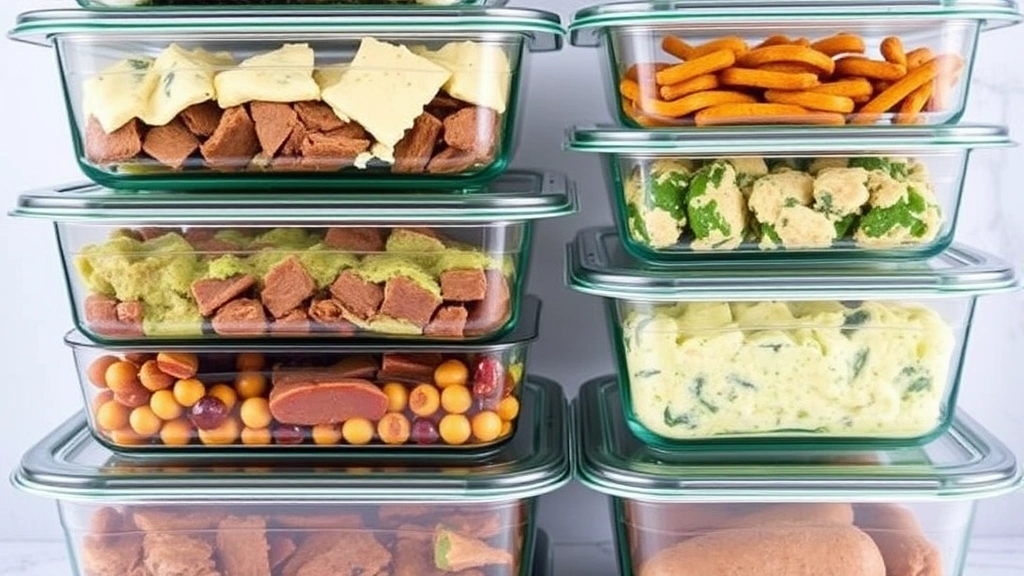
Prep-Ahead Strategy: Measure and store ingredients in freezer bags or glass containers the night before cooking. Combine proteins, seasonings, and broth, then transfer everything to your crockpot in the morning. This approach requires minimal morning effort while ensuring your meal is ready when you need it. For vegetable components, prep separately to prevent mushiness—add delicate vegetables during the final hour of cooking.
Portion Control and Macros: Immediately portion your finished meal into individual containers rather than storing the entire batch together. This practice prevents over-eating and simplifies macro tracking. Use a food scale to weigh proteins and fats accurately, ensuring you’re hitting your target ratios.
Storage Guidelines: Refrigerate cooked crockpot meals in airtight containers for up to four days. Most keto crockpot dishes freeze exceptionally well for up to three months. The high fat content protects against freezer burn while maintaining quality. Label containers with contents and cooking date for easy identification.
Reheating Best Practices: Thaw frozen meals overnight in the refrigerator, then reheat gently on the stovetop with a splash of broth to restore moisture. Microwave reheating works but may dry out some dishes. Crockpot reheating on low is ideal for maintaining texture, particularly for creamy soups and stews.
Batch Cooking Efficiency: Run multiple crockpots simultaneously if you have the space. Preparing four to five different meals at once creates significant time savings and ensures meal variety throughout your week. This approach prevents dietary monotony, a common challenge with restrictive eating plans.
FAQ
Can I use frozen meat in my crockpot for keto meals?
While technically possible, thawing meat first produces superior results. Frozen meat requires extended cooking times and may not reach safe internal temperatures as reliably. For food safety and optimal texture, thaw proteins overnight in your refrigerator before cooking.
How do I prevent my keto crockpot meals from becoming too dry?
Use adequate liquid (broth, cream, or bone broth) and avoid overcooking. Fatty cuts like chuck roast and pork shoulder naturally maintain moisture. If your finished dish seems dry, stir in additional heavy cream, butter, or broth before serving. Cooking on low rather than high also prevents moisture loss.
What’s the best way to add cream to crockpot meals without curdling?
Add heavy cream during the final thirty minutes of cooking, stirring gently to combine. Sour cream and cream cheese should also be added near the end. If you’re cooking for extended periods, wait until just before serving to incorporate dairy products.
Are there keto crockpot recipes suitable for meal prep?
Most keto crockpot recipes freeze beautifully and reheat well. Soups, stews, and shredded meat dishes are particularly freezer-friendly. Creamy dishes may separate slightly when frozen but recombine smoothly when reheated gently. Plan for five to ten minutes of stovetop reheating from frozen for best results.
Can I adapt non-keto crockpot recipes for ketogenic eating?
Absolutely. Remove or drastically reduce sugar-containing ingredients like BBQ sauce, ketchup, and sweet glazes. Replace starchy vegetables and grains with low-carb alternatives. Increase fat content through butter, cream, and fatty meat cuts. Most adaptations require minimal effort while dramatically reducing carbohydrate content.
How many carbs are typically in keto crockpot meals?
Properly prepared keto crockpot dishes contain minimal carbohydrates, typically ranging from zero to five grams per serving depending on vegetable additions. Cream-based dishes and meat-focused recipes naturally stay low-carb. Always verify individual ingredient carb counts, particularly with added vegetables or sauces.
What’s the ideal crockpot size for keto meal prep?
A six to eight-quart crockpot accommodates most family meals and batch cooking projects. Smaller three to four-quart models work well for individuals or couples. Consider your household size and freezer space when selecting equipment.
Keto crockpot cooking transforms dietary adherence from a challenge into a seamless daily practice. By understanding which ingredients work best, mastering essential recipes, and implementing strategic meal prep, you’ll discover that low-carb eating is not only sustainable but genuinely enjoyable. The combination of convenience, nutrition, and flavor makes slow cooker keto meals an invaluable tool for anyone committed to this lifestyle.


