Table of Contents
Introduction
There’s something magical about seafood. Maybe it’s the way a perfectly grilled salmon flakes apart with your fork, or how shrimp transforms from translucent to pink in just minutes. Whatever it is, seafood has this amazing ability to turn an ordinary Tuesday dinner into something special. And here’s the best part—you don’t need to be a trained chef to make it happen.
Beyond tasting incredible, seafood is basically nature’s multivitamin. We’re talking high-quality protein, those omega-3s everyone raves about, plus vitamins and minerals your body actually craves. But let’s be honest—many of us avoid cooking seafood at home. Maybe you’re worried about picking the wrong fish at the store, or you’re convinced you’ll somehow ruin an expensive piece of salmon. (Been there, done that.) The truth is, once you understand the basics—like which seafood tastes like what and how different cooking methods bring out the best flavors—you’ll wonder why you waited so long to start.
The key to great seafood? Master a few simple techniques. Grilling, baking, broiling, sautéing, steaming—each method unlocks something different in your ingredients. Take salmon: grill it for those gorgeous char marks, or bake it for tender, flaky perfection. Shrimp? They’re practically foolproof once you know the tricks. Same goes for crab, clams, and oysters—each has its sweet spot. But before you even think about cooking, you need to know how to pick fresh seafood and store it properly. Trust me, this makes all the difference between a meal you’ll remember and one you’d rather forget.
Here’s what I love about seafood cooking—it never gets boring. The variety alone is mind-blowing, and each type opens up new possibilities in your kitchen. Starting with simple seafood recipes is a smart move, especially when you’re building confidence. You’ll also want to nail down the safety basics (because nobody wants food poisoning) and maybe pick up some tricks for reducing food waste along the way. Speaking of which, these food waste reduction tips can help you make the most of every ingredient.
What You’ll Learn in This Guide
We’re going to cover everything you need to feel confident cooking seafood at home. Here’s what’s coming up:
- Popular Seafood Types and Their Flavors: Get to know different fish, shellfish, and mollusks—what they taste like, how they feel, and which ones work best for different dishes.
- Essential Cooking Techniques for Seafood: Master the core methods like grilling, baking, sautéing, and steaming that bring out seafood’s natural goodness without overcooking it.
- Top Recipes to Try: From classics like grilled salmon and shrimp scampi to some creative healthy options that’ll keep your meals exciting and satisfying.
- Tips for Selecting and Storing Seafood: Learn to spot the freshest catches at the market and keep them that way until you’re ready to cook.
Throughout this guide, you’ll find practical advice and recipe ideas that actually work in real kitchens (not just the fancy test kitchen kind). We’ll share the insider tips that help you choose the best seafood, store it like a pro, and cook it using techniques that bring out those amazing natural flavors. Whether you’re planning something special for date night or just want to shake up your weeknight dinner routine, you’ll walk away feeling excited about seafood instead of intimidated by it. And if you’re ready to jump right in, check out these seafood recipes that are perfect for getting started.
The beautiful thing about cooking seafood well isn’t just the taste—it’s knowing you’re doing something good for your health too. Those omega-3s we mentioned? They’re like fuel for your heart and brain. When you pair seafood with other nutrient-dense foods, you’re creating meals that taste amazing and make you feel great. If you want to explore more foods that complement your seafood dishes perfectly, take a look at these foods rich in antioxidants for some inspiration.
Ready to discover just how approachable and rewarding seafood cooking can be? We’re about to explore the wonderful world of different seafood types, dive into flavor combinations that work, and walk through cooking techniques that’ll have you creating restaurant-quality dishes in your own kitchen. Once you get the hang of it, you’ll be amazed at how easy—and delicious—cooking seafood at home really is.
There’s something magical about seafood that goes way beyond just food—it’s like bringing a piece of the ocean straight to your dinner table. The variety is incredible, right? You’ve got everything from buttery fish that melts in your mouth to sweet, tender shellfish that practically begs for a squeeze of lemon. Whether you’re already obsessed with seafood (like me) or you’re just starting to explore beyond the usual fish sticks, learning about different types and how to cook them properly will completely transform your kitchen game. Let’s dive into two things that’ll make you a seafood pro: getting to know the amazing variety of seafood out there and their unique flavors, plus mastering the cooking techniques that’ll have people asking for your recipes.
Popular Seafood Types and Their Distinct Flavors
Here’s what I love about seafood—every single type has its own personality. Some are bold and assertive, others are subtle and delicate. Once you understand what makes each one special, choosing the right seafood for your dish becomes second nature. Take fish, for example. Salmon, cod, and tuna might all be fish, but they’re completely different animals when it comes to flavor and texture. Salmon’s rich and buttery (perfect for that dinner party you’re planning), cod is mild and flaky (hello, fish and chips!), and tuna is firm and meaty (basically the steak of the sea).
Then you’ve got shellfish—and honestly, these little guys are pure luxury on a plate. Shrimp, crab, and lobster all have this incredible sweetness that’s hard to beat. The texture? Firm but tender, which means they can handle pretty much any cooking method you throw at them. And don’t even get me started on mollusks like clams, mussels, and oysters. They taste like the ocean in the best possible way—briny, fresh, and totally unique. You can steam them simply or toss them into a hearty stew. The key with these delicate beauties is freshness and gentle handling (trust me, you’ll taste the difference when you get it right).
Essential Varieties of Seafood and Their Flavor Profiles
Let me break down the seafood family for you. Understanding these basics will help you pick the perfect option for whatever you’re cooking:
- Fish: Think of fish as having three main personalities. You’ve got the rich, robust types like salmon that can stand up to bold flavors. Then there’s the mild, gentle fish like cod that’s perfect when you want something light and flaky. And finally, the firm, meaty fish like tuna that’s almost steak-like. Each one loves different herbs, spices, and cooking methods—it’s all about finding the right match.
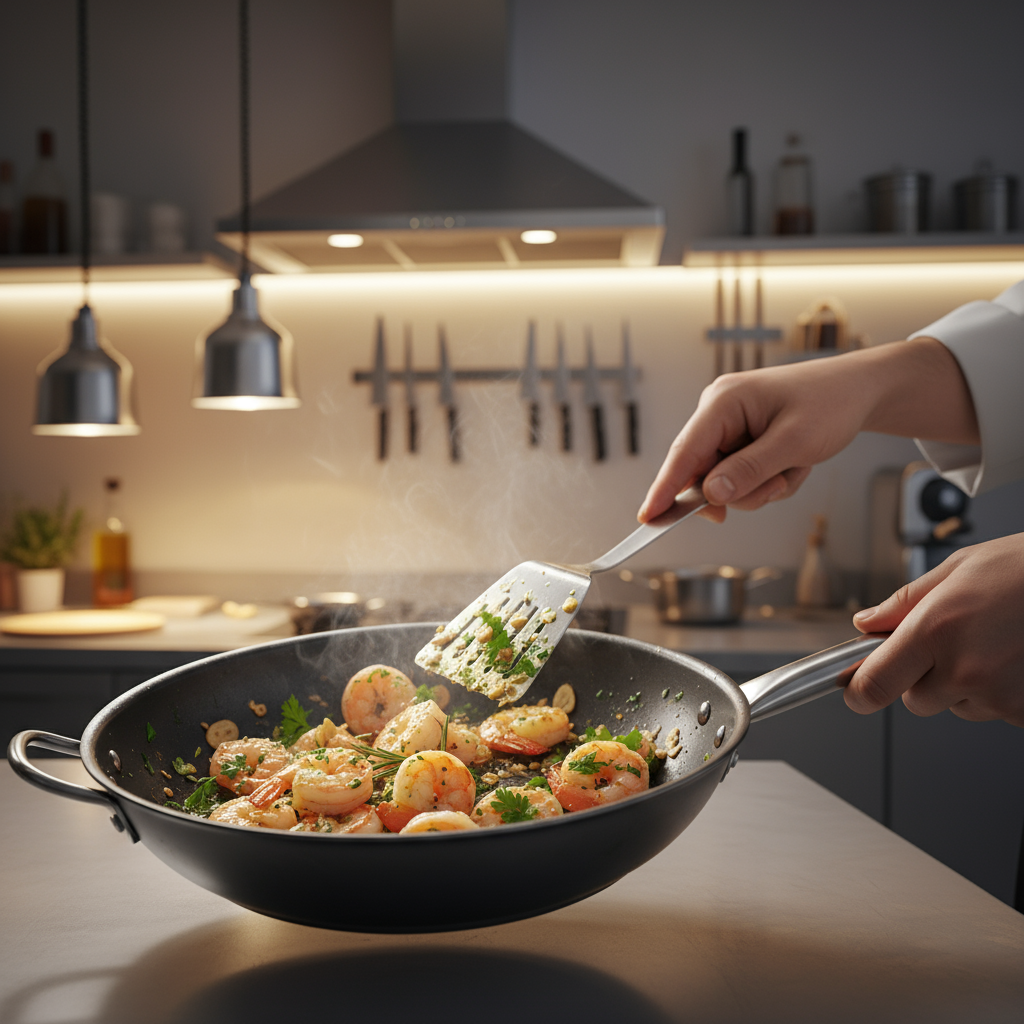
- Shrimp and Shellfish: These are the crowd-pleasers of the seafood world. That sweet, slightly briny flavor is just irresistible, and they’re incredibly versatile. You can sauté them quickly for a weeknight dinner, boil them for a classic shrimp cocktail, or grill them for something special. From simple garlic scampi to rich, creamy bisques—shellfish makes everything feel a little more luxurious.
- Mollusks: Clams, mussels, and oysters are in a league of their own. They taste like a fresh ocean breeze (in the best way), and there’s something almost primal about slurping them from their shells. Steam them with some white wine and garlic, or add them to a chowder for instant coastal vibes. Just remember—freshness is everything with these guys. When they’re good, they’re amazing. When they’re not… well, you’ll know.
- Flavor Pairings and Culinary Uses: Here’s where it gets fun. Once you know your seafood’s personality, you can play matchmaker with flavors. Delicate fish loves gentle herbs like dill and parsley. Shellfish goes crazy for citrus and garlic. And those briny mollusks? They’re perfect with anything that complements their ocean-fresh taste.
Getting familiar with seafood varieties isn’t just about expanding your cooking skills (though that’s definitely a bonus). It’s about becoming more intentional with your choices—picking the right type based on what flavors you’re craving and how you want to prepare it. And that knowledge? It’s going to set you up perfectly for the next step: learning how to cook all this beautiful seafood so it actually tastes as amazing as it should.
Essential Cooking Techniques for Seafood
Okay, let’s talk about the moment of truth—actually cooking your seafood. This is where things can go really right or really wrong, and honestly, it’s not as scary as people make it out to be. The thing about seafood is that it’s different from other proteins. It’s more delicate, cooks faster, and can go from perfect to overcooked in what feels like seconds. But once you get the hang of timing and technique, you’ll be amazed at what you can create. Whether you’re grilling, baking, broiling, sautéing, or steaming, each method has its sweet spot. Before we get into specifics though, nailing the prep and timing basics is absolutely crucial.
What’s really exciting is how modern cooking techniques can take your home-cooked seafood from good to restaurant-quality. You can combine methods too—like finishing your grilled fish with a quick sauté, or pairing perfectly steamed shellfish with a vibrant sauce that makes everything pop. The possibilities are endless once you understand how different techniques affect texture and flavor.
Key Seafood Cooking Techniques and Best Practices
These are the core methods every seafood lover should master. Each one brings out different qualities in your catch:
- Grilling Seafood: Nothing beats that smoky, slightly charred flavor you get from the grill, and it keeps your seafood beautifully moist inside. The secret? Clean, well-oiled grates (this prevents sticking), knowing how to create different heat zones, and choosing marinades or rubs that actually complement grilling. Don’t just wing it—a little prep goes a long way.
- Baking and Broiling: Baking is your gentle giant—perfect for delicate fish that needs even, controlled heat. Broiling is the opposite—high heat from above that creates that gorgeous golden, caramelized surface. Both methods need careful timing because there’s a fine line between perfectly cooked and dried out. But when you get it right? Pure magic.
- Sautéing and Steaming Seafood: Sautéing is all about speed—quick cooking in a little fat that’s perfect for tender fish and shellfish. It’s great for weeknight dinners when you want something fast but delicious. Steaming, on the other hand, is incredibly gentle and keeps all the moisture and nutrients locked in. Try adding aromatics to your steaming liquid—herbs, wine, citrus—and watch how it naturally enhances the flavor.
- Temperature Control and Handling: This might not be the most exciting part, but it’s crucial. Get yourself a good thermometer for thicker cuts, and learn to handle seafood gently so it doesn’t fall apart on you. Remember, seafood continues cooking even after you take it off the heat, so slightly underdone is often just right.

Here’s what I love about cooking seafood—it transforms your kitchen into something special. Every type brings its own personality to the table. Salmon’s rich, buttery taste. The sweet surprise of fresh shellfish. Those briny, ocean-kissed mollusks that transport you straight to the coast. Once you understand these flavors, you’re already halfway to creating meals that stick with people. And the cooking methods? They’re simpler than you think. Grilling, baking, broiling, sautéing, steaming—each one preserves that tender texture that makes seafood so irresistible.
Whether you’re just starting out or you’ve been cooking for years, there’s always something new to discover. (Trust me, I’m still learning!) Getting familiar with different varieties and how they pair with other ingredients? That’s where the magic happens. You’ll find yourself shopping for seafood with more confidence, storing it properly, and actually looking forward to prep time. Plus—and this is the best part—you’re doing your body a huge favor. All that high-quality protein, those omega-3s, the vitamins and minerals your body craves. It’s like getting a health boost with every delicious bite.
Ready to dive in? Start small and build from there. Try some simple seafood recipes that won’t overwhelm your weeknight schedule. And here’s a pro tip: learn some food waste reduction tips so you’re making the most of every ingredient. Want to take your nutrition game up a notch? Check out our guide to foods rich in antioxidants that pair beautifully with seafood. There’s also this helpful external resource about foods rich in antioxidants if you want to explore even more ways to boost your health through what you eat.
Go ahead—embrace the adventure. Every time you try a new recipe, you’re building skills and confidence. Before you know it, seafood prep will feel natural, even fun. Whether it’s a quick Tuesday dinner or you’re hosting friends, seafood gives you endless ways to impress (including yourself). Don’t be afraid to experiment with new flavors and techniques. The payoff—both in taste and nutrition—is absolutely worth it. And remember, we’re here with guides and recipes to help you every step of the way toward becoming the seafood cook you want to be.
Frequently Asked Questions
-
What is the best type of seafood for beginners?
- Mild-flavored fish like cod or tilapia are good starting options.
-
How can I tell if seafood is fresh?
- Look for firm texture, clear eyes, and a fresh ocean smell.
-
What are some quick and easy seafood recipes?
- Sautéed shrimp with garlic and butter is a fast, flavorful choice.
-
How should I store leftover seafood?
- Keep leftovers refrigerated and consume within two days for safety.