Grilled Portobello Caps: Chef’s Favorite Recipe!
Grilled portobello mushroom caps represent one of the most elegant yet surprisingly simple dishes in modern cuisine. These meaty, substantial fungi transform on the grill into tender delicacies with a smoky char that rivals any steakhouse preparation. Whether you’re cooking for vegetarian guests, looking to expand your grilling repertoire, or simply seeking a show-stopping side dish, this portobello cap recipe delivers restaurant-quality results in your own backyard.
What makes portobellos so special is their dense, hearty texture and natural umami flavor. Unlike delicate button mushrooms that wilt under heat, portobello caps maintain their structure while developing deep, caramelized edges and a tender interior. Professional chefs favor this ingredient because it requires minimal intervention—just proper seasoning, technique, and timing. In this comprehensive guide, we’ll walk through every step of creating perfectly grilled portobello caps that will impress even the most discerning palates.
Selecting and Preparing Your Mushrooms
The foundation of an outstanding grilled portobello cap recipe begins with selecting the right mushrooms. Look for caps that measure 4 to 5 inches in diameter—large enough to handle the grill’s heat without becoming too thin, yet manageable for plating and serving. The caps should feel firm with no soft spots or blemishes. A light browning on the surface is normal and desirable, indicating maturity and deeper flavor development.
When you bring your portobellos home, store them in a paper bag rather than plastic. Plastic traps moisture and encourages bacterial growth, while paper allows them to breathe. They’ll keep for up to five days in your refrigerator’s vegetable drawer. Before cooking, gently wipe each cap with a damp cloth to remove dirt—avoid soaking them, as mushrooms absorb water like sponges and will become waterlogged during cooking.
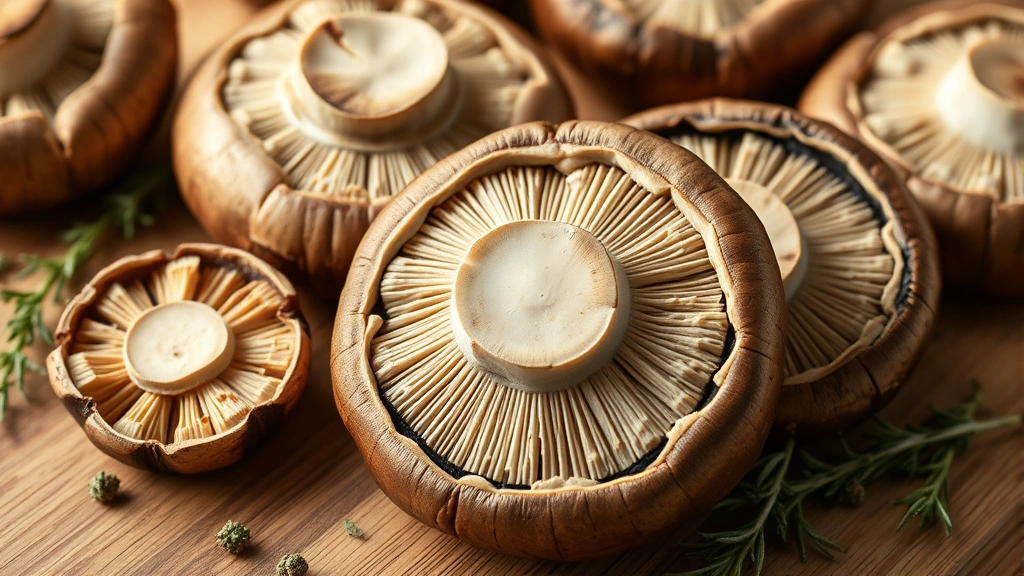
The most critical preparation step is removing the gills. Using a small spoon or melon baller, scrape out the dark gills from the underside of each cap. This serves multiple purposes: it prevents excess moisture from pooling during cooking, creates a cavity for marinades and toppings, and improves the overall texture. Work gently to avoid puncturing the cap’s flesh. Some chefs leave the gills intact for a more rustic preparation, but removing them gives you greater control over the final texture and appearance.
Pat the prepared caps dry with paper towels. Moisture is the enemy of a good sear—the drier your mushrooms, the better the caramelization on the grill. If you’re preparing these ahead of time, you can clean and destem them up to 24 hours in advance. Store them gill-side down on paper towels in the refrigerator to allow any remaining moisture to evaporate.
Seasoning and Marinade Essentials
While portobellos possess natural umami richness, proper seasoning elevates them to extraordinary levels. The simplest approach uses quality olive oil, kosher salt, freshly ground black pepper, and minced garlic. Combine these elements into a paste and brush generously onto both sides of each cap, paying special attention to the gill cavity where flavors concentrate.
For deeper complexity, develop a marinade that adds layers of flavor. A classic approach combines equal parts balsamic vinegar and olive oil with Dijon mustard, minced garlic, fresh thyme, and a touch of honey. This marinade works beautifully because the acid in vinegar helps break down the mushroom’s cellular structure, allowing flavors to penetrate while the oil carries fat-soluble aromatics. Marinate your caps for 30 minutes to 2 hours—longer marinating times don’t necessarily improve results and can lead to excessive softening.
Consider incorporating homemade sauces into your marinade strategy. A cocktail sauce base mixed with olive oil creates a bold, slightly spicy marinade with depth. Alternatively, brush your grilled caps with specialty sauce recipes immediately after cooking while they’re still warm, allowing the sauce to be absorbed by the hot mushroom flesh.
Don’t overlook the power of pickled red onions as a finishing element. Their sharp acidity and vibrant color provide contrast to the earthy mushrooms. Prepare these condiments while your mushrooms marinate, and you’ll have everything ready for final assembly.
Mastering the Grilling Technique
Proper grilling technique separates mediocre portobello caps from restaurant-caliber results. Begin by preheating your grill to medium-high heat, approximately 400 to 450 degrees Fahrenheit. Allow the grill to heat for at least 10 minutes—this ensures consistent cooking and proper grate temperature for searing. Clean your grill grates thoroughly with a grill brush to prevent sticking and ensure clean grill marks.
Remove your marinated mushroom caps from the refrigerator 10 minutes before grilling. This brief resting period allows them to approach room temperature, ensuring more even cooking throughout. Place the caps gill-side down on the grill first. This orientation allows the marinade to pool in the gill cavity and infuse the flesh while the bottom surface develops a beautiful sear.
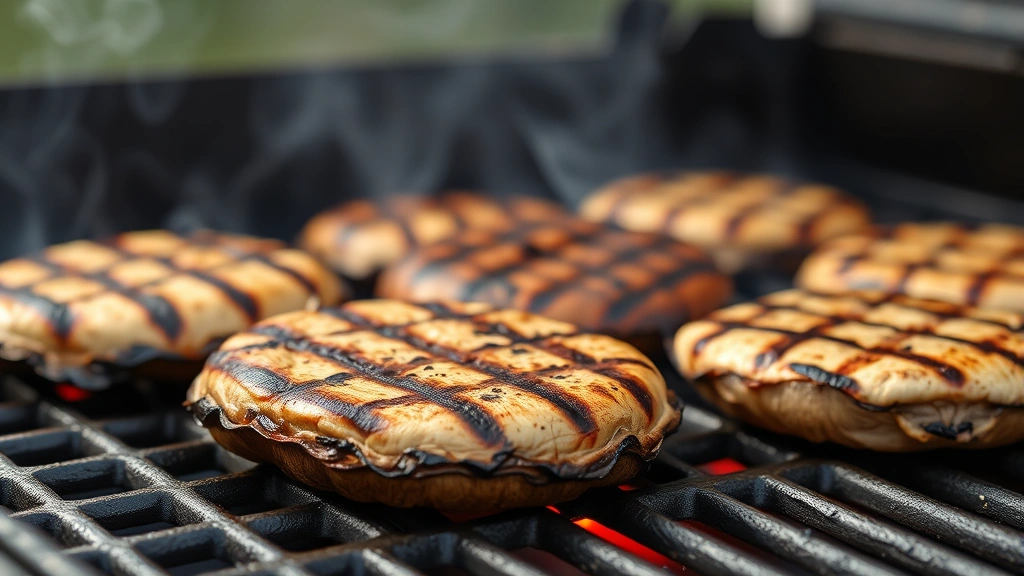
Grill the gill side for 4 to 5 minutes without moving them. Resist the urge to flip or adjust—this undisturbed cooking creates the caramelized crust that develops complex flavors through the Maillard reaction. You should hear a satisfying sizzle and smell rich, toasted aromas. Flip the caps carefully using tongs, then grill the top side for another 3 to 4 minutes until the flesh yields slightly to gentle pressure but maintains its structure.
The key indicator of doneness is tenderness combined with structural integrity. Pierce a cap with a fork or knife tip—it should slide through with minimal resistance, but the mushroom shouldn’t collapse or become mushy. The total cooking time typically ranges from 7 to 9 minutes, though this varies based on cap size and your grill’s specific temperature characteristics. Smaller caps may finish in 6 minutes, while larger specimens might need 10 minutes.
Watch for visual cues that indicate proper cooking. The edges should show distinct browning and slight charring, while the surface develops a concentrated, darker appearance. If your grill has hot and cool zones, position the mushrooms on the hotter side initially, then move them to medium heat for the final minutes if they’re browning too quickly. This technique prevents burning while ensuring thorough cooking.
Remove the caps from the grill using tongs, handling them gently to avoid breaking the tender flesh. Transfer them to a warm serving platter and allow them to rest for 2 minutes. This resting period lets the internal juices redistribute, ensuring moist, flavorful results. Any accumulated liquid in the gill cavities should be carefully spooned off before serving to prevent sogginess.
Serving and Accompaniments
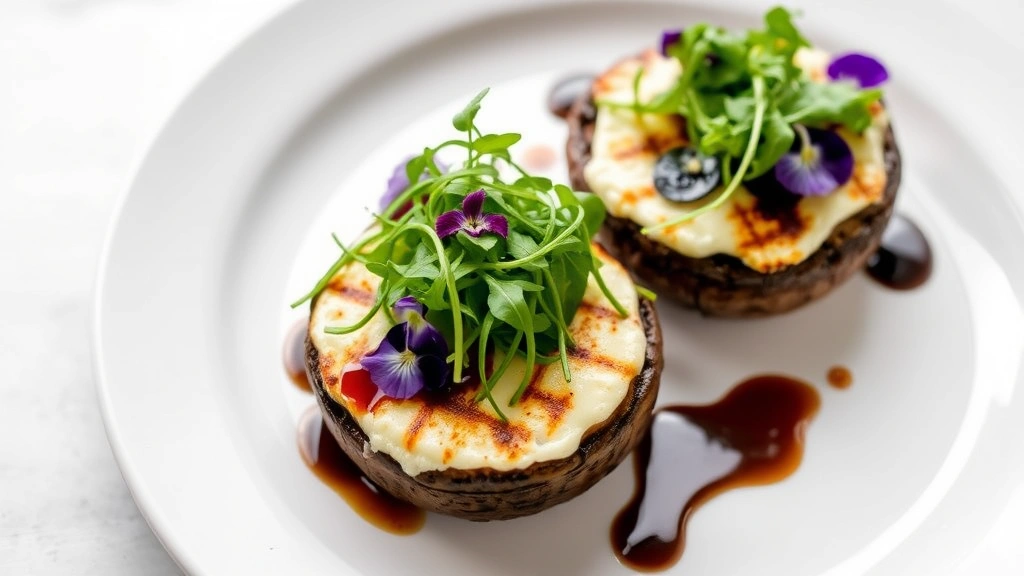
Presentation matters significantly when serving grilled portobello caps. Arrange them on individual plates with the gill side facing up, creating a natural vessel for toppings and sauces. A single cap makes an elegant side dish, while two caps can constitute a light main course. The visual appeal of the smoky char combined with the mushroom’s natural beauty creates an impressive presentation without excessive plating effort.
Consider your portobello caps as the foundation for building complete dishes. Top them with creamy goat cheese mixed with fresh herbs, crispy breadcrumbs, and a drizzle of truffle oil for a luxurious preparation. Alternatively, pile them high with sautéed vegetables like zucchini, bell peppers, and eggplant for a Mediterranean-inspired composition. Fresh arugula tossed with lemon vinaigrette provides a peppery contrast that brightens the earthy mushroom flavors.
Serve your grilled portobello caps alongside complementary mains or as part of a composed plate. They pair beautifully with grilled proteins—imagine a perfectly seared steak alongside a grilled portobello cap as an elegant surf-and-turf style presentation (though vegetarian). They also work wonderfully as part of vegetable-focused meals, standing alongside roasted asparagus, charred broccoli, or grilled corn.
Temperature control matters when plating. Use warm serving plates preheated in a 200-degree oven. This keeps the mushrooms warm longer and prevents them from cooling too rapidly, which can cause them to firm up or become less appetizing. Spoon any reserved marinade or fresh sauce over the caps just before serving, allowing the warm mushroom flesh to absorb the flavors.
Creative Variations and Flavor Profiles
While the classic preparation shines on its own, numerous variations allow you to customize your portobello cap recipe based on your preferences and available ingredients. An Asian-inspired version combines soy sauce, mirin, fresh ginger, and sesame oil in your marinade. Top the grilled caps with toasted sesame seeds, sliced green onions, and a drizzle of sriracha for bold, contemporary flavors.
A Mediterranean preparation incorporates fresh basil, oregano, and rosemary into your marinade alongside balsamic vinegar and garlic. After grilling, top the caps with fresh mozzarella, roasted red peppers, and a basil oil. This variation celebrates the flavors of Southern Europe and pairs beautifully with tomato-based sides or fresh salads.
For a smoky, American steakhouse approach, brush your caps with a mixture of smoked paprika, cumin, chili powder, and garlic powder before grilling. Finish with a dollop of chipotle crema or barbecue sauce. This variation transforms the mushrooms into a vegetarian answer to smoked meats, with deep, complex smokiness and subtle heat.
An Italian-inspired version relies on quality ingredients: extra virgin olive oil, aged balsamic vinegar, fresh garlic, and Italian parsley. Top your grilled caps with burrata cheese, which will soften slightly from the mushroom’s residual heat, and finish with fresh basil and a crack of sea salt. The creamy cheese creates a luxurious sauce as it melts onto the hot mushroom flesh.
Don’t hesitate to experiment with different marinades based on your pantry. Worcestershire sauce adds umami depth, while soy sauce provides saltiness and complexity. A touch of anchovy paste in your marinade intensifies savory notes without making the dish taste fishy. Fresh citrus juices like lemon or lime add brightness and help tenderize the mushroom flesh through enzymatic action.
FAQ
Can I prepare portobello caps in advance?
Yes, you can clean and marinate portobello caps up to 24 hours ahead. Store them gill-side down on paper towels to allow moisture to evaporate. However, grill them fresh just before serving for optimal texture and flavor. You can also grill them a few hours ahead and serve them at room temperature with fresh toppings, though warm portobello caps offer superior taste and texture.
What’s the best way to prevent sticking on the grill?
Ensure your grill grates are thoroughly cleaned and oiled before cooking. A well-oiled grate prevents sticking more effectively than oiling the mushrooms themselves. Additionally, allowing the mushrooms to develop an initial sear (about 2 minutes) before attempting to move them helps them release naturally from the grate. Avoid moving them prematurely, which can cause tearing.
How do I know when portobello caps are fully cooked?
Fully cooked portobello caps should yield easily to a fork or knife but maintain their structure. The flesh should be tender throughout, not rubbery or mushy. Visual cues include browning around the edges and a slightly darkened appearance on both sides. The total cooking time typically ranges from 7 to 9 minutes, though this varies based on cap size and grill temperature.
Can I grill portobello caps on a stovetop grill pan?
Absolutely. Use a cast-iron grill pan or ridged skillet preheated to medium-high heat. The cooking times remain similar to outdoor grilling—about 4 to 5 minutes per side. A stovetop method offers excellent control over temperature and works beautifully during inclement weather or when outdoor grilling isn’t convenient.
What should I do with excess marinade?
Never reuse marinade that has contacted raw mushrooms due to potential bacterial contamination. However, reserve a portion of your marinade before adding the mushrooms, then use this reserved portion as a finishing sauce or base for vinaigrettes. Alternatively, prepare extra marinade specifically for serving alongside the grilled caps.
Are there vegetarian protein options that pair well with grilled portobello caps?
Grilled portobello caps work beautifully alongside other vegetarian proteins. Pair them with grilled halloumi cheese for a hearty, meat-free main. Combine them with roasted chickpeas tossed in spices for added protein and texture. Grilled tofu, when properly seasoned and cooked until crispy, creates a complementary pairing with excellent visual contrast on the plate.
How do I store leftover grilled portobello caps?
Store cooled portobello caps in an airtight container in the refrigerator for up to 3 days. They can be reheated gently in a 300-degree oven or served cold in salads and grain bowls. The flavor actually develops further as they cool, making them excellent for next-day preparations. Reheat gently to prevent drying out the delicate flesh.


