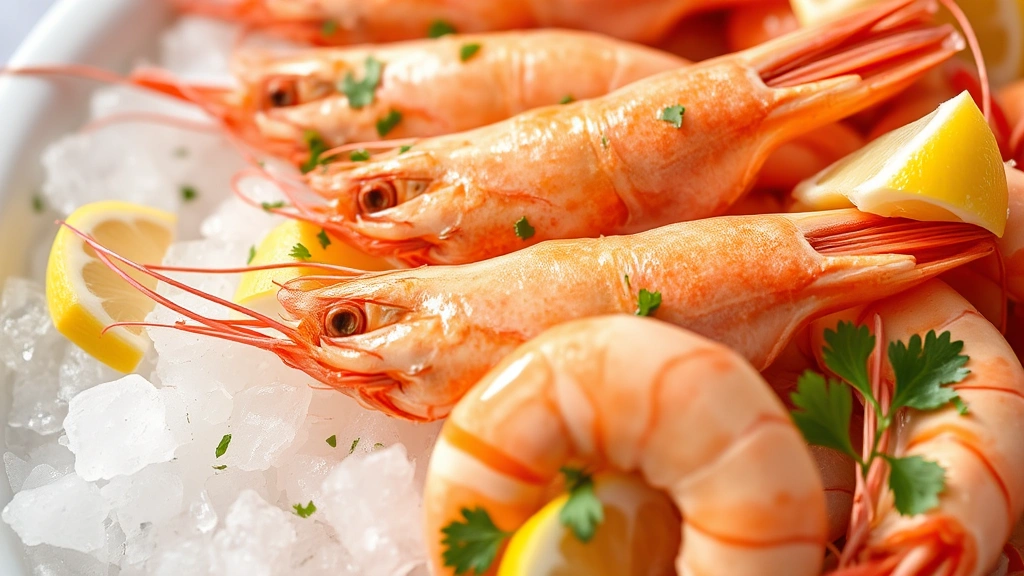
Prawn Creole Recipe: A Southern Classic Dish
Prawn Creole stands as one of the most beloved seafood dishes in Southern cuisine, representing centuries of culinary tradition blending French, Spanish, African, and Native American influences. This vibrant, aromatic dish hails from New Orleans and the Louisiana bayou, where fresh prawns meet the legendary holy trinity of onions, celery, and bell peppers. The result is a complex, deeply flavorful sauce that transforms simple ingredients into something truly extraordinary.
Whether you’re looking to impress dinner guests or create a memorable meal for your family, this prawn creole recipe delivers authentic Southern flavor with manageable techniques that home cooks can master. The dish combines succulent prawns with a rich tomato-based sauce infused with Creole spices, served traditionally over fluffy white rice. Each spoonful captures the essence of Louisiana’s culinary heritage while remaining accessible to cooks of all skill levels.
This comprehensive guide walks you through every step of creating restaurant-quality prawn creole at home, from selecting the finest ingredients to mastering the sauce-building techniques that professional chefs use. You’ll discover the secrets behind achieving that perfect balance of heat, depth, and brightness that makes this dish so addictive.
Understanding Creole Cuisine and Traditions
Creole cooking emerged from the unique cultural melting pot of New Orleans, where European, African, and Caribbean influences converged over generations. Unlike Cajun cuisine, which developed in rural Louisiana among French Acadian settlers, Creole cooking represents the sophisticated urban culinary traditions of New Orleans’ diverse population. The distinction matters because Creole dishes typically showcase more refined techniques and a broader spice palette.
The term “Creole” originally referred to people born in the colonies of European descent, but it eventually encompassed the entire cultural and culinary tradition of New Orleans. Prawn Creole exemplifies this heritage perfectly, combining techniques brought by French chefs with ingredients available in the Louisiana swamps and Gulf waters. The dish gained prominence during the 19th century when New Orleans was America’s wealthiest city, and its restaurants rivaled those of Paris and Madrid.
Understanding this context enhances your appreciation of the dish and helps explain why certain ingredients and techniques matter so much. When you prepare prawn creole, you’re participating in a living culinary tradition that has been refined and celebrated for over two centuries. This isn’t just a recipe; it’s a connection to history, culture, and generations of cooks who perfected these techniques.
Essential Ingredients for Authentic Prawn Creole
Creating authentic prawn creole begins with sourcing quality ingredients, each playing a crucial role in the final dish. The foundation starts with fresh or high-quality frozen prawns, preferably large ones that remain tender when cooked. Fresh Gulf prawns are traditional, but any large prawns work well for this recipe.
The aromatic base requires the holy trinity: yellow onions, celery, and bell peppers in roughly equal proportions. Fresh garlic adds another layer of complexity, while a quality tomato base forms the sauce’s foundation. Canned whole tomatoes work wonderfully and often taste better than fresh tomatoes outside peak season, as they’re processed at peak ripeness. Professional culinary training emphasizes using quality canned tomatoes specifically for this type of preparation.
Creole seasoning blends the magic into the dish. Traditional components include cayenne pepper, paprika, black pepper, thyme, oregano, and bay leaves. Many cooks create their own blends, while others use commercial Creole seasoning. The key is balancing heat with depth, ensuring the spices complement rather than overpower the delicate prawn flavor.
Additional essential ingredients include chicken or seafood stock, Worcestershire sauce, hot sauce (typically Louisiana-style), and a fat for cooking—traditionally butter or a combination of butter and oil. Finishing touches include fresh parsley and possibly a squeeze of fresh lemon juice to brighten the sauce.
Selecting and Preparing Your Prawns
The quality of your prawns directly impacts the final dish, making selection critically important. Look for prawns that smell like the ocean, not fishy or ammonia-like. If buying frozen, ensure they’re individually quick-frozen (IQF) rather than frozen in a block, allowing you to use only what you need. Thaw frozen prawns slowly in the refrigerator rather than at room temperature to maintain texture and flavor.
Size matters for this preparation. Large prawns (16-20 count per pound) work best, as they stay tender during cooking and provide substantial bites in the finished dish. Jumbo prawns (under 15 count) are luxurious but can sometimes become rubbery if overcooked. Medium prawns work acceptably but require careful timing to avoid toughness.
Preparation involves removing the shell, devein the prawn, and pat them dry with paper towels. Moisture on the surface prevents proper browning and can cause the prawns to steam rather than sear. Some cooks prefer leaving the tail on for presentation, while others remove it completely. Both approaches are authentic; choose based on your preference and dining style.
Don’t prepare prawns until just before cooking, as they deteriorate quickly once shelled. This timing ensures maximum freshness and optimal texture in your finished dish. If you must prepare them ahead, store shelled prawns in the coldest part of your refrigerator on a bed of ice, covered with plastic wrap.
Building the Holy Trinity Base
The holy trinity—onions, celery, and bell peppers—forms the aromatic foundation that gives Creole dishes their distinctive character. This combination appears in countless Creole and Cajun recipes, and mastering its preparation is essential to authentic flavor development. The ratio is typically equal parts of each vegetable, though slight variations based on personal preference are acceptable.
Start by dicing your vegetables into uniform pieces, roughly quarter-inch cubes. Uniformity matters because it ensures even cooking and allows the vegetables to release their flavors at the same rate. Chop onions first, then celery, then bell peppers, storing each separately until cooking time.
Heat your fat (butter, oil, or a combination) in a large, heavy-bottomed pot or Dutch oven over medium heat. The pot size matters—you want enough surface area for the vegetables to sauté rather than steam. Add the onions first and cook for 3-4 minutes, stirring occasionally, until they become translucent and fragrant. The onions release their natural sugars, creating a sweet base for the sauce.
Add the celery next and cook for another 2-3 minutes. Celery adds a subtle herbaceous quality and helps build the sauce’s complexity. Finally, add the bell peppers and cook for 2-3 additional minutes. At this point, you should notice the kitchen filling with the most enticing aroma—this is your signal that the vegetables are properly caramelizing and releasing their full flavor potential.
Some traditional recipes include a roux-based thickener at this stage, cooking flour in the fat to create a paste before adding vegetables. This technique creates a deeper, richer sauce. If using this method, cook the roux for 3-4 minutes, stirring constantly to avoid burning, until it reaches a chocolate brown color. Then proceed with adding vegetables to the roux.
Creating the Perfect Creole Sauce
With your vegetable base prepared, it’s time to build the sauce that makes prawn creole so memorable. Add minced garlic to your aromatics and cook for just 30 seconds, until fragrant but not brown. Burnt garlic creates bitterness that undermines the entire dish, so watch carefully during this brief window.
Add your Creole seasoning blend to the vegetables and cook for 1-2 minutes, stirring constantly. This blooming process releases the essential oils from the spices, distributing them throughout the oil and vegetables. You’ll notice the aroma intensifying and becoming more complex as the spices activate.
Pour in your tomatoes, using canned whole tomatoes and crushing them by hand or with a wooden spoon as they go into the pot. Add their liquid as well—those tomato juices contain tremendous flavor. Add your stock (chicken or seafood, approximately 1 cup), Worcestershire sauce (about 1 tablespoon), and hot sauce to taste. Start conservatively with hot sauce; you can always add more, but you can’t remove it.
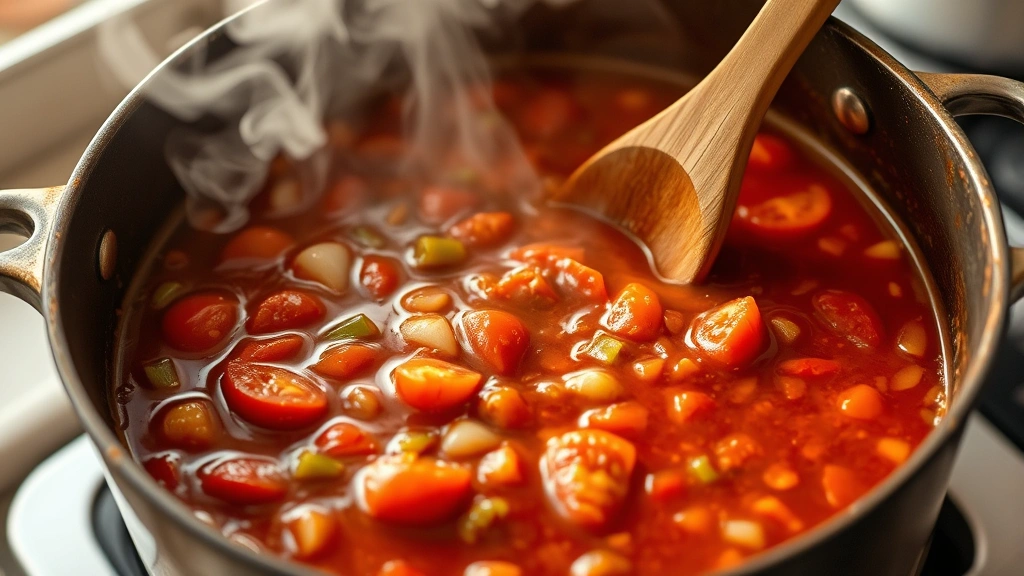
Stir everything together thoroughly, ensuring no spices or ingredients cling to the pot bottom. Bring the mixture to a gentle simmer over medium-high heat. Once simmering, reduce heat to medium-low and let the sauce cook uncovered for 15-20 minutes. This allows flavors to meld and the sauce to thicken slightly as liquid reduces.
The sauce should develop a rich, deep color and smell absolutely magnificent. Taste and adjust seasonings as needed. This is your opportunity to balance flavors: add more cayenne if you want more heat, more Worcestershire if you want more savory depth, or a squeeze of lemon if the sauce feels heavy. Remember that the sauce will continue to develop flavor as it sits, so don’t over-season at this point.
Add bay leaves (typically 2-3) and a few sprigs of fresh thyme if available. These herbs infuse the sauce with subtle, sophisticated notes that tie everything together. Let the sauce simmer for another 5-10 minutes to allow these herbs to fully integrate.
Cooking Techniques and Timing
The moment your sauce reaches its perfect state is when you add the prawns. This timing is crucial—prawns cook quickly, and overcooked prawns become tough and rubbery. Pat your prepared prawns dry one final time and season lightly with salt and pepper.
If you prefer seared prawns with caramelized exteriors, heat a separate skillet over medium-high heat with a bit of butter or oil. Sear the prawns for 1-2 minutes per side until they develop a golden crust and just barely turn opaque. This step adds textural contrast and concentrated prawn flavor. Transfer the seared prawns directly into your simmering sauce.
Alternatively, you can add raw prawns directly to the sauce, which is more traditional and equally delicious. Gently stir the prawns into the simmering sauce, ensuring they’re submerged. Cook for 4-6 minutes, depending on prawn size, until they turn completely pink and opaque throughout. Don’t stir constantly; let them cook undisturbed for a minute or two, then gently stir occasionally.
The sauce should coat the prawns beautifully, with a rich, glossy appearance. The color should be a deep reddish-brown, and the aroma should be intoxicating. Taste the sauce one final time and make any last-minute adjustments. Add fresh lemon juice if desired—just a squeeze brightens the entire dish without making it taste citrusy.
Remove bay leaves and thyme sprigs before serving. This is also when you might add easy dinner recipes for beginners that incorporate this sauce for variations.
Serving and Pairing Suggestions
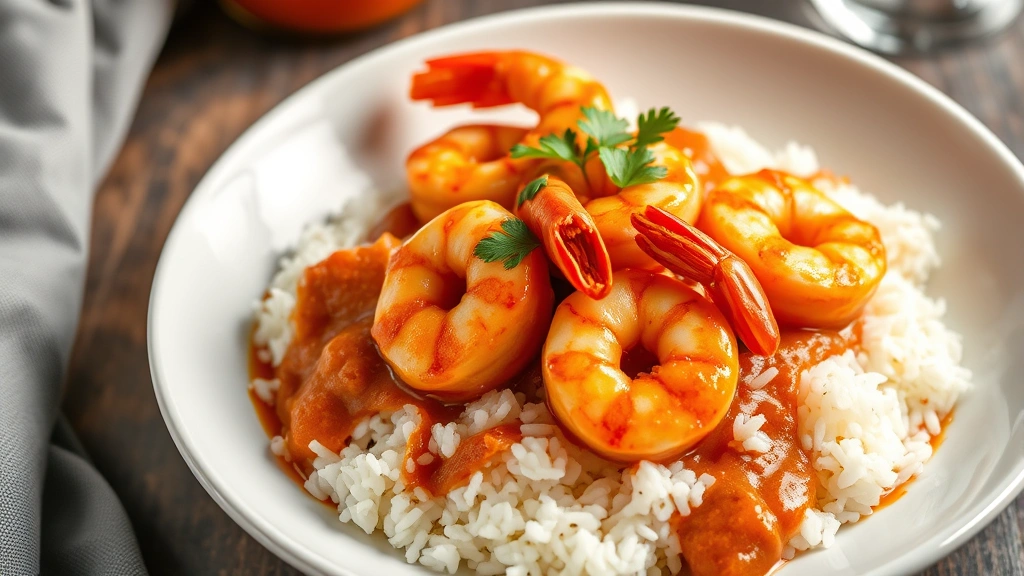
Prawn Creole is traditionally served over fluffy white rice, which absorbs the delicious sauce and provides a neutral canvas for the bold flavors. Prepare your rice separately, aiming for distinct, fluffy grains rather than a mushy consistency. Jasmine or long-grain white rice works perfectly.
To plate, spoon a generous portion of rice into the center of each bowl or plate, creating a small mound. Ladle the prawn creole sauce over the rice, ensuring each serving includes several prawns and plenty of the rich sauce. Garnish generously with fresh parsley, adding color and a fresh herbal note that contrasts beautifully with the rich sauce.
Traditional accompaniments include corn bread, which provides a slightly sweet contrast to the spicy sauce, or crusty French bread for soaking up every last bit of sauce. A simple green salad dressed with vinaigrette cuts through the richness and cleanses the palate between bites.
For beverage pairing, consider a crisp white wine like Sauvignon Blanc or Pinot Grigio, which complements the spices without overwhelming the delicate prawn flavor. Beer enthusiasts might prefer a light lager or wheat beer. Iced sweet tea is the traditional Southern choice and works beautifully with the dish’s bold flavors.
This dish works wonderfully for entertaining, as much of the preparation can be done ahead. The sauce improves if made a few hours before serving, allowing flavors to meld and deepen. Simply reheat gently before adding prawns.
Storage and Make-Ahead Tips
Prawn Creole stores well in an airtight container in the refrigerator for up to 3 days. However, it’s best to store the sauce separately from the prawns if possible. The sauce can be refrigerated for up to 4 days or frozen for up to 3 months. Prawns deteriorate more quickly and are best consumed within 2 days.
To reheat, transfer the sauce to a pot and warm over medium-low heat, stirring occasionally, until heated through. If the sauce has thickened too much during storage, add a splash of stock or water to reach your desired consistency. Add fresh prawns at this point and cook as described above, or reheat pre-cooked prawns gently in the sauce just until warmed through.
Make-ahead preparation is an excellent strategy for entertaining. Prepare the sauce completely the day before, storing it in the refrigerator. Cook the rice just before serving, and prepare the prawns while the sauce reheats. This approach allows you to spend time with guests rather than being stuck in the kitchen.
Freezing cooked prawn creole is possible but not ideal, as the texture of the prawns can suffer during thawing. If you must freeze the complete dish, use an airtight freezer container and consume within 2 months. Thaw overnight in the refrigerator and reheat gently over low heat.
For batch cooking, the sauce multiplies beautifully. Double or triple the sauce recipe and freeze portions for future meals. This approach transforms prawn creole into an easy weeknight dinner option, as you simply thaw the sauce, heat it, and add fresh prawns when ready to serve.
Consider trying this sauce with gluten and dairy free recipes for dietary modifications, or explore quick breakfast recipes that feature leftover creole sauce for creative morning meals.
FAQ
What’s the difference between Creole and Cajun prawns?
Creole and Cajun both refer to Louisiana culinary traditions, but Creole is typically more refined and urban, originating in New Orleans with more complex spice blends and techniques. Cajun cooking developed in rural Louisiana among French Acadian settlers and tends to be heartier and less formal. Both preparations are delicious; Creole prawns are generally considered more elegant.
Can I use shrimp instead of prawns?
Yes, shrimp and prawns are used interchangeably in most recipes, though technically they’re different crustaceans. Shrimp are smaller and more widely available in most markets. Use the largest shrimp available (21-25 count per pound or larger) for best results. Cooking time remains the same.
How spicy should prawn creole be?
Traditional prawn creole has a moderate spice level—warm and flavorful but not overwhelmingly hot. Start with 1-2 teaspoons of cayenne pepper and ½ teaspoon of hot sauce, adjusting upward based on your preference. Remember that spice develops and intensifies as the sauce simmers.
Can I make this dish gluten-free?
Absolutely. If using a roux thickener, substitute cornstarch or gluten-free flour for regular flour. Ensure any hot sauce and Worcestershire sauce you use are labeled gluten-free. The rest of the recipe is naturally gluten-free. Learn more about gluten and dairy free recipes for additional adaptations.
What if I don’t have fresh prawns?
High-quality frozen prawns work excellently for this dish. Thaw them slowly in the refrigerator before using. Some cooks argue that frozen prawns are actually preferable because they’re frozen at peak freshness. Avoid pre-cooked frozen prawns, as they can become tough when reheated in the sauce.
Can I prepare this in a slow cooker?
Yes, prepare the sauce in a slow cooker on low for 4-6 hours, then add prawns during the last 10 minutes of cooking. This method produces excellent results and frees up stovetop space when entertaining.
What wines pair well with prawn creole?
Crisp white wines like Sauvignon Blanc, Pinot Grigio, or Chablis complement the dish beautifully. Avoid heavy, oaky wines that can overpower the delicate prawn flavor. Some prefer Riesling for its slight sweetness, which balances the spice.
How do I prevent mushy prawns?
The key is not overcooking. Raw prawns need only 4-6 minutes in simmering sauce, while large prawns may need up to 8 minutes. Prawns are done when they turn completely pink and opaque. They continue cooking slightly after removal from heat, so it’s better to slightly undercook than overcook.
Can I add vegetables to the finished dish?
Yes, many cooks add okra, which thickens the sauce naturally, or bell pepper strips for additional texture. Add heartier vegetables (like okra) during the sauce-cooking phase, and delicate vegetables (like fresh herbs or thin pepper strips) just before serving.
What stock should I use?
Seafood stock is traditional and provides the most authentic flavor. Chicken stock is an excellent alternative and more readily available. Avoid beef stock, which overpowers the delicate prawn flavor. Vegetable stock works for vegetarian adaptations, though it produces a lighter final dish.


