Stuffed Acorn Squash Recipes: Top Chef’s Favorite Techniques
Stuffed acorn squash represents one of the most elegant yet approachable dishes in contemporary cuisine. Professional chefs across the country have embraced this versatile vegetable as a canvas for creative flavor combinations, from savory meat fillings to vegetarian medleys that showcase seasonal ingredients. The natural bowl shape of acorn squash makes it perfect for presentation, while its subtle sweetness complements both traditional and innovative stuffing options. Whether you’re preparing dinner for guests or seeking a satisfying weeknight meal, these top chef-approved recipes will elevate your cooking repertoire.
The beauty of stuffed acorn squash lies in its flexibility. You can adapt recipes based on dietary preferences, available ingredients, and seasonal availability. Professional kitchens leverage this adaptability to create signature dishes that keep patrons returning. This comprehensive guide explores multiple approaches to preparing stuffed acorn squash, from classic combinations to modern interpretations that will impress even the most discerning palates.
Selecting and Preparing Your Acorn Squash
The foundation of an exceptional stuffed acorn squash dish begins with selecting quality produce. Look for squash that feels heavy for its size, with a deep green exterior and minimal blemishes. The skin should be firm without soft spots, indicating proper maturity. Professional chefs prefer medium-sized squash, typically weighing between one and one-and-a-half pounds, as these provide ideal portion sizes and cook more evenly than larger specimens.
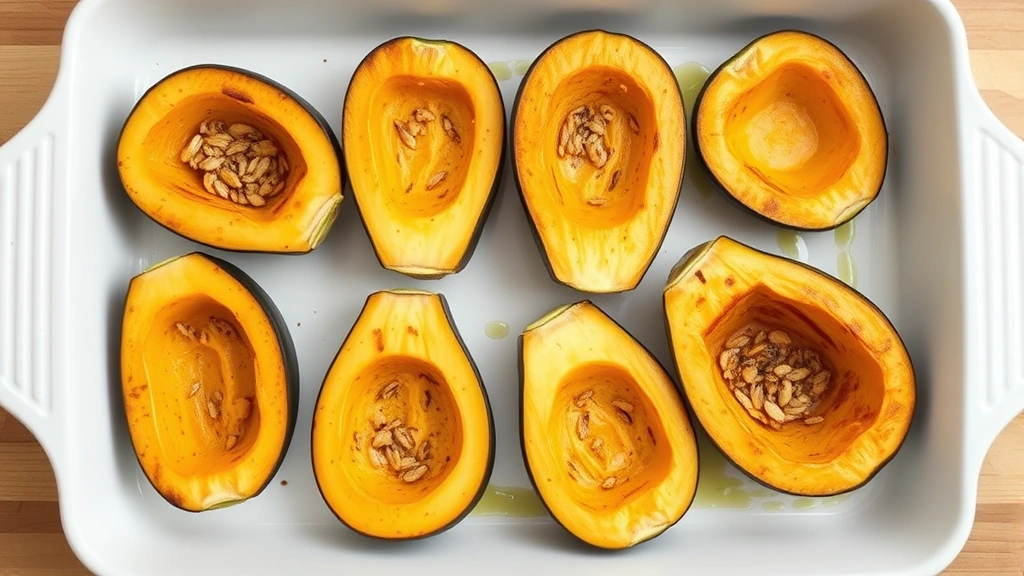
Preparation requires careful technique to create stable vessels for your filling. Begin by washing the squash thoroughly under running water, using a vegetable brush to remove any dirt. Pat dry with paper towels. Using a sharp chef’s knife, carefully cut the squash in half lengthwise. The key is steady pressure and controlled cutting motions—rushing this step risks injury. Once halved, use a sturdy spoon or melon baller to remove seeds and fibrous material from the center, creating a clean cavity for your filling.
Some chefs prefer pre-cooking the squash halves partially before filling, while others add filling to raw squash. Pre-cooking for 10-15 minutes softens the flesh slightly, making it easier to work with and ensuring even cooking. Brush the interior and exterior with olive oil, salt, and pepper before this initial roasting. This step develops the squash’s natural sweetness through caramelization.
Classic Meat Fillings
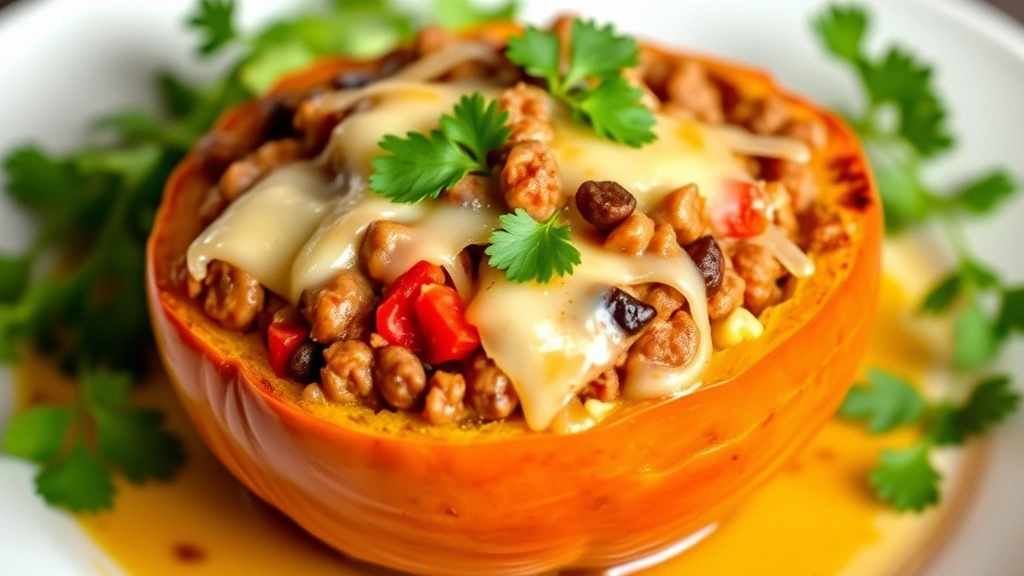
Traditional meat-based stuffed acorn squash recipes often feature ground beef, turkey, or a combination of proteins. The classic approach involves browning your chosen meat with aromatics like onions and garlic, then combining with breadcrumbs, herbs, and binding ingredients. Many chefs incorporate shredded chicken for a lighter interpretation that maintains satisfying texture and protein content.
Traditional Ground Beef Filling Recipe:
- Heat two tablespoons of olive oil in a large skillet over medium-high heat
- Add one finely diced onion and three minced garlic cloves, sautéing until fragrant (approximately 3 minutes)
- Introduce one pound of ground beef, breaking it apart with a wooden spoon as it cooks
- Once browned, drain excess fat if necessary
- Stir in one cup of diced mushrooms, one diced bell pepper, and two tablespoons of tomato paste
- Season with one teaspoon each of dried oregano and thyme, plus salt and pepper to taste
- Simmer for five minutes, allowing flavors to meld
- Remove from heat and stir in half a cup of panko breadcrumbs and one beaten egg to bind the mixture
Professional chefs often elevate this basic formula by incorporating umami-rich ingredients. A tablespoon of soy sauce, Worcestershire sauce, or balsamic vinegar adds depth that transforms the filling from ordinary to memorable. Some top restaurants add a touch of maple syrup or honey to echo the squash’s natural sweetness, creating harmonious flavor balance.
For a more refined presentation, consider using premium chicken breast diced finely and sautéed separately, then combined with your vegetable mixture. This technique, borrowed from classical French cuisine, produces more delicate texture than ground poultry.
Another beloved variation incorporates chicken and potatoes in a creamy sauce base. Dice roasted potatoes and combine with shredded cooked chicken, sautéed vegetables, and a light cream sauce infused with fresh sage or thyme. This approach yields a comforting, restaurant-quality dish that satisfies even hearty appetites.
Vegetarian and Vegan Options
Vegetarian stuffed acorn squash has earned prominent placement on fine dining menus, proving that meat-free preparations command equal respect and creativity. The key to success involves building complex flavors through layering vegetables, grains, legumes, and complementary seasonings.
Quinoa and Black Bean Filling:
This protein-packed filling appeals to health-conscious diners and those seeking plant-based nutrition. Combine one cup of cooked quinoa with one can of black beans (drained and rinsed), one diced red bell pepper, one diced poblano pepper, one cup of corn kernels, one-quarter cup of diced red onion, and two minced jalapeños. Dress with lime juice, cilantro, cumin, and a touch of smoked paprika. This filling celebrates Mediterranean and Latin-inspired flavor profiles, creating vibrant, satisfying results.
Wild Mushroom and Farro Variation:
For a more sophisticated vegetarian option, combine cooked farro with sautéed mixed mushrooms (cremini, oyster, and shiitake varieties work beautifully), caramelized onions, fresh thyme, and a splash of sherry vinegar. This earthy combination appeals to serious food enthusiasts and pairs wonderfully with roasted garlic cream sauce drizzled around the squash halves.
Vegan Considerations:
Converting any filling to vegan-friendly requires substituting binding agents. Replace eggs with aquafaba (chickpea liquid) or ground flaxseed mixed with water. Use nutritional yeast or cashew cream to add richness without dairy products. Many chefs find that vegan versions benefit from additional umami elements—miso paste, soy sauce, nutritional yeast, or smoked paprika enhance depth considerably.
For a lighter breakfast preparation, try filling acorn squash halves with quinoa, diced apples, dried cranberries, toasted pecans, and a drizzle of maple-cinnamon glaze. This sweet interpretation works particularly well for brunch service or special breakfast occasions.
Seafood-Based Variations
Coastal-inspired stuffed acorn squash preparations showcase seafood’s delicate flavors against the squash’s subtle sweetness. These elegant dishes elevate everyday ingredients into restaurant-caliber presentations.
Shrimp and Scallop Filling:
Sauté diced shrimp and scallops in butter with minced shallots, garlic, and fresh white wine. Once the seafood is just cooked through, fold in panko breadcrumbs, fresh dill, lemon zest, and a touch of Old Bay seasoning. This filling maintains seafood’s delicate character while providing structural integrity. Top with grated Parmesan cheese and broil briefly for golden crusting.
Crab and Herb Combination:
Lump crabmeat combines beautifully with sautéed fennel, celery, and leeks bound together with a light béchamel sauce infused with Old Bay and fresh tarragon. This preparation celebrates crab’s natural sweetness and pairs elegantly with crisp white wines. The pale filling provides striking visual contrast against the squash’s dark green exterior.
Cooking Methods and Timing
Professional kitchens employ various cooking techniques depending on service style and preparation timeline. Understanding these methods allows home cooks to adapt recipes to their kitchen equipment and scheduling needs.
Traditional Oven Roasting:
This most common method involves placing stuffed squash halves cut-side up in a baking dish with approximately one-quarter inch of water or broth on the bottom. Cover loosely with foil and roast at 375°F for 35-45 minutes, depending on squash size. Remove foil during the final 10 minutes to allow the filling’s top to brown slightly. The squash flesh should be fork-tender, and a meat thermometer inserted into the filling should reach 165°F.
Slow Cooker Preparation:
For busy weeknights, slow cooker preparation offers convenience without sacrificing quality. Arrange stuffed squash halves in the slow cooker, add broth to the bottom, cover, and cook on low for 6-8 hours or high for 3-4 hours. This gentle cooking method produces incredibly tender squash and allows flavors to meld thoroughly.
Combination Approach:
Many chefs prefer partial pre-roasting followed by filling and final cooking. This two-step process ensures even cooking and allows the filling’s surface to develop desirable browning. Roast empty squash halves for 15 minutes, cool slightly, fill, then return to the oven for 25-30 minutes at 375°F. This technique works particularly well for dinner service, as timing becomes more predictable.
Temperature and Doneness Testing:
The squash is properly cooked when a fork easily pierces the flesh near the edges. The flesh should be soft but not mushy—overcooked squash becomes watery and loses structural integrity. Meat-based fillings must reach 165°F internal temperature for food safety. Vegetarian fillings without eggs can be served at slightly lower temperatures, though heating through completely ensures optimal flavor development.
Plating and Presentation
Professional presentation elevates stuffed acorn squash from homestyle comfort food to restaurant-worthy centerpiece. Strategic plating techniques create visual impact that enhances the dining experience.
Individual Presentation:
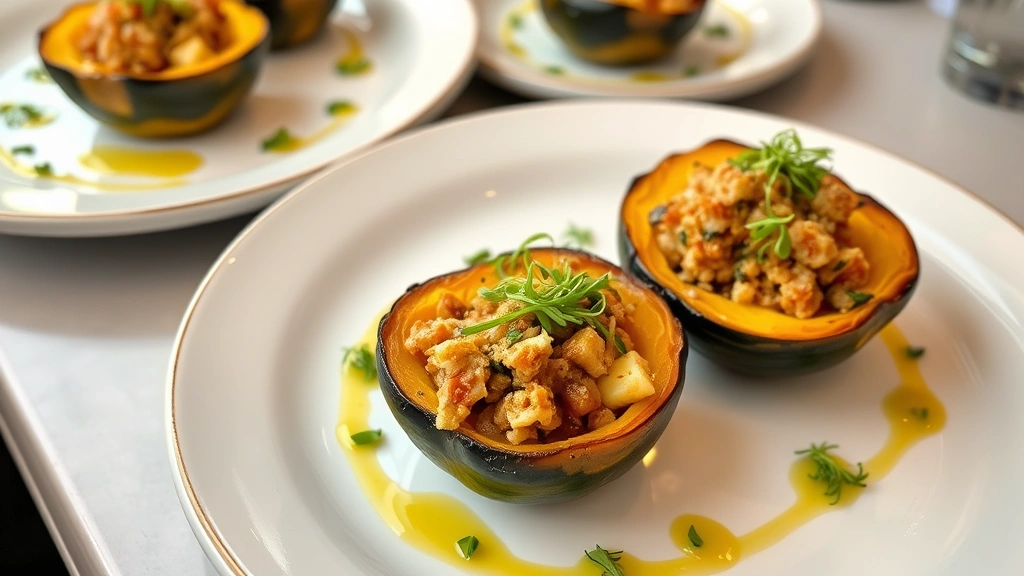
Serve each squash half on a warm plate with complementary sauce elements arranged artfully. A drizzle of herb-infused oil, balsamic reduction, or cream sauce frames the squash beautifully. Fresh herb garnishes—cilantro, parsley, microgreens, or edible flowers—add color and sophistication. Consider the color contrast: vibrant green garnishes against the squash’s darker exterior create visual appeal.
Sauce Applications:
Develop sauces that echo your filling’s flavor profile. For meat-based preparations, pan drippings reduced with wine and herbs create elegant finishing touches. Vegetarian dishes benefit from tahini-based sauces, herb oils, or light cream preparations. Seafood fillings pair beautifully with beurre blanc or light tomato coulis.
Temperature Management:
Always serve stuffed acorn squash on preheated plates. The squash cools quickly, and properly heated presentation surfaces maintain temperature throughout the meal. Professional kitchens heat plates in warming drawers set to 180°F, ensuring optimal eating experience.
Portion Considerations:
One squash half typically serves as a substantial main course, while two halves accommodate heartier appetites. For tasting menus or multi-course service, smaller portions—perhaps one-quarter squash—work as components within larger presentations. Consider your menu’s context when determining portion sizes.
FAQ
Can I prepare stuffed acorn squash ahead of time?
Yes, this dish is excellent for advance preparation. Assemble stuffed squash halves up to 24 hours ahead, cover with plastic wrap, and refrigerate. When ready to cook, add 10-15 minutes to the roasting time to account for the cold filling. Alternatively, prepare the filling separately and store it for up to three days, then assemble and cook fresh when needed.
What size acorn squash works best?
Medium squash weighing 1-1.5 pounds per half cook most evenly and provide ideal portion sizes. Avoid very large specimens, which require extended cooking and may have tough, stringy flesh. Smaller squash cook more quickly but provide less cavity space for generous fillings.
How do I prevent the squash from becoming mushy?
Avoid overcooking by testing for doneness at the minimum recommended time. The flesh should be tender but still maintain its shape and slight resistance when pierced. Using a meat thermometer to monitor filling temperature prevents the tendency to overcook while waiting for the filling to finish cooking.
Can I freeze stuffed acorn squash?
Yes, freeze unbaked stuffed squash on a baking sheet until solid, then transfer to freezer bags for up to three months. Cook from frozen, adding 20-25 minutes to the roasting time. Alternatively, freeze cooked squash and reheat gently in a 325°F oven until warmed through, approximately 20-25 minutes covered with foil.
What beverages pair well with stuffed acorn squash?
For meat-based fillings, medium-bodied red wines like Pinot Noir or Côtes du Rhône complement the savory elements beautifully. Vegetarian preparations pair wonderfully with crisp whites like Sauvignon Blanc or Albariño. Seafood-filled squash showcases the versatility of Chablis or dry Riesling. For non-alcoholic options, herbal teas or sparkling cider highlight the squash’s natural sweetness.
How do I add more flavor to the filling?
Layer umami elements such as Worcestershire sauce, soy sauce, miso paste, or aged balsamic vinegar. Fresh herbs—sage, thyme, rosemary—intensify as they cook. Consider finishing touches like truffle oil, smoked paprika, or a touch of sherry vinegar added just before serving. Toast spices briefly in dry pan before adding to fillings to maximize their aromatic qualities.
What if my squash halves won’t sit flat?
Carefully trim a thin slice from the outer curved edge of each half to create a stable base. This small adjustment ensures even cooking and prevents the filling from sliding. Alternatively, nestle the squash in a baking dish with crumpled foil or parchment paper to support it during cooking.


