
Sun Dried Tomatoes Recipe: Tested & Delicious!
Sun dried tomatoes are one of those pantry staples that transform ordinary dishes into something extraordinary. Whether you’re making pasta, spreading them on smoked cream cheese, or layering them into salads, these concentrated bursts of umami flavor pack a powerful punch. The beauty of making your own sun dried tomatoes at home is that you control the quality, the level of dryness, and exactly how much oil infuses into them.
I’ve tested this sun dried tomatoes recipe multiple times across different seasons and tomato varieties, and I’m thrilled to share the foolproof method that works every single time. The process is surprisingly simple, requiring just fresh tomatoes, salt, and patience. Once you master the technique, you’ll wonder why you ever bought the expensive jarred versions from the grocery store.
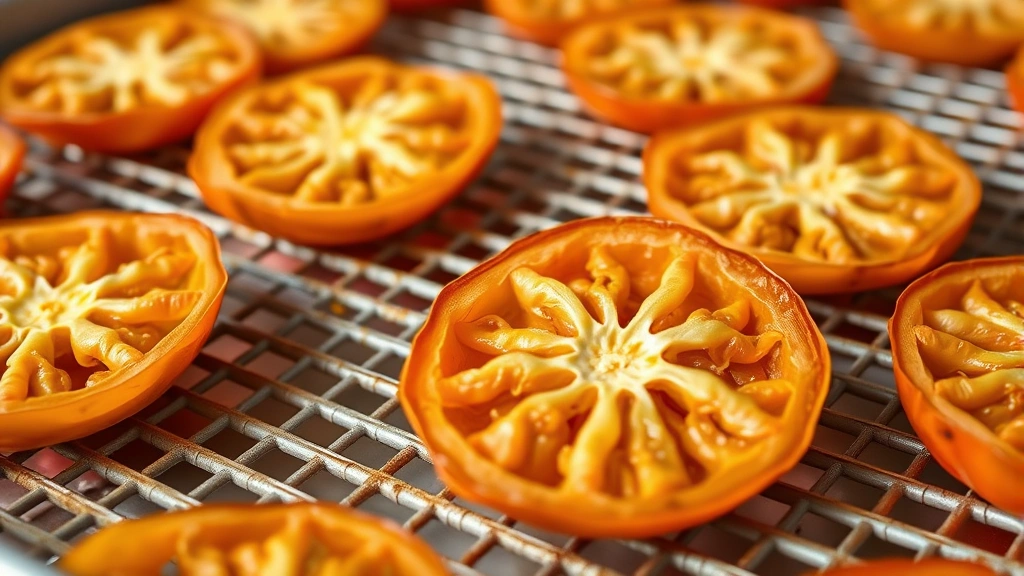
What Are Sun Dried Tomatoes?
Sun dried tomatoes are fresh tomatoes that have been slowly dehydrated to remove most of their water content. This process concentrates their natural sugars and flavors, creating an intensely savory-sweet ingredient that’s become a staple in Mediterranean cooking. Traditional sun dried tomatoes are literally dried in the sun, but home cooks can achieve similar results using an oven or food dehydrator.
The flavor profile is distinctly different from fresh tomatoes. When tomatoes are dried, their acidity becomes more pronounced, their sweetness intensifies, and they develop a slightly chewy texture that adds complexity to dishes. This is why a small handful of sun dried tomatoes can elevate an entire meal. They’re packed with lycopene, a powerful antioxidant, making them both delicious and nutritious.
If you’re already comfortable making homemade recipes like sourdough cinnamon rolls, you’ll appreciate the hands-on nature of creating sun dried tomatoes from scratch. It’s another opportunity to control ingredients and create something superior to store-bought alternatives.
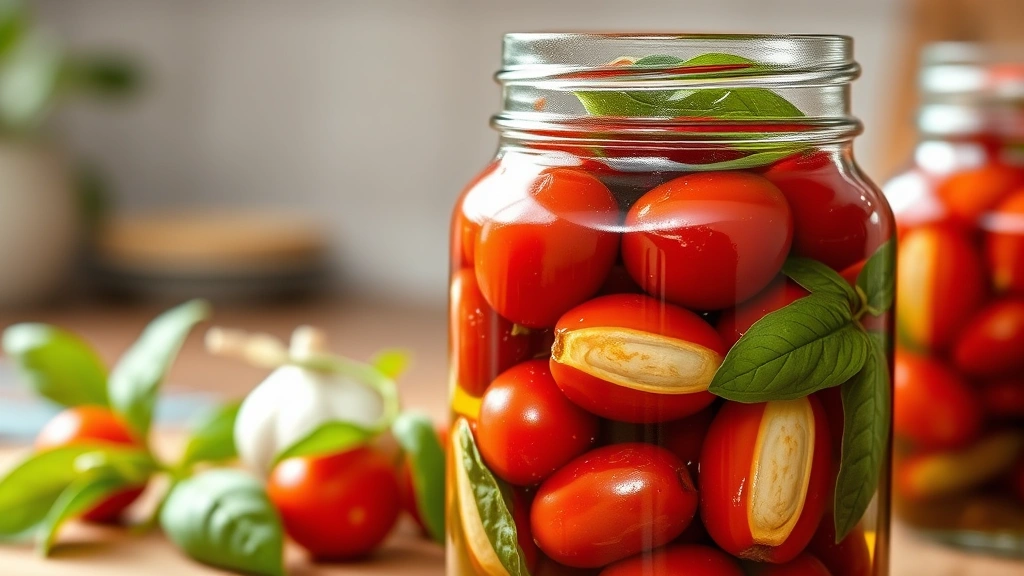
Ingredients You’ll Need
The beauty of this recipe is its simplicity. You really only need a few items to create restaurant-quality sun dried tomatoes at home:
- Fresh tomatoes – Choose plum tomatoes or Roma tomatoes. These varieties have fewer seeds and less water content than beefsteak tomatoes, making them ideal for drying. You’ll need about 4-5 pounds of fresh tomatoes to yield 1 cup of dried tomatoes.
- Sea salt – A good quality sea salt enhances flavor without overpowering the natural tomato taste. Table salt works, but sea salt is preferred.
- Olive oil – Extra virgin olive oil is optional but recommended for finishing and storing your dried tomatoes. It adds richness and helps preserve them.
- Fresh herbs (optional) – Basil, oregano, thyme, or garlic can be added for extra flavor complexity.
- Black pepper (optional) – Freshly cracked pepper complements the concentrated tomato flavor beautifully.
That’s truly all you need. No fancy equipment, no special ingredients. Just quality tomatoes and patience.
Step-by-Step Instructions
Preparation (15 minutes):
- Wash your tomatoes thoroughly under running water and pat them completely dry with paper towels. Any moisture left on the surface will extend drying time.
- Remove the stem end from each tomato. You don’t need to peel them; the skin helps hold the flesh together during drying.
- Slice tomatoes in half lengthwise. If you prefer smaller pieces, you can cut them into quarters, but halves work best for even drying.
- Gently squeeze out excess seeds and juice into a bowl. This step is crucial because it reduces moisture content and speeds up the drying process significantly.
- Arrange tomato halves cut-side up on your baking sheet or dehydrator tray. Don’t overlap them; they need air circulation on all sides.
- Sprinkle lightly with sea salt. This draws out remaining moisture and seasons the tomatoes as they dry. Use about 1/4 teaspoon per tomato half.
Drying Process (6-12 hours depending on method):
If using an oven, preheat to 200°F (93°C). Place your prepared tomato halves on racks or baking sheets. Prop the oven door open slightly with a wooden spoon to allow moisture to escape. Bake for 6-10 hours, checking every couple of hours. You’re looking for tomatoes that are pliable but not completely brittle—they should bend slightly without breaking.
If using a dehydrator, set the temperature to 135°F (57°C) and dehydrate for 8-12 hours. Check the manufacturer’s instructions for your specific model, as drying times vary.
Cooling and Storage (5 minutes):
- Remove dried tomatoes from heat and let them cool completely on the tray for at least 5 minutes.
- Once cooled, transfer to an airtight container. If you want to preserve them in oil, pack them into a clean jar and cover completely with extra virgin olive oil, adding fresh herbs if desired.
- Store in a cool, dark place. Oil-packed versions last 2-3 weeks at room temperature or up to 2 months in the refrigerator. Dry versions in airtight containers last up to 6 months.
Oven Method vs. Dehydrator
Both methods produce excellent results, so your choice depends on your kitchen equipment and preference. The oven method is more accessible since most home cooks have an oven. It requires slightly more monitoring but offers flexibility with temperature control. The downside is that your oven is occupied for many hours, which might not be practical if you need to cook other meals.
The dehydrator method is more energy-efficient and hands-off. Dehydrators maintain consistent temperature and humidity levels, often producing more uniformly dried tomatoes. However, you need to invest in a dehydrator if you don’t already own one. If you make sun dried tomatoes regularly, this investment pays for itself quickly.
I personally prefer the dehydrator for batch production, but the oven method works beautifully for smaller quantities. Many food science experts recommend the Serious Eats food science approach, which emphasizes low-temperature drying to preserve nutritional content and flavor compounds.
Storage and Preservation
Proper storage is crucial for maintaining quality and preventing mold or bacterial growth. Here are the best practices:
Dry Storage Method: Keep completely dried tomatoes in airtight glass containers or vacuum-sealed bags in a cool, dark pantry. They’ll maintain quality for 6-8 months. Before sealing, ensure they’re completely cooled and moisture-free. Some cooks add a food-grade oxygen absorber packet for extra protection.
Oil-Packed Method: This is my preferred method because the olive oil adds flavor and extends shelf life. Layer dried tomatoes in a sterilized glass jar, covering completely with extra virgin olive oil. Add fresh basil, garlic cloves, or red pepper flakes if desired. Seal tightly and refrigerate. These keep for 2-3 months. Always use a clean spoon when removing portions to prevent contamination.
Freezer Storage: For long-term storage, freeze dried tomatoes in freezer bags for up to one year. Thaw at room temperature before using. This method is perfect if you’ve made a large batch and want to enjoy them throughout the year.
The oil-packed version is particularly useful for fancy dessert spreads and appetizers, where the infused oil becomes part of the dish’s flavor profile.
Creative Uses for Your Homemade Sun Dried Tomatoes
Once you’ve mastered making sun dried tomatoes, the culinary possibilities expand dramatically. Here are tested applications:
Pasta Dishes: Toss oil-packed sun dried tomatoes with hot pasta, fresh basil, garlic, and parmesan cheese for an elegant dish that requires minimal effort. The concentrated tomato flavor eliminates the need for heavy cream sauces.
Sandwich Spreads: Layer sun dried tomatoes with smoked cream cheese on crusty bread for a gourmet sandwich. The combination of creamy and intensely savory flavors is irresistible.
Salads: Add chopped sun dried tomatoes to green salads, grain bowls, or healthy ground turkey recipes for depth and texture. They pair particularly well with feta cheese, olives, and fresh herbs.
Soups and Stews: Rehydrate sun dried tomatoes by soaking in warm water for 10 minutes, then add to soups, stews, or braised dishes. The soaking liquid becomes a flavorful broth addition.
Appetizers: Create bruschetta by topping toasted bread with sun dried tomatoes, fresh basil, garlic, and a drizzle of balsamic vinegar. Perfect for entertaining or grandma’s recipe box summer potluck contributions.
Breakfast Items: Incorporate sun dried tomatoes into granola bars or savory egg dishes for unexpected flavor complexity.
Cheese and Charcuterie Boards: Include a small bowl of oil-packed sun dried tomatoes alongside cheeses, cured meats, and crackers. They add visual appeal and concentrated flavor that guests love.
Troubleshooting Common Issues
Tomatoes Are Still Too Moist: If your finished tomatoes feel squishy rather than pliable, they need more drying time. Return them to the oven or dehydrator at the same temperature for another 1-2 hours. Check more frequently to avoid over-drying.
Tomatoes Are Too Brittle: This means they’ve dried too long. In future batches, reduce drying time by 30-60 minutes. Brittle tomatoes still taste good but are harder to chop and less pleasant to eat whole. They work fine for sauces or purées.
Uneven Drying: Ensure all tomato pieces are similar in size and thickness. Rotate trays halfway through drying if using an oven. Make sure tomatoes aren’t touching each other and have adequate air circulation.
Mold Development: This indicates moisture was trapped during storage. Always ensure tomatoes are completely cooled before sealing containers. Use airtight containers and store in cool, dry locations. If mold appears, discard the batch immediately.
Flavor Is Bland: This usually means your tomatoes weren’t fully ripe before drying. Select tomatoes at peak ripeness with deep color and slight give when gently squeezed. Heirloom varieties often have superior flavor compared to standard supermarket tomatoes.
Oil Becomes Cloudy: This is normal and happens when oil-packed tomatoes are refrigerated. The oil solidifies slightly at cold temperatures. Remove from refrigeration 15 minutes before using, and the cloudiness will clear as the oil warms to room temperature. This doesn’t affect safety or quality.
FAQ
How long does it take to make sun dried tomatoes?
Active preparation time is about 15 minutes. Drying time ranges from 6-12 hours depending on your method, tomato size, and moisture content. Total time from start to finish is typically 7-13 hours, though most of that is passive drying time.
Can I use any type of tomato?
While you can technically use any tomato, plum and Roma varieties work best. They have fewer seeds, less water content, and more flesh. Cherry tomatoes dry too quickly and become too small. Beefsteak tomatoes have too much water and take excessively long to dry.
Do sun dried tomatoes need to be in oil?
No, they don’t require oil. Oil is primarily for storage and flavor enhancement. Dry sun dried tomatoes store perfectly fine in airtight containers. Oil-packing is optional but recommended for best results and flavor absorption.
Can I rehydrate sun dried tomatoes?
Yes, absolutely. Soak dried tomatoes in warm water, vegetable broth, or wine for 10-15 minutes until they reach your desired softness. The soaking liquid becomes flavorful and can be used in cooking. This is particularly useful for soups and sauces.
Are homemade sun dried tomatoes safe?
Yes, when made properly. The low moisture content (below 20%) prevents bacterial and mold growth. Always ensure tomatoes are completely dry before storing, use sterilized containers, and store in cool, dark places. Oil-packed versions should be refrigerated.
How do I know when sun dried tomatoes are done drying?
They should be pliable but not squishy. Bend a piece—it should bend without breaking completely. Cut one open; there should be no visible moisture in the center. They’ll feel slightly leathery and concentrate the tomato flavor intensely.
Can I add seasonings while drying?
Yes, herbs and spices can be added before or after drying. Sprinkle fresh or dried herbs onto tomatoes before drying, or add them when packing in oil afterward. Garlic powder, oregano, basil, and thyme are excellent choices that complement tomato flavor beautifully.


