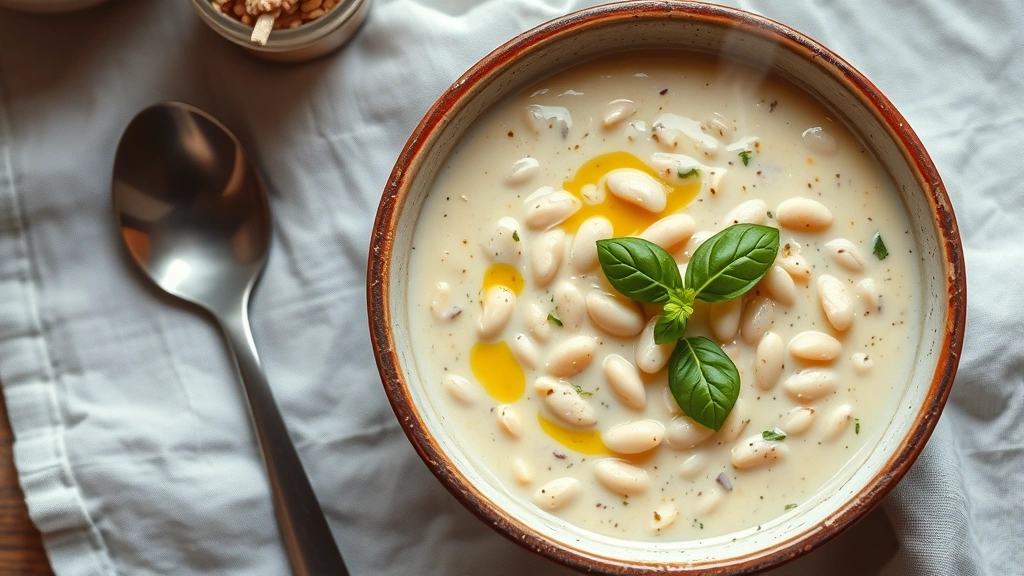
Easy White Beans Stew? Home Cook Approved
White beans stew is one of those magical dishes that transforms simple pantry staples into something absolutely comforting and delicious. Whether you’re a seasoned home cook or just starting your culinary journey, this white beans recipe proves that impressive meals don’t require complicated techniques or exotic ingredients. The beauty of white bean stew lies in its versatility—it works as a hearty vegetarian main course, pairs beautifully with proteins, and tastes even better the next day.
What makes this stew so approachable is that it requires minimal prep work and mostly hands-off cooking time. You’ll spend about fifteen minutes chopping vegetables, then let your stovetop or slow cooker do the heavy lifting. The result is a creamy, satisfying dish that fills your kitchen with incredible aromas and delivers genuine comfort in every spoonful. Home cooks absolutely approve because it’s budget-friendly, forgiving, and endlessly customizable based on what you have available.

Why White Beans Are Perfect for Stew
White beans—including cannellini, great northern, and navy varieties—have remarkable qualities that make them ideal for stew preparation. These beans have a naturally creamy texture when cooked, which means you don’t need heavy cream or complicated thickening agents. As they simmer, they gradually release their starches into the cooking liquid, creating a naturally luxurious broth without any extra work.
The mild, slightly nutty flavor of white beans serves as a perfect canvas for other ingredients. Unlike bolder beans, they don’t overpower delicate aromatics or compete with herbs and spices. This characteristic makes white beans incredibly versatile—they work equally well in Italian-inspired preparations with rosemary and garlic, Mediterranean versions with tomatoes and olives, or creamy versions enriched with vegetables. Home cooks love them because they’re forgiving; they won’t turn mushy if you cook them a bit longer, and they absorb flavors beautifully from their cooking liquid.
Nutritionally, white beans deliver substantial benefits. They’re excellent sources of plant-based protein, making this stew satisfying even without meat. They’re rich in fiber, supporting digestive health, and contain important minerals like iron, magnesium, and folate. A bowl of white bean stew provides sustained energy, making it perfect for lunch or dinner regardless of the season.

Essential Ingredients You’ll Need
Creating an excellent white beans recipe starts with quality ingredients, though nothing here is hard to find. Let’s break down what you’ll need:
- White beans: Two cans (15 ounces each) or one pound dried beans that you’ve soaked overnight and cooked until tender. Canned beans are convenient for weeknight cooking.
- Aromatics: One large onion (diced), four to five garlic cloves (minced), and two celery stalks (chopped). These form your flavor foundation.
- Vegetables: Two medium carrots (sliced), one zucchini or summer squash (cubed), and one bell pepper (diced) add color, nutrition, and texture.
- Broth: Four to five cups of vegetable or chicken broth creates the cooking liquid. Quality matters here—good broth elevates the entire dish.
- Tomatoes: One 14-ounce can of diced tomatoes (with juices) adds acidity and depth.
- Herbs and seasonings: Two bay leaves, one teaspoon dried thyme, one teaspoon dried Italian seasoning, salt, and freshly ground black pepper.
- Fat: Three tablespoons olive oil helps develop flavors during the sauté phase.
- Optional additions: One teaspoon balsamic vinegar, red pepper flakes, or fresh basil at the end add complexity.
The beauty of this ingredient list is that you can adapt based on your preferences and what’s in your kitchen. Don’t have zucchini? Use green beans or mushrooms. Out of thyme? Oregano works beautifully. This flexibility is why home cooks absolutely approve of white bean stew—it’s genuinely forgiving.
Step-by-Step Cooking Instructions
Preparation Phase (10-15 minutes):
- Gather all ingredients and prepare your mise en place—this French term means having everything chopped and ready before you start cooking. Dice your onion, mince your garlic, chop your celery and carrots into bite-sized pieces, and cube your other vegetables.
- Heat three tablespoons of olive oil in a large pot or Dutch oven over medium heat. Wait about one minute until the oil shimmers—this indicates proper temperature.
- Add your diced onion and celery to the hot oil. Cook for five to seven minutes, stirring occasionally, until the vegetables soften and become fragrant. You’re looking for translucent onions and tender celery.
- Add your minced garlic and stir constantly for about one minute. Garlic burns quickly, so stay attentive during this step. You’ll know it’s ready when it becomes fragrant.
Building Flavor (5 minutes):
- Add your bay leaves, dried thyme, and Italian seasoning to the aromatic vegetables. Stir well and let these herbs toast in the oil for about one minute. This step, called blooming, intensifies the herbs’ flavors significantly.
- Add your sliced carrots, bell pepper, and any other firm vegetables. Stir everything together and cook for three to four minutes. The vegetables will start to soften slightly.
Simmering Phase (20-30 minutes):
- Pour in your broth and add the canned diced tomatoes with their juices. If using dried beans you’ve cooked, add them now along with one cup of their cooking liquid for extra flavor. If using canned beans, drain and rinse them first.
- Stir well, making sure to scrape up any browned bits from the bottom of the pot—these are pure flavor. Bring the mixture to a gentle boil.
- Once boiling, reduce heat to low and add your drained white beans. Stir gently to distribute them evenly.
- Let everything simmer uncovered for twenty to thirty minutes. The stew should bubble gently, not vigorously. During this time, the flavors meld, vegetables become tender, and the broth thickens naturally from the beans’ starches.
- Add salt and pepper to taste. Start with one teaspoon of salt and adjust from there, as broths vary in saltiness.
Finishing Touches (5 minutes):
- If desired, add one teaspoon of balsamic vinegar for subtle sweetness and depth, or a pinch of red pepper flakes for heat.
- Remove bay leaves before serving. Fresh basil, if you have it, makes a beautiful garnish.
- Taste and adjust seasonings one final time. The stew should taste savory, slightly herby, and well-balanced.
Pro Tips for Restaurant-Quality Results
Several techniques separate good white bean stew from exceptional versions:
Don’t skip the sauté phase. Cooking your aromatics in oil before adding liquid develops deeper, more complex flavors. This step takes just ten minutes but dramatically improves the final result. The Maillard reaction—the browning that occurs when vegetables cook in fat—creates hundreds of flavor compounds that boiling alone cannot achieve.
Use quality broth. This ingredient makes up the majority of your finished dish, so its quality matters enormously. Serious Eats has excellent resources on selecting and making broths. Homemade broth is wonderful if you have time, but quality store-bought versions work beautifully.
Taste and adjust throughout cooking. Rather than seasoning once at the end, taste periodically and adjust. This allows flavors to develop properly and prevents over-seasoning.
Don’t overcrowd the pot. When sautéing onions and celery, give them space. Overcrowding causes steaming rather than browning, which diminishes flavor development.
Consider acid balance. A touch of acidity—from balsamic vinegar, lemon juice, or tomatoes—brightens flavors and makes the stew taste fresher. Taste and add acid gradually; it’s easier to add more than to remove it.
Toast your dried herbs. Blooming dried herbs in oil or fat releases their essential oils and intensifies their flavors. This simple step makes a noticeable difference.
Flavor Variations and Additions
The versatility of white bean stew means you can create entirely different dishes by varying ingredients. Consider these approaches:
Mediterranean Version: Add one cup of chopped spinach during the last five minutes of cooking, include sun-dried tomatoes, and finish with fresh basil and a squeeze of lemon juice. This variation pairs wonderfully with best seafood recipes if you want to serve it alongside fish.
Tuscan-Inspired Preparation: Include two cups of chopped kale or chard, add a pinch of red pepper flakes, and use extra garlic. This hearty version is deeply satisfying and packed with greens.
Creamy White Bean Stew: Stir in one cup of heavy cream or full-fat coconut milk during the last five minutes. Add fresh thyme instead of dried, and finish with a squeeze of lemon. This luxurious version rivals restaurant preparations.
Protein-Enhanced Stew: Add shredded chicken for extra protein and substance. Recipes with shredded chicken often work beautifully with white beans. You can add pre-cooked rotisserie chicken during the last ten minutes of simmering, or cook raw chicken pieces in the stew from the beginning.
Sausage and White Beans: Brown one pound of Italian sausage (removed from casings) before adding your aromatics. This creates a more substantial, meat-forward dish that’s equally home-cook friendly.
Spiced Moroccan Version: Add one teaspoon cumin, one-half teaspoon cinnamon, one-quarter teaspoon cayenne pepper, and include dried apricots. This unexpected variation is absolutely delicious and shows how versatile this base recipe truly is.
Each variation maintains the essential simplicity of the original while offering distinct flavor profiles. Home cooks appreciate this flexibility because it means one basic technique yields dozens of different meals.
Storage and Make-Ahead Guide
White bean stew improves with time as flavors continue melding. This makes it perfect for meal preparation:
Refrigerator storage: Cool the stew completely, then transfer to airtight containers. It keeps for four to five days in the refrigerator. Reheat gently on the stovetop over medium-low heat, stirring occasionally and adding a splash of broth if it’s thickened too much.
Freezer storage: White bean stew freezes beautifully for up to three months. Cool completely before transferring to freezer-safe containers or bags, leaving about one inch of headspace for expansion. Thaw overnight in the refrigerator, then reheat as you would refrigerated stew.
Make-ahead strategy: Prepare the stew through the simmering phase, cool it completely, and refrigerate. The next day, simply reheat and serve. This approach is perfect for busy weeknights—you get a homemade meal with minimal day-of effort.
Batch cooking: Double or triple this recipe easily. The cooking time remains the same, and you’ll have multiple meals ready. This approach aligns perfectly with busy home cooks’ needs for weeknight dinner solutions, similar to preparing quick and easy pasta recipes in advance.
Texture note: Reheated stew may be thicker than when freshly made. Simply add vegetable or chicken broth, water, or even a splash of white wine to reach your preferred consistency. This flexibility is another reason home cooks absolutely approve of this dish.
Serving suggestions: Serve white bean stew as a standalone bowl, or pair it with crusty bread for dipping. A simple green salad alongside provides freshness and balance. Grated Parmesan cheese or a drizzle of good olive oil adds elegance to simple bowls.
FAQ
Can I use dried beans instead of canned?
Absolutely! Use one pound of dried white beans. Soak them overnight in plenty of water, drain, then cook in fresh water for one to two hours until tender. Drain the cooked beans before adding to your stew. Some cooks prefer the texture and flavor of home-cooked dried beans, though canned beans offer genuine convenience and produce excellent results.
How do I know when the stew is done?
The stew is finished when vegetables are tender, beans are soft, and flavors have melded together—typically twenty to thirty minutes of simmering. The broth should be slightly thickened from the beans’ starches. Taste for seasoning and adjust salt and pepper as needed.
What if my stew is too thin?
Let it simmer uncovered for an additional ten to fifteen minutes. The broth will reduce and thicken naturally. Alternatively, mash some of the beans against the side of the pot to release more starches, or stir in a slurry of one tablespoon cornstarch mixed with two tablespoons cold water.
Can I make this in a slow cooker?
Yes! Sauté your aromatics and vegetables in a skillet for ten minutes (this step is important for flavor), then transfer everything to a slow cooker along with broth, tomatoes, and beans. Cook on low for six to eight hours or high for three to four hours. Add fresh herbs and acid at the end.
Is this stew naturally vegan?
Yes, this basic white beans recipe is completely vegan when made with vegetable broth and without dairy toppings. Many variations remain vegan as well. It’s an excellent option for diverse dietary needs.
What herbs pair best with white beans?
Thyme, rosemary, oregano, sage, and basil all complement white beans beautifully. Bay leaves add subtle complexity. Fresh herbs added at the end provide brightness, while dried herbs bloomed in oil develop deeper flavors.
Can I add pasta to this stew?
Definitely! Cook small pasta separately until just under al dente, then add it to the stew in the last few minutes. This creates a heartier dish similar to pasta e fagioli. You might also explore quick and easy pasta recipes for additional inspiration.


