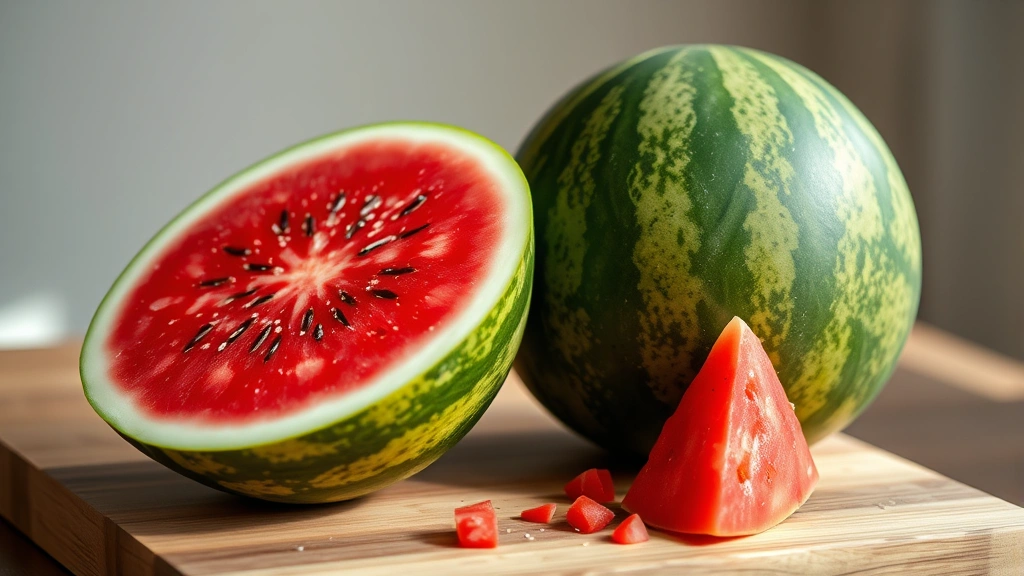
Watermelon sorbet is the ultimate summer dessert—light, refreshing, and surprisingly elegant for entertaining. This chef’s secret recipe transforms simple watermelon into a silky-smooth frozen treat that rivals any gelato shop creation. The key lies in understanding the balance between sweetness, acidity, and the proper freezing technique that creates that coveted creamy texture without any ice crystals.
What makes this recipe special isn’t just the ingredient list; it’s the methodology behind it. Professional chefs know that sorbet-making requires precision with temperature control, proper sugar ratios, and timing. Whether you’re making this for a dinner party or a casual family gathering, this technique will elevate your dessert game and impress everyone at the table.
Why Watermelon Sorbet is a Chef’s Favorite
Watermelon sorbet represents everything chefs love about modern dessert-making: simplicity, sophistication, and seasonality. Unlike heavy ice cream or complicated mousse desserts, sorbet allows the pure flavor of the fruit to shine through. Chefs appreciate this because it demonstrates true culinary skill—making something extraordinary from minimal ingredients requires mastery of technique.
The beauty of watermelon sorbet lies in its versatility. It pairs beautifully with fall recipes featuring fresh fruit elements, though it’s primarily a summer staple. The sorbet cleanses the palate between courses at formal dinners, yet it’s casual enough for poolside gatherings. This duality makes it a chef’s secret weapon in their dessert arsenal.
From a nutritional standpoint, watermelon sorbet is also appealing—it’s naturally lower in calories than cream-based desserts while delivering intense flavor satisfaction. The high water content of watermelon (about 92%) makes it ideal for creating that smooth, scoopable texture professionals aim for.
Essential Ingredients and Their Roles
Creating the perfect watermelon sorbet requires understanding how each ingredient contributes to the final product. Here’s what you’ll need:
- Fresh watermelon: The foundation of your sorbet. Choose a ripe, sweet watermelon with deep color and a hollow sound when tapped. You’ll need about 6-8 cups of fresh watermelon flesh (roughly one medium melon).
- Granulated sugar: Creates sweetness and helps lower the freezing point, enabling that creamy texture. Professional sorbets typically use a sugar-to-fruit ratio of about 1:3.
- Fresh lemon juice: Brightens the watermelon flavor and adds acidity, which enhances sweetness perception and prevents the sorbet from tasting flat or one-dimensional.
- Water: Creates the proper consistency and helps distribute flavors evenly throughout the mixture.
- Optional: Vodka or corn syrup: These prevent ice crystal formation and create a smoother texture. Professional chefs often add small amounts for this reason.
Understanding ingredient roles is crucial. The sugar isn’t just for sweetness—it’s a structural component that affects freezing temperature and mouthfeel. This is why precise measurements matter in sorbet-making.
Equipment You’ll Need
While you can make watermelon sorbet without an ice cream maker, having the right equipment ensures professional results. Here’s what chefs recommend:
- Ice cream maker: An electric model with a freezing bowl is ideal. This churns the mixture as it freezes, incorporating air and preventing large ice crystals.
- Blender or food processor: Purees the watermelon smoothly. A high-powered blender works best for achieving that silky texture.
- Fine-mesh strainer: Removes seeds and pulp fibers for a refined final product.
- Candy or instant-read thermometer: Helps you monitor temperature during the cooling process.
- Measuring cups and spoons: Precision matters in sorbet-making.
- Freezer-safe container: For storage between churning and serving.
If you don’t have an ice cream maker, you can still succeed using the freezer method, though the texture won’t be quite as smooth. Many home cooks are surprised at how well the manual freezing-and-stirring method works when executed properly.
Step-by-Step Recipe Instructions
This chef’s recipe produces approximately 1 quart of sorbet, serving 4-6 people generously.
Ingredients:
- 6 cups fresh watermelon flesh, cut into chunks and seeds removed
- ¾ cup granulated sugar
- ½ cup water
- 3 tablespoons fresh lemon juice
- ¼ teaspoon sea salt (enhances flavor)
- 1 tablespoon vodka (optional, but recommended by professionals)
Instructions:
- Prepare your watermelon: Cut the watermelon in half, scoop out the flesh, and remove as many seeds as possible. Cut into manageable chunks and place in your blender or food processor. You want about 6 cups of fresh fruit.
- Create a simple syrup: In a small saucepan, combine ½ cup water and ¾ cup sugar. Heat over medium heat, stirring occasionally until the sugar completely dissolves. Do not let it boil. Once clear, remove from heat and let cool to room temperature. This typically takes 15-20 minutes.
- Puree the watermelon: Blend the watermelon chunks until completely smooth. This should take about 1-2 minutes in a high-powered blender.
- Strain the puree: Pour the watermelon puree through a fine-mesh strainer into a large bowl, pressing gently with the back of a spoon to extract all liquid. You should have approximately 4 cups of strained watermelon juice. Discard solids.
- Combine ingredients: Add the cooled simple syrup, lemon juice, sea salt, and vodka (if using) to the watermelon juice. Stir thoroughly to combine.
- Chill the mixture: Refrigerate the combined mixture for at least 2 hours, preferably overnight. This step is crucial—chilling ensures proper freezing and helps flavors meld together.
- Churn the sorbet: Pour the chilled mixture into your ice cream maker and churn according to manufacturer’s instructions, typically 20-25 minutes. The sorbet should reach a soft-serve consistency.
- Freeze: Transfer to a freezer-safe container and freeze for at least 4 hours before serving, though overnight is ideal for best texture.
The Freezing Process Explained
Understanding what happens during freezing is key to mastering sorbet-making. Unlike ice cream, sorbet contains no dairy fat, which means the freezing process is entirely different from what many home cooks experience with traditional ice cream.
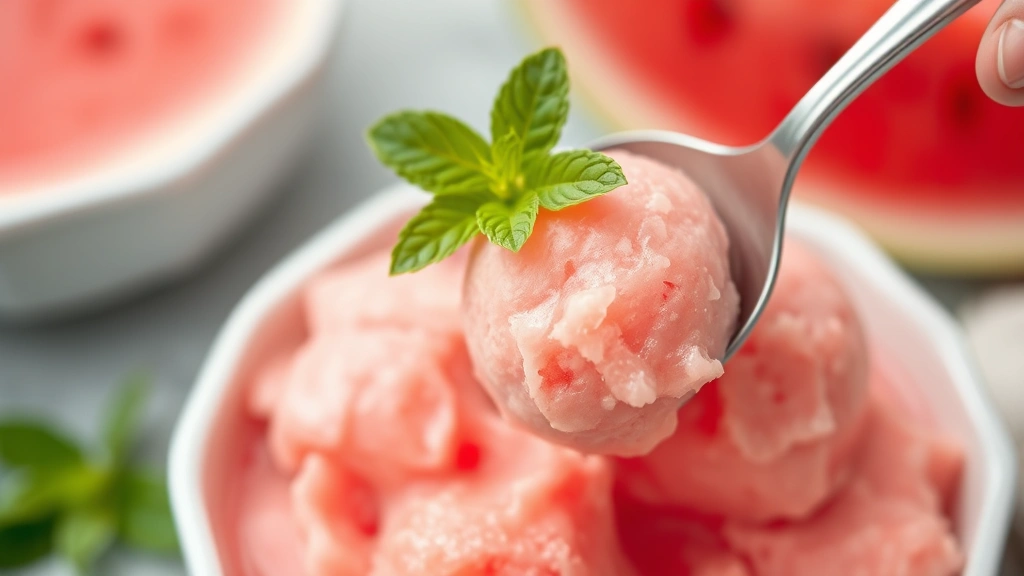
When you churn the sorbet, you’re accomplishing several things simultaneously. The mechanical action breaks up ice crystals as they form, creating smaller crystals that feel smoother on the tongue. The churning also incorporates air into the mixture, which increases volume and creates that light, fluffy texture chefs prize. This is why an ice cream maker produces superior results—the constant motion prevents the formation of large, unpleasant ice crystals.
The sugar in your mixture lowers the freezing point below 32°F (0°C), which is why your sorbet doesn’t freeze solid like water ice. This is called freezing point depression, a concept taught in culinary institutes worldwide. The proper sugar ratio ensures your sorbet remains scoopable even when frozen solid.
If you’re using the manual freezing method without an ice cream maker, pour your chilled mixture into a shallow container and place in the freezer. Every 30 minutes, remove it and scrape the frozen edges toward the center using a fork. Repeat this process for about 3-4 hours until you achieve a sorbet-like consistency. While more labor-intensive, this method produces acceptable results.
Pro Tips for Perfect Texture
Chefs follow specific guidelines to ensure consistent, professional-quality sorbet every time:
- Use a refractometer: Professional chefs measure sugar content using a refractometer, which indicates the exact sugar percentage. For sorbet, aim for 16-20° Brix. While home cooks can skip this, understanding the concept helps explain why precise measurements matter.
- Don’t skip the chilling step: Many home cooks rush this phase, but chilling overnight actually improves texture. Cold mixture churns more efficiently and produces smaller ice crystals.
- Taste before freezing: Adjust sweetness and acidity while the mixture is liquid. Frozen sorbet tastes less sweet and less acidic, so your base mixture should taste slightly over-sweetened and over-tart.
- Serve immediately after churning: For that perfect soft-serve texture, serve right after churning. If you need to store it, let it soften slightly at room temperature for 5-10 minutes before scooping.
- Use an ice cream maker with a pre-frozen bowl: Freeze the bowl for at least 24 hours before churning. A properly frozen bowl is essential for achieving the right texture.
- Don’t over-churn: Stop when the sorbet reaches soft-serve consistency. Over-churning can create an icy texture rather than a smooth one.
These professional techniques separate homemade sorbet from restaurant-quality sorbet. When you understand the science behind each step, you can troubleshoot problems and adjust to your preferences.
Flavor Variations and Combinations
Once you master the basic watermelon sorbet, explore exciting variations. This is where creativity meets technique:
- Watermelon-Mint Sorbet: Add 10-12 fresh mint leaves to the watermelon when blending. Strain carefully to remove mint pieces. The mint complements watermelon beautifully and adds sophistication.
- Watermelon-Lime Sorbet: Replace lemon juice with fresh lime juice for a different citrus profile. Lime brings a slightly more tropical note.
- Spicy Watermelon Sorbet: Add a pinch of cayenne pepper or fresh jalapeño to the base mixture. The heat contrasts beautifully with the sweet, cool sorbet.
- Watermelon-Rosemary Sorbet: Infuse your simple syrup with a sprig of fresh rosemary while it cools. This adds an herbal, sophisticated dimension.
- Watermelon-Basil Sorbet: Similar to mint, but with Thai basil for an unexpected twist.
These variations pair well with quick and easy pasta recipes featuring fresh fruit elements, or as a palate cleanser between courses at more elaborate meals.
Serving Suggestions
Presentation matters as much as flavor when serving sorbet. Here are professional serving techniques:
- Serve in chilled bowls or glasses: Pre-chill your serving vessels in the freezer for 15 minutes before scooping. This prevents rapid melting.
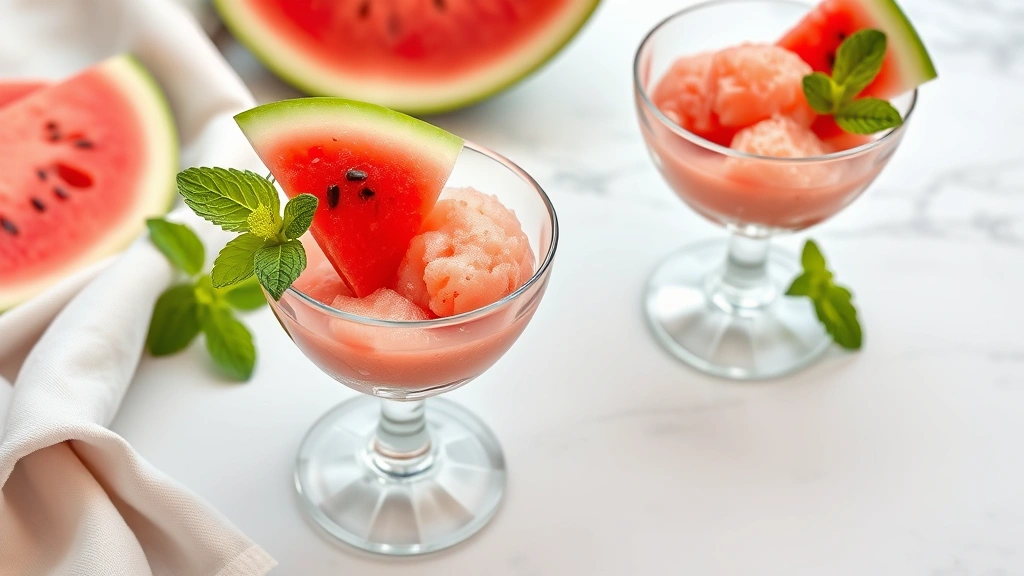
- Garnish thoughtfully: A small mint leaf, thin watermelon slice, or edible flower adds visual appeal. Some chefs add a light drizzle of aged balsamic vinegar for complexity.
- Pair with complementary flavors: Serve alongside fresh berries, citrus segments, or a light cookie. The sorbet’s refreshing nature complements both sweet and slightly savory accompaniments.
- Use quality scoops: Dip your scoop in warm water between each scoop for clean presentation and easier scooping.
- Serve as a palate cleanser: In multi-course meals, serve a small portion of sorbet between main course and dessert to refresh the palate.
- Create a sorbet flight: Make multiple flavor variations and serve small portions of each for a tasting experience.
Professional plating elevates even simple sorbet. The contrast of colors—deep pink watermelon sorbet against white bowls or glass—creates immediate visual appeal that makes guests excited to taste.
This watermelon sorbet recipe has been perfected through years of culinary practice. The combination of proper technique, quality ingredients, and attention to detail creates a dessert that tastes like it came from a professional kitchen. Whether you’re hosting a summer dinner party or treating yourself to a refreshing dessert, this recipe delivers consistent, impressive results. The beauty of sorbet-making is that once you understand the principles, you can adapt them to any fruit, making this knowledge valuable year-round.
For deeper understanding of frozen dessert science, explore resources from culinary institutes that specialize in pastry and frozen desserts. Additionally, food science resources explain the chemistry behind freezing point depression and crystal formation. Professional chefs often reference chef blogs dedicated to advanced sorbet techniques. For ingredient quality information, consult ingredient databases about optimal watermelon varieties. Finally, cooking technique guides provide comprehensive coverage of frozen dessert methods.
FAQ
Can I make watermelon sorbet without an ice cream maker?
Yes, you can use the freezer method described in the Pro Tips section. While the texture won’t be quite as smooth as machine-made sorbet, it’s still delicious. The key is stirring every 30 minutes for 3-4 hours to break up ice crystals. Some home cooks prefer this method because they can control the freezing process more closely.
How long does homemade watermelon sorbet last?
Properly stored in an airtight container, homemade sorbet lasts 1-2 weeks in the freezer. However, it’s best consumed within the first week for optimal texture. Over time, ice crystals gradually form and the texture becomes icier rather than creamy.
Why is my sorbet too icy?
Icy texture usually results from insufficient sugar, inadequate churning, or ice crystal formation over time. Ensure you’re using the correct sugar ratio (¾ cup per 6 cups watermelon). If using an ice cream maker, verify the bowl is fully frozen before churning. If storing, consume within a week.
Can I use frozen watermelon?
Frozen watermelon works in a pinch, though fresh watermelon produces superior flavor and texture. If using frozen, thaw completely and strain any excess liquid before proceeding with the recipe.
What’s the difference between sorbet and sherbet?
Sorbet contains no dairy products, while sherbet contains a small amount of milk or cream. Sorbet is typically more intensely flavored and has a lighter texture. This watermelon recipe is true sorbet.
Can I add alcohol to my sorbet?
Yes, adding 1-2 tablespoons of vodka, rum, or liqueur helps prevent ice crystal formation and creates a smoother texture. It also adds subtle flavor complexity. However, alcohol is optional—the sorbet is delicious without it.
How do I know when my sorbet is properly churned?
Stop churning when the sorbet reaches soft-serve consistency, similar to thick ice cream. If it’s too thin, it needs more time. If it’s too thick, it’s been over-churned. Timing typically ranges from 20-30 minutes depending on your machine and how cold the mixture is.


