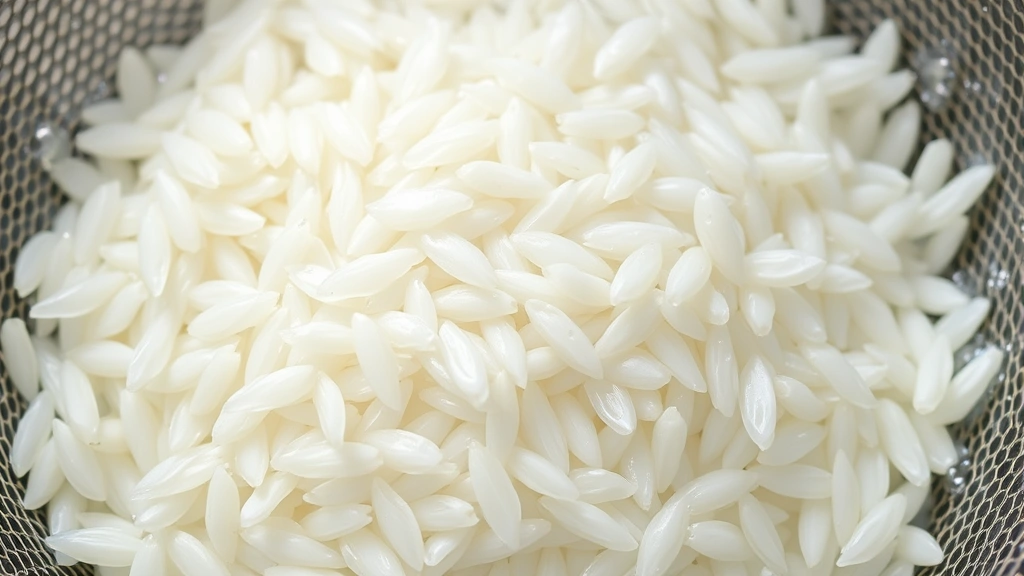
Fluffy White Rice Every Time? Pro Tips Inside
Perfectly cooked white rice seems simple, yet countless home cooks struggle with mushy, undercooked, or unevenly textured results. The difference between mediocre rice and restaurant-quality fluffy white rice comes down to understanding fundamental cooking principles, water ratios, and technique. Whether you’re preparing a weeknight dinner or hosting guests, mastering white rice is essential for any cook looking to elevate their white rice recipes and everyday meals.
The secret to achieving consistently fluffy white rice isn’t complicated—it requires attention to detail and knowledge of how starch, heat, and water interact during cooking. From selecting the right rice variety to perfecting your cooking method, this guide will transform your rice-cooking experience. You’ll discover professional techniques used by chefs and food scientists to ensure every grain remains separate, fluffy, and perfectly tender.

Choosing the Right White Rice Variety
Not all white rice is created equal. Understanding the differences between varieties helps you select the perfect rice for your specific needs and desired texture outcomes. Long-grain white rice, medium-grain white rice, and short-grain white rice each have distinct starch compositions and cooking characteristics that dramatically affect final results.
Long-grain white rice (such as jasmine or basmati) contains less amylose, a type of starch that causes grains to stick together. This variety produces the fluffiest, most separate grains and is ideal when you want individual, distinct rice kernels. Long-grain rice typically measures at least three times longer than it is wide, and this length contributes to its tendency to remain separate during cooking.
Medium-grain white rice falls between long and short varieties in both size and starch content. It absorbs slightly more water than long-grain rice and produces a texture that’s still fluffy but with slightly more cohesion. This type works well for risotto-style dishes and applications where you want some creaminess without excessive stickiness.
Short-grain white rice contains higher amylose levels and absorbs more water during cooking. The grains naturally stick together more, creating a creamier, stickier texture. While this variety is perfect for sushi or rice bowls, it requires different techniques if you want fluffier results.
According to RiceTec, a leading rice research organization, understanding your rice variety’s specific characteristics is the first step toward consistent cooking success. Check the package label for grain length classification to make informed decisions about which rice suits your recipes best.

The Water-to-Rice Ratio Secret
The most critical factor in achieving fluffy white rice is mastering the proper water-to-rice ratio. This ratio determines how much moisture the rice absorbs and directly impacts texture. The standard ratio for long-grain white rice is 1:2 (one part rice to two parts water), but this isn’t universal—different varieties and cooking methods require adjustments.
For long-grain white rice, use exactly 2 cups of water for every 1 cup of rice. This ratio assumes you’re using the absorption method on a stovetop. The rice will absorb nearly all the water during cooking, leaving minimal excess liquid to drain.
Medium-grain varieties typically require slightly less water—approximately 1.75 cups of water per 1 cup of rice. This adjustment accounts for medium-grain rice’s higher starch content and greater water absorption capacity. Using too much water with medium-grain rice results in mushy, overly sticky grains.
Short-grain rice needs even less water—roughly 1.5 to 1.75 cups per 1 cup of rice—because it absorbs moisture more readily and has higher natural stickiness. Exceeding this ratio produces gluey, unpleasant texture.
Environmental factors also influence water requirements. High-altitude cooking requires more water because water boils at lower temperatures. If you live above 3,000 feet elevation, increase water by approximately 2-3 tablespoons per cup of rice. Humidity levels and rice storage conditions affect moisture content in individual grains, so slight variations in your ratio may be necessary based on your specific rice batch.
Professional chefs from The Institute of Culinary Education recommend measuring both rice and water precisely using the same cup to ensure accuracy. This consistency is more important than the specific cup size you choose.
Rinsing and Preparation Techniques
Rinsing white rice before cooking is a debated topic among cooks, but understanding the science clarifies why this step matters for texture. Most commercially processed white rice has a coating of rice flour and starch applied during milling. This coating, combined with loose starch on individual grains, affects cooking and texture.
Rinsing removes excess starch from the rice surface, which serves multiple purposes. First, it reduces the likelihood of grains sticking together excessively. Second, it creates clearer cooking liquid, allowing you to monitor water absorption more easily. Third, it can slightly improve the final texture by reducing the amount of starch that gelatinizes during cooking.
To rinse rice properly, place it in a fine-mesh strainer and run cold water over it while gently stirring with your fingers. Continue rinsing until the water runs relatively clear—this typically takes 2-3 rinses. Don’t over-rinse; you’re removing excess starch, not all starch, which is necessary for proper texture and grain integrity.
Some cooks argue that rinsing removes beneficial nutrients and that modern processing makes rinsing unnecessary. If you prefer not to rinse, you’ll achieve acceptable results, but the texture may be slightly less fluffy and grains may stick together more readily.
After rinsing, allow the rice to drain completely in the strainer for 1-2 minutes. Any residual water clinging to the rice affects your water-to-rice ratio. Some cooks even pat the rice dry with paper towels before cooking to ensure precision.
Stovetop Cooking Methods
The stovetop absorption method is the most common technique for cooking fluffy white rice and offers excellent control over the cooking process. This method relies on precise heat management and timing to achieve perfect results consistently.
Step-by-step absorption method:
- Place rinsed rice and the appropriate amount of water in a medium saucepan with a tight-fitting lid.
- Add a pinch of salt to enhance flavor (approximately 1/2 teaspoon per cup of rice).
- Bring the water to a boil over medium-high heat without covering. This takes approximately 3-5 minutes depending on water volume and stovetop power.
- Once boiling, stir once to ensure even heat distribution and to prevent grains from sticking to the pan bottom.
- Reduce heat to the lowest setting and cover with the lid. The lid traps steam, which cooks the rice through residual moisture rather than direct boiling.
- Cook undisturbed for 18-20 minutes for long-grain rice. Don’t peek or stir during this time; opening the lid releases steam and disrupts the cooking process.
- After 18 minutes, check if water has been completely absorbed. The rice surface should appear dry with small steam holes visible.
- If liquid remains, cover and cook for 2-3 minutes more.
- Remove from heat and let rest, covered, for 5 minutes. This resting period allows moisture to distribute evenly throughout the grains and firms up the texture.
- Fluff with a fork, breaking up any clumps gently.
The pilaf method offers an alternative stovetop technique that infuses rice with additional flavor. Toast the rinsed rice in butter or oil over medium heat for 2-3 minutes before adding liquid. This toasting process creates a subtle nutty flavor and helps keep grains separate. Then proceed with the absorption method as described above. This technique is particularly effective for creating fluffy rice that serves as a base for more elaborate white rice recipes.
Heat control is crucial throughout the cooking process. Medium-high heat brings water to a boil efficiently, but the transition to low heat must happen immediately after boiling begins. High heat during the absorption phase creates too much steam pressure and causes grains to break apart. Low heat ensures gentle, even cooking without excessive agitation.
Rice Cooker Mastery
Rice cookers remove much of the guesswork from rice cooking by automating heat management and timing. Modern rice cookers feature sensors that detect when water has been fully absorbed, then automatically switch to a warming mode. However, using the correct water ratio remains essential even with rice cookers.
For most rice cookers, the standard ratio is still 1:2 for long-grain white rice, but consult your specific cooker’s manual for manufacturer recommendations. Rice cooker bowls have measurement lines marked on the interior—use these guides rather than standard measuring cups for best results, as rice cooker bowls are specifically calibrated.
Place rinsed rice in the rice cooker bowl and add the appropriate amount of water. Most cookers include a measuring cup specifically designed for their model; using this cup ensures accuracy. Add salt to taste, then close the lid and press the cook button.
The rice cooker handles all heating and timing automatically. Most models cook rice in 25-35 minutes, then automatically switch to warming mode. Leave the lid closed during cooking—opening it releases steam and disrupts the process.
After the cooker switches to warming mode, allow the rice to rest for 10 minutes before opening. This resting period is just as important in rice cookers as on the stovetop. Open the lid, fluff with a fork, and serve.
Rice cookers are particularly valuable for cooking large quantities and for maintaining consistent results. They’re also excellent for busy cooks who need hands-off cooking. The warming function keeps rice at safe temperatures for extended periods, making rice cookers ideal for meal prep and entertaining.
Common Mistakes to Avoid
Understanding common pitfalls helps you troubleshoot problems and achieve consistent success. These mistakes are frequently made by inexperienced cooks and even some experienced ones.
Excessive stirring during cooking is one of the most common errors. Every time you stir the rice, you break apart grains and release starch into the cooking liquid. This creates a stickier, mushier texture. Resist the urge to stir once the heat is reduced and the lid is in place.
Incorrect water ratios lead to either mushy or undercooked rice. Measuring carelessly or using different cup sizes for rice and water creates inconsistent results. Always measure precisely using the same measuring cup for both ingredients.
Insufficient resting time prevents proper moisture distribution. The 5-10 minute resting period after cooking is non-negotiable for achieving ideal texture. During this time, residual heat finishes cooking the outer layers of grains while moisture redistributes evenly.
Lifting the lid repeatedly during cooking is tempting but counterproductive. Each time you open the lid, steam escapes and cooking temperature drops. This disrupts the cooking process and creates uneven results. Patience is essential.
Using overly high heat after boiling causes excessive steam pressure and grain breakage. Low heat is absolutely necessary during the absorption phase. If your rice cooker or burner runs hotter than typical, you may need to adjust heat settings downward.
Storing rice improperly before cooking affects moisture content and cooking results. Store uncooked white rice in an airtight container in a cool, dry place. Moisture absorption during storage changes the rice’s water requirements during cooking.
Flavor Enhancement Strategies
While perfectly cooked fluffy white rice is delicious on its own, simple flavor additions elevate it further. These enhancements work with any basic white rice recipe and complement countless main dishes.
Broth instead of water: Replace some or all of the cooking water with chicken, vegetable, or beef broth. Use the same total liquid volume but substitute broth for water. This adds savory depth without affecting texture. For subtle flavor, use 50% broth and 50% water. For more pronounced flavor, use 100% broth.
Butter and salt: Add 1-2 tablespoons of butter and a pinch of salt to the cooking water. The butter coats individual grains and enhances flavor while helping prevent sticking. Add salt to taste—approximately 1/2 teaspoon per cup of rice is standard.
Aromatics: Add bay leaves, whole peppercorns, or a cinnamon stick to the cooking water. These infuse subtle flavor without overwhelming the dish. Remove whole aromatics before serving.
Coconut milk: For a more exotic flavor profile, replace half the water with coconut milk. This creates creamy, subtly sweet rice that pairs beautifully with Asian-inspired dishes. Stir gently before serving to distribute the coconut milk evenly.
Oil infusions: Use sesame oil, garlic oil, or herb-infused oil instead of butter. Add 1-2 tablespoons to the cooking water or drizzle over finished rice. These oils add distinctive flavor notes that complement various cuisines.
These flavor enhancements work beautifully with side dishes like our entertaining appetizers for complete meal planning, though rice pairs equally well with savory mains and light accompaniments.
Troubleshooting Guide
Even with proper technique, occasional problems occur. Understanding causes and solutions helps you recover quickly and adjust future cooking.
Mushy, overcooked rice: This occurs when rice absorbs too much water or cooks too long. Solutions include using slightly less water next time, reducing cooking time by 2-3 minutes, or increasing heat slightly to speed up water absorption. If rice is already cooked, drain excess moisture in a strainer and spread on a baking sheet to cool and firm up.
Crunchy, undercooked rice: This indicates insufficient water or inadequate cooking time. Add a few tablespoons of water, cover, and cook for 3-5 minutes more. Next time, increase water slightly or cook for longer. Alternatively, you may need to reduce heat to ensure proper water absorption rather than evaporation.
Sticky, clumpy rice: Excessive starch causes this problem. Rinse rice more thoroughly before cooking, reduce water slightly, or add a teaspoon of oil to the cooking water. Fluff more vigorously with a fork to break apart clumps. For future cooking, consider using long-grain rice varieties, which naturally stay separate better than short-grain varieties.
Dry rice with excess water: If water remains after the cooking time ends, the heat may be too low. Increase heat to medium and cook uncovered until water evaporates. Next time, use slightly less water or increase heat slightly during the absorption phase.
Unevenly cooked rice: Some grains are done while others are crunchy. This indicates heat distribution problems. Stir gently before reducing heat to ensure even cooking. Use a heavy-bottomed pan that distributes heat evenly. If your stovetop has hot spots, position the pan over the most even heat area.
Rice with hard center grains: This occurs when rice is undercooked or water evaporates too quickly. Add water and cook longer next time. Alternatively, use slightly more water or reduce heat to slow evaporation and allow better water penetration.
FAQ
How long can cooked white rice stay at room temperature?
Cooked white rice should not sit at room temperature for more than 2 hours. Bacteria multiply rapidly in the danger zone (40-140°F). For food safety, refrigerate rice within 2 hours of cooking or use a warming device that maintains temperatures above 140°F.
Can I freeze cooked white rice?
Yes, cooked white rice freezes well for up to 6 months. Cool rice completely before freezing to prevent condensation. Freeze in airtight containers or freezer bags in single-layer portions for easy reheating. Thaw overnight in the refrigerator or reheat directly from frozen by adding a splash of water and microwaving or stovetop cooking.
Why does my rice smell off or sour?
Sour or off smells indicate bacterial growth or improper storage. This occurs when rice sits at room temperature too long before cooking, or when cooked rice isn’t refrigerated promptly. Always cook rice the same day you plan to serve it, and refrigerate leftovers immediately. Discard rice with off odors.
Should I cover rice while it cools?
After cooking, fluff rice and allow it to cool uncovered for 5-10 minutes to release excess steam. Once cooled, cover with plastic wrap or transfer to an airtight container for storage. Covering immediately traps steam and creates condensation, which makes rice soggy.
Can I use tap water or should I use filtered water?
Tap water works fine for cooking rice in most areas. If your tap water is very hard or has strong chlorine taste, filtered water produces slightly better results. The difference is minimal, so tap water is perfectly acceptable for everyday cooking.
What’s the best way to reheat leftover rice?
Stovetop reheating is ideal: place rice in a skillet over medium heat, add 1-2 tablespoons of water per cup of rice, and stir occasionally until heated through (3-5 minutes). Microwave reheating also works: place rice in a microwave-safe bowl, add a splash of water, cover loosely, and microwave for 1-2 minutes, stirring halfway through. Avoid reheating rice multiple times.


