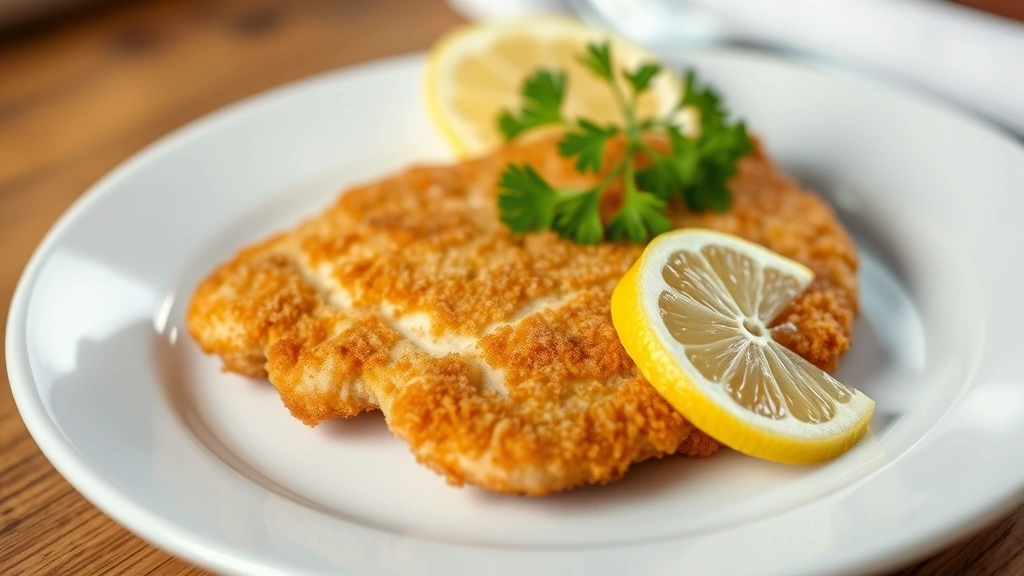
Wiener schnitzel represents the pinnacle of Austrian and German culinary tradition—a seemingly simple dish that demands precision, technique, and quality ingredients to achieve perfection. This iconic breaded and fried veal cutlet has graced tables from Vienna to Berlin for centuries, earning its place as one of Europe’s most beloved comfort foods. The magic lies not in complex flavors but in the masterful execution of pounding, breading, and frying to create that coveted golden-brown exterior that shatters between your teeth, giving way to tender, succulent meat within.
Whether you’re cooking for a special dinner or simply craving authentic European cuisine, mastering the wiener schnitzel recipe is a worthwhile endeavor. This guide walks you through every step, from selecting the right cut of meat to achieving that signature crispy exterior. You’ll discover the traditional Austrian technique, common pitfalls to avoid, and insider tips that separate restaurant-quality schnitzel from mediocre attempts.
What is Wiener Schnitzel?
Wiener schnitzel, literally “Viennese cutlet,” is a thin, breaded cutlet of veal that’s pan-fried until golden. Despite its Austrian name, the dish has become equally iconic in German cuisine. The traditional recipe calls for veal, though some variations use pork or chicken. The defining characteristic is the thin pounding of the meat—typically no thicker than a quarter-inch—which ensures rapid, even cooking and tender results.
The dish gained international fame in the 19th century and has since become a staple in European restaurants and home kitchens alike. What makes authentic wiener schnitzel different from similar breaded cutlets is the specific preparation method and the insistence on using veal. The Austrian government actually has strict regulations about what can legally be called “Wiener Schnitzel” within their borders—it must be veal, properly pounded, and prepared using traditional methods.
Understanding the cultural significance and traditional techniques behind this dish will help you appreciate why certain steps matter. This isn’t just about cooking; it’s about honoring a culinary tradition that has been perfected over generations.
Ingredients You’ll Need
Creating authentic wiener schnitzel requires surprisingly few ingredients, but quality matters tremendously. Here’s what you’ll need:
- Veal cutlets: 4 pieces (about 5-6 ounces each), cut from the leg or loin
- All-purpose flour: 1 cup, for dredging
- Eggs: 2 large, beaten with 2 tablespoons water or milk
- Breadcrumbs: 1.5 cups, preferably homemade from day-old bread
- Salt and white pepper: To taste (white pepper is traditional)
- Butter: 6-8 tablespoons, for frying (clarified butter is ideal)
- Oil: 2-3 tablespoons neutral oil (vegetable or sunflower)
- Lemon: 1 fresh lemon, cut into wedges
The quality of these ingredients directly impacts your final dish. Use fresh veal from a reputable butcher, preferably grass-fed. For breadcrumbs, making your own from stale white bread produces superior texture compared to store-bought versions. The combination of butter and oil prevents the butter from burning at high temperatures while maintaining that authentic flavor.
Preparation: The Foundation
Proper preparation is where many home cooks falter. This step determines whether your schnitzel will be tender and evenly cooked or tough and inconsistent.
Step 1: Selecting and Trimming the Meat
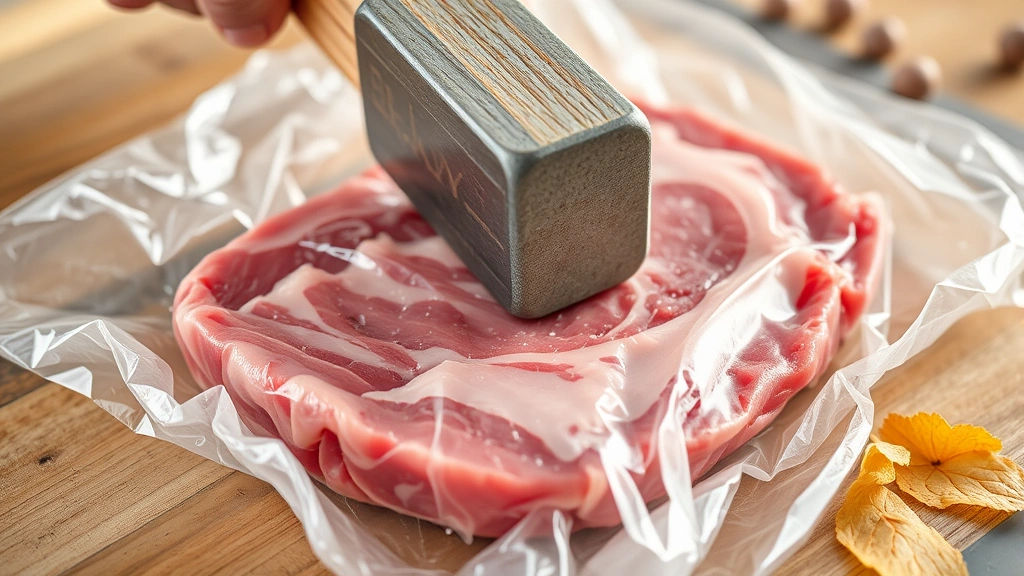
Visit a quality butcher and request veal cutlets from the leg, specifically the “schnitzel cut.” If they’re not already pounded thin, ask them to do so, or purchase thicker cutlets and pound them yourself. If pounding at home, place each cutlet between two sheets of plastic wrap or parchment paper. Using a meat mallet with the flat side, gently but firmly pound the meat from the center outward, working in overlapping strokes. The goal is a uniform thickness of approximately one-quarter inch throughout. This ensures even cooking—thicker spots won’t remain raw while thinner areas overcook.
Step 2: Pat Dry and Season
After pounding, place the cutlets on paper towels and pat them completely dry. Moisture is the enemy of crispiness—any water on the surface will create steam during frying, preventing proper browning. Season both sides generously with salt and white pepper. Let the seasoned cutlets rest at room temperature for 15-20 minutes. This allows the salt to penetrate the meat and seasons it throughout rather than just on the surface.
Step 3: Set Up Your Breading Station
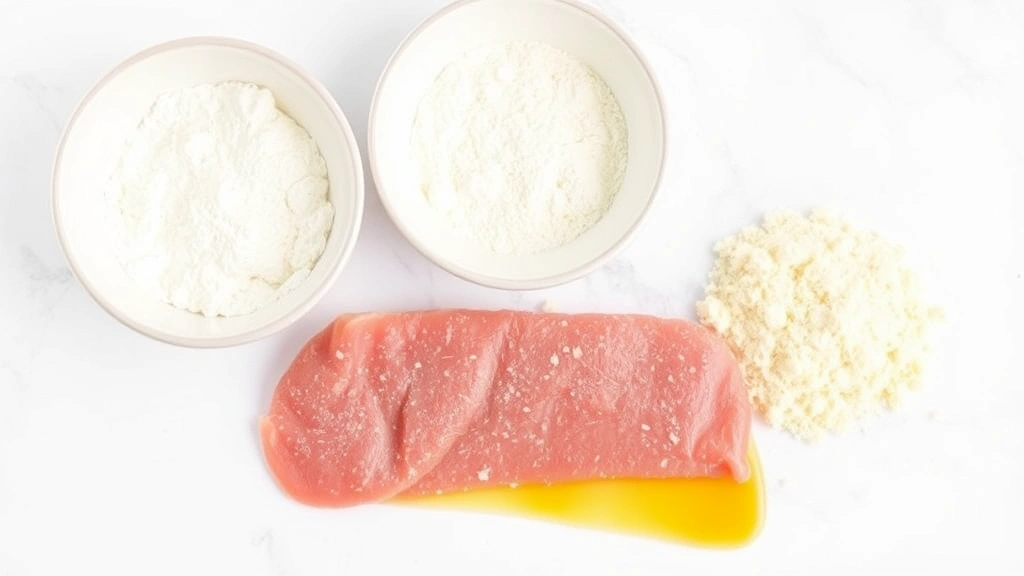
Organization is crucial for efficient breading. Arrange three shallow bowls or plates in a row: the first containing flour mixed with a pinch of salt and pepper, the second with beaten eggs, and the third with breadcrumbs mixed with salt and pepper. Have a clean plate ready for the breaded cutlets. This assembly-line setup prevents confusion and keeps your breading process smooth and quick.
The Breading Process
The breading technique is absolutely critical to achieving that signature crispy exterior. Many home cooks rush this step, but taking time here pays dividends.
The Three-Step Coating
Working with one cutlet at a time, dredge it thoroughly in the flour, coating both sides and edges evenly. Shake off excess flour—too much creates a gummy layer. Next, place the floured cutlet into the beaten egg, ensuring both sides are completely covered. The egg acts as an adhesive. Finally, transfer the cutlet to the breadcrumb mixture. Press gently but firmly, coating both sides thoroughly with breadcrumbs. This pressure ensures the breadcrumbs adhere properly rather than falling off during frying.
The Double-Coating Secret
For extra-crispy schnitzel like you’d get in Vienna, consider a double-breading technique. After the initial three-step coating, let the cutlet rest on a clean plate for 5 minutes. Then, dip it back into the egg once more, followed by another coat of breadcrumbs. This creates multiple layers that fry up exceptionally crispy. Place the finished cutlets on a clean, dry plate and let them rest for 10-15 minutes before frying. This resting period allows the coating to set and adhere more firmly.
Breadcrumb Quality Matters
Homemade breadcrumbs are superior to store-bought because they’re larger, less compressed, and fry up crispier. To make them, tear stale white bread into pieces and pulse in a food processor until you achieve medium-sized crumbs. If your bread is fresh, dry it in a low oven (200°F) for 10-15 minutes before processing. For an extra-traditional touch, some Austrian cooks use a combination of white breadcrumbs and finely crushed crackers.
Frying to Perfection
This is where your schnitzel transforms from raw to restaurant-quality. The right temperature and technique are non-negotiable.
Oil Temperature and Equipment
Heat a large, heavy-bottomed skillet (cast iron or stainless steel work best) over medium-high heat. Add the butter and oil together. The oil raises the smoke point while the butter provides flavor. Once the butter is foaming and the oil shimmers, your pan is ready. Ideally, the oil temperature should be 325-350°F. If you have a thermometer, use it. If not, test by dropping a small piece of bread into the oil—it should sizzle immediately and turn golden in about 60 seconds.
Frying Technique
Carefully place one or two cutlets into the hot fat (don’t overcrowd the pan—they need space to cook evenly). The cutlet should sizzle immediately upon contact. If it doesn’t, your oil isn’t hot enough. If it sounds explosive or the coating begins browning instantly, your oil is too hot. You want a steady, vigorous sizzle.
Fry for 2-3 minutes on the first side until golden brown. Using tongs or a spatula, carefully flip the cutlet and fry the second side for another 2-3 minutes until equally golden. The total cooking time is typically 4-6 minutes depending on thickness and oil temperature. The schnitzel is done when the meat feels firm when pressed with tongs and the coating is deep golden brown.
Draining Excess Oil
As soon as the schnitzel finishes frying, transfer it to a plate lined with paper towels. Drain for 1-2 minutes, which removes excess oil while the coating remains crispy. Don’t let it sit too long on paper towels, as prolonged contact can soften the coating.
Serving and Pairing
Presentation and accompaniments complete the authentic experience. Traditional Austrian schnitzel is deceptively simple in its presentation but requires attention to detail.
Plating Your Schnitzel
Place the warm schnitzel on a heated plate. Arrange a lemon wedge on the side—this is traditional and essential, as the bright acidity cuts through the richness of the fried coating and complements the delicate veal. Some cooks place a small dollop of lingonberry jam or cranberry preserves on the plate, which is a traditional Austrian accompaniment that provides sweet-tart contrast.
For a healthier presentation, you might serve your schnitzel alongside a fresh salad rather than the traditional potatoes and gravy.
Classic Side Dishes
Authentic wiener schnitzel is typically served with warm potato salad dressed with a light vinaigrette, or with buttered egg noodles. Some regions prefer simple boiled potatoes with parsley. A crisp green salad with a light vinaigrette also works beautifully, providing freshness that balances the richness of the fried cutlet.
Beverage Pairings
In Austria and Germany, wiener schnitzel is traditionally paired with light lager beer or crisp white wines such as Grüner Veltliner. These beverages complement the delicate veal and cut through the richness of the fried coating. A simple sparkling water with lemon also works wonderfully.
Troubleshooting Common Issues
Soggy Coating
If your schnitzel’s coating becomes soggy, the problem likely stems from insufficient oil temperature or too much moisture on the meat before frying. Always pat the cutlets completely dry before breading, and ensure your oil reaches the proper temperature before adding the meat. Additionally, don’t let breaded cutlets sit for more than 20-30 minutes before frying, as the moisture from the meat will eventually seep into the coating.
Tough, Chewy Meat
Overcooked veal becomes tough. This typically happens when the oil temperature is too low, causing extended cooking time, or when the cutlets are too thick. Ensure proper pounding to uniform thickness, and maintain adequate oil temperature for quick cooking. Veal schnitzel should cook in 4-6 minutes total.
Coating Falling Off
Inadequate adhesion usually means insufficient egg coating or insufficient pressure when applying breadcrumbs. Make sure each cutlet is thoroughly coated in egg, and press firmly when applying breadcrumbs. The double-breading technique described earlier also helps prevent this issue.
Uneven Browning
This typically results from uneven thickness or inconsistent oil temperature. Always pound cutlets to uniform thickness, and use a thermometer to monitor oil temperature. Avoid moving the cutlet excessively while frying—let it sit undisturbed for the first minute on each side to develop proper color.
Breading Burns Before Meat Cooks
If your coating browns too quickly while the interior remains undercooked, your oil temperature is too high or your cutlets are too thick. Lower the heat slightly and ensure cutlets are pounded thin enough for rapid, even cooking.
For additional cooking technique guidance, consult resources like Serious Eats or Cook’s Illustrated, which offer detailed food science explanations behind frying techniques.
Understanding the science behind schnitzel preparation enhances your ability to troubleshoot and refine your technique. The Maillard reaction—the chemical process that creates browning and complex flavors—requires specific temperature ranges. At 325-350°F, your oil is hot enough to initiate this reaction quickly without burning the exterior before the interior cooks. The breadcrumb coating insulates the delicate veal, allowing it to cook gently while the exterior achieves that signature golden crust.
Many professional chefs recommend using clarified butter exclusively, as it has a higher smoke point than regular butter. However, the combination of butter and neutral oil provides excellent results while maintaining authentic flavor. Some Viennese restaurants use a blend of equal parts butter and lard, which produces exceptional crispiness, though this is less common in home cooking today.
Consider exploring alternative cooking methods if you want to experiment beyond traditional pan-frying. While not authentic, some modern cooks sous-vide the veal first, then bread and quick-fry it for a guaranteed tender interior with crispy coating.
FAQ
Can I use chicken instead of veal for wiener schnitzel?
While authentic wiener schnitzel specifically calls for veal, chicken can be substituted. It won’t be traditional, but it produces good results. Use chicken breast pounded thin, and reduce cooking time slightly since chicken cooks faster than veal. This variation is sometimes called “schnitzel” without the “Wiener” designation.
What’s the difference between wiener schnitzel and regular schnitzel?
Wiener schnitzel specifically refers to veal prepared in the Austrian style. Other schnitzel variations use pork, chicken, or turkey. The cooking technique remains similar, but “Wiener” denotes the traditional Austrian preparation using veal.
Can I make wiener schnitzel ahead of time?
Schnitzel is best served immediately after frying while the coating is maximally crispy. However, you can prepare breaded cutlets several hours ahead and refrigerate them, frying just before serving. Cooked schnitzel can be reheated in a 350°F oven for 5-10 minutes, though the coating will be less crispy than when freshly fried.
Is there a healthier way to prepare schnitzel?
For a lighter version, try baking instead of frying. Place breaded cutlets on an oiled baking sheet, spray the tops with cooking spray, and bake at 400°F for 12-15 minutes until golden. The result won’t be as crispy as fried schnitzel, but it reduces oil content significantly. Some cooks also use panko breadcrumbs for extra crispiness with less oil absorption.
What’s the best cut of veal for schnitzel?
The leg (particularly the round) and loin provide the most tender, flavorful schnitzel. Ask your butcher specifically for schnitzel cuts, which are already sliced appropriately. Avoid tougher cuts like shoulder, which require longer cooking times and won’t yield tender results.
How do I keep schnitzel warm if I’m cooking multiple cutlets?
Place finished schnitzel on a warm plate in a 200°F oven while you finish cooking remaining cutlets. Don’t stack them, as this traps steam and softens the coating. If you must stack them, place parchment paper between layers.
Can I freeze breaded schnitzel before cooking?
Yes, absolutely. Breaded, uncooked cutlets freeze well for up to three months. Freeze them on a baking sheet first, then transfer to freezer bags. Fry directly from frozen, adding 1-2 minutes to cooking time. There’s no need to thaw.
What oil is best for frying schnitzel?
Neutral oils with high smoke points work best: vegetable, sunflower, or peanut oil. Avoid olive oil, which has a lower smoke point and will impart strong flavor. Butter alone will burn at the required temperature, which is why combining it with neutral oil is traditional.
How do I know when my schnitzel is done?
Schnitzel is done when the coating is deep golden brown and the meat feels firm when pressed with tongs. For veal, this typically takes 4-6 minutes total cooking time. If you’re concerned about doneness, use an instant-read thermometer—veal schnitzel should reach 160°F internally.
Why is my homemade schnitzel less crispy than restaurant versions?
Restaurants typically use higher oil temperatures and professional-grade equipment that maintains consistent heat. They also often use double-breading techniques and may use specialized breadcrumb blends. Try using a thermometer to ensure your oil reaches 325-350°F, employ double-breading, and make sure your pan is large enough to maintain temperature when you add the cutlets.


