Easy 4-Ingredient Guacamole Recipe: The Tried & True Method
Guacamole doesn’t need to be complicated. In fact, the best versions are often the simplest, letting premium avocados shine without unnecessary additions or fussy techniques. This 4-ingredient guacamole recipe proves that exceptional flavor comes from quality ingredients and proper technique, not a long shopping list. Whether you’re preparing a quick appetizer for guests or need a reliable dip for weeknight tacos, this straightforward approach delivers creamy, fresh results every single time.
What makes this recipe special isn’t a secret ingredient or exotic preparation method—it’s the understanding that avocados, lime, salt, and cilantro form a perfect flavor balance that’s been perfected over generations. The beauty of minimalist cooking like this is that each component matters deeply, so selecting ripe avocados and fresh citrus becomes part of your success strategy. Let’s explore how to create restaurant-quality guacamole in your own kitchen using just four essential ingredients.
The Four Essential Ingredients
Understanding each ingredient’s role is fundamental to mastering this recipe. The four core components work together synergistically, with each one contributing specific flavors and textures that create a harmonious whole.
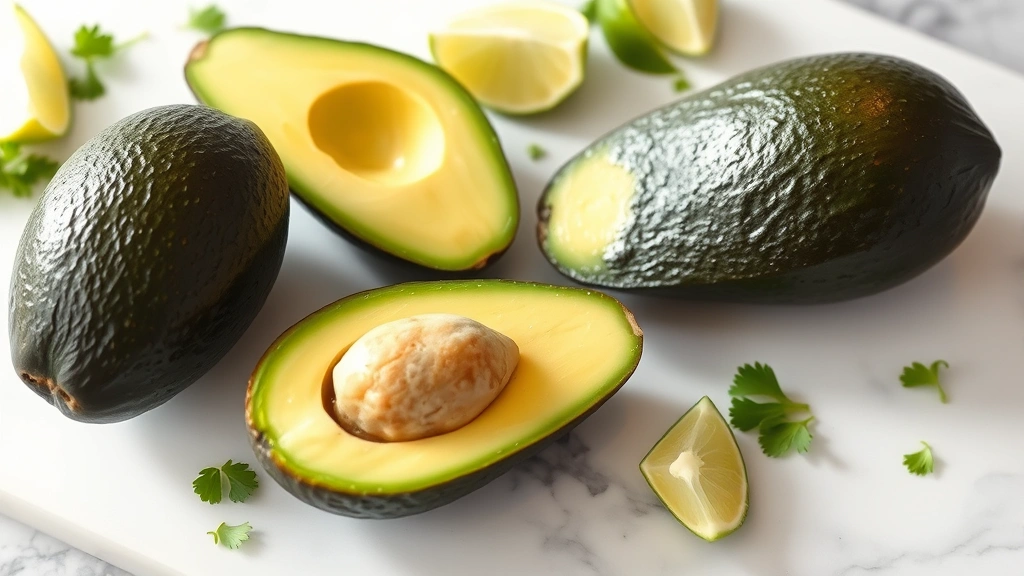
Avocados form the foundation of your guacamole. Choose ripe, creamy varieties like Hass avocados, which contain higher fat content than other types and deliver that luxurious mouthfeel people crave. The avocado’s mild, buttery flavor provides the perfect canvas for the other three ingredients. Look for avocados that yield slightly to gentle pressure but aren’t mushy—this indicates optimal ripeness. You’ll need approximately three medium avocados to create a generous serving that feeds 4-6 people as an appetizer.
Fresh lime juice serves multiple purposes beyond adding brightness. The acid from lime juice prevents oxidation, which keeps your guacamole from turning brown as quickly. This ingredient also balances the richness of the avocado and adds a subtle citrus note that enhances rather than overwhelms. Always use fresh-squeezed lime juice rather than bottled versions, as the flavor profile is noticeably superior and more vibrant. One lime typically yields enough juice for this recipe, though you may need an extra half-lime depending on the fruit’s juiciness.
Sea salt is your seasoning anchor. Salt doesn’t just make food taste salty—it amplifies all other flavors and brings out the natural sweetness in the avocado. High-quality sea salt or koskosher salt works best because the larger crystals dissolve gradually, giving you better control over seasoning levels. Start with a quarter teaspoon and adjust upward based on your taste preferences and the saltiness of any foods you’ll serve alongside the guacamole.
Fresh cilantro provides the herbaceous, slightly peppery note that distinguishes excellent guacamole from ordinary versions. This ingredient adds complexity and freshness that ties everything together. If you’re not a cilantro enthusiast (some people have a genetic variation that makes cilantro taste soapy), you can reduce the quantity or omit it entirely without compromising the recipe’s integrity. Roughly chop the cilantro just before mixing to preserve its volatile aromatic oils.
Selecting Perfect Avocados
The success of your guacamole depends entirely on avocado quality. Selecting the right fruit at peak ripeness makes the difference between creamy, delicious results and disappointing, watery outcomes. Learning to evaluate avocados by touch and appearance is an essential kitchen skill that takes just a little practice.
Visit your produce section and gently squeeze several avocados in the palm of your hand. The ideal avocado yields to moderate pressure—not hard and unyielding, but not mushy either. If you’re planning to make guacamole today, look for avocados that are already soft. If you’re shopping for tomorrow, select slightly firmer fruit that will ripen overnight in a paper bag at room temperature. Never refrigerate unripe avocados, as cold temperatures halt the ripening process.
Examine the avocado’s exterior for dark spots or blemishes, which indicate overripeness or damage. The skin should be dark green without any large brown patches. If you notice a small dark spot near the stem, gently remove the stem—if the flesh underneath is brown, the avocado is past its prime. However, a small amount of browning is normal in very ripe avocados and doesn’t affect the flavor.
Consider buying avocados at different ripeness levels if you’re meal planning for the week. This strategy ensures you always have perfectly ripe fruit available. Ripe avocados should be used within a day or two, while slightly underripe ones can be stored in your refrigerator’s crisper drawer for several days, slowing their ripening process.
Step-by-Step Preparation Method
Creating perfect guacamole involves straightforward techniques that anyone can master. Follow these steps carefully to achieve the ideal texture and flavor balance:
- Prepare your workspace. Gather all four ingredients and a cutting board, sharp knife, and mixing bowl. Having everything ready prevents unnecessary delays and allows you to work with optimal timing, especially important for preventing avocado oxidation.
- Cut and pit the avocados. Hold an avocado in your non-knife hand and use a sharp chef’s knife to cut lengthwise around the pit. Twist the two halves in opposite directions to separate them. Carefully tap the knife blade into the pit and twist to remove it, then scoop the flesh into your mixing bowl using a spoon. Repeat with remaining avocados.
- Juice your limes. Cut limes in half and squeeze over a fine-mesh strainer to catch seeds and pulp. You’ll need approximately 2-3 tablespoons of fresh lime juice. Pour the juice immediately over the avocado flesh to begin the oxidation-prevention process.
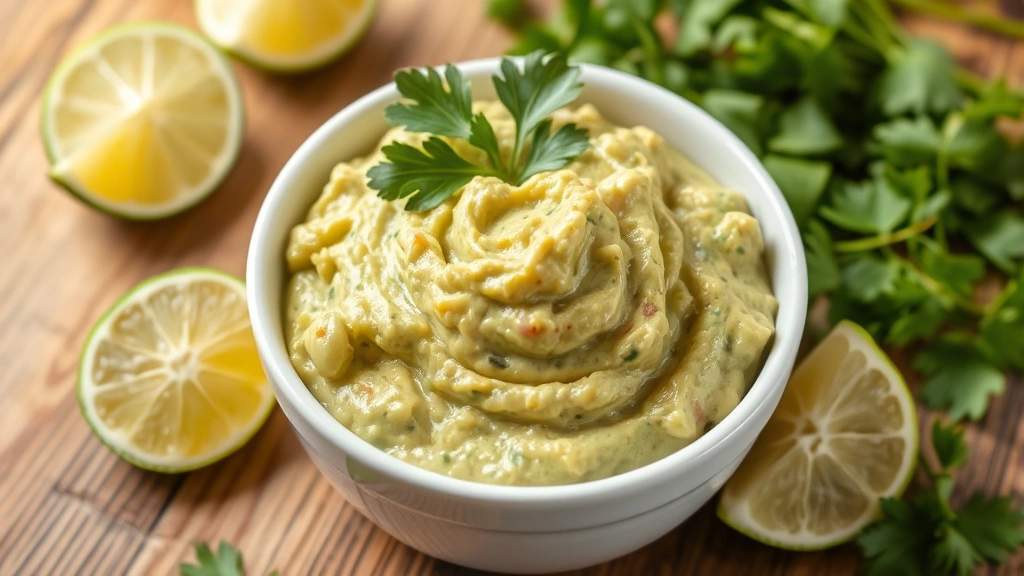
- Mash to your preferred consistency. Using a fork, gently mash the avocado to your desired texture. Some people prefer chunky guacamole with distinct avocado pieces, while others like a smoother, more uniform consistency. There’s no wrong approach—this is entirely about personal preference. Mash and fold gently rather than aggressively stirring, which can create an unpleasant, overly smooth texture.
- Add salt and cilantro. Sprinkle salt over the mixture and fold in roughly chopped fresh cilantro. Taste and adjust seasoning as needed. Remember that you can always add more salt, but you can’t remove it, so start conservatively.
- Serve immediately or refrigerate. Transfer to a serving bowl and garnish with additional cilantro if desired. If you’re preparing guacamole ahead, press plastic wrap directly onto the surface to minimize air contact and preserve the vibrant green color.
This entire process takes approximately 5-7 minutes from start to finish, making it perfect for unexpected guests or last-minute entertaining.
” alt=”Fresh guacamole in white bowl with lime wedges and cilantro garnish, creamy texture visible”>
Pro Tips for Perfect Texture
Achieving the ideal guacamole texture requires understanding how different techniques affect the final result. These professional insights will help you create consistently excellent guacamole:
Control your mashing technique. The way you mash avocados dramatically affects texture. A fork creates a chunkier, more rustic consistency with distinct avocado pieces, while a potato masher produces a smoother, more uniform texture. For the best of both worlds, use a fork to break down most of the avocado, then use the back of the fork to create a few smooth streaks through the mixture. This creates interesting texture variation that’s visually appealing and pleasant to eat.
Don’t over-mix. Excessive stirring breaks down avocado cells and releases oils, creating an unpleasant, paste-like consistency. Mix just enough to incorporate the lime juice, salt, and cilantro evenly. Fold gently rather than stir aggressively, using a rubber spatula if possible rather than a spoon.
Lime juice timing matters. Add lime juice immediately after cutting avocados to prevent oxidation. The acid creates a protective barrier on the avocado surface that slows browning. However, if you’re preparing guacamole several hours ahead, reserve some lime juice to add just before serving, which refreshes the flavor and provides additional oxidation protection.
Temperature affects texture. Serve guacamole at room temperature for the best flavor and creamiest texture. Cold guacamole becomes stiff and the flavors become muted. If you’ve refrigerated your guacamole, remove it from the refrigerator 15-20 minutes before serving to allow it to return to room temperature.
Pit retention prevents browning. If you’re storing guacamole for several hours, leaving one avocado pit in the mixture slows oxidation. The pit creates a barrier that limits oxygen exposure. Remove the pit just before serving.
Storage and Make-Ahead Strategies
While guacamole is best enjoyed immediately, understanding proper storage techniques allows you to prepare ahead when necessary. These strategies maintain quality and freshness:
Refrigerator storage. Transfer guacamole to an airtight container and press plastic wrap directly onto the surface, ensuring no air gaps. This barrier minimizes oxidation and keeps the guacamole green and fresh. Properly stored guacamole lasts 2-3 days in the refrigerator, though the flavor and texture are optimal within the first 24 hours.
Freezing guacamole. While not ideal, frozen guacamole works in a pinch for recipes where texture matters less, such as when blending into smoothies or using as a sauce base. Freeze in an airtight container or ice cube trays for portion control. Thawed guacamole becomes watery and separates, so it’s best used in applications where the texture change is less noticeable. For recipes requiring fresh guacamole, fresh preparation is always preferable.
Preventing browning. The most important factor in preventing oxidation is minimizing air exposure. After mashing, smooth the surface of your guacamole and press plastic wrap directly onto it. Store in the coldest part of your refrigerator, typically the back of a lower shelf. Some cooks add a thin layer of sour cream or mayonnaise on top as an additional barrier, though this changes the flavor slightly.
Lime juice technique. Before storing, drizzle a small amount of additional lime juice over the surface and gently fold it in. This provides extra acid protection and refreshes the flavor. If browning has begun during storage, you can sometimes salvage guacamole by gently folding in fresh lime juice and cilantro, which masks minor discoloration.
Serving Suggestions and Pairings
This simple guacamole pairs beautifully with countless dishes and serves as a versatile condiment for many cuisines. Here are excellent serving ideas:
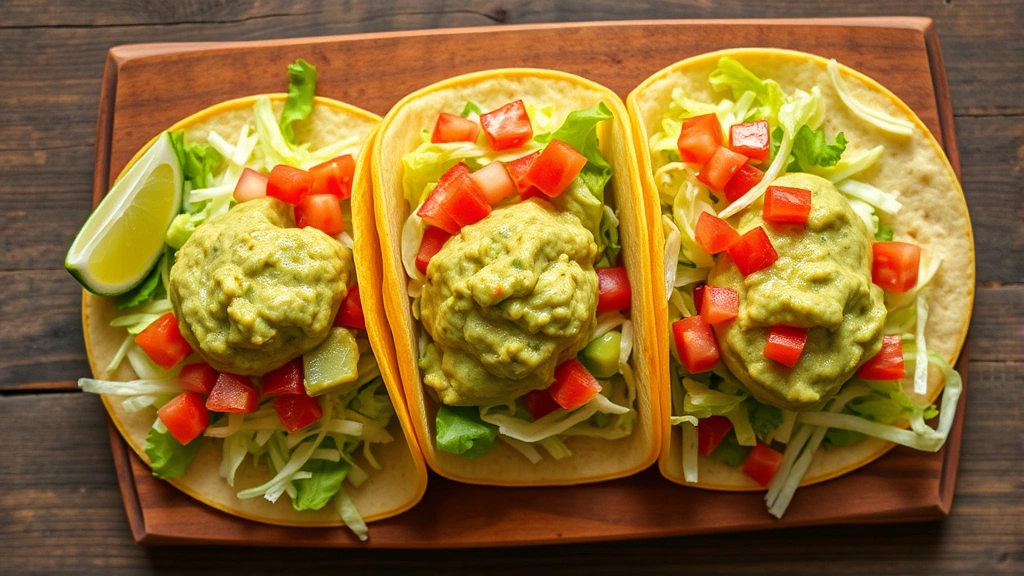
Classic Mexican applications. Serve guacamole alongside warm tortilla chips as an appetizer, or use it as a topping for tacos, enchiladas, and quesadillas. Try pairing it with lettuce wraps for a fresh, lighter application. The cooling creaminess balances spicy or rich Mexican dishes perfectly. Guacamole also works wonderfully on top of refried beans or black beans for a simple side dish.
Seafood pairings. Guacamole complements grilled fish, shrimp, and ceviche beautifully. The lime juice in both the guacamole and seafood preparations creates flavor harmony. Serve alongside grilled fish tacos or use as a topping for ceviche tostadas.
Asian-inspired dishes. While unconventional, guacamole works surprisingly well with Asian cuisines. Serve alongside pork stir fry or use as a cooling element with spicy Asian noodle dishes. The creamy texture provides nice contrast to crispy components. Consider pairing with char siu in creative fusion applications.
Vegetarian and grain bowls. Use guacamole as a creamy component in Buddha bowls, grain salads, or vegetable-focused meals. It adds richness and healthy fats that make plant-based meals more satisfying. Drizzle guacamole over roasted vegetables or use as a base for building composed salads.
Sandwich and burger topping. Spread guacamole on sandwiches, burgers, and wraps instead of mayonnaise for a healthier, more flavorful option. It works particularly well with turkey, chicken, and vegetable-based sandwiches.
Appetizer platters. Include guacamole on cheese and charcuterie boards alongside crackers, crudités, and other dips. Serve in a small bowl surrounded by tortilla chips, vegetable sticks, and pita chips for a casual appetizer spread.
For more meal inspiration, explore udon noodles recipes or quick and easy pasta recipes that pair well with fresh guacamole as a side component.
” alt=”Overhead view of guacamole-topped tacos with shredded lettuce, diced tomatoes, and lime wedges on wooden table”>
FAQ
Can I make guacamole without cilantro?
Absolutely. If cilantro isn’t available or you dislike its flavor, simply omit it. Your guacamole will still be delicious with just avocado, lime, and salt. Some people add fresh parsley as an alternative herb, though the flavor profile changes slightly. You can also add a small amount of minced onion or garlic if you want additional flavor complexity without cilantro.
What’s the best way to prevent guacamole from turning brown?
Minimize air exposure by pressing plastic wrap directly onto the surface and storing in an airtight container. Add lime juice immediately after cutting avocados and before storing. Keep the avocado pit in the mixture if storing for several hours. Store in the coldest part of your refrigerator. Some browning is natural and doesn’t affect flavor, though appearance changes.
How do I know if an avocado is ripe?
A ripe avocado yields to gentle pressure from your palm but isn’t mushy. The skin should be dark green without large brown patches. Check the area near the stem—if the flesh underneath is brown, the avocado is overripe. For immediate use, choose soft avocados; for later use, select slightly firmer fruit that will ripen overnight at room temperature.
Can I add other ingredients to this basic recipe?
While the four-ingredient version is perfect for purists, you can certainly customize it. Popular additions include diced tomatoes, minced red onion, jalapeño peppers, garlic, and cumin. However, each addition dilutes the pure avocado flavor, so add thoughtfully and taste as you go. The beauty of this recipe is its simplicity, so consider whether additions truly enhance your version.
How much guacamole does this recipe make?
Using three medium avocados, this recipe yields approximately 1.5 to 2 cups of guacamole, serving 4-6 people as an appetizer or 2-3 as a main component. If you need less, simply use fewer avocados while maintaining the proportions of lime juice, salt, and cilantro. The ratio is approximately 1 lime and ¼ teaspoon salt per avocado.
Is guacamole healthy?
Yes, guacamole is nutritious and full of healthy monounsaturated fats from avocados, which support heart health and nutrient absorption. Avocados contain fiber, potassium, and various vitamins and minerals. The lime juice provides vitamin C, and cilantro adds phytonutrients. While calorie-dense due to fat content, guacamole is a nutrient-dense food that supports a balanced diet when consumed in reasonable portions.
Can I make guacamole in advance for a party?
Guacamole is best served within 2-4 hours of preparation, though it can be refrigerated for up to 24 hours with proper storage. For parties, prepare the components in advance and assemble just before serving if possible. If you must prepare ahead, store with plastic wrap pressed directly onto the surface and lime juice drizzled on top. Refresh with additional fresh lime juice and cilantro just before serving. For larger events, consider making guacamole in batches rather than one large batch hours in advance.


