
Best Banana Bread Muffins? Tried & Loved Recipe
There’s something magical about biting into a warm banana bread muffin fresh from the oven. The tender crumb, the subtle sweetness, and that perfect balance of spice make these little treats irresistible for breakfast, snacks, or even dessert. After testing dozens of variations, I’ve finally perfected the ultimate banana bread muffins recipe that delivers consistent results every single time. These muffins are moist, flavorful, and so easy to make that you’ll find yourself baking them weekly.
What makes this recipe stand out from the crowd? It’s the combination of ultra-ripe bananas, brown butter for depth, and a touch of vanilla extract that elevates these muffins beyond the ordinary. The secret ingredient—a pinch of nutmeg and cinnamon—adds warmth and complexity that keeps people guessing. Plus, these muffins stay fresh for days, making them perfect for meal prep or bringing to potlucks.
Whether you’re a seasoned baker or someone who rarely ventures into the kitchen, this banana bread muffins recipe is designed to be foolproof. I’ll walk you through every step, share my pro tips for achieving that coveted golden-brown top, and explain the science behind why certain ingredients matter more than others.
Why This Recipe Works
The foundation of great banana bread muffins starts with understanding what makes them special. Unlike regular muffins that rely on chemical leavening alone, this recipe uses a combination of baking soda and baking powder to create a light, tender structure. The baking soda reacts with the acidic bananas, creating lift and a slightly caramelized flavor, while the baking powder ensures consistent rise throughout the muffins.
The ratio of wet to dry ingredients is critical. Too much moisture and your muffins become dense and gummy; too little and they’re dry and crumbly. This recipe balances three overripe bananas with the right amount of flour to create that perfect middle ground. The eggs act as both a binder and a leavening agent, while the butter adds richness and helps create that golden, crispy exterior.
Temperature control matters more than most home bakers realize. Room temperature ingredients mix together more evenly, creating a homogeneous batter with no lumps or pockets of unmixed flour. This is why I always recommend pulling your eggs and bananas out of the refrigerator 30 minutes before baking. When you pair this recipe with healthy dessert recipes, you’ll appreciate how naturally wholesome these muffins are.
Essential Ingredients Breakdown
Bananas (3 large, very ripe): This is non-negotiable. Your bananas should have brown speckles and feel soft to the touch. Underripe bananas lack the sugar and flavor intensity you need. Overripe bananas—the ones you might normally throw away—are actually perfect for this recipe. They provide natural sweetness, moisture, and that deep banana flavor that makes people ask for your recipe.
All-Purpose Flour (1¾ cups): All-purpose flour works beautifully in this recipe, providing structure without making the muffins tough. I always spoon flour into my measuring cup and level it off rather than scooping directly from the bag, which can pack too much flour into your measuring cup.
Butter (½ cup or 1 stick, melted): Melted butter creates a tender crumb and adds incredible flavor. If you want to take this up a notch, brown your butter first. Simply melt the butter in a saucepan over medium heat, then let it cook until the milk solids turn golden brown and smell nutty. This adds a sophisticated depth that regular melted butter can’t match.
Eggs (2 large, room temperature): Eggs bind the ingredients together and help create lift. Room temperature eggs incorporate more smoothly into the batter, creating a more uniform texture throughout your muffins.
Granulated Sugar (¾ cup): Sugar sweetens the muffins and also helps create that golden-brown exterior. Some recipes use all brown sugar, but I prefer a mix for the best flavor and texture. Brown sugar adds moisture and molasses notes, while granulated sugar helps with browning.
Baking Soda (1 teaspoon) and Baking Powder (¼ teaspoon): The ratio between these two leavening agents is important. Baking soda reacts immediately with acidic ingredients (like bananas), creating carbon dioxide bubbles that help the muffins rise. Baking powder provides additional lift and ensures the muffins rise evenly.
Salt (½ teaspoon): Salt enhances all the flavors in your muffins and balances the sweetness. Don’t skip this ingredient; it makes a noticeable difference.
Vanilla Extract (1 teaspoon): Pure vanilla extract adds depth and complexity. Avoid imitation vanilla, which can taste harsh in baked goods.
Cinnamon (½ teaspoon) and Nutmeg (¼ teaspoon): These warm spices complement banana beautifully. They add complexity without overpowering the banana flavor. If you love spice, feel free to add a pinch of ginger or cloves as well.
Equipment You’ll Need
Having the right tools makes baking significantly easier and more enjoyable. Here’s what I recommend:
- Muffin tin with 12 cups: A standard muffin tin is essential. I prefer metal over silicone because it conducts heat more evenly, resulting in better browning on the bottoms and sides.
- Muffin liners: These prevent sticking and make cleanup effortless. Paper liners work great, but silicone liners are reusable and better for the environment.
- Mixing bowls: You’ll need one large bowl for wet ingredients and one for dry ingredients. Mixing wet and dry separately prevents overmixing, which can lead to tough muffins.
- Measuring cups and spoons: Accurate measurements are crucial in baking. Invest in a set of dry measuring cups and liquid measuring cups.
- Whisk or fork: A whisk helps combine dry ingredients evenly and aerates the batter. A fork works in a pinch.
- Rubber spatula: A flexible spatula helps you scrape every bit of batter from the bowl and fold ingredients gently.
- Toothpick or cake tester: This helps you check for doneness without cutting into a muffin.
Step-by-Step Instructions
Step 1: Prepare Your Oven and Pans
Preheat your oven to 350°F (175°C). Line a 12-cup muffin tin with paper liners or grease each cup thoroughly with butter or cooking spray. This prevents sticking and ensures your muffins release cleanly.
Step 2: Combine Dry Ingredients
In a large mixing bowl, whisk together the flour, baking soda, baking powder, salt, cinnamon, and nutmeg. Whisking these ingredients together ensures the leavening agents and spices are evenly distributed throughout the flour. This prevents pockets of baking soda taste and ensures consistent rise.
Step 3: Prepare Wet Ingredients
In another bowl, mash your three very ripe bananas with a fork until mostly smooth. Leave a few small chunks—these add texture and make the muffins feel homemade. Add the melted butter, eggs, granulated sugar, and vanilla extract to the mashed bananas. Whisk these ingredients together until well combined and slightly frothy.
Step 4: Combine Wet and Dry
Pour the wet ingredients into the dry ingredients. Using a rubber spatula, gently fold the mixture together until just combined. This is crucial—overmixing develops gluten, which makes muffins tough and dense. Some small lumps of flour are perfectly fine and actually desirable. Mix for about 15-20 seconds, just until you don’t see dry flour anymore.
Step 5: Fill the Muffin Tin
Divide the batter evenly among the 12 muffin cups, filling each about two-thirds full. I use a spring-loaded ice cream scoop for this, which ensures even portions and consistent baking. If you don’t have a scoop, use a large spoon and divide the batter by eye.
Step 6: Bake
Place the muffin tin in your preheated oven and bake for 18-22 minutes, until a toothpick inserted into the center of a muffin comes out clean or with just a few moist crumbs. The muffins should be golden brown on top. Every oven is different, so start checking at 18 minutes to avoid overbaking.
Step 7: Cool
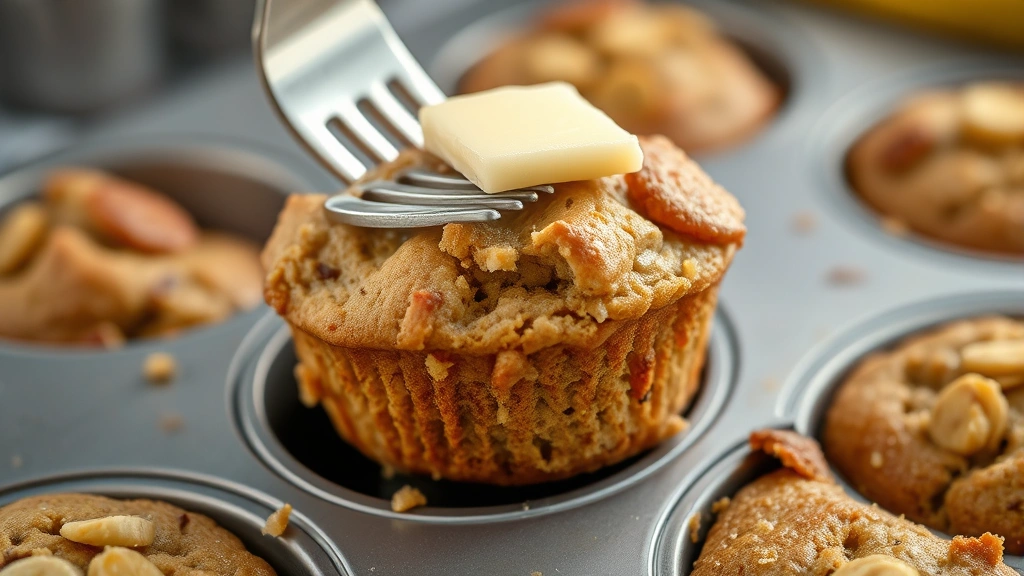
Let the muffins cool in the tin for 10 minutes before turning them out onto a wire rack. This allows them to set enough to release cleanly from the tin. Serve warm or at room temperature. They’re delicious either way, but warm muffins with a pat of butter are absolutely heavenly.
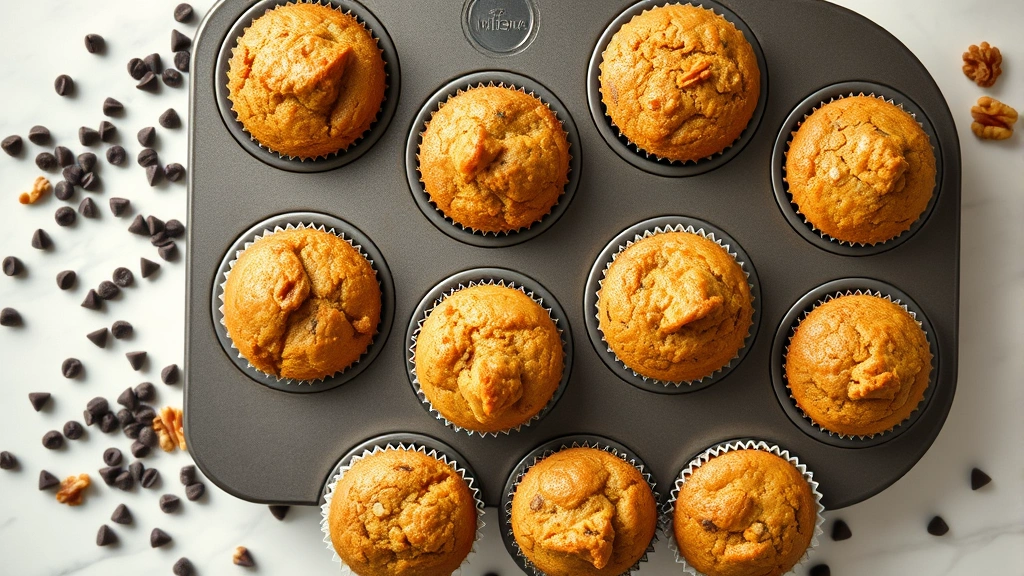
Pro Tips for Perfect Muffins
Use Truly Overripe Bananas: I cannot stress this enough. If your bananas are still yellow, they’re not ready. Wait until they have brown speckles and feel soft. The starches in bananas convert to sugar as they ripen, making overripe bananas sweeter and more flavorful. They also mash more easily, creating a smoother batter.
Brown Your Butter: For an advanced flavor boost, brown your butter before adding it to the batter. Melt ½ cup butter in a saucepan over medium heat and let it cook until the milk solids turn golden brown. This takes about 5-7 minutes. Let it cool slightly before adding to your wet ingredients. The nutty, toasted flavor elevates these muffins from good to extraordinary.
Don’t Overmix: Overmixing is the number one reason homemade muffins turn out tough and dense. Mix your batter just until the dry ingredients are incorporated. A few small lumps of flour are your friends—they disappear during baking and result in a tender crumb.
Use Room Temperature Eggs: Cold eggs don’t incorporate as smoothly into the batter, which can result in streaks and uneven texture. Pull your eggs out of the refrigerator 30 minutes before baking, or place them in a bowl of warm water for 5 minutes.
Check Oven Temperature: An oven thermometer is one of the most valuable tools you can buy. Many home ovens run hot or cold, which affects baking times and browning. If your oven runs hot, lower the temperature by 25°F. If it runs cool, increase it by 25°F.
Don’t Open the Oven Door: Resist the urge to peek at your muffins while they’re baking. Opening the door releases heat and can cause uneven baking. Check them only after 18 minutes have passed.
Delicious Variations to Try
Chocolate Chip Banana Bread Muffins: Fold ¾ cup chocolate chips into the batter just before filling the muffin tin. Semi-sweet, dark chocolate, or white chocolate all work beautifully. This variation is perfect for chocolate lovers and makes a great addition to healthy dessert recipes.
Walnut or Pecan Banana Muffins: Add ¾ cup chopped walnuts or pecans to the batter. Nuts add crunch, protein, and healthy fats. Toast the nuts lightly before adding them for enhanced flavor. This variation pairs wonderfully with morning coffee.
Streusel Topping: Mix together ⅓ cup flour, ⅓ cup brown sugar, ⅓ cup cold butter (cut into small pieces), and ½ teaspoon cinnamon. Sprinkle this mixture over the batter before baking. It creates a delicious crumbly top that adds texture and visual appeal.
Banana Bread Muffins with Cream Cheese Swirl: Soften 4 oz cream cheese and mix with 2 tablespoons powdered sugar. Fill each muffin cup halfway with batter, add a dollop of cream cheese mixture, then top with remaining batter. Swirl gently with a toothpick. This creates a delightful surprise in the center.
Healthier Version: Replace half the all-purpose flour with whole wheat flour for added fiber and nutrition. You might need to add an extra tablespoon of milk or banana to keep the batter moist, since whole wheat flour absorbs more liquid. This variation is perfect if you’re looking to incorporate these muffins into foods rich in antioxidants for better health.
Vegan Banana Bread Muffins: Replace the eggs with flax eggs (1 tablespoon ground flaxseed mixed with 3 tablespoons water per egg, let sit 15 minutes) and use coconut oil instead of butter. The results are surprisingly moist and delicious.
Storage and Shelf Life
Room Temperature Storage: Cooled muffins can be stored in an airtight container at room temperature for up to 3 days. Keep them in a cool, dry place away from direct sunlight. The muffins will stay moist and tender thanks to the high banana content.
Refrigerator Storage: If you want to extend the shelf life, store muffins in an airtight container in the refrigerator for up to 5 days. Before eating, let them come to room temperature or warm them in the microwave for 20-30 seconds for that fresh-from-the-oven taste.
Freezer Storage: These muffins freeze beautifully for up to 2 months. Wrap cooled muffins individually in plastic wrap, then place them in a freezer-safe bag. To thaw, leave them at room temperature for 1-2 hours, or microwave a frozen muffin for 30-45 seconds. You can even eat them straight from the freezer on a hot summer day—they’ll thaw quickly and taste like a frozen treat.
Make-Ahead Tip: You can prepare the batter up to 12 hours in advance. Cover the bowl with plastic wrap and refrigerate. When ready to bake, let the batter sit at room temperature for 15 minutes, then fill your muffin tin and bake as directed. The muffins may take 1-2 minutes longer to bake since the batter will be slightly cold.
FAQ
Why are my muffins dense and gummy?
Dense muffins are usually the result of overmixing the batter or using too much flour. Mix your batter just until the dry ingredients are incorporated—some lumps are fine. Also, make sure you’re measuring flour correctly by spooning it into the measuring cup and leveling it off, not scooping directly from the bag.
Can I use frozen bananas?
Yes, but thaw them completely and drain any excess liquid. Frozen bananas can be watery, which may affect the texture of your muffins. If you use frozen bananas, you might need to reduce the amount of liquid or add a bit more flour to compensate.
What if I don’t have baking soda?
You need baking soda for this recipe because it reacts with the acidic bananas to create lift and flavor. Baking powder alone won’t give you the same results. If you’re out of baking soda, you could try using 1 teaspoon of baking powder instead of ¼ teaspoon, but the muffins won’t rise as well or taste quite right.
How do I know when my muffins are done baking?
Insert a toothpick into the center of a muffin. It should come out clean or with just a few moist crumbs. If wet batter clings to the toothpick, the muffins need more time. The tops should be golden brown, but not dark brown or burned.
Can I make these muffins in a loaf pan instead?
Yes! Pour the batter into a greased loaf pan and bake at 350°F for 50-60 minutes, until a toothpick inserted into the center comes out clean. This makes traditional banana bread instead of muffins. The baking time will be longer because the center takes more time to bake.
Why do my muffins have a peak in the middle?
Muffins with a peaked top are actually a sign of good oven spring—they’ve risen beautifully in the oven. This is a good thing! If you prefer flatter muffin tops, you can lower your oven temperature by 25°F, which slows the initial rise and creates a more uniform top.
Can I reduce the sugar in this recipe?
You can reduce the sugar to ½ cup, but the muffins won’t brown as well and will be less sweet. The bananas provide natural sweetness, so they’ll still taste good, just less sweet overall. Avoid reducing the sugar by more than ¼ cup, as it affects browning and texture.
What’s the difference between baking soda and baking powder?
Baking soda is a base that reacts immediately with acidic ingredients (like bananas) to create carbon dioxide bubbles. Baking powder is a mixture of baking soda and an acid (usually cream of tartar) that reacts in two stages—once when wet and again when heated. Using both ensures optimal rise and texture.
Can I add more chocolate chips or nuts?
Yes, but don’t add more than 1 cup total of mix-ins (chocolate chips, nuts, etc.). Too many additions can weigh down the batter and prevent proper rising. They’ll also make the muffins denser and heavier.
How do I make these muffins more moist?
Use truly overripe bananas, don’t overbake them, and store them in an airtight container. You could also brush the warm muffins with a simple syrup made from equal parts sugar and water, or add an extra tablespoon of butter to the batter.
This banana bread muffins recipe is truly the best I’ve found after years of testing and refining. The combination of perfectly ripe bananas, warm spices, and simple technique creates muffins that are moist, flavorful, and consistently perfect. Whether you’re making them for breakfast, packing them for lunch, or bringing them to a potluck, these muffins never disappoint. Start baking today and discover why this recipe has become a favorite in kitchens everywhere. For more baking inspiration, explore quick and easy recipes or check out grandma approved recipes for family favorites.


