Authentic Cantonese Beef Chow Fun Recipe: Master This Classic Wok Dish
Beef chow fun is one of the most beloved dishes in Cantonese cuisine, representing the pinnacle of wok cooking mastery. This stir-fried noodle dish combines tender beef, silky rice noodles, and a perfect balance of savory flavors that transport you straight to a Hong Kong street food stall. The magic lies not just in the ingredients but in the technique—achieving that coveted “wok hei” or breath of the wok that makes authentic chow fun impossible to replicate at home without understanding the fundamentals.
What makes this beef chow fun recipe truly special is its simplicity paired with technical precision. Unlike many Asian noodle dishes that require lengthy marination or complex sauce preparation, authentic Cantonese beef chow fun relies on fresh ingredients, proper heat management, and the right equipment. Whether you’re a seasoned home cook or someone discovering this dish for the first time, this comprehensive guide will walk you through every step, from selecting the perfect rice noodles to achieving restaurant-quality results in your own kitchen.
Understanding Beef Chow Fun Fundamentals
Chow fun, or “cha siu niu he” in Cantonese, literally translates to “stir-fried beef noodles.” This dish emerged from the bustling street food culture of Hong Kong and southern China, where speed, flavor, and technique converge in the intense heat of commercial woks. The foundation of this beef chow fun recipe rests on understanding what makes it different from other Asian noodle dishes.
Rice noodles, the star ingredient, are fundamentally different from wheat-based noodles. They’re delicate, prone to breaking if mishandled, yet remarkably absorbent when it comes to sauce and flavors. The beef component must be tender and quick-cooking, which is why thin slicing and proper marination timing matter significantly. The vegetable component—typically bean sprouts and scallions—adds textural contrast and freshness that balances the richness of the beef and oil.
The sauce is perhaps the most misunderstood element. Unlike Thai or Vietnamese stir-fries that feature prominent soy sauce or fish sauce flavors, authentic Cantonese beef chow fun uses a subtle, balanced approach. Soy sauce, oyster sauce, and a touch of sesame oil create depth without overpowering the delicate noodles. This is where many home cooks go wrong—they oversauce their dish, resulting in muddy, overly salty noodles rather than the light, flavorful preparation that defines the original.
Essential Ingredients for Authentic Recipe
Creating an authentic beef chow fun recipe requires sourcing specific ingredients that may differ from what you find in standard grocery stores. Let’s break down each component:
Rice Noodles: Fresh rice noodles are non-negotiable for authentic chow fun. These are sold in vacuum-sealed packages in Asian markets, typically found in the refrigerated section. They’re about a quarter-inch wide and have a pale, slightly translucent appearance. Dried rice noodles won’t work for this application—they lack the silky texture that defines proper chow fun. If you cannot find fresh noodles, some Asian grocers sell frozen versions that work adequately.
Beef Selection: Choose a tender cut with good marbling. Flank steak, sirloin, or ribeye work excellently. The key is slicing against the grain into thin pieces (about 1/8-inch thick). Partially freezing the beef for 30 minutes makes slicing considerably easier and more uniform. Aim for about 12 ounces of beef, which provides generous portions without overwhelming the noodles.
Sauce Components: You’ll need soy sauce (use regular, not dark), oyster sauce, and sesame oil. A small amount of cornstarch dissolved in water acts as a light thickener. Some recipes include a touch of sugar to balance the salt, though this is optional and depends on your sauce brand’s sodium levels.
Aromatics and Vegetables: Fresh garlic (3-4 cloves, minced), fresh ginger (1 tablespoon, minced), and a white part of scallions create the aromatic base. Bean sprouts add textural contrast—use about 2 cups of fresh sprouts. The green parts of scallions are added at the very end for color and fresh onion notes. Some versions include Chinese chives, which are available at Asian markets and add authentic flavor.
Oil: Use neutral oil with a high smoke point—vegetable, peanut, or canola oil all work. The high heat of wok cooking demands oil that won’t break down or smoke excessively. Avoid olive oil entirely for this dish.
Preparing Your Ingredients Properly
Mise en place—having everything prepared before cooking—is absolutely critical for chow fun. This dish cooks so quickly (typically 3-4 minutes once ingredients hit the wok) that any hesitation or preparation during cooking will result in overcooked noodles or undercooked beef.
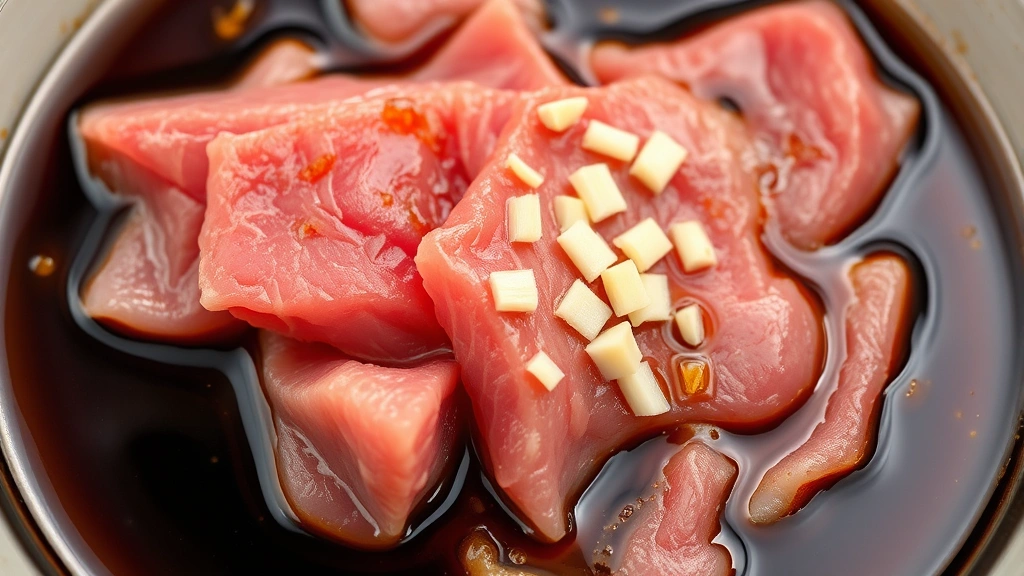
Beef Preparation: Slice your partially frozen beef as thinly as possible, cutting perpendicular to the grain. The thinner your slices, the more quickly they’ll cook and the more tender they’ll remain. Place sliced beef in a bowl and add 1 tablespoon of soy sauce, 1 teaspoon of sesame oil, 1 teaspoon of cornstarch, and a pinch of white pepper. Toss gently to coat every piece evenly. This light marination, applied just 15-20 minutes before cooking, tenderizes the beef and helps it absorb flavors without requiring extended marination time.
Noodle Preparation: Remove rice noodles from the package and gently separate them using your fingers. Place them in a large bowl or on a cutting board. If they’re stuck together in clumps, you can very gently separate them without breaking them. Some cooks prefer to cut fresh noodles in half to make them easier to eat and stir. Do not rinse the noodles—the slight starch coating helps them hold together during cooking.
Vegetable Preparation: Rinse bean sprouts and pat them completely dry. Excess moisture will create steam in your wok and prevent proper stir-frying. Slice scallions into 2-inch pieces, keeping white and green parts separate. Mince garlic and ginger finely—about the size of small peas—so they distribute evenly throughout the dish.
Sauce Preparation: In a small bowl, combine 3 tablespoons soy sauce, 2 tablespoons oyster sauce, 1 tablespoon sesame oil, and 1 teaspoon cornstarch mixed with 2 tablespoons water. Stir thoroughly to ensure the cornstarch dissolves completely. This sauce should be well-combined and ready to add instantly during cooking.
Having your workspace organized matters tremendously. Arrange all ingredients within arm’s reach of your cooking station. Keep a damp kitchen towel nearby for wiping your wok or hands. Position your sauce bowl where you can access it without reaching across your cooking surface.
Step-by-Step Cooking Instructions
Now we reach the actual cooking process. If you’re using a standard home stove, know that your heat will be lower than professional wok stations, so cooking times may extend slightly. This is normal and acceptable.
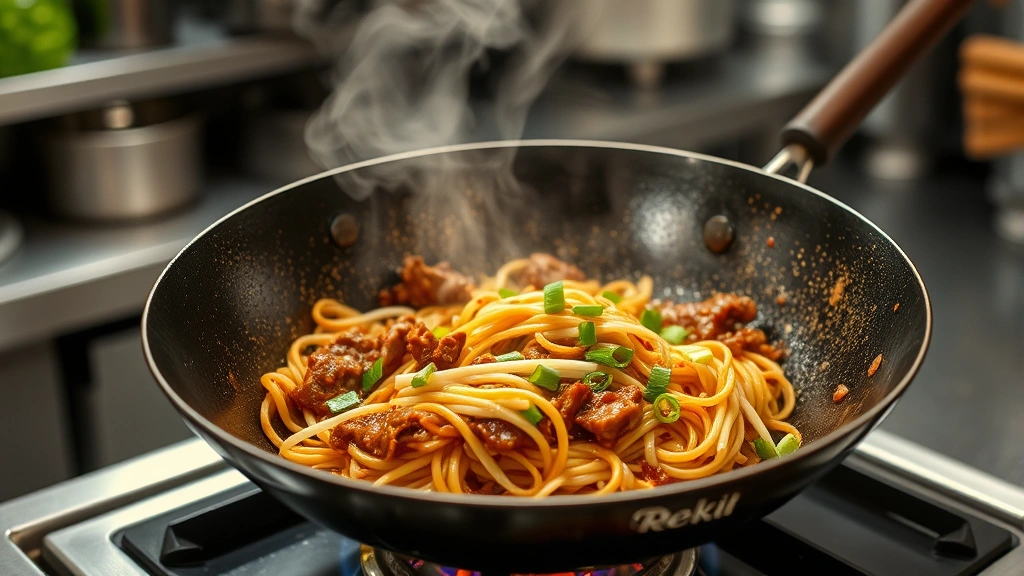
Step One: Heat Your Wok: Place your wok (or large skillet if you lack a wok) over high heat for 2-3 minutes until it’s smoking lightly. A properly heated wok is essential—cold woks result in steamed, soggy noodles rather than stir-fried ones. Test the temperature by adding a tiny piece of garlic; it should sizzle immediately and brown within seconds.
Step Two: Cook the Beef: Add 1 tablespoon of oil to your hot wok, swirling to coat the surface. Immediately add your marinated beef in a single layer. Resist the urge to stir immediately—let it sit for 15-20 seconds to develop color and crust. Then stir constantly for another 30-45 seconds until the beef is mostly cooked but still slightly pink in the center. Transfer the beef to a clean plate. It will continue cooking slightly from residual heat and will finish cooking when combined with the hot noodles.
Step Three: Aromatics: Add another tablespoon of oil to your wok. Immediately add minced garlic and ginger, stirring constantly for about 10 seconds until fragrant. Be careful not to let them burn—burnt garlic tastes bitter and ruins the entire dish. The aroma should be sweet and pungent, not acrid.
Step Four: Add Noodles: Add your separated rice noodles to the wok, breaking up any clumps gently as they heat. Stir constantly for about 1 minute. The noodles will soften slightly and begin to absorb the oil and aromatics. You may notice them sticking slightly—this is normal. Toss them continuously to prevent sticking and ensure even heating.
Step Five: Combine with Beef: Return the cooked beef to the wok along with the white parts of scallions and bean sprouts. Toss everything together for about 20 seconds.
Step Six: Add Sauce: Pour your prepared sauce over the noodles and beef. Using two utensils (chopsticks or a spatula and wooden spoon work well), toss the entire mixture for about 1-2 minutes. The sauce should coat everything evenly. You’ll notice the noodles glistening and the mixture becoming cohesive rather than separate components.
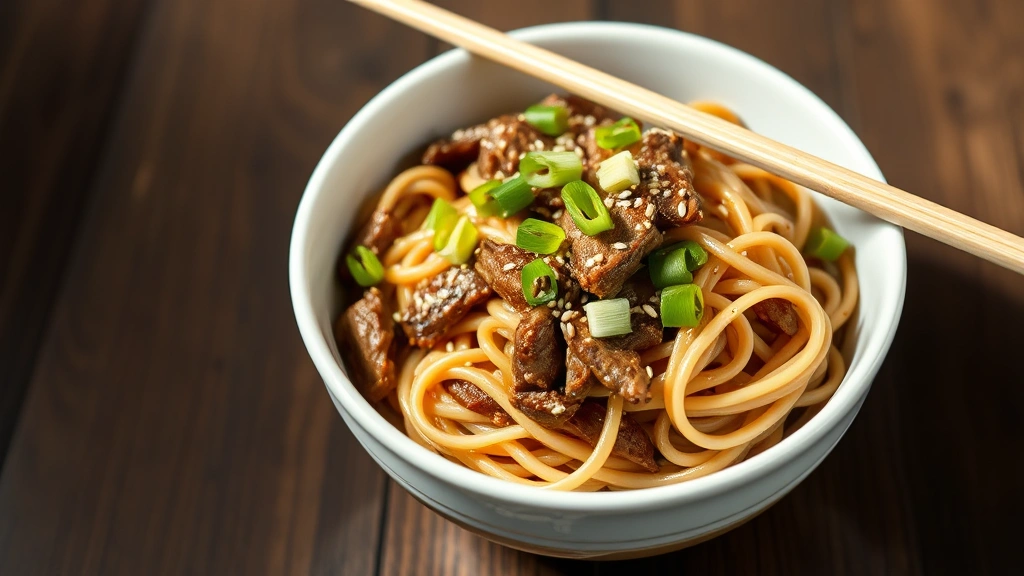
Step Seven: Final Elements: Add the green parts of scallions and a final drizzle of sesame oil. Toss once more for about 10 seconds. The entire cooking process from beef to finish should take approximately 4-5 minutes. Plate immediately and serve while hot.
Mastering Wok Technique
Understanding proper wok technique separates adequate chow fun from exceptional chow fun. The “wok hei” or breath of the wok refers to the subtle smoky, charred flavor that develops when ingredients are cooked at extremely high heat in a properly seasoned wok. Home cooks can approximate this effect even without professional equipment.
Heat Management: Maintain high heat throughout cooking. If your heat is too low, noodles will steam rather than stir-fry, resulting in a gummy, unpleasant texture. The constant sizzle and slight smoke from your wok indicates proper temperature. If the sizzle stops, increase your heat immediately.
Tossing Technique: Rather than stirring with a single utensil, use two—a wooden spatula and wooden spoon or two sets of chopsticks. This allows you to toss ingredients rather than stir them, which prevents breaking delicate noodles and ensures even cooking. The motion should be fluid and continuous, lifting ingredients from the bottom and sides of the wok and turning them over.
Wok Seasoning: A well-seasoned wok develops a natural non-stick patina over time. If using a new wok, season it before your first use by heating it with oil and salt, then wiping clean. After each use, clean your wok with hot water and a soft cloth—avoid soap if possible, as it removes the seasoning. This seasoning is what creates that characteristic wok flavor in your beef chow fun recipe.
Preventing Sticking: If noodles stick excessively during cooking, your wok may not be hot enough, or you may need more oil. Add a touch more oil and increase heat slightly. Continuous tossing also prevents sticking better than stirring.
Common Mistakes to Avoid
Learning from others’ mistakes accelerates your mastery of beef chow fun. Here are the most frequent errors home cooks make:
Using Dried Rice Noodles: This is perhaps the most common mistake. Dried noodles result in a completely different texture—they become mushy and lose the silky quality that defines proper chow fun. Always source fresh rice noodles from Asian markets.
Over-Saucing: Adding too much sauce results in heavy, soggy noodles that taste overly salty. Start with the sauce amount specified in this beef chow fun recipe and adjust based on your taste preferences. You can always add more, but you cannot remove excess sauce.
Overcooking the Beef: Thin-sliced beef cooks very quickly. Remove it from the wok while still slightly pink in the center; carryover cooking will finish it perfectly. Overcooked beef becomes tough and chewy, ruining the dish.
Insufficient Heat: Many home cooks underestimate the importance of high heat. Without it, you’re essentially steaming rather than stir-frying. Your wok should be smoking slightly, and ingredients should sizzle loudly when added.
Wet Vegetables: Bean sprouts or other vegetables with excess moisture create steam that prevents proper cooking. Pat everything dry before adding to your wok.
Crowding the Wok: While this recipe serves 2-3 people, cooking larger quantities means crowding your wok. This reduces heat efficiency and prevents proper stir-frying. Cook in batches if feeding more people, or invest in a larger wok.
Wrong Noodle Cuts: Some cooks use thick, curly chow mein noodles instead of flat rice noodles. These create an entirely different dish. Stick with the flat, pale rice noodles specified for authentic chow fun.
Serving and Pairing Suggestions
Beef chow fun is traditionally served as a standalone main course, but there are several ways to enhance your meal experience. Serve immediately after cooking while noodles are hot and retain their ideal texture. Plating in warm bowls helps maintain temperature longer.
For accompaniments, consider white pepper served on the side—many diners enjoy sprinkling it over their portion for extra heat and depth. Chili oil, available at most Asian markets, adds spice for those preferring heat. Some enjoy a squeeze of fresh lime juice for brightness, though this is less traditional.
Beverage pairings work best with light, refreshing options. Jasmine tea complements the savory, slightly oily nature of chow fun beautifully. Cold beer, particularly lighter lagers or pilsners, also pairs well. Avoid heavy wines, which can overwhelm the delicate flavors.
If serving this beef chow fun recipe as part of a larger meal, consider lighter appetizers rather than heavy starters. A simple vegetable soup or light salad works well. Avoid pairing with other noodle or rice dishes, as chow fun typically serves as the carbohydrate-based main course.
Leftovers can be refrigerated for up to 2 days, though chow fun is always best enjoyed immediately. Reheating in a wok over medium-high heat with a touch of oil restores some of the original texture, though the result won’t match freshly made chow fun.
If you’re interested in exploring more Asian noodle dishes, you might enjoy learning about sweet bread recipes that complement Asian meals, or discovering how egg wash recipes apply to Asian pastries. For those seeking additional Asian culinary inspiration, exploring vegan dessert recipes offers plant-based options that pair well with meat-forward mains.
FAQ
Can I make beef chow fun with dried rice noodles?
While technically possible, dried rice noodles produce a significantly different texture—they become mushy and soft rather than silky and delicate. For authentic results, always use fresh rice noodles found in the refrigerated section of Asian markets. Frozen rice noodles are acceptable if fresh ones are unavailable.
What if I don’t have a wok?
A large skillet with high sides works as a substitute, though results won’t be quite as good. The wok’s sloped sides and concentrated heat create superior stir-frying conditions. If investing in a wok, carbon steel models are affordable, durable, and develop excellent seasoning over time. Avoid non-stick woks for this dish—they don’t achieve the high heat necessary for proper chow fun.
How can I make this dish vegetarian?
Substitute beef with firm tofu, mushrooms, or additional vegetables like bell peppers and broccoli. Marinate tofu in the same mixture used for beef. Reduce cooking time for tofu to 20-30 seconds to prevent breaking. The sauce remains unchanged, creating a delicious vegetarian version of this classic dish.
Why is my chow fun soggy?
Sogginess typically results from insufficient heat, wet vegetables, or excessive sauce. Ensure your wok is properly preheated and smoking slightly. Pat vegetables completely dry before cooking. Start with less sauce than you think you need, adding more only if the final dish seems dry.
Can I prepare components in advance?
Yes, all components can be prepped several hours ahead. Keep sliced beef in the refrigerator in its marinade. Separate noodles and store in a covered container. Prepare vegetables and keep them in sealed containers. Prepare your sauce and refrigerate it. This advance preparation allows you to cook the final dish in just 4-5 minutes when ready to serve.
What’s the difference between chow fun and chow mein?
Chow fun uses flat rice noodles and features a lighter, more delicate preparation. Chow mein typically uses wheat-based egg noodles and often includes more sauce and vegetables. The cooking techniques differ as well, with chow fun emphasizing high heat and quick cooking while chow mein allows for slightly longer cooking times.
How do I achieve wok hei at home?
Wok hei requires extremely high heat, a well-seasoned wok, and quick, confident cooking. Use your highest stove setting, preheat thoroughly, and work quickly. A seasoned carbon steel wok develops this characteristic flavor better than newer or non-stick models. While home results won’t match professional wok stations, proper technique creates a pleasant smoky depth.
Can I double this beef chow fun recipe?
Doubling the ingredient quantities is possible but requires cooking in two batches. Cooking everything at once in a standard home wok will result in crowding, reduced heat efficiency, and poor texture. It’s better to cook two complete batches sequentially than to attempt one large batch.


