Delicious Vegan Desserts? Try Chef’s Picks!
Vegan desserts have revolutionized the way we think about sweet treats. Gone are the days when plant-based diets meant sacrificing indulgence and flavor. Today’s vegan dessert recipes prove that eliminating eggs, dairy, and animal products doesn’t mean compromising on taste, texture, or satisfaction. Whether you’re a committed vegan, someone exploring plant-based eating, or simply looking to expand your dessert repertoire, these chef-curated selections will transform your kitchen into a haven of delicious possibilities.
The beauty of vegan baking lies in its accessibility and creativity. Modern plant-based ingredients—from aquafaba to coconut milk, from flax eggs to vegan butter—offer versatile solutions that rival traditional baking components. These substitutions aren’t merely “acceptable alternatives”; they’re legitimate ingredients that create superior textures and flavors when used correctly. Professional pastry chefs worldwide now incorporate vegan techniques into their regular menus, recognizing that plant-based desserts appeal to a broader audience and often showcase superior flavor development.
This comprehensive guide explores the most celebrated vegan dessert recipes, techniques, and ingredient combinations that have earned recognition from culinary professionals. You’ll discover how to create show-stopping creations that will impress both vegans and non-vegans alike, mastering the science and art behind plant-based sweets.
Essential Vegan Baking Ingredients and Substitutions
Mastering vegan dessert recipes begins with understanding your ingredient alternatives. The foundation of successful plant-based baking rests on knowing which substitutions work best for specific applications. Unlike simply swapping ingredients, vegan baking requires understanding the functional properties each component provides.
Egg Replacements are crucial in vegan baking. Flax eggs—created by mixing ground flaxseed with water—provide binding and moisture, working beautifully in brownies, cookies, and dense cakes. Aquafaba, the liquid from canned chickpeas, creates remarkable meringues and whipped toppings due to its protein structure. For lighter cakes, applesauce or mashed banana adds moisture while contributing subtle sweetness. Each replacement serves different purposes: use flax for structure, aquafaba for aeration, and fruit purees for moisture and flavor complexity.
Dairy Alternatives have expanded dramatically. Coconut milk provides richness comparable to heavy cream, making it ideal for mousses and ganaches. Oat milk offers a neutral flavor perfect for delicate desserts, while cashew cream delivers luxurious texture for cheesecakes and custards. Vegan butter, when properly formulated, creates flaky pastries and tender cookies indistinguishable from traditional versions. Understanding fat content and water ratios in each alternative prevents common failures like dense cakes or greasy cookies.
Binding and Leavening Agents require careful attention. Cornstarch, arrowroot powder, and tapioca starch provide structure without gluten. Baking soda and baking powder remain your primary leavening agents, but timing matters significantly—activate baking soda with acidic ingredients like vinegar or lemon juice immediately before baking. Psyllium husk adds fiber and binding properties for gluten-free applications.
When exploring quick breakfast recipes, many techniques apply directly to dessert creation, particularly regarding timing and ingredient preparation. The principles of mise en place—organizing ingredients before beginning—prove equally essential whether you’re preparing morning pastries or elaborate evening desserts.
Temperature control significantly impacts vegan dessert success. Cold vegan butter creates better lamination for croissants and pie crusts. Room-temperature aquafaba whips more effectively than cold. Precise temperature management separates amateur attempts from professional results.
Classic Vegan Chocolate Desserts
Chocolate represents the ultimate vegan ingredient—naturally plant-based and universally beloved. Creating exceptional chocolate desserts requires understanding cocoa percentages, proper tempering, and complementary flavor combinations that enhance rather than overpower chocolate’s complex notes.
Vegan Chocolate Cake stands as the foundation of plant-based baking. The secret lies in using boiling water or coffee to bloom cocoa powder, intensifying its flavor while adding moisture. Combine high-quality cocoa powder with vegan butter, coconut sugar, and flax eggs for a cake that rivals traditional versions. The moisture content should be slightly higher than conventional recipes—vegan cakes tend toward dryness, so adjusting liquid ratios prevents this common pitfall. A simple vegan chocolate ganache made from melted dark chocolate and coconut cream provides the perfect finishing touch.
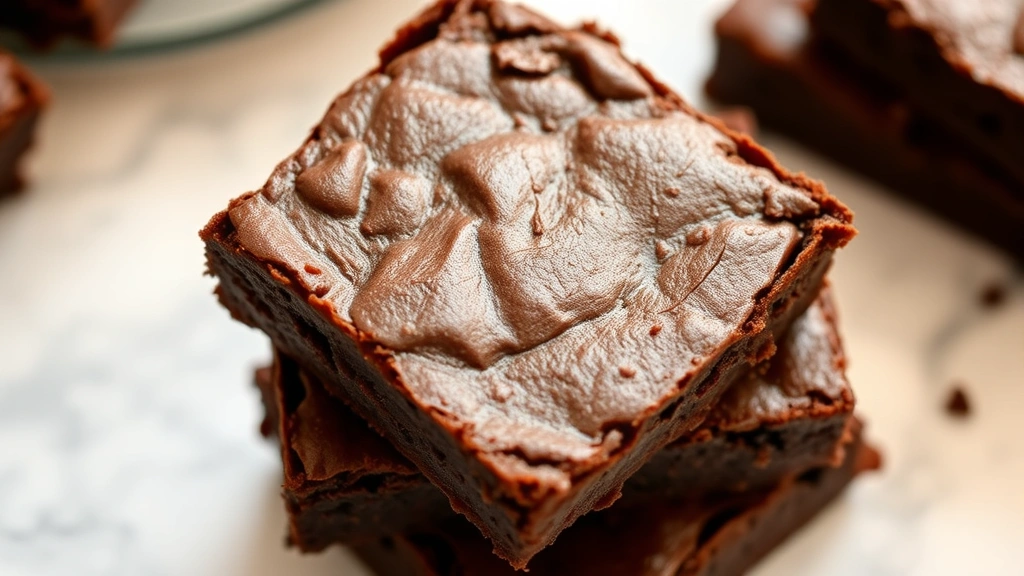
Brownies and Fudgy Treats benefit tremendously from vegan ingredients. Aquafaba creates impossible fudginess while maintaining structure. The key involves using high-quality chocolate, not relying solely on cocoa powder. Combine melted dark chocolate with vegan butter, coconut sugar, and aquafaba for brownies that are simultaneously dense and tender. Avoid overmixing—this develops gluten in flour and creates tough results. Fold in nuts or chocolate chips gently at the end for texture variation.
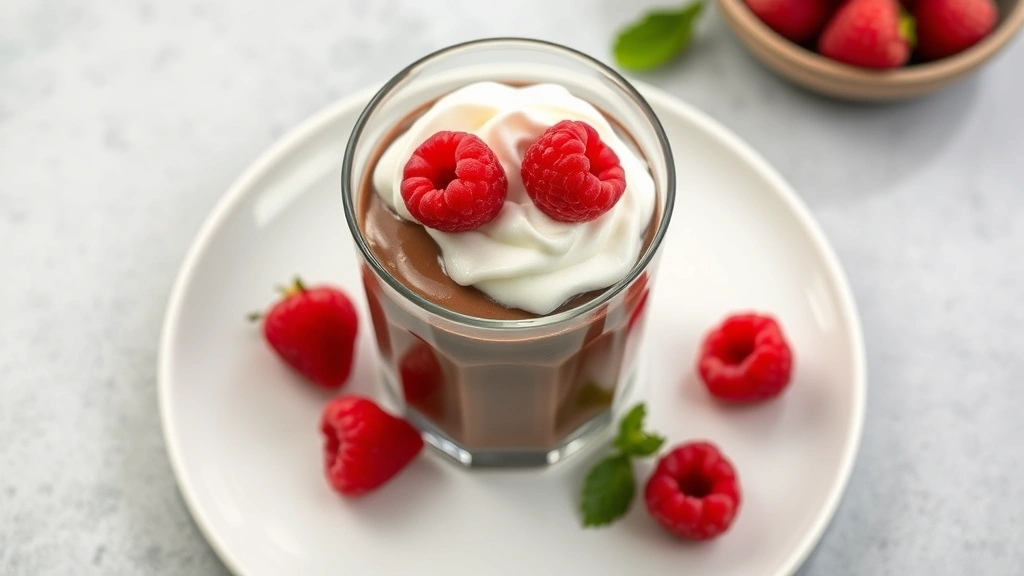
Chocolate Mousse showcases aquafaba’s remarkable properties. Whip chilled aquafaba with powdered sugar until stiff peaks form—this process mirrors traditional egg white meringue. Fold in melted dark chocolate mixed with coconut cream for an impossibly light, airy mousse that deceives even skeptical diners. The transformation from chickpea liquid to elegant dessert demonstrates the science and artistry behind vegan baking.
Professional pastry chefs recommend consulting Serious Eats for detailed food science explanations behind chocolate behavior and tempering techniques that apply equally to vegan and traditional chocolate work.
Fruit-Based Vegan Treats
Fruit provides natural sweetness, moisture, and nutritional value to vegan desserts while offering opportunities for creative flavor combinations. Fresh and dried fruits create distinctive desserts that feel both indulgent and wholesome.
Berry Desserts shine throughout seasons. Vegan berry tarts feature crispy vegan shortbread crusts filled with coconut cream custard and topped with fresh berries. The tartness of berries balances richness, creating sophisticated flavor profiles. Blueberry muffins become tender and moist using applesauce as the egg replacement and incorporating vegan yogurt for tangy depth. Strawberry shortcake, traditionally challenging for vegans, transforms beautifully using coconut whipped cream and tender vegan sponge cake.
Stone Fruit Applications extend dessert seasons. Peach and nectarine cobbler topped with vegan biscuits offers rustic charm. Plum clafoutis, that French classic, adapts perfectly to vegan baking using aquafaba as the egg replacement—the results are nearly identical to traditional versions. The natural pectin in stone fruits reduces reliance on added thickeners, creating cleaner flavor profiles.
Tropical Fruit Combinations introduce exciting dimensions. Mango and coconut panna cotta, made with coconut cream and agar-agar, creates an elegant dessert perfect for dinner parties. Passion fruit curd made with coconut oil instead of butter provides vibrant flavor for filling tarts or topping cakes. Pineapple upside-down cake, that vintage favorite, becomes surprisingly simple in vegan form—caramelized pineapple rings and vegan butter create the requisite sweetness without dairy.
Dried Fruit Integration adds complexity. Date-based desserts utilize dates’ natural sweetness and binding properties. Blend soaked dates into smooth paste for brownie fillings or cake batters. Raisins and dried cranberries contribute moisture and chewiness to cookies and granola-style bars. Dried figs offer sophisticated flavor notes in sophisticated dessert applications.
Creamy Vegan Desserts Without Dairy
Achieving creamy textures without dairy challenges many home bakers, yet numerous techniques produce results indistinguishable from traditional versions. Understanding fat chemistry and emulsification principles proves essential.
Vegan Cheesecake represents the ultimate vegan dessert challenge and triumph. Raw cashew-based versions soak cashews, then blend with lemon juice, vanilla, vegan butter, and coconut sugar until perfectly smooth. The key involves proper blending—an underpowered food processor creates gritty texture. Press a simple vegan crust (crushed nuts and vegan butter) into a springform pan, pour the filling, and refrigerate until set. The result rivals traditional cheesecake while offering lighter, brighter flavors.
Vegan Custards and Puddings rely on starches and plant milks. Cornstarch-thickened custards made with oat milk and vanilla extract provide silky texture. Avoid boiling after adding cornstarch—this breaks down the starch’s thickening power. For chocolate pudding, combine cocoa powder with almond milk, cornstarch, and maple syrup, cooking gently until thickened. The result is rich, satisfying, and surprisingly simple.
Cream Cheese Alternatives enable countless applications. Store-bought vegan cream cheese works beautifully for frosting and cheesecake applications. For homemade versions, blend silken tofu with nutritional yeast, lemon juice, and salt—the result provides tangy richness for frosting cupcakes or decorating cakes. This budget-friendly option works particularly well when frosting will be flavored with vanilla, cocoa, or fruit purees.
Whipped Toppings elevate simple desserts into elegant presentations. Whip chilled aquafaba with powdered sugar and vanilla until stiff peaks form. This ethereal topping rivals traditional whipped cream, offering lighter texture while maintaining impressive stability. Coconut whipped cream—the thick portion from chilled coconut milk—provides richer alternatives for decadent applications.
When exploring healthy crockpot recipes, many slow-cooking techniques create dessert bases, particularly for caramelized sauces and slow-cooked fruit compotes that enhance vegan desserts.
No-Bake Vegan Dessert Ideas
No-bake desserts offer convenience while showcasing pure ingredient flavors. These recipes prove particularly valuable during warm seasons when avoiding oven heat becomes essential.
No-Bake Chocolate Tarts feature crispy almond and date crusts topped with silky chocolate ganache. Press the crust firmly into tart pans, refrigerate until firm, then pour melted dark chocolate mixed with coconut cream over the top. The ganache sets as it cools, creating elegant individual desserts requiring minimal effort. These impress guests while remaining completely vegan and gluten-free.
Parfaits and Layered Desserts showcase ingredient quality. Layer vegan yogurt, granola, fresh berries, and coconut whipped cream in glasses for visually striking desserts. Chocolate mousse parfaits alternate chocolate layers with fruit coulis and crushed cookies. These desserts become increasingly elegant through thoughtful layering and color contrast.
Energy Balls and Truffles provide portable vegan treats. Blend dates, nuts, cocoa powder, and a touch of maple syrup, then roll into balls and coat with cocoa powder or melted chocolate. These require no baking equipment and store beautifully. Customize with different nut butters, dried fruits, or spice combinations for variety.
Frozen Desserts expand seasonal options. Nice cream—frozen banana blended until creamy—provides an ice cream base adaptable to countless flavors. Add cocoa powder, fruit purees, or nut butters before freezing for variety. Sorbet made from pureed fruit and simple syrup offers refreshing alternatives requiring no dairy concerns.
Vegan Desserts for Special Occasions
Celebrating milestones deserves exceptional desserts. Vegan baking handles special occasion demands beautifully, creating showstopping creations that accommodate all guests.
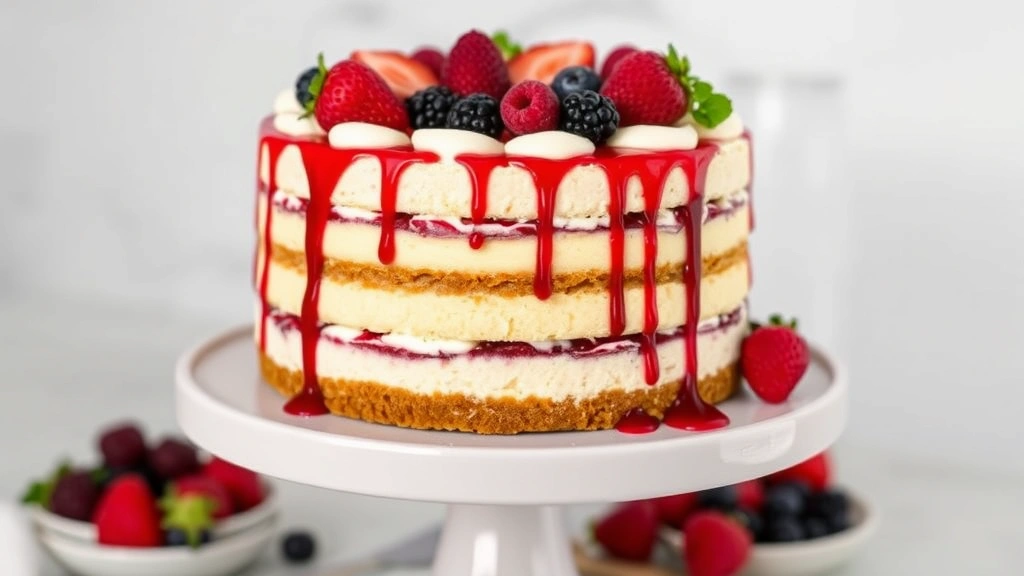
Wedding and Anniversary Cakes benefit from vegan techniques. Multi-layered cakes with complex fillings and decorative elements showcase baking skills impressively. Create elegant naked cakes with visible layers of sponge and filling, or traditional frosted designs using vegan buttercream. The structure and flavor possibilities rival traditional wedding cakes.
Birthday Cakes become opportunities for creativity. Vegan yellow cake provides a tender, versatile base for any frosting or filling combination. The cake’s neutral flavor allows fillings—from fruit curds to chocolate ganache—to shine. Aquafaba-based buttercream frosting holds decorative piping beautifully while remaining completely plant-based.
Holiday Desserts adapt traditional favorites. Vegan pumpkin pie with coconut cream custard filling offers autumn celebration appeal. Vegan gingerbread cookies maintain their spiced complexity and snappy texture. Vegan chocolate truffles provide elegant gift options. Christmas puddings made with dried fruits and plant-based ingredients honor tradition while respecting dietary preferences.
Consider exploring recipes with hamburger for savory dinner course inspiration before transitioning to vegan desserts, creating completely plant-based multi-course meals when combined with vegetable-forward mains.
Celebration Techniques matter significantly. Practice piping techniques with vegan buttercream before events. Test new recipes beforehand rather than experimenting on celebration day. Proper planning ensures confidence and beautiful presentations that honor the occasion.
Professional resources like King Arthur Baking provide tested vegan recipes and techniques developed by experienced bakers. Their detailed explanations help home bakers understand why techniques work, enabling confident adaptation and creativity.
The transformation toward plant-based baking represents more than dietary accommodation—it demonstrates culinary evolution and ingredient innovation. Modern vegan desserts stand proudly alongside traditional versions, offering unique advantages including often superior flavor development, interesting textural possibilities, and satisfaction knowing your desserts align with ethical values. Whether you’re committed to vegan eating or simply exploring new culinary territory, these chef-approved recipes and techniques ensure delicious success.
Start with recipes matching your skill level and favorite flavors. As confidence grows, experiment with flavor combinations and techniques. The vegan dessert world welcomes creativity, rewarding those who approach plant-based baking with curiosity and respect for ingredient properties. Your guests—vegan and non-vegan alike—will appreciate the care, skill, and deliciousness you bring to the table.
FAQ
What’s the best egg replacement for vegan baking?
The best egg replacement depends on your application. Flax eggs work excellently for brownies and dense cakes. Aquafaba replaces eggs in meringues and whipped toppings. Applesauce and mashed banana provide moisture for cakes. For most recipes, one tablespoon ground flaxseed mixed with three tablespoons water replaces one egg, though you may need to adjust liquid ratios slightly.
Can I make vegan desserts without specialized ingredients?
Absolutely. Basic vegan desserts require only pantry staples: flour, sugar, oil, plant milk, baking powder, and baking soda. Sophisticated options benefit from specialty ingredients like aquafaba or vegan cream cheese, but simple cookies, cakes, and fruit desserts succeed with standard ingredients. Many traditional recipes adapt beautifully with simple substitutions.
How do I prevent dry vegan cakes?
Vegan cakes tend toward dryness because plant-based egg replacements contain less moisture than eggs. Increase liquid content slightly—add an extra tablespoon or two of plant milk. Use oil instead of vegan butter (oil distributes more evenly). Don’t overbake—check doneness a few minutes early. Store cakes covered to prevent moisture loss.
What’s aquafaba and where do I find it?
Aquafaba is the starchy liquid from canned chickpeas. Simply drain canned chickpeas and save the liquid. Three tablespoons of aquafaba replaces one egg white. It whips into meringue-like peaks when chilled and beaten. Any canned chickpea brand works—no special purchase necessary.
Are vegan desserts healthier than traditional desserts?
Vegan desserts aren’t inherently healthier—they’re plant-based. Sugar, fat, and calories remain present. However, plant-based desserts often feature whole grain flours, nuts, seeds, and fruits more prominently, potentially offering increased fiber and nutrients. The health profile depends entirely on specific recipes and ingredients used.
Can I freeze vegan desserts?
Most vegan desserts freeze beautifully. Unfrosted cakes and cookies freeze for months when properly wrapped. Frosted cakes should freeze uncovered first, then wrap once frozen to prevent frosting damage. Thaw at room temperature. Aquafaba-based whipped toppings may weep slightly after thawing—rewhip briefly before serving for best texture.


