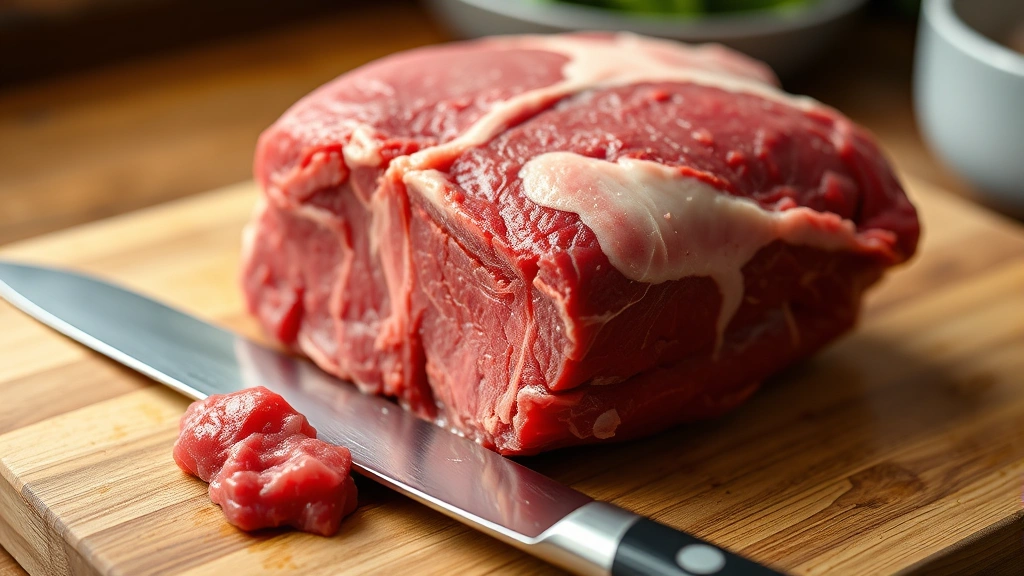
Beef Heart Stew: A Tried & True Comfort Dish That Deserves a Place at Your Table
Beef heart stew might sound unconventional, but this rustic, deeply satisfying dish has been a cornerstone of comfort cooking across cultures for centuries. Unlike other organ meats that require specialized preparation, beef heart is surprisingly straightforward to work with and delivers an incredibly rich, beefy flavor that rivals traditional chuck roasts. The key lies in understanding its unique texture and treating it with the low-and-slow cooking method that transforms it into fork-tender perfection.
This comprehensive guide walks you through everything you need to know about preparing beef heart stew, from selecting quality meat at your butcher to mastering the braising technique that makes this dish absolutely unforgettable. Whether you’re looking to reduce food waste, explore nose-to-tail cooking, or simply discover a new favorite weeknight meal, beef heart stew delivers on all fronts with minimal fuss and maximum flavor.
Understanding Beef Heart as an Ingredient
Beef heart is a lean, muscular organ that requires understanding before you begin cooking. Unlike the tender, marbled cuts of beef that rely on fat for richness, beef heart delivers flavor through its concentrated, mineral-forward beef taste and its unique protein structure. The muscle fibers are denser than those in conventional cuts, which means they benefit tremendously from moist-heat cooking methods like braising, stewing, and slow-cooking.
The nutritional profile of beef heart is exceptional. It’s exceptionally high in protein, rich in B vitamins (particularly B12 and folate), and contains significant amounts of iron and selenium. A single serving provides more than half your daily recommended intake of these essential nutrients, making this not just a delicious comfort dish but also a powerfully nutritious one. The meat is also naturally lean, containing minimal fat, which means the braising liquid becomes crucial for creating that luxurious, satisfying texture.
One of the most important things to understand about beef heart is that it must be cooked with moisture. The lack of intramuscular fat means dry-heat cooking methods like grilling or pan-searing alone will result in tough, chewy meat. However, when treated with respect through proper braising, the collagen in the connective tissue breaks down into gelatin, creating an incredibly silky mouthfeel and a stew with natural body and richness.
Selecting and Preparing Your Beef Heart
The first step to beef heart stew success begins at the butcher counter. Look for a heart that’s deep red in color, with a firm texture and minimal surface discoloration. A whole beef heart typically weighs between two and three pounds and comes encased in a thick layer of fat and connective tissue that must be removed before cooking. Don’t be intimidated by this process—it’s straightforward and takes only about ten minutes with a sharp knife.
Trimming the Heart: Place your beef heart on a clean cutting board. Using a sharp boning or paring knife, carefully slice away the exterior fat layer, working around the chambers and blood vessels. You’ll notice the heart has four chambers with various openings where blood vessels enter and exit. Trim away any remaining visible veins and connective tissue. Don’t worry about being perfectly precise—you’re simply removing the inedible portions. Once trimmed, rinse the heart under cold water and pat it completely dry with paper towels. Proper drying is essential for achieving a good sear later.
Cutting for the Stew: Cut your trimmed beef heart into bite-sized pieces, approximately one to one-and-a-half inches. Try to keep the pieces relatively uniform in size so they cook evenly. Some pieces will be more tender than others due to the different muscle groups within the heart—this is completely normal and adds textural interest to your finished stew.
If you’re unable to find beef heart at your local grocery store, ask your butcher about special ordering. Many butchers have access to nose-to-tail cuts and can source beef heart within a few days. Alternatively, Local Harvest can help you find farms and meat suppliers in your area that specialize in whole-animal butchery.
Essential Ingredients and Flavor Building
The beauty of beef heart stew lies in its flexibility, but certain ingredients form the flavor foundation that makes this dish truly shine. The braising liquid is where much of the magic happens, transforming tough muscle fibers into succulent, tender morsels.
The Core Ingredients:
- Beef heart: 2 to 2.5 pounds, trimmed and cubed
- Beef stock: 4 cups of high-quality beef stock creates the braising liquid
- Red wine: 1 cup adds acidity, tannins, and depth (optional but recommended)
- Aromatics: 1 large onion, 3 to 4 carrots, and 3 to 4 celery stalks provide classic flavor building
- Garlic: 4 to 5 cloves, minced, for pungent depth
- Tomato paste: 2 tablespoons adds umami and color
- Fresh thyme: 3 to 4 sprigs (or 1 teaspoon dried)
- Bay leaves: 2 leaves for subtle herbal notes
- Potatoes: 1.5 pounds, cut into chunks, for substance and comfort
- Olive oil: 3 tablespoons for searing and sautéing
- Salt and black pepper: To taste throughout cooking
Building Layers of Flavor: The foundation of exceptional stew is layered flavor development. This begins with a proper sear on the beef heart, which creates a flavorful crust through the Maillard reaction. The rendered fond on the bottom of your pot becomes liquid gold when deglazed with wine or stock. Caramelizing your aromatics adds sweetness and depth, while tomato paste contributes concentrated umami that rounds out the savory profile.
Fresh herbs make an enormous difference in the final result. If you have access to fresh thyme, rosemary, or marjoram, use them generously. The volatile oils in fresh herbs create aromatic compounds that dried herbs simply cannot match. However, dried herbs work perfectly well if fresh isn’t available—just use about one-third the quantity.
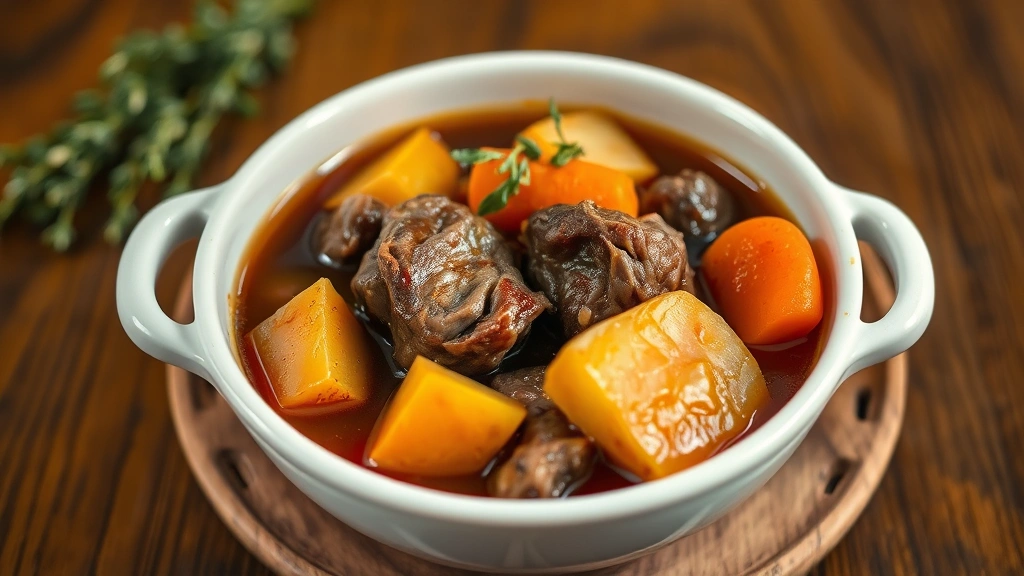
Step-by-Step Cooking Method
Step 1: Prepare Your Ingredients
Before you begin cooking, mise en place is your friend. Trim and cube your beef heart, pat it completely dry, and season generously with salt and pepper. Cut your onion into large chunks, cut carrots into two-inch pieces, and chop celery into similar-sized pieces. Peel and cube your potatoes, keeping them in cold water until you’re ready to add them (this prevents oxidation and keeps them from becoming mushy). Mince your garlic and measure out your herbs.
Step 2: Sear the Beef Heart
Heat 2 tablespoons of olive oil in a large Dutch oven or heavy-bottomed pot over medium-high heat. When the oil is shimmering but not smoking, working in batches to avoid overcrowding, add your beef heart pieces. Sear for 3 to 4 minutes per side until a deep golden-brown crust forms. Don’t move the pieces around constantly—let them sit undisturbed so the Maillard reaction can fully develop. Remove the seared meat to a clean plate and repeat with remaining pieces.
Step 3: Build the Aromatic Base
Reduce heat to medium and add the remaining 1 tablespoon of olive oil to the pot. Add your diced onions and cook for 4 to 5 minutes, stirring occasionally, until they begin to soften and turn translucent. Add the minced garlic and cook for another minute until fragrant. Stir in your tomato paste and cook for 2 minutes, allowing it to caramelize slightly against the hot pot. This step concentrates the tomato flavor and adds richness.
Step 4: Deglaze and Build the Braising Liquid
Pour in your red wine (if using) and use a wooden spoon to scrape up all the flavorful fond stuck to the bottom of the pot. Let the wine reduce by about half, which concentrates its flavors and cooks off some of the alcohol, leaving behind the complex taste. Add your beef stock, return the seared beef heart to the pot, and add your fresh thyme sprigs and bay leaves. Bring the liquid to a gentle simmer.
Step 5: Braise Low and Slow
Cover your pot and transfer it to a preheated 325°F oven. This gentle, moist heat is perfect for breaking down the dense muscle fibers in beef heart. Braise for 1.5 to 2 hours, stirring occasionally. The beef heart should be noticeably more tender but not yet falling apart. This is the perfect time to add your carrots and celery. Stir them in, cover again, and return to the oven for another 30 to 40 minutes.
Step 6: Add Potatoes and Final Cooking
After the vegetables have softened slightly, add your cubed potatoes. Return the covered pot to the oven for 20 to 30 minutes more, until the potatoes are completely tender and the beef heart is so tender it almost falls apart when touched with a spoon. The total cooking time from when you first add liquid should be approximately 2.5 to 3 hours.
Step 7: Taste and Adjust Seasoning
Remove the pot from the oven and taste your stew. The braising liquid should be rich and flavorful. If it seems thin, you can remove the lid and simmer on the stovetop over medium heat for 10 to 15 minutes to reduce and concentrate the flavors. Season with additional salt and pepper to your preference. Remove the bay leaves and thyme sprigs before serving.
Variations and Serving Suggestions
Classic French-Style Beef Bourguignon: Add pearl onions and mushrooms during the final stages of cooking. Use beef stock and red Burgundy wine exclusively, without tomato paste, for an authentic French interpretation. This version pairs beautifully with creamy mashed potatoes or egg noodles.
Portuguese Estufado de Coração: Replace half the beef stock with tomato sauce, add 2 tablespoons of red wine vinegar, and include a pinch of paprika. This version celebrates the Portuguese tradition of nose-to-tail cooking and offers brighter, more acidic notes than the classic version.
Rich and Hearty Variation: Stir in a dollop of crème fraîche at the end of cooking for added richness and a subtle tang. This creates a creamy sauce that clings beautifully to the tender beef heart and vegetables.
Serving Suggestions: Beef heart stew is incredibly versatile. Serve it in shallow bowls with crusty bread for soaking up the rich braising liquid. Pair it with buttered egg noodles, creamy polenta, or fluffy mashed potatoes. A simple green salad on the side cuts through the richness perfectly. For wine pairing, choose the same wine you used in the stew—a medium-bodied red like Pinot Noir, Côtes du Rhône, or a good quality Merlot complements the deep, beefy flavors beautifully.
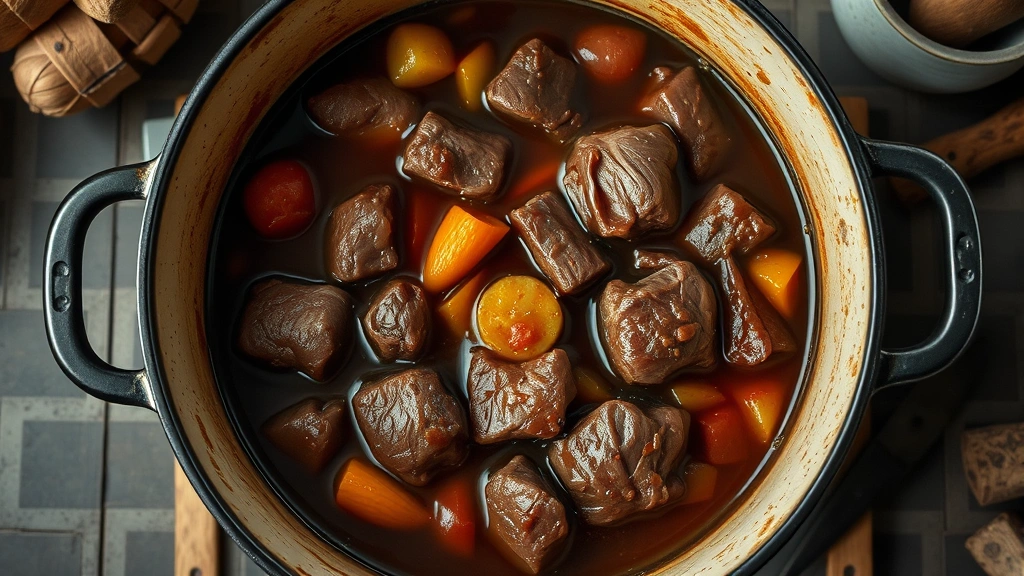
Storage and Make-Ahead Tips
Refrigerator Storage: Beef heart stew actually improves after a day or two as flavors continue to meld and develop. Store your cooled stew in an airtight container in the refrigerator for up to 4 days. The fat will solidify on top as it cools, which actually helps preserve the stew and keeps air from contacting the surface. Simply reheat gently over medium-low heat on the stovetop, adding a splash of stock or water if the consistency has become too thick.
Freezer Storage: This stew freezes exceptionally well. Cool it completely, then transfer to freezer-safe containers or heavy-duty freezer bags, leaving about an inch of headspace for expansion. Properly stored, beef heart stew will keep in the freezer for up to 3 months. Thaw overnight in the refrigerator and reheat gently on the stovetop. The texture remains perfectly tender and the flavors remain fully developed.
Make-Ahead Strategy: Prepare beef heart stew through Step 5 (after braising for 1.5 to 2 hours). Cool the pot to room temperature, cover, and refrigerate overnight. The next day, bring it back to room temperature, then continue with Step 6, adding your potatoes and finishing the cooking. This approach actually enhances flavor development and makes weeknight dinner preparation incredibly manageable.
Reheating Tips: Never boil your stew vigorously when reheating, as high heat can toughen the beef heart and break down vegetables. Instead, reheat gently over medium or medium-low heat, stirring occasionally. If your stew seems too thick after refrigeration, thin it with beef stock, red wine, or even water. If it seems too thin, simmer uncovered for 10 to 15 minutes to concentrate the braising liquid.
FAQ
Can I make beef heart stew in a slow cooker?
Absolutely. After searing the beef heart and building your aromatic base on the stovetop, transfer everything to a slow cooker set to low. Add all remaining ingredients and cook for 6 to 8 hours on low, or 3 to 4 hours on high. Add potatoes during the last hour of cooking to prevent them from becoming mushy. The slow cooker method produces equally tender, flavorful results with less hands-on attention.
What if I can’t find beef heart at my butcher?
While beef heart offers unique flavor and texture, you can substitute chuck roast or brisket if necessary. These cuts contain more fat and will produce a richer, slightly different stew, but the cooking method remains the same. You might reduce the cooking time slightly, as these cuts become tender more quickly than beef heart. Consider contacting your local butcher or exploring Nose to Tail Eating for sourcing options.
Is beef heart stew considered offal or organ meat cuisine?
Yes, beef heart is classified as offal (organ meat), though it’s more muscular in nature than true organs like liver or kidney. This classification makes it part of the nose-to-tail eating movement, which emphasizes using all parts of an animal to reduce waste and honor the animal. Beef heart requires different preparation than typical muscle cuts but is far less intimidating than other organ meats and offers exceptional nutritional density and flavor.
How do I know when the beef heart is done cooking?
The beef heart is done when it’s extremely tender and easily pierced with a fork. A sharp knife should slide through without resistance. The texture should be similar to well-cooked chuck roast—tender and yielding but not mushy or falling apart. If you’re uncertain, start checking around the 2-hour mark and adjust cooking time as needed based on your specific pot and oven.
Can I use beef heart stew as a filling for other dishes?
Certainly. Shredded beef heart stew (cooled and shredded) makes an excellent filling for pot pies, hand pies, or savory pastries. You can also use it as a topping for creamy polenta or baked sweet potatoes. The concentrated flavors work beautifully in these applications.
What cooking techniques are essential for tender beef heart?
The essential technique is braising—cooking the meat in a covered pot with moist heat at a low temperature for an extended period. This allows collagen to convert to gelatin, breaking down the dense muscle fibers. Searing beforehand creates flavor through the Maillard reaction, and using oven heat (rather than stovetop) ensures even, gentle cooking throughout the entire pot.
Are there nutritional advantages to beef heart over regular beef?
Yes, significantly. Beef heart contains more B vitamins (especially B12), iron, and selenium than conventional muscle cuts. It’s also leaner, making it an excellent choice for those monitoring fat intake while still desiring rich, satisfying beef flavor. For detailed nutritional information, consult USDA FoodData Central.
Should I marinate beef heart before cooking?
Marinating isn’t necessary for beef heart stew since the braising liquid itself tenderizes and flavors the meat over hours of cooking. However, if you’d like to marinate, keep it brief (2 to 4 hours maximum) in an acidic mixture with herbs and aromatics. Longer marination can make the texture mushy rather than tender.


