Beef Lo Mein Recipe: Tested & Delicious!
Beef lo mein is one of those restaurant-quality dishes that seems intimidating to make at home, but honestly, it’s easier than you think. This classic Chinese noodle dish combines tender beef, chewy noodles, and crisp vegetables all tossed together in a savory sauce that’ll make you forget about takeout. The secret isn’t some mysterious ingredient—it’s proper technique, quality components, and understanding how to build layers of flavor.
I’ve tested this beef lo mein recipe dozens of times, tweaking everything from the sauce ratio to the cooking method, and I’m confident this version will become your go-to weeknight dinner. Unlike many recipes floating around online, this one actually delivers restaurant-quality results without requiring specialty equipment or hard-to-find ingredients. You’ll have dinner on the table in about 30 minutes, and your family will be amazed at how good it tastes.
The beauty of lo mein lies in its versatility and speed. Whether you’re cooking for a busy weeknight or impressing guests, this beef lo mein hits every note: tender meat, perfectly cooked noodles, vibrant vegetables, and a glossy sauce that coats everything beautifully. Let’s dive into what makes this recipe special and how to nail it every single time.
Ingredients You’ll Need
Before you start cooking, gather everything. This isn’t just about convenience—having ingredients prepped and ready (what chefs call mise en place) is crucial for successful lo mein. The cooking happens fast, and you won’t have time to chop vegetables once the wok or pan heats up.
For the beef and noodles:
- 1 pound beef flank steak, thinly sliced against the grain
- 8 ounces lo mein noodles (fresh or dried)
- 2 tablespoons vegetable oil for cooking beef
- 2 tablespoons sesame oil (divided)
For the vegetables:
- 2 cups broccoli florets, cut into bite-sized pieces
- 1 red bell pepper, julienned
- 1 yellow bell pepper, julienned
- 2 medium carrots, julienned
- 1 cup snap peas
- 3 green onions, cut into 1-inch pieces
- 4 cloves garlic, minced
- 1 tablespoon fresh ginger, minced
For the sauce (this is where the magic happens):
- ¼ cup soy sauce
- 3 tablespoons oyster sauce
- 2 tablespoons rice vinegar
- 1 tablespoon brown sugar
- 1 teaspoon cornstarch mixed with 2 tablespoons water (slurry)
- ¼ teaspoon white pepper
- ½ teaspoon red pepper flakes (optional, for heat)
The Sauce: Heart of the Dish
Here’s what separates good lo mein from great lo mein: the sauce. Many home cooks make the mistake of using too much sauce, which makes the dish soggy and overseasoned. Others use too little, resulting in dry, bland noodles. The key is balance and understanding how sauce coats noodles.
When you make homemade sauces for Asian dishes, you’re building a flavor profile that combines salty (soy and oyster sauce), tangy (rice vinegar), and a touch of sweetness (brown sugar). The cornstarch slurry is essential—it thickens the sauce just enough to cling to the noodles without making them wet.
Why each ingredient matters:
- Soy sauce provides the umami base and saltiness that defines lo mein
- Oyster sauce adds depth and a subtle sweetness that enhances beef flavor
- Rice vinegar brightens the sauce and prevents it from tasting flat
- Brown sugar rounds out the flavor without making it dessert-like
- Cornstarch slurry creates that glossy coating professional lo mein has
- White pepper adds subtle heat without visible specks (unlike black pepper)
Mix all sauce ingredients in a small bowl before you start cooking. This way, when the moment comes to add it, you’re just pouring. A well-made sauce should taste slightly too salty and too tangy when you taste it plain—that’s correct. Once it coats the noodles and vegetables, the flavors balance perfectly.
Prep Work Matters
This is non-negotiable: prepare everything before you turn on the heat. Lo mein cooks in about 10-12 minutes total, and you need both hands free to toss and stir. If you’re chopping vegetables while the beef cooks, you’ll overcook the meat and miss the timing on everything else.
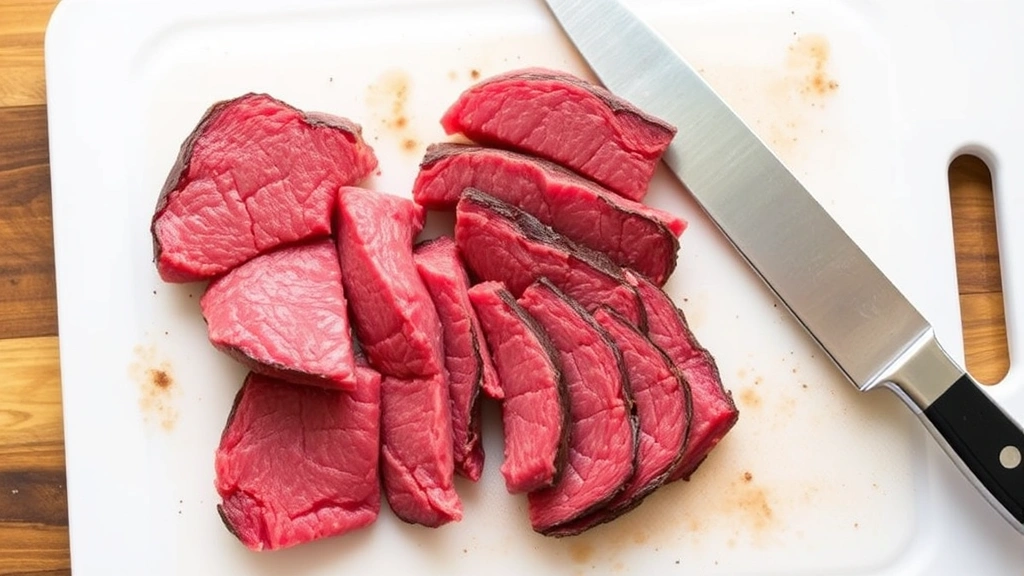
Preparing the beef correctly: Slice your flank steak against the grain into strips about ¼-inch thick. Against the grain is crucial—it shortens the muscle fibers, making the beef tender even though you’re cooking it quickly at high heat. Pat the beef dry with paper towels before cooking; moisture prevents proper browning.
Preparing the noodles: If using dried lo mein noodles, cook them according to package directions (usually 6-8 minutes), then drain and toss lightly with a little sesame oil to prevent sticking. If using fresh noodles, you can skip this step or blanch them for just 2-3 minutes. The noodles will cook a bit more when you toss them with the hot ingredients, so don’t cook them until they’re completely tender.
Cutting vegetables uniformly: This isn’t just about presentation. Uniform cuts mean everything cooks at the same rate. Julienne your peppers and carrots (thin matchsticks), cut broccoli into bite-sized florets, and slice snap peas on the diagonal for visual appeal. Have everything in separate bowls or piles on your cutting board.
Step-by-Step Cooking Instructions
Step 1: Cook the beef
Heat 2 tablespoons vegetable oil in a large wok or 12-inch skillet over high heat until the oil is shimmering and just beginning to smoke. This takes about 2-3 minutes. Add the beef in a single layer—don’t stir immediately. Let it sear for 2-3 minutes until a golden crust forms, then stir and cook another 2-3 minutes until the beef is cooked through but still slightly pink in the thickest part. Remove the beef to a plate. The residual heat will finish cooking it while you prepare the vegetables.
Step 2: Cook the harder vegetables first
Keep the wok or skillet over high heat. Add 1 tablespoon sesame oil, then add the broccoli and carrots. These take longer than soft vegetables, so they go in first. Stir-fry for 3-4 minutes until they’re starting to soften but still have a slight crunch. You want them tender-crisp, not mushy.
Step 3: Add the softer vegetables
Add the bell peppers and snap peas. Continue stir-frying for another 2-3 minutes. The vegetables should be vibrant and cooked through but not limp. This is when you’ll add the minced garlic and ginger—cook them for about 30 seconds until fragrant. The heat will release their essential oils, flooding the pan with aroma.
Step 4: Combine noodles and sauce
Add the cooked noodles to the wok along with the cooked beef. Pour the sauce over everything and toss continuously for 2-3 minutes. The cornstarch in the sauce will thicken slightly, creating a glossy coating that clings to each noodle. If the sauce seems thin, let it cook for another minute. If it’s too thick, add a tablespoon of water.
Step 5: Final touches
Add the green onions and remaining 1 tablespoon sesame oil. Toss everything together one final time. Taste and adjust: need more salt? Add a splash of soy sauce. Too salty? A squeeze of lime juice helps. The final dish should be savory, slightly sweet, with a hint of tang.
Pro Tips for Perfect Lo Mein
Temperature is everything: High heat is your friend here. A hot wok or skillet means ingredients cook quickly and develop flavor through browning rather than steaming. If your heat is too low, vegetables will release water and become mushy, and beef won’t brown properly.
Don’t overcrowd the pan: If you’re cooking for more than 4 people, work in batches. Overcrowding drops the temperature and causes steaming instead of searing. It’s better to cook two smaller batches than one crowded batch.
Cornstarch is your secret weapon: That slurry isn’t optional. It’s what separates homemade lo mein from a pile of noodles with sauce. The starch thickens minimally and creates that restaurant-quality glossy appearance.
Mise en place saves the day: Seriously. Have everything prepped, measured, and ready before you start cooking. Lo mein cooks fast, and scrambling to chop garlic while the pan is hot is stressful and leads to mistakes.
Use quality soy sauce: Not all soy sauces are created equal. Look for naturally brewed soy sauce (check the ingredient list) rather than chemically produced versions. The difference in flavor is noticeable.
Slice beef against the grain: This matters more than you’d think. Flank steak is a lean cut with visible grain lines. Slicing against these lines shortens the muscle fibers, making even quick-cooked beef tender. Slice with the grain, and you’ll have chewy, tough beef.
Don’t skip the sesame oil: Sesame oil has a distinct nutty flavor that’s essential to lo mein’s taste. However, it burns easily, so add it near the end or use it as a finishing touch rather than a cooking oil.
Recipe Variations
Vegetable Lo Mein: Simply skip the beef and add an extra cup of vegetables. Mushrooms, baby corn, and water chestnuts work beautifully. The cooking time stays the same since you’re not waiting for meat to cook.
Chicken Lo Mein: Substitute the beef with 1 pound boneless, skinless chicken breast, sliced thin. Chicken cooks slightly faster than beef, so watch carefully to avoid overcooking. You could also use the chicken seasoning recipe approach to add extra flavor before cooking.
Spicy Szechuan Version: Add 1-2 teaspoons of Szechuan peppercorns to the sauce, along with 1 tablespoon of chili oil. This creates a numbing, spicy sensation that’s authentic to Szechuan cuisine.
Seafood Lo Mein: Replace beef with shrimp, scallops, or a combination. Seafood cooks even faster than beef, so add it toward the end and cook just until opaque, about 2-3 minutes.
Peanut Lo Mein: Whisk 3 tablespoons peanut butter into the sauce along with 1 tablespoon rice vinegar. This creates a richer, more indulgent version. Add crushed peanuts as a garnish.
These variations show how adaptable lo mein is. Once you understand the basic technique and sauce ratios, you can customize it endlessly based on what you have on hand or your personal preferences.
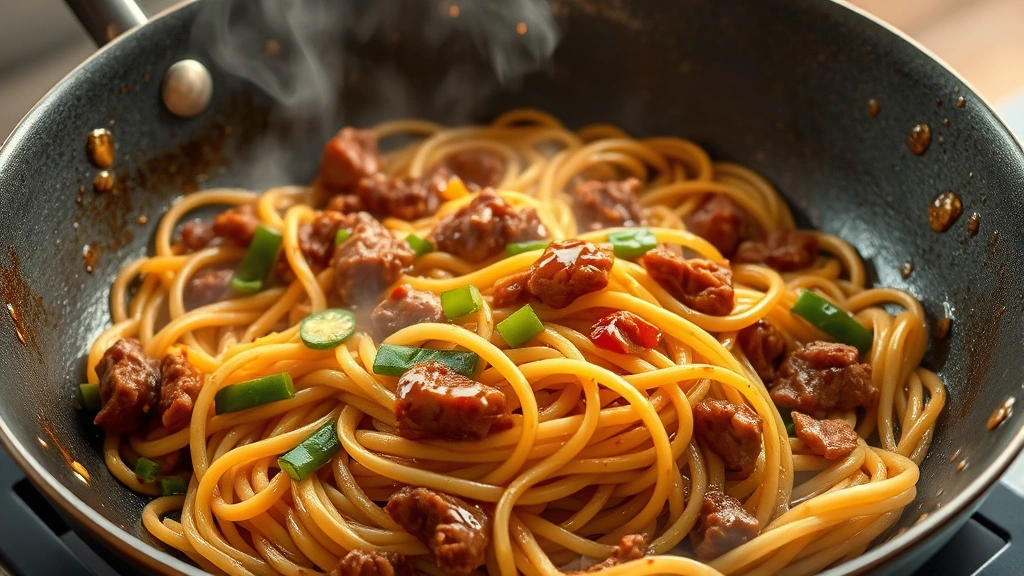
” alt=”Beef lo mein noodles being tossed in wok with glossy sauce coating every strand, steam rising, vegetables and tender beef visible throughout”>
Storage and Reheating
Leftover lo mein stores well in an airtight container in the refrigerator for up to 3 days. The sauce will thicken as it cools, which is normal. To reheat, warm it in a skillet over medium heat, stirring occasionally and adding a splash of water if needed to loosen the sauce. You can also microwave it in a bowl, but the stovetop method preserves texture better.
For best results, store the noodles and sauce together. Separating them can result in dried-out noodles. If you’re meal prepping, keep portions in individual containers for easy grab-and-go lunches.
Nutritional Information
This beef lo mein recipe yields approximately 4 servings. Each serving contains roughly 520 calories, 28g protein, 48g carbohydrates, and 18g fat. The nutritional profile makes it a fairly balanced meal—you’re getting protein from the beef, carbs from the noodles, and vitamins from the vegetables. If you’re watching sodium, you can reduce the soy sauce slightly, though this will affect the overall flavor.
For a lighter version, use whole wheat lo mein noodles or even zucchini noodles (add them at the very end). You could also increase the vegetable ratio to 3 cups and reduce the noodles to 6 ounces. Check out our healthy crock pot recipes for other nutritious meal ideas.
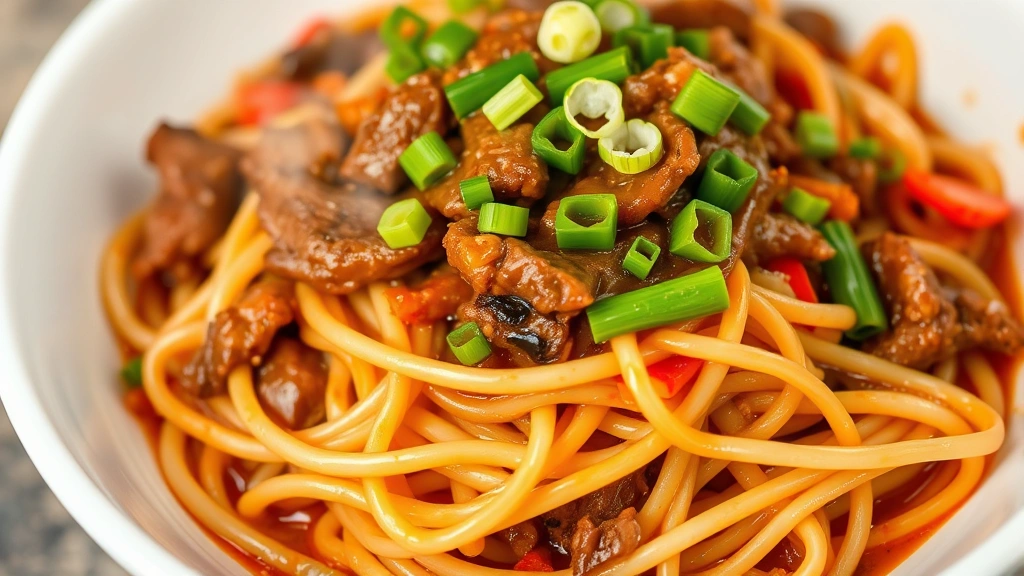
” alt=”Finished beef lo mein plated in white bowl, noodles glistening with sauce, colorful vegetables interspersed, green onions garnishing top, steam visible”>
FAQ
Can I make beef lo mein without a wok?
Absolutely. A large 12-inch skillet works just as well. The key is having a large, flat cooking surface that allows good heat distribution. A wok’s curved shape is convenient but not essential. Some home cooks prefer skillets because they’re easier to handle and store.
What’s the difference between lo mein and chow mein?
Both use noodles, but the technique differs. Lo mein noodles are soft and cooked, then tossed with sauce and ingredients. Chow mein noodles are often crisped slightly, creating more texture. Lo mein is saucier and softer, while chow mein is drier and has more contrast in textures.
Can I use regular pasta instead of lo mein noodles?
While possible, it’s not ideal. Lo mein noodles are specifically designed to absorb sauce and have a chewy texture. Regular spaghetti or linguine can work in a pinch, but they won’t have the same mouthfeel. If you do substitute, choose a thinner pasta and slightly reduce the sauce amount.
How do I prevent my lo mein from being soggy?
The cornstarch slurry is your answer. It thickens the sauce so it coats rather than soaks the noodles. Also, don’t cook the noodles until they’re completely soft—they’ll soften more when tossed with hot ingredients. Finally, serve immediately rather than letting it sit, which allows absorption.
Can I prep ingredients the day before?
Yes, with caveats. You can slice beef and store it in the refrigerator. You can chop vegetables and keep them in airtight containers. However, don’t mix the sauce until you’re ready to cook—the cornstarch will eventually absorb liquid and thicken. Cooked noodles can be stored separately and reheated.
What if I don’t have oyster sauce?
Oyster sauce adds depth, but you can substitute with an equal amount of soy sauce or hoisin sauce. The flavor will be slightly different—soy sauce makes it more savory, hoisin adds sweetness—but it’ll still taste good. Fish sauce (use half the amount) adds umami if you have it.
Is there a vegetarian version?
Definitely. Replace beef with extra vegetables or protein like tofu or tempeh. If using tofu, press it first to remove excess moisture, then cut into cubes and pan-fry until golden before adding to the noodle mixture. The sauce remains unchanged, though you might add a splash of vegetable broth for extra depth.
How spicy will this recipe be?
As written, it’s mild. The red pepper flakes are optional. If you want more heat, add them to taste—start with ¼ teaspoon and increase from there. You could also serve with sriracha or chili oil on the side for those who want extra spice.
Can I double this recipe?
Yes, but cook in batches rather than doubling everything in one pan. Overcrowding prevents proper browning and temperature control. Cook the beef in two batches, then combine before adding vegetables. The cooking time remains similar since you’re still working with proper heat levels.
What wine pairs well with beef lo mein?
A light, slightly sweet white wine like Riesling or Gewürztraminer complements the savory-sweet sauce. If you prefer red, choose something light and fruity like Pinot Noir. Honestly, this is casual food that pairs beautifully with iced tea or even a cold beer.
Final Thoughts
This beef lo mein recipe delivers restaurant-quality results that taste even better than takeout because you control every ingredient. The technique isn’t complicated—it’s just about understanding heat, timing, and proper sauce ratios. Once you’ve made this once or twice, it becomes second nature, and you’ll find yourself making it regularly.
The beauty of lo mein is its flexibility. You can adapt it to whatever proteins and vegetables you have on hand. You could explore our baked chicken tenderloin recipes for alternative proteins, or check out our vintage grandma recipes for classic comfort food inspiration.
Start with this tested recipe, master the technique, then make it your own. That’s how great cooks develop signature dishes. Your version might include your favorite vegetables, a different protein, or a spice profile that matches your taste. The foundation we’ve provided here is solid—everything else is customization.
Most importantly, have fun with it. Cooking should be enjoyable, not stressful. Put on some music, prep your ingredients, and enjoy the aroma as everything comes together. In 30 minutes, you’ll have a delicious meal that rivals any takeout restaurant, and you’ll know exactly what went into it. That’s the real magic of cooking at home.


