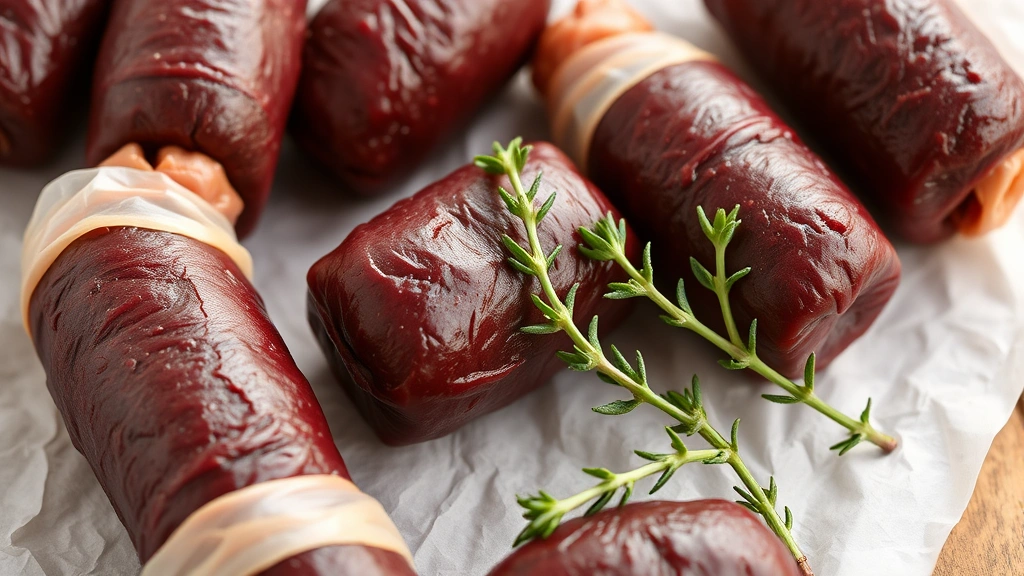
Black Pudding Recipe: Chef’s Traditional Method
Black pudding, also known as blood sausage, stands as one of the most authentic and revered dishes in British and European cuisine. This traditional delicacy has graced breakfast tables and festive occasions for centuries, representing culinary heritage and time-honored preparation techniques. Despite its intimidating name, creating homemade black pudding is an achievable endeavor for any dedicated home cook willing to embrace traditional methods and quality ingredients.
The beauty of making black pudding from scratch lies in understanding its core components: pork blood, pork fat, oatmeal or barley, and carefully selected spices. This guide walks you through the complete process, from ingredient selection to the final slicing and cooking stages. Whether you’re exploring British breakfast traditions or expanding your charcuterie skills, this recipe delivers authentic results that rival professional butcher creations.
Understanding Black Pudding Fundamentals
Black pudding represents a masterclass in nose-to-tail cooking, utilizing pork blood—an ingredient that many modern cooks overlook despite its nutritional density and rich flavor profile. Historically, black pudding emerged from practical necessity when butchers sought to use every part of the animal, transforming blood into a shelf-stable, nutrient-rich food source.
The distinctive dark color comes exclusively from pork blood, which contains iron and other minerals that make this sausage significantly more nutritious than standard pork varieties. The texture develops through careful emulsification of blood with rendered fat and binding agents like oatmeal or barley. Traditional recipes emphasize the balance between these components—too much blood creates a dense, metallic product, while insufficient blood loses the characteristic flavor that defines authentic black pudding.
This dish sits comfortably within comfort food recipes that celebrate traditional cooking methods. Understanding these fundamentals ensures your homemade version achieves professional quality and authentic taste. Black pudding pairs excellently with healthy chicken recipes for balanced breakfast plates, or stands alone as a centerpiece protein.

Essential Ingredients and Sourcing
Success with black pudding begins with ingredient quality and proper sourcing. Here’s what you’ll need:
- Pork blood: 500ml (approximately 17 fluid ounces), preferably fresh from a quality butcher or specialty supplier
- Pork back fat: 250g (8.8 ounces), finely diced or ground
- Pork meat: 150g (5.3 ounces), preferably shoulder, finely minced
- Steel-cut oats or pearl barley: 150g (5.3 ounces), cooked until tender
- Onions: 1 large onion, finely diced and cooked until translucent
- Fresh thyme: 2 tablespoons, finely chopped
- Ground black pepper: 1.5 teaspoons
- Ground nutmeg: 0.5 teaspoon
- Sea salt: 2 teaspoons, adjusted to taste
- Pork casings: 1 meter (3.3 feet), thoroughly cleaned and soaked
Sourcing pork blood requires establishing relationships with quality butchers. Many specialty meat suppliers, ethnic markets, and comprehensive butchery guides can direct you toward reliable sources. Request blood on a specific date, as availability varies seasonally. Keep blood refrigerated at temperatures below 4°C (39°F) and use within 24 hours of acquisition.
Pork casings, traditionally sourced from pork intestines, require careful cleaning. Rinse thoroughly under cold water, then soak in tepid water for 30 minutes before use. This hydration prevents tearing during stuffing.
Equipment and Preparation
Proper equipment transforms the black pudding-making process from chaotic to manageable. Gather these essential tools:
- Meat grinder or food processor for mincing pork and fat
- Large mixing bowl (stainless steel preferred)
- Thermometer (essential for food safety)
- Sausage stuffer or piping bag with large nozzle
- Sharp kitchen knife
- Cheesecloth for straining (optional but recommended)
- Large pot for cooking
- Slotted spoon for handling sausages
Preparation begins the day before cooking. Chill all equipment—grinder blades, bowls, and utensils—in the freezer for at least 2 hours. Cold equipment prevents fat from smearing during grinding, ensuring proper texture in the final product. This temperature control proves critical for emulsification success.
Prepare your workspace by laying out all ingredients in order of use. Organization prevents contamination and keeps the blood at safe temperatures throughout the process.
Step-by-Step Traditional Method
Step 1: Prepare Your Components
Begin by cooking your oats or barley according to package directions, then cool completely. This step should occur hours before mixing to ensure proper temperature control. Simultaneously, sauté diced onions in a small pan with minimal fat until golden and softened—approximately 8 minutes over medium heat. Allow onions to cool to room temperature.
Step 2: Grind Your Proteins
Remove your chilled grinder from the freezer and attach the fine die. Grind pork shoulder meat and pork back fat together, working quickly to maintain cold temperatures. The combination of meat and fat creates the proper texture—fat alone becomes greasy, while meat alone becomes dense. Grind directly into your chilled mixing bowl.
Step 3: Prepare the Blood
Remove pork blood from refrigeration and pass it through cheesecloth if desired, though many traditional recipes skip this step. The goal is removing any large clots while preserving blood volume. Handle blood gently to avoid unnecessary oxidation, which darkens the color and affects flavor.
Step 4: Combine Ingredients
Add cooled oats, cooked onions, and all spices to the ground meat and fat mixture. Pour blood over this combination slowly while stirring gently with your hands. Work deliberately but not vigorously—excessive stirring incorporates air, creating an undesirable grainy texture. Mix until ingredients are fully incorporated and the mixture achieves uniform color and consistency, typically 3-5 minutes of gentle folding.
Test seasoning by taking a small spoonful and cooking it briefly in a pan. Taste and adjust salt, pepper, and spices as needed before proceeding to stuffing.
Step 5: Stuff the Casings
Fit your sausage stuffer with the prepared casings, leaving 3 inches (7.6 centimeters) empty at the beginning for tying. Begin filling slowly, maintaining even pressure to avoid air pockets. Fill casings to approximately 3 inches (7.6 centimeters) from the end, leaving space for tying. Work quickly to prevent blood oxidation and maintain temperature.
As you fill each casing section, twist gently to create links approximately 4-6 inches (10-15 centimeters) long. Prick any visible air bubbles with a sterilized needle. Tie both ends of each link securely with kitchen twine.
Cooking and Serving Techniques
Black pudding requires proper cooking to develop flavor while maintaining food safety. Fill a large pot with water and bring to a gentle simmer—approximately 75-80°C (167-176°F). This temperature range prevents casings from bursting while fully cooking the interior.
Carefully place prepared pudding links into simmering water using a slotted spoon. They’ll initially sink; as they cook, they’ll gradually float to the surface. Once floating, maintain gentle simmer for approximately 30 minutes. Use an instant-read thermometer to verify internal temperature reaches 70°C (158°F).
Remove cooked pudding with a slotted spoon and transfer to a clean kitchen towel. Allow cooling to room temperature before refrigerating. This traditional method produces authentic texture and flavor that exceeds pan-fried versions of raw pudding.
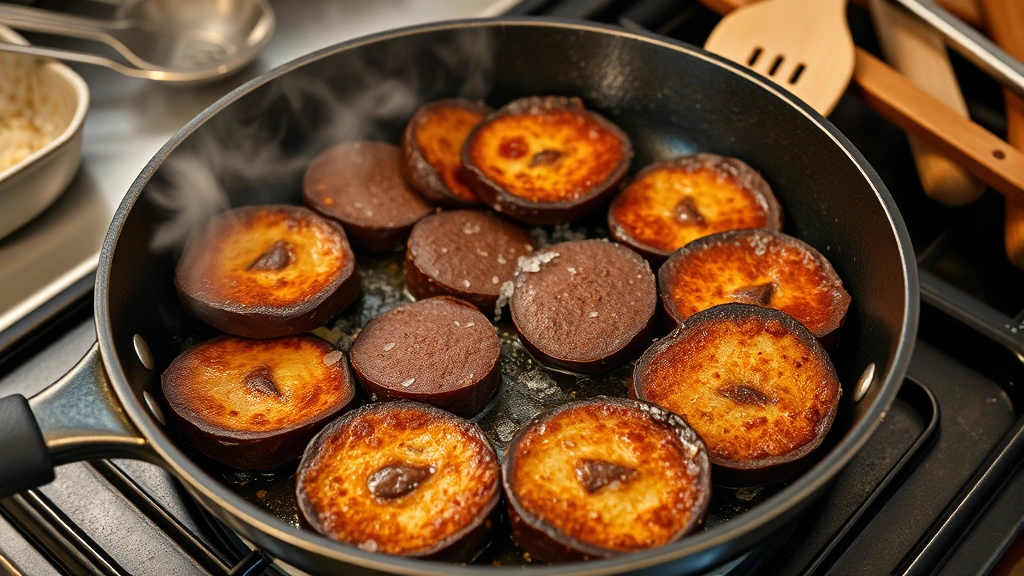
For serving, slice cooled pudding into 1-centimeter (0.4-inch) thick rounds. Pan-fry in a lightly oiled skillet over medium-high heat for 2-3 minutes per side until exterior develops a slight crust. Serve immediately while warm, typically as part of a full English breakfast alongside eggs, bacon, and tomatoes. Black pudding also integrates beautifully into summer potluck recipes when served at room temperature on charcuterie boards.
For those seeking protein-forward breakfast options, consider pairing black pudding with protein powder recipes for comprehensive nutrition. The pudding’s natural iron content complements additional protein sources effectively.
Storage and Preservation
Properly cooked black pudding maintains quality for up to 5 days when refrigerated in an airtight container at temperatures below 4°C (39°F). Layer pudding slices with parchment paper to prevent sticking. For longer storage, freeze cooked pudding for up to 3 months in freezer-safe containers.
Uncooked, stuffed pudding requires immediate cooking or freezing. If freezing uncooked pudding, wrap individual links tightly in plastic wrap, then place in freezer bags. Thaw overnight in the refrigerator before cooking. Some traditional producers prefer aging uncooked pudding in the refrigerator for 24 hours before initial cooking—this allows flavors to meld and casings to firm slightly, reducing bursting risk.
Never store uncooked blood-based products at room temperature. The raw blood creates an ideal environment for pathogenic bacteria growth. Maintain strict temperature control throughout preparation and storage phases.
Flavor Variations and Adaptations
While traditional black pudding follows time-honored recipes, creative variations allow personal expression. Some regional British versions incorporate fresh sage instead of thyme, creating earthier flavor profiles. Spanish morcilla versions add smoked paprika and garlic for deeper, more complex taste.
For those preferring lighter versions, substitute half the oats with finely minced liver—typically pork or chicken liver. This addition increases nutritional density while maintaining authentic texture. Adjust blood quantity slightly if using liver, as it adds moisture.
Experiment with spice combinations: some cooks add white pepper instead of black for subtler heat, while others incorporate ground coriander or ginger for unexpected complexity. Always test seasoning adjustments on small portions before committing entire batches to new flavor profiles.
Those exploring diverse protein preparations might enjoy exploring recipes with ground chicken for comparison in texture and preparation techniques, or recipes with shredded chicken for alternative protein-forward dishes.
FAQ
Can I make black pudding without pork blood?
Authentic black pudding requires pork blood for its distinctive color, flavor, and nutritional profile. Substitutes like liver or additional fat produce different products that don’t capture traditional black pudding characteristics. If blood sourcing proves impossible, consider making liver sausage instead—a related but distinct product.
Where can I source pork blood?
Quality butchers, specialty meat suppliers, ethnic markets (particularly those serving Spanish, Portuguese, or Eastern European communities), and comprehensive culinary resources typically stock or can order pork blood. Call ahead to arrange delivery, as availability fluctuates seasonally.
Is black pudding safe to eat?
Yes, when properly prepared and cooked. The key safety factor involves reaching internal temperatures of 70°C (158°F), which eliminates harmful pathogens. Proper ingredient sourcing from reputable suppliers and strict temperature control throughout preparation ensure food safety. Never consume undercooked black pudding.
Can I use beef or lamb blood instead?
Traditional recipes specifically call for pork blood, which offers optimal flavor and texture. Beef blood produces stronger, more metallic flavors, while lamb blood creates distinctly different taste profiles. If substituting, expect noticeably different results.
How long does fresh black pudding last?
Cooked black pudding remains safe for 5 days refrigerated in airtight containers. Uncooked pudding should be cooked or frozen immediately. Frozen cooked pudding maintains quality for 3 months. Always verify proper storage temperatures and watch for off-odors before consuming.
What’s the best way to cook black pudding?
Pan-frying sliced, pre-cooked pudding delivers superior results to cooking raw pudding directly in a skillet. Pre-cooking ensures food safety and allows proper flavor development. Pan-fry in minimal oil at medium-high heat for 2-3 minutes per side until exterior crisps slightly.
Can I make black pudding in advance?
Yes. Prepare and cook black pudding up to 5 days before serving, or freeze for longer storage. Slice and pan-fry fresh from refrigeration or frozen (thaw first). This make-ahead capability makes black pudding ideal for entertaining and meal preparation.


