
Boba Tea at Home? Tried and Tested Recipe
Boba tea, also known as bubble tea, has taken the world by storm. This delightful beverage combines creamy tea with chewy tapioca pearls, creating a uniquely satisfying drink that’s become a global phenomenon. What started as a Taiwanese street drink in the 1980s has evolved into a multi-billion dollar industry, with dedicated boba shops on nearly every corner in major cities. The best part? You can easily recreate this café-quality drink in your own kitchen with simple ingredients and straightforward techniques.
Making boba tea at home isn’t just cost-effective—it’s also incredibly rewarding. You’ll have complete control over sweetness levels, tea strength, and topping choices, allowing you to customize every sip to your preferences. Whether you’re a boba enthusiast looking to reduce café visits or a curious newcomer wanting to explore this beverage trend, this comprehensive guide will walk you through everything you need to know. From selecting the right tea to perfecting your tapioca pearls, you’ll discover the secrets that professional boba shops use to create their signature drinks.
Understanding Boba Tea Basics
Boba tea represents a fascinating intersection of Asian recipes and modern beverage culture. The drink typically consists of four main components: tea, milk or creamer, sweetener, and tapioca pearls. Understanding how these elements work together is crucial for creating an authentic boba experience at home.
The term “boba” originally referred to the large tapioca pearls that sink to the bottom of the drink, though modern boba culture has expanded to include various toppings like popping boba, jelly cubes, and pudding. The beverage’s appeal lies in its textural contrast—the smooth, creamy liquid paired with the chewy, satisfying pearls creates an interactive eating and drinking experience that sets it apart from traditional beverages.
The foundation of any great boba tea is balance. Too much sweetness overwhelms the delicate tea flavors, while insufficient sweetness makes the drink taste flat. Similarly, the milk should enhance rather than mask the tea’s character. Professional boba shops spend years perfecting this balance, but with the right knowledge, you can achieve similar results in your own kitchen.
Essential Ingredients and Equipment
Before you start making boba tea, gather these essential ingredients. You’ll need dried tapioca pearls (the small black variety), your choice of tea leaves (black tea, green tea, or oolong work beautifully), milk or non-dairy alternatives, and sweetener such as sugar, honey, or simple syrup. Many enthusiasts also keep flavoring syrups on hand for creating signature drinks.
For equipment, you’ll want a large pot for cooking tapioca, a fine-mesh strainer for draining, a teapot or infuser for brewing tea, and tall glasses for serving. A boba straw—the wide-bore straw specifically designed for bubble tea—makes drinking much more enjoyable, though regular straws work in a pinch. Consider investing in a cocktail shaker if you plan to make milk tea regularly, as shaking creates the perfect frothy texture.
Quality matters significantly when selecting ingredients. Invest in loose-leaf tea rather than tea bags, as whole leaves provide superior flavor extraction. When choosing tapioca pearls, look for the small variety (about 1/8 inch diameter) rather than the oversized pearls, which take much longer to cook and can become mushy. For milk, whole milk creates the richest, creamiest texture, though oat milk and almond milk offer excellent dairy-free alternatives that complement tea beautifully.
Cooking Perfect Tapioca Pearls
The tapioca pearls are the star of boba tea, and cooking them correctly is essential for achieving that ideal chewy texture. Begin by bringing a large pot of water to a rolling boil—use at least 4 cups of water for every 1 cup of tapioca pearls, as they need plenty of space to cook evenly without sticking together.
Once water reaches a full boil, carefully add your tapioca pearls and stir immediately and continuously for the first 2-3 minutes. This prevents clumping and ensures even cooking. After the initial stirring period, reduce heat to medium and maintain a gentle boil. The pearls will sink initially, then gradually float to the surface as they cook—this is a good sign.
Cooking time varies based on pearl size, typically ranging from 20-30 minutes for small pearls. To test for doneness, remove a pearl with a spoon and cut it in half—it should be translucent throughout with just a tiny white dot in the center. That small dot indicates the pearl is perfectly chewy; if it’s completely opaque, the pearls need more time, and if there’s no white center at all, they’re overcooked and will be mushy.
Once cooked, immediately drain the pearls in a fine-mesh strainer and rinse with cold water to stop the cooking process. Transfer them to a bowl and toss with a small amount of brown sugar or honey—this prevents sticking and adds subtle sweetness. If you’re not using them immediately, store cooked pearls in their sweetened syrup for up to 8 hours, though fresh pearls taste best when used within 2 hours of cooking.
Brewing the Perfect Tea Base
The tea forms the flavor foundation of your boba drink, making proper brewing technique essential. Different tea varieties require different water temperatures and steeping times to achieve optimal flavor without becoming bitter.
Black tea (such as Assam or Ceylon) works wonderfully for traditional milk teas. Use water heated to 200-212°F and steep for 3-5 minutes. Black tea’s robust flavor stands up beautifully to milk and sweetener, creating that classic boba tea taste.
Green tea and oolong tea offer lighter, more delicate options. Brew green tea at 160-180°F for 2-3 minutes to avoid bitterness, while oolong benefits from 190-205°F water and 3-5 minutes steeping. These teas showcase more subtle flavor profiles and pair wonderfully with fruit-based syrups.
For best results, brew your tea stronger than you would normally drink it—the milk and ice will dilute the final beverage. A good ratio is 1 teaspoon of loose-leaf tea per 8 ounces of water. After steeping, strain immediately to prevent over-extraction. If you’re making multiple drinks, brew a larger batch and store the cooled tea in the refrigerator for up to 3 days.
Temperature control is crucial; never brew tea with boiling water unless you’re using black tea specifically. Using water that’s too hot will make green and oolong teas taste astringent and unpleasant. Investing in a simple kitchen thermometer helps ensure you’re hitting the correct temperature every time.
Creating Flavored Syrups
While traditional boba tea relies on the tea’s natural flavor, homemade syrups elevate your creations and allow you to experiment with endless combinations. Making simple syrup at home is incredibly easy and costs a fraction of café prices.
Basic Simple Syrup: Combine equal parts sugar and water in a saucepan. Heat over medium, stirring until sugar dissolves completely. Remove from heat and cool before using. This 1:1 ratio creates a neutral sweetener that won’t overpower delicate teas.
Brown Sugar Syrup: This classic boba shop staple adds caramel notes that complement milk tea beautifully. Use brown sugar instead of white, and add a pinch of vanilla extract for extra depth. The darker color and richer flavor make drinks look and taste more professional.
Fruit Syrups: For a strawberry boba tea, simmer fresh or frozen strawberries with sugar and water until the berries break down completely, then strain through cheesecloth. Mango, passion fruit, and peach syrups follow the same method. These vibrant additions transform your boba experience and connect beautifully to how to make fruit preserves, using similar preservation techniques.
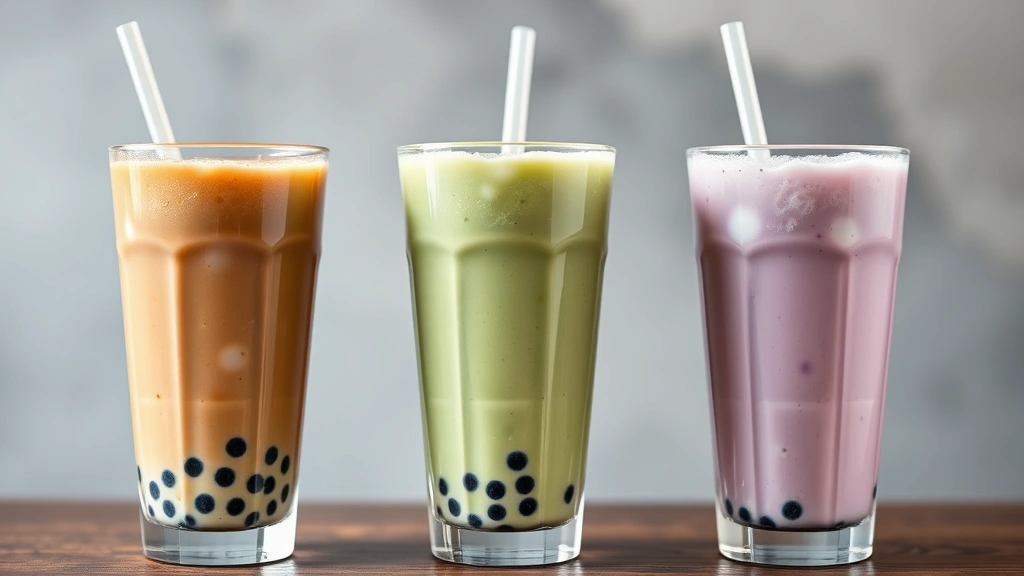
Matcha Syrup: For green tea lovers, whisk matcha powder with hot water until smooth, then combine with simple syrup. This creates a concentrated matcha flavor that blends seamlessly into cold milk tea.
Taro Syrup: Blend cooked taro root with simple syrup to create the purple hue and nutty flavor characteristic of taro boba tea. This requires slightly more effort but delivers café-quality results.
Store all syrups in glass jars in the refrigerator for up to two weeks. Having several syrups prepared means you can create different drinks throughout the week without extra preparation time.
Assembly and Serving
Now comes the exciting part—bringing all your components together into a delicious boba tea. The assembly process is straightforward but requires attention to order and proportions.
Step-by-step assembly:
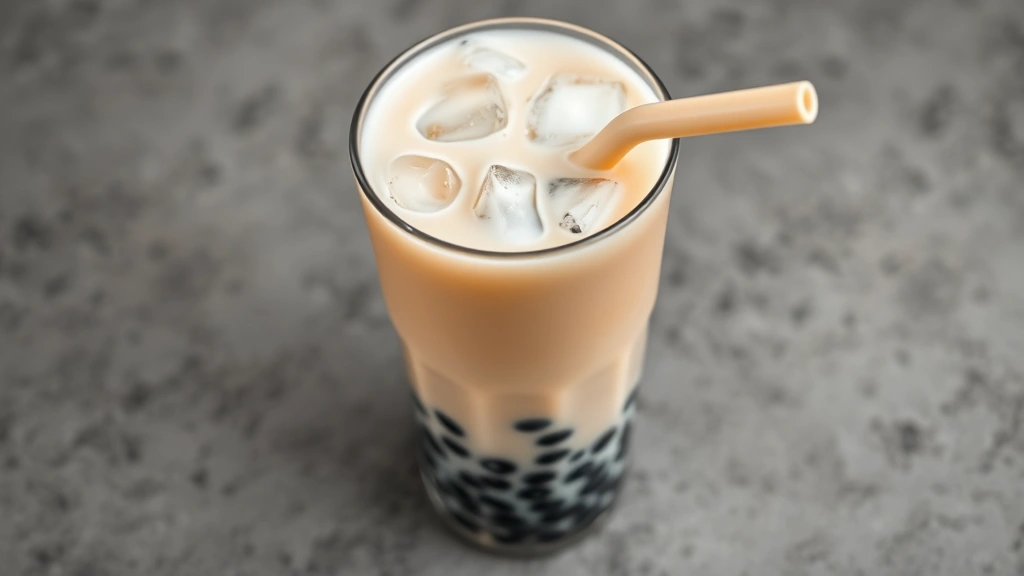
- Fill a tall glass with ice cubes, leaving about 2 inches at the top
- Add 2-3 tablespoons of cooked tapioca pearls to the bottom of the glass
- Pour 1-2 ounces of your chosen syrup or sweetener over the pearls
- Add 6 ounces of brewed tea (cooled to room temperature or chilled)
- Pour 4-6 ounces of milk, adjusting based on your preference for creaminess
- Stir well to combine all ingredients
- Top with additional ice if desired
- Insert a wide boba straw and enjoy immediately
The beauty of making boba tea at home is customization. Prefer extra creamy? Add more milk. Love intense sweetness? Use more syrup. Want a stronger tea flavor? Reduce the milk proportion. These proportions serve as a starting point; adjust based on your taste preferences.
For a milk tea without boba, simply skip the tapioca pearls—this creates a classic Hong Kong-style milk tea that pairs wonderfully with comfort food recipes for an afternoon treat.
For shaken boba tea, a technique used in professional shops, combine cooled tea, milk, syrup, and ice in a cocktail shaker. Shake vigorously for 10-15 seconds until frothy, then pour into a glass containing cooked tapioca pearls. The shaking incorporates air, creating a creamy, luxurious texture that feels indulgent.
Troubleshooting Common Issues
Even with careful attention, you might encounter challenges when making boba tea at home. Understanding common problems and their solutions helps you refine your technique.
Tapioca pearls are mushy or falling apart: You’ve overcooked them. Reduce cooking time by 3-5 minutes next time, and remember that the tiny white center indicates perfect doneness. If pearls are already cooked, they can’t be saved, but this knowledge improves your next batch.
Pearls are hard and chewy in the center: Increase cooking time by 5 minutes and ensure you’re using small pearls rather than large ones. Hard pearls indicate insufficient cooking.
Tea tastes bitter: This usually means over-steeping or water that’s too hot. Brew for shorter periods and use a thermometer to verify water temperature. Remember that different teas require different temperatures.
Drink tastes too sweet: Reduce syrup amount by half and taste before adding more. You can always add sweetness, but removing it is impossible.
Milk separates or curdles: This occurs when adding cold milk to very hot tea. Always cool tea to room temperature before adding milk, or use the shaking method which naturally prevents separation.
Pearls sink to the bottom and stick: This happens when pearls aren’t tossed with syrup immediately after cooking. Always coat cooked pearls with a sweetener to prevent adhesion.
Drink lacks flavor: Use stronger brewed tea or increase syrup amount. Remember that ice and milk dilute flavors, so your base should taste slightly more intense than your desired final product.
Frequently Asked Questions
Can I make boba tea with coffee instead of tea?
Absolutely! Coffee boba, sometimes called “coffee bubbles,” has become increasingly popular. Brew strong coffee, cool it, then follow the same assembly process as tea-based boba. The result is a delicious coffee drink with chewy pearls. Some people add a touch of vanilla or caramel syrup to enhance the coffee’s natural sweetness.
How long do cooked tapioca pearls last?
Cooked pearls are best used within 2 hours of cooking for optimal texture, though they’ll keep in their sweetened syrup in the refrigerator for up to 8 hours. Beyond that, they become increasingly mushy and less appetizing. For easy vegan breakfast ideas, you could repurpose leftover pearls in puddings or smoothie bowls.
What’s the difference between tapioca pearls and popping boba?
Tapioca pearls are chewy throughout, while popping boba consists of spheres with liquid centers that burst in your mouth. Both are delicious, but they offer different textural experiences. Popping boba requires different cooking methods and creates a more surprising eating experience.
Is boba tea vegan?
Traditional boba tea contains milk, making it non-vegan. However, you can easily create vegan boba by using plant-based milk alternatives like oat, almond, coconut, or soy milk. Tapioca pearls are naturally vegan, making them perfect for plant-based diets.
Can I prepare boba tea in advance?
You can prepare components in advance—brewed tea keeps for 3 days, syrups last two weeks, and cooked pearls stay fresh for 8 hours. However, assemble drinks just before serving for best texture and flavor. The tea and milk separate if left sitting, and ice melts over time, diluting your drink.
What’s the best tea for boba beginners?
Black tea is most forgiving for beginners because it’s robust enough to withstand variations in brewing temperature and time. Assam or Ceylon black tea creates the classic boba shop flavor that most people expect. Once comfortable with black tea, experiment with greens and oolongs.
How can I make my homemade boba taste like café quality?
Use quality ingredients, especially tea and milk. Brew tea at the correct temperature using loose leaves. Make fresh simple syrup rather than using pre-made sweeteners. Shake your drink when combining tea and milk for a professional texture. Most importantly, taste frequently and adjust proportions to match your preferences. Professional boba shops have spent years perfecting recipes, so don’t expect identical results immediately—your personal preferences matter more than replicating any single shop’s formula.
Where can I buy tapioca pearls and specialty ingredients?
Asian grocery stores carry tapioca pearls, tea leaves, and other boba supplies at excellent prices. Online retailers also offer convenient delivery. For premium ingredients, check culinary specialty shops and food science resources that stock high-quality teas and ingredients. Many local tea shops sell loose-leaf varieties and can provide recommendations based on your flavor preferences.
Can I use instant tea or tea bags?
While possible, instant tea and tea bags produce inferior flavor compared to loose-leaf tea. If you must use them, double the amount to compensate for weaker extraction. Loose-leaf tea offers superior taste and creates a more authentic boba experience worth the minimal extra effort.
What’s the ideal ice-to-liquid ratio?
Fill your glass about three-quarters full with ice before adding other ingredients. This ensures proper cooling and creates the right balance between temperature and flavor concentration. Too little ice means your drink warms up quickly and becomes diluted; too much ice takes up space needed for tea and milk.


