How to Boil Cabbage: Chef’s Tips Inside
Boiling cabbage might seem like a straightforward cooking technique, but there’s far more to mastering this humble vegetable than simply dropping it in hot water. Whether you’re preparing a classic side dish, creating a base for chicken and potatoes, or crafting authentic turkey sausage accompaniments, understanding the nuances of boiling cabbage will elevate your cooking. Professional chefs know that timing, temperature, and technique transform boiled cabbage from mushy and unappetizing to tender, flavorful, and nutritious.
This comprehensive guide reveals insider secrets that will help you achieve perfectly boiled cabbage every single time. From selecting the right cabbage variety to understanding cooking times and flavor enhancement techniques, you’ll discover why restaurant-quality results are absolutely achievable in your home kitchen. We’ll explore different boiling methods, traditional recipes, and creative ways to incorporate boiled cabbage into your meal planning.
Selecting the Perfect Cabbage
The foundation of excellent boiled cabbage begins at the grocery store or farmers market. Not all cabbages are created equal, and understanding the differences will significantly impact your final dish. Green cabbage, the most common variety, offers a slightly sweet, mild flavor that becomes even more delicate when boiled. Red cabbage provides earthier notes and maintains its vibrant color beautifully during cooking, though it requires slightly longer boiling times. Napa cabbage, with its tender leaves and subtle sweetness, cooks quickly and absorbs flavors exceptionally well.
When selecting cabbage, look for heads that feel heavy for their size, indicating good water content and density. The outer leaves should be crisp and free from blemishes, browning, or soft spots. Avoid cabbages with yellowing leaves or signs of pest damage. A properly selected cabbage head will have tightly packed leaves that create a solid, compact form. Store your cabbage in the refrigerator’s vegetable drawer where it will remain fresh for two to three weeks, making it perfect for meal planning throughout your week.
Preparing Cabbage for Boiling
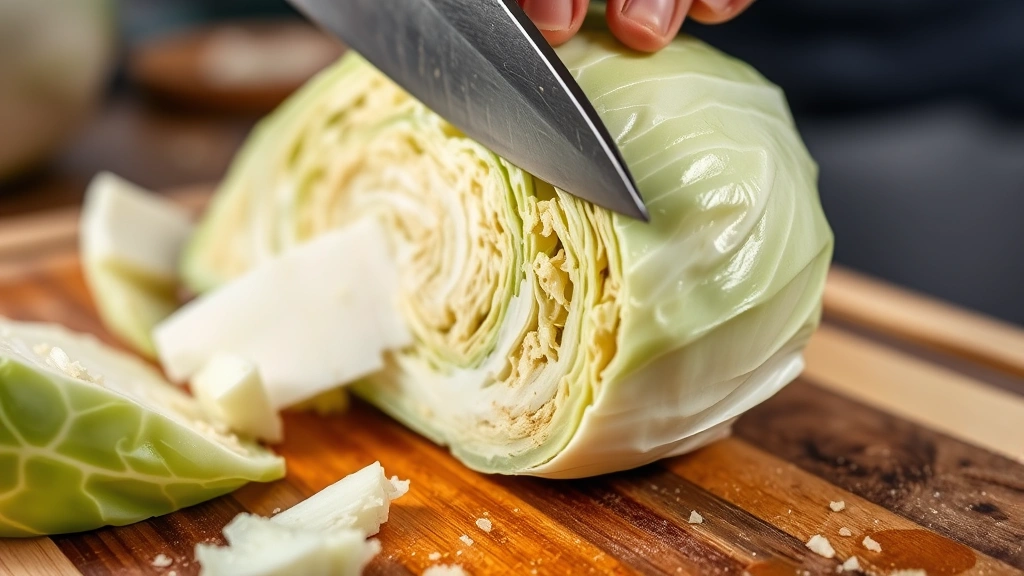
Proper preparation ensures even cooking and optimal texture. Begin by rinsing your cabbage under cool running water, rubbing gently with your fingers to remove any dirt or debris trapped between the outer leaves. Pat it dry with paper towels. Remove and discard the outermost layer of leaves if they appear damaged or heavily soiled. Using a sharp chef’s knife, cut the cabbage in half from top to root end, then cut each half into quarters or wedges, depending on your desired serving size.
For faster, more uniform cooking, you can shred the cabbage using a sharp knife or mandoline slicer, creating thin ribbons approximately one-quarter inch wide. Alternatively, cut the cabbage into roughly two-inch chunks for a heartier presentation. Keep the core intact when possible, as it helps hold the leaves together during boiling, preventing them from separating and becoming stringy. If you prefer individual servings, create wedges that maintain the core base, which looks more elegant on the plate.
Basic Boiling Techniques
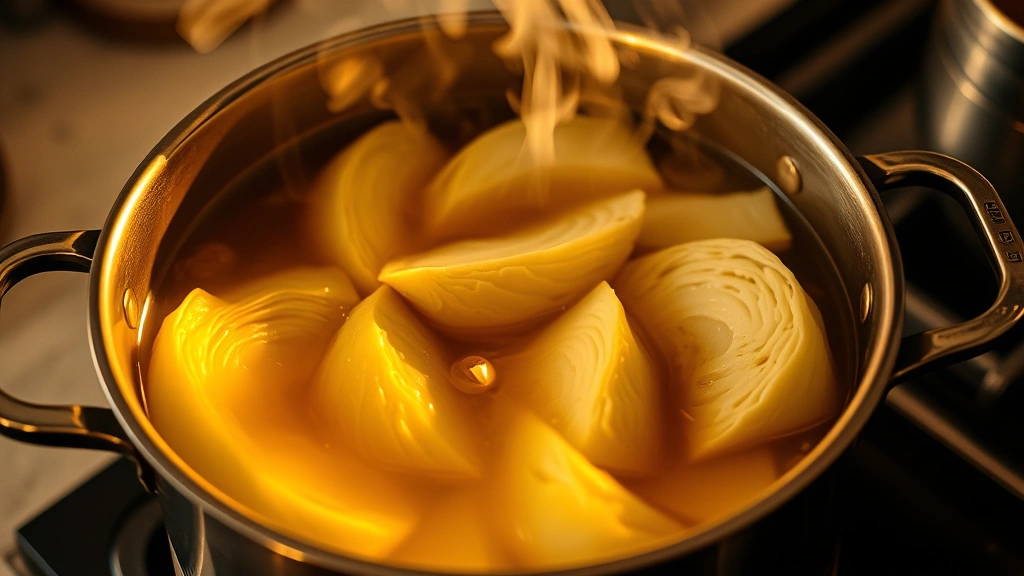
The fundamental boiling method is simple yet requires attention to detail. Fill a large pot with enough water to cover your cabbage pieces by approximately two inches. The general ratio is one pound of cabbage to four quarts of water, which prevents overcrowding and allows heat to circulate evenly. Bring the water to a rolling boil over high heat before adding your prepared cabbage. Adding cabbage to already-boiling water, rather than starting in cold water, helps preserve the vegetable’s natural color and texture while reducing the cooking time.
For enhanced flavor, consider adding one tablespoon of sea salt per quart of water, which seasons the cabbage from within and prevents it from becoming bland. Some chefs add a bay leaf, a few peppercorns, or a small piece of onion to the boiling water for subtle depth. A splash of apple cider vinegar or white wine adds complexity and helps neutralize the sulfurous compounds that cabbage can release during cooking, reducing unwanted odors in your kitchen. Once your cabbage enters the boiling water, maintain a gentle boil rather than a vigorous rolling boil, which can cause the delicate leaves to break apart.
Timing and Texture Control
Cooking time varies dramatically based on cabbage size, cut size, and your preferred texture. Shredded cabbage cooks in just two to three minutes, creating tender ribbons perfect for homemade salad dressings or coleslaw applications. Quarter-inch chunks typically require five to seven minutes for tender-crisp texture or eight to ten minutes for completely soft cabbage. Larger wedges maintaining the core need twelve to fifteen minutes for tender results. The key is starting to check for doneness at the lower end of these timeframes, as overcooked cabbage becomes mushy, sulfurous, and loses nutritional value.
Professional chefs test doneness by piercing the thickest part with a fork or small knife—it should slide through with slight resistance, not mushy submission. For restaurants serving boiled cabbage alongside Asian salmon or other delicate proteins, achieving tender-crisp texture is paramount. If you prefer your cabbage with more bite, reduce cooking time by two to three minutes. For baby food or pureed applications, extend cooking time slightly and ensure complete tenderness. Always remember that carryover cooking continues briefly after draining, so remove your cabbage when it’s just slightly firmer than your target texture.
Flavor Enhancement Methods
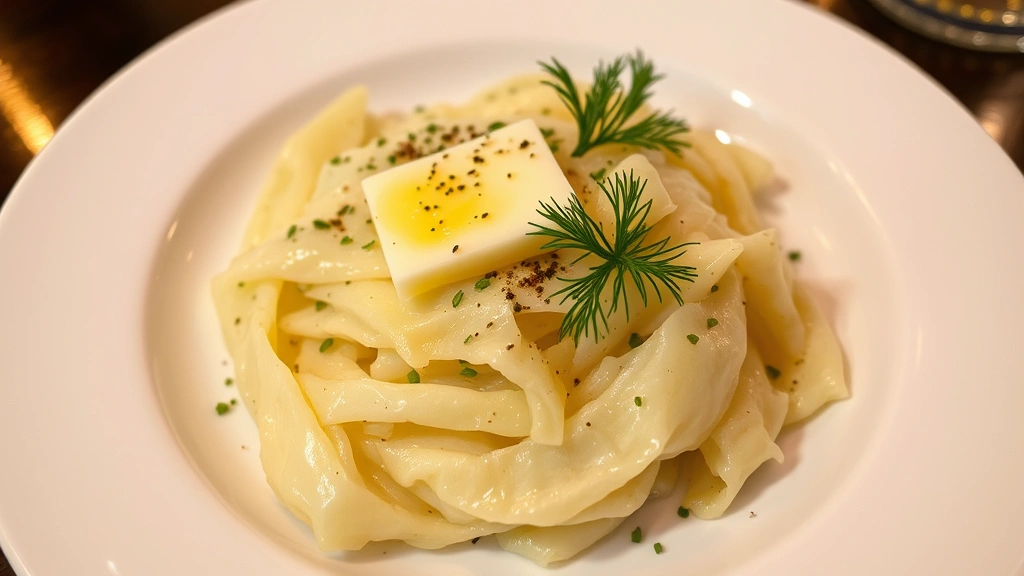
While boiled cabbage is naturally flavorful, several techniques elevate it to restaurant quality. After draining, toss your hot cabbage with butter, fresh herbs like dill or parsley, and freshly cracked black pepper for classic simplicity. Garlic lovers should infuse melted butter with minced garlic, allowing the flavors to meld before tossing with the cabbage. A squeeze of fresh lemon juice brightens the natural sweetness and adds complexity that cuts through the earthiness.
For Eastern European preparations, combine boiled cabbage with caramelized onions, caraway seeds, and a touch of apple cider vinegar for traditional flavor profiles. Asian-inspired versions benefit from sesame oil, ginger, soy sauce, and a pinch of white pepper. Cream-based preparations involve tossing warm cabbage with sour cream, fresh dill, and a touch of mustard for tangy richness. Mediterranean styles incorporate olive oil, garlic, red pepper flakes, and fresh herbs. The beauty of boiled cabbage lies in its ability to absorb and complement virtually any flavor profile you choose.
Traditional Boiled Cabbage Recipes
Classic Boiled Cabbage with Butter and Caraway: This traditional preparation pairs perfectly with hearty proteins. Boil two pounds of chopped green cabbage for six minutes, drain thoroughly, and toss with four tablespoons of unsalted butter, one tablespoon of caraway seeds, salt, and pepper. The caraway seeds add authentic Eastern European character and aid digestion. Serve alongside turkey sausage recipes for authentic comfort food.
Creamed Cabbage: Boil one and one-half pounds of shredded cabbage for four minutes, then drain. In a separate saucepan, melt three tablespoons of butter and whisk in three tablespoons of all-purpose flour to create a roux. Gradually add one cup of whole milk while whisking constantly to prevent lumps. Season with salt, white pepper, and a pinch of nutmeg. Add the drained cabbage to the cream sauce, fold gently, and simmer for two minutes. This elegant preparation complements delicate fish and poultry beautifully.
Tangy Boiled Cabbage with Vinegar: Boil one and three-quarter pounds of cabbage wedges for ten minutes until tender. Drain and place in a serving bowl. Whisk together one-third cup of apple cider vinegar, two tablespoons of honey, one tablespoon of whole grain mustard, and two tablespoons of olive oil. Pour the warm dressing over the cabbage, toss gently, and allow flavors to meld for five minutes. This preparation stores beautifully in the refrigerator and actually improves as flavors develop over twenty-four hours.
Boiled Cabbage with Garlic and Oil: Boil two pounds of chopped cabbage for five minutes, drain completely, and set aside. In a large skillet, warm one-quarter cup of excellent quality olive oil over medium-low heat. Add six minced garlic cloves and cook gently for one minute until fragrant but not browned. Add the drained cabbage, red pepper flakes to taste, fresh lemon juice, salt, and pepper. Toss gently and cook for two minutes, allowing flavors to marry. This simple preparation showcases the cabbage’s natural sweetness.
Serving Suggestions
Boiled cabbage is incredibly versatile and pairs beautifully with numerous proteins and sides. Serve it alongside chicken and potatoes for classic comfort-food combinations, or pair with roasted or grilled proteins for lighter presentations. The vegetable’s subtle sweetness complements rich meats like pork and beef wonderfully, while its delicate nature suits fish and seafood equally well. Consider boiled cabbage as a healthy alternative to traditional starches, offering more nutrients and fewer calories than potatoes or rice.
In restaurant settings, boiled cabbage wedges provide elegant plating opportunities. Position a wedge beside protein and sauce, creating visual interest through color contrast and varied textures. Shredded boiled cabbage works beautifully as a bed for proteins, creating depth and sophistication. For casual family meals, serve family-style in a warm bowl, allowing everyone to help themselves. Cold boiled cabbage, dressed with vinaigrette, becomes a refreshing side salad perfect for summer meals. Many cultures incorporate boiled cabbage into composed dishes like cabbage rolls, soups, and braises where it serves as either the star ingredient or supporting player.
Storage and Reheating
Properly stored boiled cabbage keeps refrigerated for three to four days in an airtight container. Drain cabbage thoroughly before storing to prevent excess moisture that can promote spoilage. For longer storage, boiled cabbage freezes successfully for up to three months, though the texture becomes softer upon thawing, making it ideal for soups, braises, and pureed preparations rather than standalone side dishes. To freeze, spread cooled boiled cabbage on a sheet pan for two hours until partially frozen, then transfer to freezer bags, removing as much air as possible.
Reheating is simple and quick. For refrigerated boiled cabbage, warm gently in a skillet with a small amount of butter over medium heat, stirring occasionally, for three to four minutes until heated through. Alternatively, microwave in a covered dish with a splash of water for two to three minutes. Avoid boiling reheated cabbage, which can cause it to become mushy. If your cabbage seems dry after storage, add a small amount of broth, water, or cream to restore moisture and tenderness. Freshly boiled cabbage always tastes best, but properly stored and reheated cabbage remains delicious and convenient for meal planning.
Frequently Asked Questions
Why does boiled cabbage smell so strong?
Cabbage contains sulfur compounds that release during cooking, creating the characteristic pungent aroma. This intensifies with longer cooking times and higher heat. To minimize odors, add a splash of vinegar or lemon juice to the boiling water, keep the pot uncovered, ensure good kitchen ventilation, and avoid overcooking. These sulfur compounds are actually beneficial for health, so embrace the smell as a sign of nutritional value.
Can I boil cabbage without salt?
Yes, absolutely. While salt enhances flavor and prevents blandness, you can boil cabbage in plain water if preferred. Season after cooking with butter, herbs, spices, or other flavorings. However, adding salt to the boiling water seasons the cabbage throughout rather than just on the surface, creating more balanced flavor with less total salt needed.
What’s the difference between boiling and steaming cabbage?
Boiling immerses cabbage in water, creating tender results quickly and allowing flavored broths to penetrate. Steaming suspends cabbage above boiling water, preserving more nutrients and creating firmer texture. Both methods work well; choose based on your preferred texture and whether you want to infuse additional flavors through the cooking liquid.
How do I prevent boiled cabbage from becoming mushy?
The key is precise timing and removing cabbage when it’s just tender. Start checking doneness at the lower end of recommended cooking times. Use a fork to test, looking for slight resistance rather than complete softness. Drain immediately and don’t continue cooking in residual heat. Shredded cabbage requires much less time than chunks or wedges.
Can I reuse the cabbage boiling water?
Yes! This nutrient-rich liquid makes an excellent base for soups, broths, and gravies. Strain it through cheesecloth to remove any debris, cool completely, and refrigerate for up to three days or freeze for up to three months. The water will have absorbed minerals and subtle cabbage flavor, making it valuable for cooking grains or creating vegetable broths.
What cabbage variety is best for boiling?
Green cabbage is most popular for boiling, offering mild flavor and reliable results. Red cabbage works beautifully and maintains vibrant color. Napa cabbage cooks quickly and has delicate texture. Each variety has merit; choose based on your recipe, flavor preferences, and desired cooking time. For traditional Eastern European dishes, green cabbage is traditional.
How do I know when boiled cabbage is done?
Perfectly boiled cabbage is tender enough to cut easily with a fork but maintains slight firmness, not mushy submission. Pierce the thickest part with a knife—it should slide through with minimal resistance. Shredded cabbage should be completely tender, while wedges should still hold their shape.
Can boiled cabbage be made ahead?
Absolutely. Boil cabbage up to four days ahead, cool completely, and store in airtight containers. Reheat gently before serving, adding butter or broth to restore moisture if needed. This makes boiled cabbage perfect for meal planning and batch cooking. You can also freeze for up to three months.
What seasonings pair best with boiled cabbage?
Caraway seeds, dill, garlic, and vinegar are traditional pairings. Mustard, ginger, and soy sauce work beautifully for Asian preparations. Mediterranean styles use olive oil, garlic, red pepper flakes, and fresh herbs. Experiment with your favorite seasonings—boiled cabbage’s mild flavor accepts virtually any seasoning profile.
Is boiled cabbage healthy?
Yes, boiled cabbage is extremely nutritious. It’s low in calories, high in fiber, and contains vitamin C, vitamin K, and beneficial compounds. While boiling causes some nutrient loss compared to raw cabbage, the bioavailability of certain compounds actually increases with cooking. Boiled cabbage supports digestive health and provides sustained satiety.
Mastering the art of boiling cabbage opens doors to countless delicious preparations. Whether you’re creating simple family meals or sophisticated restaurant-quality dishes, the techniques and recipes in this guide will help you achieve perfect results every time. Start with quality cabbage, pay attention to cooking times, and enhance with complementary flavors. Your kitchen will fill with the wonderful aroma of cooking cabbage, and your table will feature this humble vegetable transformed into something truly special. For more cooking inspiration, explore our collection of quick breakfast recipes and learn how to make homemade bread to round out your culinary repertoire.


