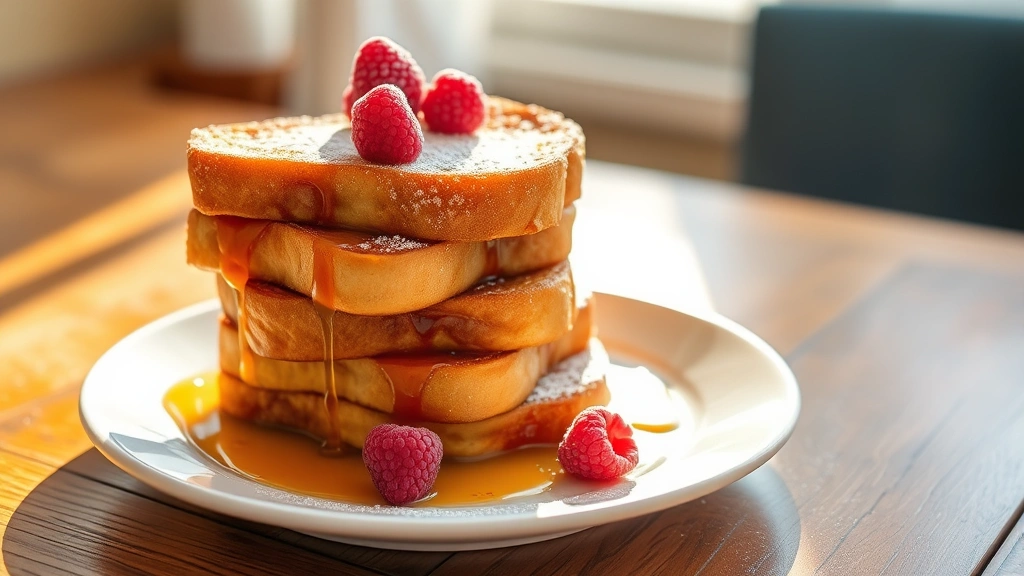
Fluffy Brioche French Toast? Grandma’s Secret
There’s something magical about biting into a slice of brioche French toast that’s golden on the outside and impossibly creamy on the inside. This isn’t just any French toast—it’s the kind that makes you close your eyes and wonder if you’ve died and gone to breakfast heaven. The secret? My grandmother’s decades-old technique that transforms ordinary brioche bread into something extraordinary through a simple but precise method that most home cooks overlook.
French toast seems deceptively simple: dip bread in egg mixture, cook it in butter, serve with syrup. But there’s a world of difference between soggy, heavy French toast and the fluffy, custardy masterpiece that emerges from understanding the science behind bread selection, custard composition, and cooking technique. My grandmother taught me that brioche French toast isn’t about following a recipe—it’s about respecting the ingredients and understanding how they transform during cooking.
In this guide, I’ll reveal the techniques that elevate brioche French toast from breakfast staple to showstopper. You’ll discover why brioche is the superior choice, how to prepare your custard for maximum fluffiness, and the exact cooking method that creates that signature golden crust while maintaining a tender, custardy interior.
Why Brioche Is the Ultimate Choice
Brioche bread stands apart from standard sandwich bread because of its rich composition. This French bread contains eggs, butter, and milk, giving it a naturally tender crumb structure and subtle sweetness. When you use brioche for French toast, you’re starting with an ingredient that’s already primed for custard absorption without becoming mushy.
The key difference lies in the gluten structure and fat content. Brioche’s high butter content creates a delicate crumb that absorbs the egg custard evenly while maintaining structural integrity. Regular white bread, by contrast, has less fat and more gluten development, making it prone to becoming dense and heavy when saturated with custard. Challah, another egg-rich bread, works beautifully too, but brioche’s subtle vanilla notes complement the sweet custard perfectly.
When selecting brioche, choose a loaf that’s a day or two old. Fresh brioche contains too much moisture and will fall apart during cooking. Day-old brioche has firmed up slightly, allowing it to soak up the custard without disintegrating. This is crucial to grandma’s method—she always bought her brioche the day before, letting it sit on the counter overnight to reach optimal moisture balance.
The thickness of your slice matters enormously. Aim for three-quarter to one-inch thick slices. Thinner slices cook too quickly and don’t develop the custardy interior, while thicker slices struggle to cook through before the exterior burns. A bread knife with a serrated edge helps you achieve uniform slices, which ensures even cooking across the batch.
Grandma’s Secret: The Custard Formula
Here’s where my grandmother’s technique diverges from typical recipes. Most French toast recipes use a simple ratio of one egg per slice, but grandma discovered that adding an extra egg yolk creates unmatched richness and fluffiness. The science is straightforward: egg yolks contain lecithin, a natural emulsifier that creates a smoother, silkier custard that coats the bread more evenly.
For every four slices of brioche, use three whole eggs plus one additional egg yolk. This combination provides enough protein to create structure while the extra yolk adds richness without making the custard heavy. Add one cup of whole milk (not reduced-fat—the fat content is essential), one teaspoon of vanilla extract, one-quarter teaspoon of salt, and one-half teaspoon of ground cinnamon.
The secret ingredient grandma swore by? A tablespoon of brandy or bourbon. This isn’t about getting tipsy—the alcohol cooks off completely. What remains is a subtle depth that elevates the flavor profile without tasting boozy. If you prefer to skip alcohol, substitute with an additional half-teaspoon of vanilla extract or a pinch of nutmeg.
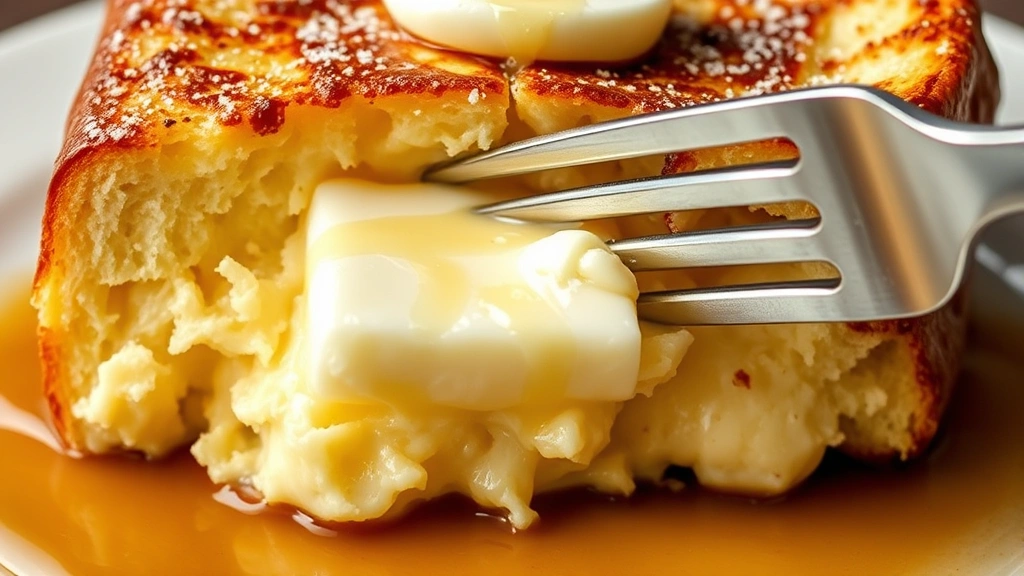
Mix the custard thoroughly but gently. Whisk until the yolks and whites are fully incorporated and the mixture is uniform in color. Don’t over-whisk—you want to avoid creating excess foam, which can make the French toast spongy rather than creamy. The custard should be silky and smooth, like liquid velvet.
Grandma’s pro tip: let the custard rest for five minutes after mixing. This allows the ingredients to fully incorporate and creates a more stable emulsion. She’d prepare the custard while the skillet preheated, ensuring everything was ready for the dipping and cooking process.
Preparation Steps for Success
Mise en place—having everything prepared before you begin—is non-negotiable in grandma’s kitchen. Gather your brioche slices, prepare your custard, and set up your cooking station with the skillet, a heat-safe plate for cooked French toast, and your toppings within arm’s reach.
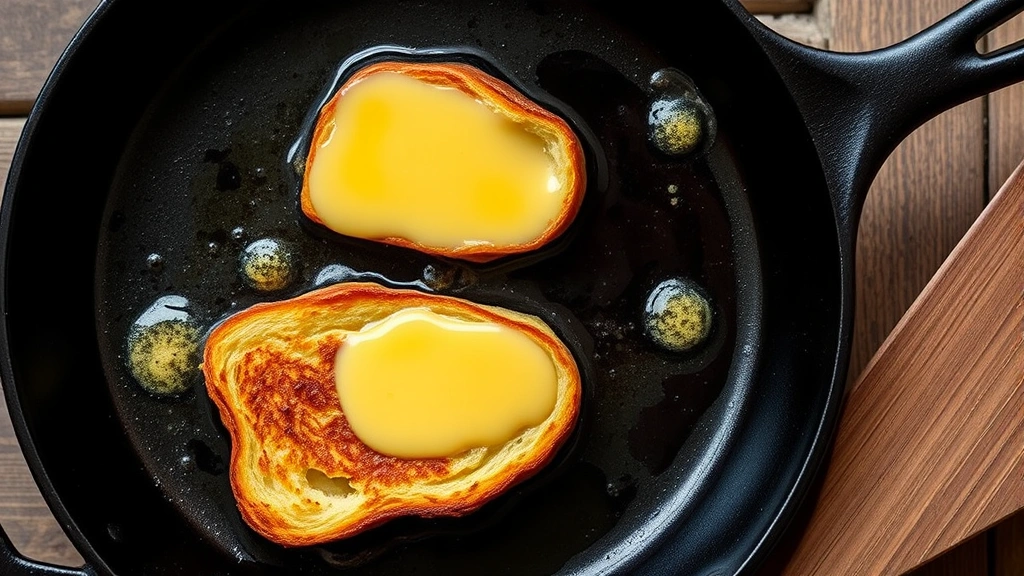
Heat your skillet over medium-high heat. Grandma always used a cast-iron skillet because it distributes heat evenly and maintains consistent temperature. If you don’t have cast iron, a stainless steel or non-stick pan works well. Avoid non-stick coatings if possible—they don’t develop the same golden crust. Allow the skillet to preheat for three to four minutes until a drop of water sizzles immediately upon contact.
Add one tablespoon of butter to the hot skillet and let it foam. This is the visual cue that your temperature is perfect. The butter should be bubbly and fragrant but not brown. If the butter turns brown immediately, your heat is too high—reduce it slightly. Brown butter burns easily and creates a bitter flavor that masks the delicate custard notes.
While the skillet preheats, begin dipping your brioche slices. The dipping technique is crucial and often overlooked. Don’t submerge the bread. Instead, quickly dip each slice into the custard for approximately one to two seconds per side. The bread should be saturated but not soaking. This balance prevents the interior from becoming custard-logged while ensuring enough coating for flavor and texture development.
Transfer dipped slices directly to the hot skillet. You should hear an immediate sizzle—this indicates the temperature is correct. If there’s no sizzle, your pan isn’t hot enough, and you’ll end up with pale, greasy French toast instead of golden-brown slices with crispy edges.
The Perfect Cooking Technique
This is where grandma’s method truly shines. Cook each slice for three to four minutes on the first side without moving it. Resist the urge to flip early or move the bread around. The undisturbed contact with the hot butter creates the Maillard reaction—the chemical process that produces that gorgeous golden-brown color and nutty flavor. Serious Eats’ French toast guide emphasizes this principle extensively.
When the first side is deeply golden brown, flip the slice carefully. Use a thin spatula to slide underneath and flip in one smooth motion. Cook the second side for two to three minutes. The second side cooks faster because the custard is already warm and the bread has absorbed the heat from the first side.
The internal temperature should reach approximately 160°F (71°C) to ensure the eggs are fully cooked. A quick-read thermometer inserted horizontally into a slice confirms doneness without cutting into your beautiful creation. Grandma never used a thermometer, but she knew from experience when the toast was perfect—the exterior would be golden and slightly crispy, while the interior would jiggle slightly when you gently shook the skillet.
Transfer cooked slices to a heat-safe plate and keep them warm in a 200°F oven while you cook the remaining batch. This prevents early slices from getting cold while you finish cooking. Grandma would stack them on a baking sheet lined with parchment paper, which prevented sticking while allowing heat circulation.
Between batches, wipe out your skillet with a paper towel to remove excess butter and custard residue. Add a fresh tablespoon of butter for each new batch. This prevents burnt bits from accumulating and ensures consistent results throughout.
Toppings and Serving Suggestions
The beauty of brioche French toast is that it stands magnificently on its own, but the right toppings elevate it further. Grandma’s favorite was simply warm maple syrup and a generous dusting of powdered sugar. The syrup’s sweetness complemented the custardy interior while the powdered sugar added visual elegance and a subtle texture contrast.
Fresh berries—blueberries, raspberries, strawberries—add brightness and tartness that balances the richness. Arrange them on top after the powdered sugar so they remain fresh and vibrant. Whipped cream dolloped on the side provides a cool contrast to the warm toast, and a drizzle of honey adds floral notes that complement the vanilla custard beautifully.
For a savory interpretation (yes, French toast can be savory!), omit the cinnamon and brandy from the custard and add a pinch of black pepper and fresh thyme instead. Top with crispy bacon, a fried egg, and a sprinkle of aged cheddar cheese. This approach works wonderfully for brunch entertaining and surprises guests who expect only sweet versions.
Nutella and sliced bananas create an indulgent variation that tastes like dessert for breakfast. Spread a thin layer of Nutella on each slice before serving, then top with banana slices and a dusting of cocoa powder. Almond butter with sliced peaches and a drizzle of honey offers a more sophisticated, health-conscious option.
Grandma also made a bourbon brown butter sauce that she’d drizzle over the finished toast. Melt two tablespoons of butter in a small saucepan over medium heat, add one tablespoon of bourbon, one-quarter teaspoon of vanilla extract, one tablespoon of brown sugar, and a pinch of sea salt. Simmer for two minutes until the sugar dissolves, then drizzle generously over warm slices. This sauce transforms basic French toast into restaurant-quality elegance.
For a healthier approach, consider pairing your brioche French toast with Greek yogurt and granola on the side rather than loading toppings on top. The creamy yogurt complements the custardy interior, while granola adds crunch. You can also explore foods rich in antioxidants like berries to boost nutritional value without compromising flavor.
Timing and Make-Ahead Strategies
One of the best-kept secrets about brioche French toast is that you can prepare components ahead, making it perfect for entertaining or busy mornings. Prepare the custard the night before and store it in an airtight container in the refrigerator. Give it a quick whisk before using—the ingredients may separate slightly during storage, but whisking re-emulsifies them immediately.
You can also slice and arrange your brioche on a plate the night before, covering it loosely with plastic wrap. This allows the slices to firm up slightly, which actually improves the final texture. Some home cooks even dip the slices in custard the night before, arranging them in a buttered baking dish and refrigerating overnight, then cooking them in the morning. This method works, though grandma preferred cooking immediately after dipping to maintain maximum fluffiness.
For entertaining, cook your French toast in batches and keep finished slices warm in a 200°F oven for up to fifteen minutes. Beyond that, they begin to dry out. If you’re cooking for a crowd, recruit a helper to manage the toppings and plating while you focus on the cooking process. This keeps everything moving smoothly and ensures everyone gets warm, fresh-cooked toast.
If you’re making this for a special occasion like Mother’s Day or an anniversary breakfast, prepare everything except the cooking the night before. This reduces morning stress and allows you to focus on the cooking technique, which directly impacts the final result. Grandma always said that rushed cooking produces rushed results.
Creative Variations and Flavor Combinations
Once you’ve mastered the basic technique, experimentation becomes fun. Grandma encouraged creativity while maintaining the core principles: quality brioche, proper custard composition, and precise cooking temperature.
Eggnog French toast transforms your Christmas breakfast into something magical. Substitute eggnog for the milk in the custard and add a pinch of nutmeg. The result is festive, rich, and deeply satisfying. This variation pairs beautifully with cranberry compote and toasted pecans.
Chai-spiced French toast brings warming spices to the forefront. Add one-quarter teaspoon of ground ginger, one-quarter teaspoon of cardamom, and one-eighth teaspoon of black pepper to your custard. Serve with honey and Greek yogurt for a sophisticated, health-conscious breakfast that tastes indulgent.
Stuffed brioche French toast takes the concept further. Slice your brioche thicker (one and one-quarter inches), then carefully cut a pocket horizontally into each slice without cutting all the way through. Stuff with mascarpone mixed with fresh berries, or Nutella and sliced almonds. Proceed with the custard dipping and cooking as normal. The filling heats through during cooking and creates delightful surprises with each bite.
Orange-scented French toast brings brightness and citrus notes. Add one tablespoon of fresh orange zest and one-quarter teaspoon of orange extract to your custard. Top with candied orange slices and a drizzle of honey. This variation works beautifully for spring brunches and pairs well with champagne.
If you enjoy cooking easy recipes with minimal ingredients, you’ll appreciate that French toast requires surprisingly few components. Yet those simple ingredients, when combined with proper technique, create something extraordinary.
Troubleshooting Common Issues
Soggy French toast usually results from over-dipping or using bread that’s too fresh. Remember: one to two seconds per side when dipping, and always use day-old brioche. If you’re still getting soggy results, reduce your dipping time to one second per side and serve immediately without keeping warm in the oven.
Pale, greasy French toast indicates insufficient pan temperature or too much butter. Ensure your skillet is properly preheated—a drop of water should sizzle immediately. Use one tablespoon of butter per batch, not more. If you’re adding too much butter, it creates a greasy environment that prevents proper browning.
Burnt exterior with undercooked interior means your heat is too high. Reduce to medium or medium-high and cook for longer on each side. The goal is steady browning over a slightly longer cooking time rather than aggressive browning that burns the outside before the inside cooks through.
Custard that’s too runny might indicate over-whisking, which creates excess foam. Whisk gently until combined, then let rest for five minutes before using. If your custard is still too thin, add an additional egg yolk for the next batch.
Nutritional Considerations
A typical serving of brioche French toast (two to three slices with toppings) contains approximately 400-500 calories, depending on toppings and cooking method. The custard provides protein from eggs and milk, while the brioche contributes carbohydrates for energy.
To reduce calories without sacrificing flavor, use low-fat milk instead of whole milk (though this does slightly impact the creamy interior), reduce the butter to half a tablespoon per slice, and skip sugary toppings in favor of fresh fruit and a light drizzle of honey. These adjustments can reduce calories to approximately 300 per serving.
For higher protein content, add an extra whole egg to your custard formula. This increases the protein content and creates an even fluffier texture. Serve with Greek yogurt instead of whipped cream for additional protein and a tangy contrast to the sweet toast.
Essential Equipment and Tools
A cast-iron skillet is the gold standard for French toast, but a stainless steel or quality non-stick pan works adequately. The key is even heat distribution and the ability to maintain consistent temperature throughout cooking.
A serrated bread knife is essential for slicing brioche without crushing the delicate crumb. A regular chef’s knife tends to compress the bread, creating uneven slices that cook inconsistently.
A shallow bowl or dish for the custard makes dipping easier and more controlled. A wide, shallow bowl allows you to dip slices quickly without splashing custard everywhere.
A thin, flexible spatula helps you slide under the French toast and flip it cleanly without breaking. Avoid thick, rigid spatulas that can tear the delicate bread.
A quick-read thermometer takes the guesswork out of doneness, ensuring the eggs reach safe temperatures throughout. This is particularly important if you’re cooking for young children, elderly guests, or immunocompromised individuals.
Storage and Reheating
Leftover brioche French toast stores in an airtight container in the refrigerator for up to three days. Reheat in a 350°F oven for about five minutes, which warms the interior without drying out the exterior. Avoid the microwave, which creates uneven heating and can make the bread rubbery.
You can also freeze cooked French toast for up to two months. Layer pieces with parchment paper in a freezer-safe container. Reheat directly from frozen in a 350°F oven for about ten minutes, or thaw overnight in the refrigerator and reheat for five minutes.
The custard itself doesn’t freeze well because the emulsion can break during freezing. Always make fresh custard for the best results.
FAQ
Can I use store-bought brioche?
Absolutely. Quality store-bought brioche works beautifully. Look for brioche that lists eggs and butter in the ingredient list—these indicate proper brioche composition. Avoid brioche that’s been sitting in plastic packaging for days; it contains too much moisture. Buy it the day before serving and let it sit on the counter overnight.
What if I don’t have brandy or bourbon?
Skip it entirely or substitute with an additional half-teaspoon of vanilla extract or a small pinch of nutmeg. The alcohol isn’t essential—it just adds subtle depth. Grandma sometimes used a splash of rum or even almond extract, depending on what she had available.
Can I make this dairy-free?
Yes, though the texture will differ slightly. Substitute whole milk with full-fat coconut milk or oat milk. Use vegan eggs or a flax egg (one tablespoon ground flaxseed mixed with three tablespoons water per egg) as a binder. The result won’t be quite as creamy, but it’s still delicious and satisfying.
Why is my French toast heavy and dense?
This typically results from over-dipping, using fresh brioche, or cooking at too low a temperature. Ensure you’re using day-old brioche, dipping for only one to two seconds per side, and cooking over medium-high heat with proper butter foaming.
Can I prepare the custard-dipped slices ahead?
Yes, though the texture will be slightly less fluffy. Arrange dipped slices in a buttered baking dish, cover with plastic wrap, and refrigerate overnight. Cook the next morning in a skillet as directed. Some cooks prefer baking these in a 375°F oven for about fifteen minutes, though stovetop cooking produces superior crust development.
What’s the best maple syrup to use?
Pure maple syrup is always preferable to corn syrup-based imitations. Grade A light amber offers delicate flavor that doesn’t overpower the custard, while Grade B dark amber provides deeper, more robust maple notes. Warm the syrup gently before serving—cold syrup on warm French toast creates temperature contrast that masks flavors.
Can I make this recipe with challah instead of brioche?
Absolutely. Challah has similar egg and fat content to brioche, making it an excellent substitute. The flavor profile is slightly different—challah is less sweet and more neutral—but the cooking technique remains identical. Use day-old challah and follow all other instructions precisely.
How do I know when the French toast is done cooking?
The exterior should be deep golden brown with slightly crispy edges. The interior should feel slightly jiggly when the skillet is gently shaken, indicating the custardy texture. A quick-read thermometer inserted horizontally should read 160°F (71°C). When in doubt, cook slightly longer—overcooked French toast is still delicious, but undercooked custard with raw eggs is unsafe.


