
Hearty Cabbage Sausage Recipe: Grandma’s Secret Comfort Dish
There’s something magical about the dishes our grandmothers made that we can never quite replicate—until we finally get the recipe. This hearty cabbage sausage recipe is one of those timeless comfort meals that has graced family dinner tables for generations. It’s the kind of dish that fills your kitchen with incredible aromas and brings everyone to the table without needing to be asked twice. The combination of tender cabbage, savory sausage, and aromatic vegetables creates a symphony of flavors that’s both humble and deeply satisfying.
What makes grandma’s version so special isn’t just the ingredients—it’s the technique and the love that goes into every step. This recipe has been passed down through families, adapted slightly here and there, but always maintaining its core appeal: it’s easy to make, requires minimal ingredients, and delivers maximum comfort in every bite. Whether you’re cooking for a weeknight dinner or preparing a meal to share with loved ones, this cabbage sausage dish never fails to impress.
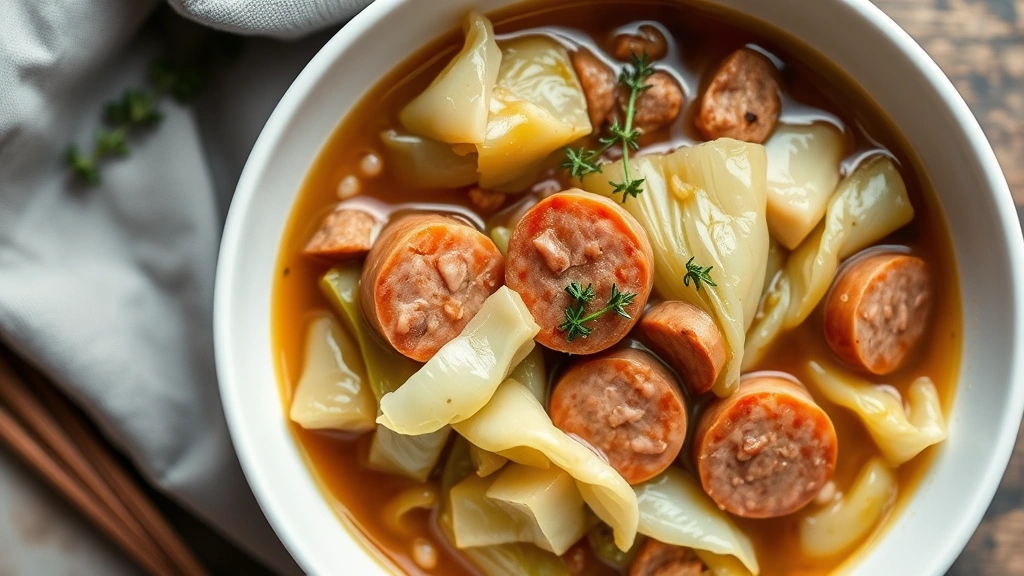
Ingredients You’ll Need
The beauty of this recipe lies in its simplicity. You don’t need obscure ingredients or specialty items—just quality basics that most home cooks already have on hand. Here’s what grandma used:
- 1 pound Italian sausage (sweet or hot, depending on preference)
- 1 medium head of green cabbage (about 2 pounds), chopped into bite-sized pieces
- 1 large onion, diced
- 4 cloves garlic, minced
- 2 cups beef broth or chicken broth
- 1 can diced tomatoes (14.5 ounces, undrained)
- 2 tablespoons tomato paste
- 2 tablespoons olive oil
- 1 teaspoon caraway seeds (optional but traditional)
- Salt and pepper to taste
- 1 teaspoon paprika
- ½ teaspoon dried thyme
These ingredients work together to create a deeply flavorful dish that tastes like it’s been simmering all day, even though it comes together in under an hour. The pork sausage recipes category offers excellent alternatives if you want to experiment with different sausage varieties.
Preparation and Setup
Before you start cooking, proper preparation is key to success. This is where grandma’s wisdom really shines through—she knew that mise en place (having everything prepped and ready) made the cooking process smooth and enjoyable.
Preparing the cabbage: Remove the outer leaves and discard any damaged portions. Slice the cabbage in half, remove the core, and chop the cabbage into uniform bite-sized pieces (about 1-2 inches). Try to keep the pieces relatively consistent so they cook evenly. Wash the cabbage thoroughly and set aside in a colander to drain.
Preparing the aromatics: Dice your onion into medium pieces, mince your garlic finely, and have it all ready before you begin cooking. This is important because once you start cooking the sausage, things move quickly.
Measuring liquids and seasonings: Pour your broth into a measuring cup, open your canned tomatoes, and mix your tomato paste with a small amount of broth to make it easier to incorporate. Measure out your spices into small bowls so you can add them without hesitation.
Step-by-Step Cooking Method
Step 1: Brown the sausage
Heat the olive oil in a large Dutch oven or heavy-bottomed pot over medium-high heat. While the oil heats, remove the sausage from its casing if using link sausage. Once the oil is shimmering, add the sausage and cook for 5-7 minutes, breaking it apart with a wooden spoon as it cooks. You want to achieve a nice brown color on most of the meat—this develops flavor through the Maillard reaction. Don’t skip this step; it’s essential for building the depth of flavor that makes this dish special.
Step 2: Sauté the aromatics
Once the sausage is browned, add the diced onion to the pot. Cook for about 3-4 minutes, stirring occasionally, until the onion becomes translucent and softens. Then add your minced garlic and cook for another minute until fragrant. This combination of sausage, onion, and garlic is the aromatic foundation of the entire dish.
Step 3: Add the cabbage
Now add the chopped cabbage to the pot. It will seem like a lot—the pot will be quite full—but don’t worry. The cabbage will wilt significantly as it cooks. Stir well to combine everything, and let it cook for about 5 minutes, stirring occasionally. This allows the cabbage to begin releasing its moisture and start breaking down.
Step 4: Build the braising liquid
Add the tomato paste mixture first, stirring to incorporate it throughout the pot. Then add the diced tomatoes with their juice and the beef broth. Add the paprika, caraway seeds (if using), thyme, and a good pinch of salt and pepper. Stir everything together thoroughly, making sure to scrape up any browned bits from the bottom of the pot—these are liquid gold for flavor.
Step 5: Simmer low and slow
Bring the mixture to a gentle boil, then reduce the heat to low. Cover the pot with a lid and let it simmer for 25-30 minutes. The cabbage should become tender but not mushy, and the flavors should meld together beautifully. Stir occasionally to ensure even cooking. Grandma always said the secret was patience—giving the dish time to develop its full flavor potential.
Step 6: Taste and adjust
After 25 minutes, taste the dish. Add more salt and pepper as needed. If you prefer a thicker consistency, you can simmer uncovered for the last 5-10 minutes to allow some liquid to evaporate. If you like it brothier, add a bit more broth. This is your opportunity to make the dish exactly how you like it.
Pro Tips and Tricks
Sausage selection matters: Use quality sausage from a local butcher if possible. The difference between grocery store sausage and butcher-shop sausage is noticeable. For a milder dish, use sweet Italian sausage; for more heat and flavor, choose hot Italian sausage. You can also use different pork sausage options to customize the dish.
Don’t skip browning the sausage: This crucial step develops complex flavors that can’t be achieved any other way. The brown crust on the sausage contains compounds that make the entire dish taste richer and more satisfying.
Cabbage quality: Choose a cabbage that feels heavy for its size, which indicates good water content. Avoid cabbages with brown spots or soft areas. Fresh, quality cabbage makes a noticeable difference in the final dish.
Caraway seeds are optional but traditional: If you’ve never had caraway seeds, they provide an earthy, slightly sweet note that’s very traditional in European cabbage dishes. Start with the smaller amount and adjust to your taste preferences.
Make it in a slow cooker: You can adapt this recipe for a slow cooker by browning the sausage and sautéing the aromatics in a skillet first, then transferring everything to a slow cooker with the cabbage and liquids. Cook on low for 4-5 hours. This method is perfect for meal prep.
Batch cooking: This recipe doubles beautifully, making it perfect for batch cooking. Prepare a double batch, freeze half, and you’ll have an easy dinner ready whenever you need it.
Delicious Variations
Kielbasa and Cabbage: Substitute the Italian sausage with smoked kielbasa for a completely different flavor profile. Cut the kielbasa into coins and follow the same method. This variation is particularly popular in Polish and German households.
Red Cabbage Version: Use red cabbage instead of green for a beautiful presentation and slightly different flavor. Red cabbage has a bit more earthiness and pairs wonderfully with the sausage. The broth may take on a reddish hue, which looks stunning.
With Potatoes: Add diced potatoes along with the cabbage for a heartier, more filling meal. Use about 2 cups of cubed potatoes and increase the cooking time to 35-40 minutes to ensure the potatoes are tender.
Beer Braised Version: Replace 1 cup of the broth with a dark beer for a more complex, slightly sweet flavor. German lager or Irish stout work particularly well.
Creamy Finish: Stir in ½ cup of sour cream or heavy cream at the end of cooking for a creamy variation. This transforms the dish into something rich and indulgent, perfect for special occasions.
One-Pot Meal: Consider pairing this with hash brown casserole recipes or crockpot chili recipes for complete meal inspiration across different cooking methods.
Serving Suggestions
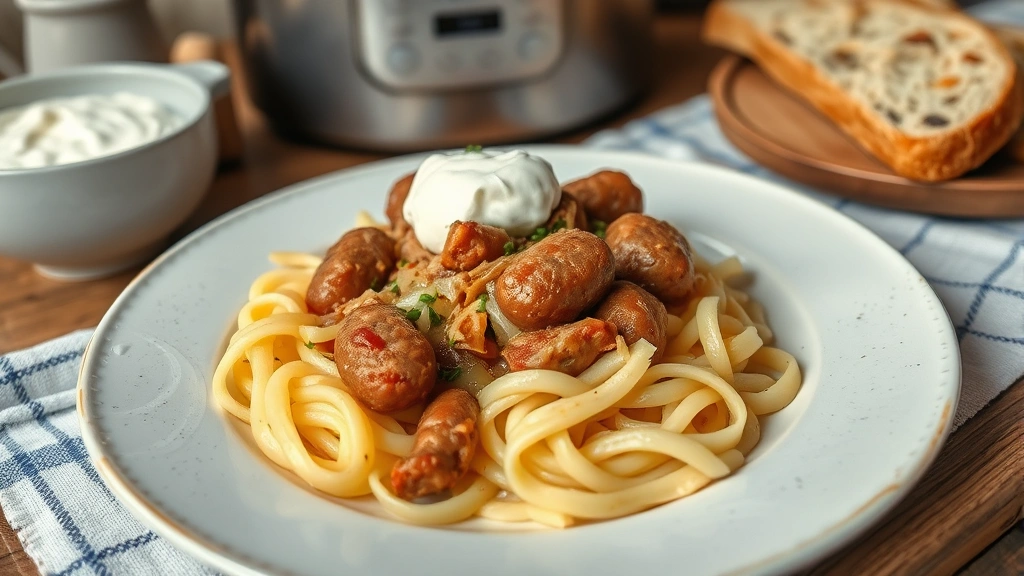
This cabbage sausage dish is wonderfully versatile and pairs well with numerous sides and accompaniments. Serve it over egg noodles or pasta for a comforting, complete meal. The broth soaks into the noodles beautifully, creating an incredibly satisfying dish. Grandma always served hers over wide egg noodles, which held the sauce perfectly.
Crusty bread is essential for soaking up every last bit of the delicious broth. A thick slice of German rye bread or a crusty sourdough would be perfect. Your guests will thank you for providing bread to complete the experience.
Fresh salad provides a nice contrast to the warm, hearty nature of the dish. A simple coleslaw recipe works beautifully, as does a crisp green salad dressed with a light vinaigrette. The acidity helps cut through the richness of the sausage.
Sour cream dollop: Serve with a dollop of sour cream on the side. Guests can add as much as they like, and it adds a wonderful creamy element that complements the dish perfectly.
Pickled vegetables: Serve with pickled cucumbers, pickled onions, or other pickled vegetables on the side. The acidity and crunch provide a nice textural contrast.
Beverage pairing: This dish pairs wonderfully with German beers, particularly lagers or wheat beers. If you prefer non-alcoholic options, a crisp apple cider or sparkling water with lemon works nicely.
Storage and Make-Ahead
Refrigerator storage: Store leftovers in an airtight container in the refrigerator for up to 4 days. The flavors actually improve after a day or two as everything continues to meld together. Simply reheat gently on the stovetop, adding a splash of broth if the mixture seems dry.
Freezer storage: This dish freezes beautifully for up to 3 months. Cool completely, then transfer to freezer-safe containers or heavy-duty freezer bags. When you’re ready to eat it, thaw overnight in the refrigerator and reheat gently on the stovetop or in the microwave.
Make-ahead strategy: You can prepare this dish up to step 4 the night before, then cover and refrigerate. The next day, simply bring it to a simmer and complete step 5 as directed. This makes it perfect for busy weeknights.
Portion control: This recipe makes approximately 6-8 servings depending on portion size. It’s perfect for families and also makes excellent leftovers that taste even better the next day.
FAQ
Can I use ground beef instead of sausage?
While you can substitute ground beef, the dish won’t have quite the same flavor. Sausage contains seasonings and fat that contribute to the dish’s character. If you must use ground beef, brown it well and add extra seasonings like fennel seeds and a pinch of sage to approximate the sausage flavor.
Is caraway seed necessary?
No, it’s optional. Caraway seeds provide a traditional European flavor, but if you don’t enjoy their taste, simply omit them. The dish is delicious without them, though it will taste slightly different than grandma’s original recipe.
How do I know when the cabbage is done?
The cabbage should be tender enough to cut easily with a spoon but still hold its shape. It should not be mushy or falling apart. If you prefer softer cabbage, simmer a few minutes longer; for firmer cabbage, reduce the cooking time slightly.
Can this be made in an Instant Pot?
Yes! Use the sauté function to brown the sausage and vegetables, then add the cabbage and liquids. Cook on high pressure for 8 minutes, then quick release. This method is much faster than stovetop cooking. For more pressure cooker inspiration, check out Instant Pot recipes.
What if my dish turns out too watery?
Simmer uncovered for 10-15 minutes to allow excess liquid to evaporate. Alternatively, mix 1 tablespoon cornstarch with 2 tablespoons cold water to create a slurry, then stir it into the simmering dish. The liquid should thicken within a few minutes.
Can I make this vegetarian?
You can substitute the sausage with vegetarian sausage or hearty mushrooms like cremini or portobello. Use vegetable broth instead of beef broth. The dish will be different but still delicious. Add extra seasonings to compensate for the lost savory depth from the sausage.
How spicy is this dish?
This recipe is mild to medium, depending on your sausage choice. Using sweet Italian sausage keeps it mild; hot Italian sausage makes it spicier. You can add red pepper flakes to the pot if you prefer more heat.
What’s the best way to reheat leftovers?
Reheat gently on the stovetop over medium-low heat, stirring occasionally and adding a splash of broth if needed. Avoid high heat, which can cause the sausage to become tough. Microwave reheating works but may result in slightly uneven heating.


