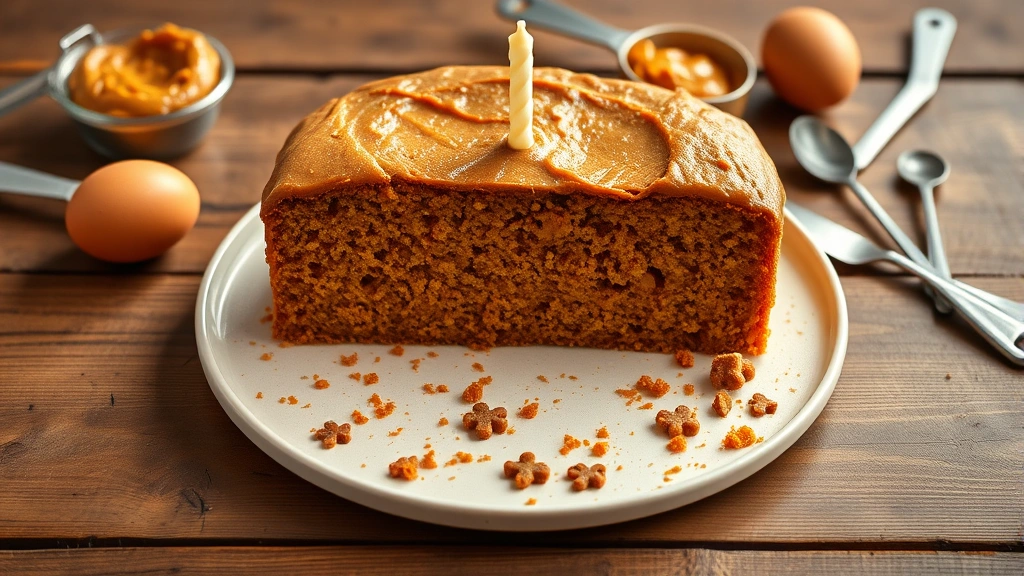
Dog Birthday Cake Delight: A Vet-Approved Canine Birthday Cake Recipe
Celebrating your furry best friend’s birthday is one of the most delightful moments of pet parenthood. While you might be tempted to share your own birthday cake with your beloved dog, the reality is that traditional human desserts can be harmful to canine health. The good news? Creating a delicious, healthy dessert specifically designed for your pup is easier than you might think. This vet-approved canine birthday cake recipe combines wholesome ingredients that dogs genuinely love while keeping their nutritional needs front and center.
Dogs have different dietary requirements than humans, and their taste preferences lean toward savory and protein-rich foods rather than sugary treats. This canine birthday cake recipe respects those natural preferences while still creating a special occasion dessert that makes your dog feel celebrated. By using dog-safe ingredients like pumpkin, peanut butter, eggs, and whole wheat flour, you’re crafting a treat that’s both delicious and nutritionally sound. Your veterinarian will appreciate your thoughtfulness in choosing ingredients that support your dog’s health rather than compromise it.
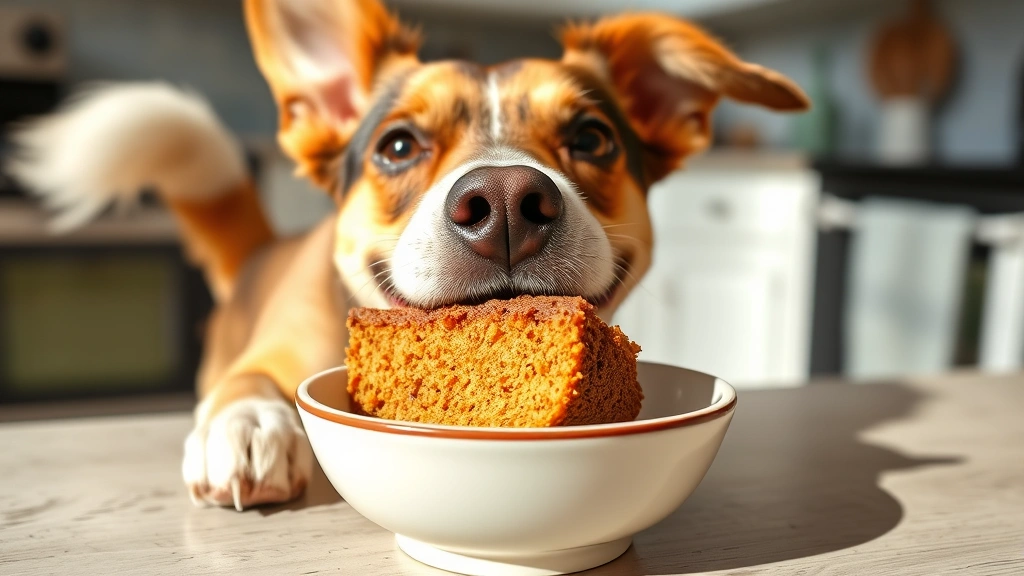
Why Your Dog Deserves a Special Birthday Cake
Your dog is more than a pet—they’re a family member who brings joy, companionship, and unconditional love into your home every single day. Celebrating their birthday with a specially prepared treat shows them how much you value your bond. Unlike generic store-bought dog treats that may contain artificial ingredients and excessive sodium, a homemade canine birthday cake lets you control every component, ensuring your pup receives only the best.
Creating a birthday cake for your dog also provides an excellent opportunity to practice portion control and mindful treat-giving. Many dog owners struggle with maintaining their pet’s healthy weight, and homemade treats allow you to know exactly how many calories your dog is consuming. This transparency is crucial for preventing obesity-related health issues that plague many dogs today. When you bake this cake yourself, you’re making a health-conscious choice that your veterinarian will support.
Beyond the nutritional benefits, the act of preparing a special cake demonstrates to your dog that they’re cherished. Dogs are remarkably perceptive animals who pick up on our emotional energy and intentions. When you spend time creating something special for them, they sense that love and affection, making the experience even more meaningful than the treat itself.
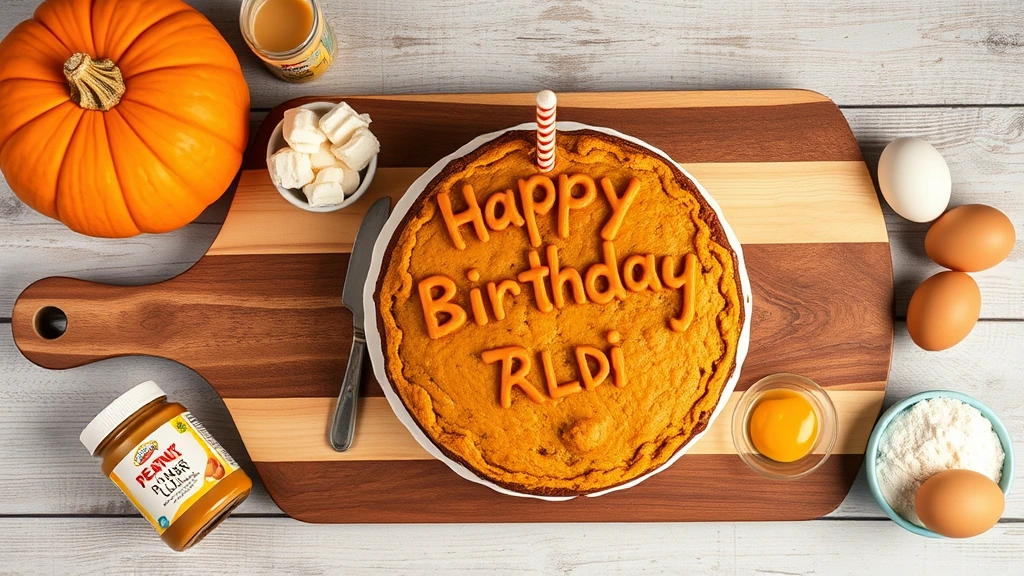
Understanding Dog-Safe Ingredients
Before diving into the recipe, it’s essential to understand why each ingredient matters and how it contributes to both the taste and nutritional profile of your canine birthday cake. This knowledge helps you make informed substitutions if needed and ensures you’re never accidentally including something harmful to your dog.
Pumpkin puree forms the foundation of this recipe. Unlike pumpkin pie filling (which contains sugar and spices), pure pumpkin puree is rich in fiber and beta-carotene. It supports digestive health and adds natural sweetness that dogs enjoy. Pumpkin also has a lovely golden color that makes the cake visually appealing for photos you’ll want to share with fellow dog lovers.
Peanut butter is a beloved flavor for most dogs, but you must choose carefully. Select natural, unsalted peanut butter without xylitol, an artificial sweetener that’s toxic to dogs. Peanut butter provides protein and healthy fats that support your dog’s coat and skin health. The rich, savory flavor makes this cake genuinely appetizing to your pup, unlike many dog treats that rely on artificial flavoring.
Whole wheat flour offers better nutritional value than all-purpose flour. It contains more fiber and nutrients, making it a superior choice for your dog’s digestive system. If your dog has grain sensitivities, you can substitute with oat flour or chickpea flour, both of which are dog-safe alternatives that work beautifully in this recipe.
Eggs are nutritional powerhouses for dogs. They provide high-quality protein, choline for brain health, and selenium for immune function. Eggs also act as a binding agent, giving your cake the proper texture. Always use eggs from trusted sources to ensure food safety for both you and your dog.
Honey (in small amounts) adds subtle sweetness without refined sugar. Raw honey also contains enzymes and antioxidants, though these are diminished during baking. Use honey sparingly—just enough to enhance the flavor without making the cake excessively sweet.
Understanding these ingredients helps you appreciate why this recipe works so well. Each component serves a purpose beyond just taste, contributing to your dog’s overall health and wellbeing. This is why this canine birthday cake recipe stands apart from many generic dog treat recipes found online.
Step-by-Step Recipe Instructions
Ingredients:
- 1 cup pure pumpkin puree
- ½ cup natural peanut butter (xylitol-free)
- 2 large eggs
- 1 cup whole wheat flour
- ½ cup rolled oats
- 1 tablespoon honey
- ½ teaspoon cinnamon (optional, vet-approved)
- ¼ teaspoon baking powder
- Water as needed for consistency
Instructions:
- Preheat your oven to 350°F (175°C). Grease a 6-inch round cake pan with coconut oil or use parchment paper. A smaller pan creates a more appropriately-sized portion for most dogs. If you have a larger dog, you can use an 8-inch pan and adjust baking time accordingly.
- Combine wet ingredients in a large mixing bowl. Add the pumpkin puree, peanut butter, and eggs. Mix thoroughly until you achieve a smooth, consistent batter. The peanut butter should be fully incorporated with no visible lumps. This typically takes about two minutes of mixing with an electric mixer on medium speed.
- Add the honey and stir well. The honey dissolves more easily into warm ingredients, so if your peanut butter and pumpkin are room temperature, the honey will incorporate smoothly. This step ensures even distribution of sweetness throughout the cake.
- In a separate bowl, combine your dry ingredients: whole wheat flour, rolled oats, cinnamon (if using), and baking powder. Whisk together to ensure even distribution of the leavening agent. This prevents pockets of baking powder from creating bitter spots in your finished cake.
- Fold the dry ingredients into the wet mixture. Use a spatula or wooden spoon to gently combine until just mixed. Overmixing develops gluten unnecessarily, which can make the cake tough. A few small lumps of flour are perfectly fine—they’ll disappear during baking.
- Assess the consistency. The batter should resemble thick brownie batter, not pancake batter. If it seems too dry, add water one tablespoon at a time. If it’s too wet, add a bit more flour. The right consistency is crucial for proper cake texture.
- Pour into your prepared pan and smooth the top with a spatula. The batter should fill the pan about three-quarters full. This allows room for the cake to rise without overflowing.
- Bake for 25-30 minutes until a toothpick inserted in the center comes out clean. The exact time depends on your oven’s characteristics and the thickness of your cake. Start checking at 25 minutes to avoid overbaking.
- Remove from the oven and allow to cool completely in the pan for at least 15 minutes. This cooling period is crucial—attempting to remove a warm cake risks it falling apart. Complete cooling also ensures the cake is safe to serve to your dog.
- Turn out onto a cooling rack (or plate) and allow to cool to room temperature before serving. Never serve warm food to dogs, as it can cause mouth burns and digestive upset.
This straightforward process takes about 45 minutes from start to finish, including baking time. The simplicity of the method means you can easily repeat it for your dog’s birthday celebration year after year.
Professional Baking Tips for Success
Even experienced bakers sometimes encounter challenges when adapting recipes for different purposes. These professional tips help ensure your canine birthday cake turns out perfectly every time.
Temperature matters more than most home bakers realize. Ensure all your ingredients are at room temperature before mixing. Cold eggs and peanut butter don’t incorporate as smoothly, which can result in an uneven crumb structure. Room temperature ingredients also mix more evenly, creating a consistent cake throughout.
Oven calibration is crucial. Many home ovens run hot or cold, which affects baking time significantly. If your first cake seems slightly underdone, add a few minutes next time. Conversely, if the edges brown too quickly while the center remains moist, lower your oven temperature by 25°F and extend the baking time. Keeping notes helps you perfect your technique.
Use quality ingredients whenever possible. Natural peanut butter tastes noticeably better than heavily processed varieties, and your dog will appreciate the difference. Fresh eggs from reliable sources ensure both food safety and superior binding properties. When you invest in quality ingredients, the final product reflects that care.
Don’t skip the cooling step. Warm cakes are fragile and difficult to serve. Plus, serving warm food to dogs can cause digestive discomfort. Patience in cooling ensures a better eating experience for your pup and a more stable cake structure for storage.
Consider your dog’s size when determining portion sizes. A 10-pound dog should receive much smaller slices than a 70-pound dog. A good rule of thumb is that treats should comprise no more than 10% of your dog’s daily caloric intake. If you’re unsure about appropriate portions, consult your veterinarian.
Storage and Serving Guidelines
Proper storage ensures your canine birthday cake stays fresh and safe for your dog to enjoy. Unlike human cakes that might sit at room temperature for days, dog cakes require more careful handling.
Refrigerator storage is ideal for short-term keeping. Place your cooled cake in an airtight container and refrigerate for up to five days. This timeframe ensures freshness while maintaining nutritional integrity. The cool temperature also makes the cake firmer, which can be easier for some dogs to eat, particularly senior dogs with fewer teeth.
Freezer storage extends the life of your cake significantly. Wrap the cooled cake tightly in plastic wrap, then place in a freezer-safe container. Properly stored, it keeps for up to three months. This is perfect if you want to bake several cakes during a convenient time and portion them out over several months for special occasions.
Thawing instructions matter for food safety. Never thaw at room temperature, as this allows bacterial growth. Instead, move your frozen cake to the refrigerator and allow it to thaw overnight. This slow thawing preserves the cake’s texture and ensures safe consumption.
Serving suggestions enhance the birthday celebration experience. You might serve a slice alongside your dog’s regular meal, making it feel extra special. Some owners freeze small portions in ice cube trays to create refreshing treats on hot days. Others crumble the cake and mix it with your dog’s kibble for added excitement.
Portion control prevents overfeeding. Cut the cake into appropriate-sized pieces based on your dog’s weight. A small dog might enjoy a one-inch cube, while a large dog could have a two-inch square. Remember that this is a treat, not a meal replacement, so keep portions modest.
Flavor Variations Your Dog Will Love
Once you’ve mastered the basic canine birthday cake recipe, you can experiment with variations to keep birthday celebrations fresh and exciting. These variations maintain the nutritional integrity and dog-safety standards of the original recipe.
Apple and carrot version replaces half the pumpkin with unsweetened applesauce and adds finely grated carrot. Dogs love the subtle sweetness of apples, and carrots add crunch and extra nutrients. This variation is slightly less dense than the original and appeals to dogs who might prefer lighter textures.
Banana and peanut butter version uses mashed banana instead of pumpkin. Bananas are rich in potassium and provide natural sweetness. This version appeals particularly to dogs who might find pumpkin too earthy. Use ripe bananas for maximum sweetness and easier mashing.
Sweet potato option substitutes sweet potato puree for regular pumpkin. Sweet potatoes offer similar nutritional benefits but with a slightly different flavor profile that some dogs prefer. They’re equally fiber-rich and support digestive health beautifully.
Blueberry boost adds a handful of fresh, mashed blueberries to the basic recipe. Blueberries are antioxidant powerhouses and add a lovely purple hue to the cake. This variation is perfect for celebrating with a dog who loves berry flavors.
Beef broth enhancement replaces some water with low-sodium beef broth, creating a more savory profile. Some dogs prefer savory to sweet, and this variation caters to those preferences while maintaining the cake structure and baking properties.
Each variation maintains the fundamental baking principles and dog-safe ingredient requirements. Feel free to experiment, but always introduce new ingredients gradually and monitor your dog for any digestive upset.
Frequently Asked Questions
Is this cake safe for all dogs?
This recipe is safe for most healthy adult dogs. However, dogs with specific health conditions should have the recipe reviewed by their veterinarian. Dogs with pancreatitis, diabetes, or severe food allergies may need modifications. Always consult your vet before introducing new foods to your dog’s diet, especially if your dog has existing health concerns.
Can I use regular peanut butter?
You can use regular peanut butter if it’s unsalted and xylitol-free, but natural peanut butter is preferable because it contains no added sugars or artificial ingredients. Check labels carefully—xylitol is sometimes hidden in “natural” peanut butters. If the label doesn’t explicitly state xylitol-free, choose a different brand.
What if my dog has grain allergies?
Substitute whole wheat flour with oat flour, coconut flour, or chickpea flour in equal amounts. Each creates a slightly different texture, but all work beautifully in this recipe. Oat flour produces the most similar result to wheat flour, while coconut flour creates a denser cake. Experiment to find your dog’s preference.
How much cake should my dog eat?
Treats should comprise no more than 10% of your dog’s daily caloric intake. A typical slice of this cake contains approximately 60-80 calories, so a 50-pound dog could safely enjoy one slice. Smaller dogs should receive proportionally smaller portions. When in doubt, ask your veterinarian for personalized portion recommendations.
Can I add frosting to this cake?
Traditional frosting is too high in sugar and fat for dogs. However, you can create a dog-safe frosting by mixing plain Greek yogurt with a small amount of peanut butter. This provides a creamy topping without excessive calories or ingredients harmful to dogs. Apply sparingly, as frosting is still a treat on top of a treat.
Is honey safe for dogs?
Yes, honey is safe for most dogs in small quantities. However, it should never be given to puppies under one year old due to botulism risk. The small amount in this recipe (one tablespoon for an entire cake) is safe for adult dogs. Never give raw honey to young puppies.
Can I make this recipe without eggs?
Eggs serve as a critical binder in this recipe. If you need an egg-free version, try using applesauce or mashed banana as a substitute (use the same amount as eggs). The texture may be slightly different, but the cake should still hold together. You might need to add a touch more flour if the batter seems too wet after substitution.
How do I know when the cake is fully baked?
The toothpick test is your best indicator. Insert a toothpick into the center—it should come out clean or with just a few moist crumbs, not wet batter. The cake should also pull slightly away from the sides of the pan. If you’re uncertain, it’s better to bake a few minutes longer than to underbake, as undercooked cake can cause digestive upset.
Can I make mini cupcake versions?
Absolutely! Pour batter into a lined muffin tin and reduce baking time to 12-15 minutes. Mini cupcakes are perfect for portion control and create adorable individual servings. They also freeze exceptionally well, allowing you to have ready-made birthday treats on hand year-round.
What if my dog doesn’t like the taste?
Most dogs love this cake, but individual preferences vary. If your dog seems uninterested, try one of the flavor variations. Some dogs prefer the apple-carrot version or the banana variation. You might also try crumbling the cake and mixing it with their regular food to boost appeal. If your dog consistently refuses it, simply enjoy the cake yourself—you can eat it too!


