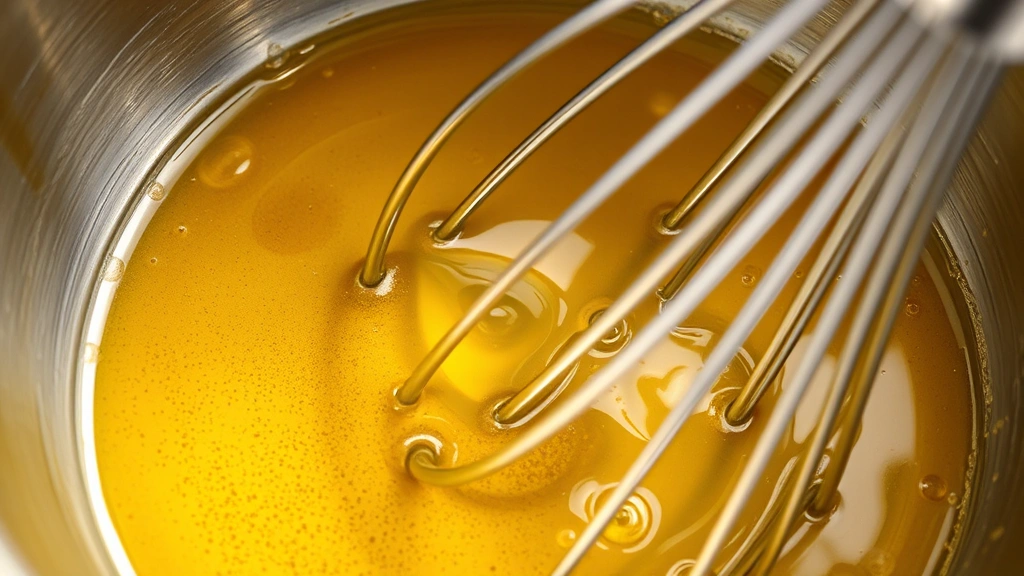
Champagne Vinaigrette Recipe: Chef’s Favorite Elegant Dressing
There’s something undeniably sophisticated about champagne vinaigrette that transforms even the simplest salad into a restaurant-quality dish. This elegant dressing, beloved by professional chefs and home cooks alike, brings a delicate balance of acidity, subtle sweetness, and refined flavor that elevates any plate. Whether you’re preparing a composed salad for a dinner party or drizzling this luxurious vinaigrette over fresh greens on a Tuesday evening, you’ll understand why this recipe has become a staple in fine dining establishments worldwide.
The beauty of making your own champagne vinaigrette lies in its simplicity and versatility. Unlike store-bought versions laden with preservatives and stabilizers, homemade champagne vinaigrette allows you to control every element—the quality of the champagne vinegar, the type of oil, and the balance of seasonings. Once you master this fundamental technique, you’ll discover endless applications for this sophisticated condiment across your culinary repertoire.
What Makes Champagne Vinaigrette Special
Champagne vinaigrette stands apart from other vinaigrettes because of its origin and flavor profile. Unlike red wine vinegar or balsamic vinegar, champagne vinegar comes from the prestigious Champagne region of France, where specific regulations govern its production. The vinegar develops from champagne that has been aged and fermented, resulting in a delicate, subtle acidity with only 5-7% acetic acid content—significantly lower than standard vinegars.
This lower acidity level means champagne vinaigrette won’t overpower delicate greens or fish dishes. Instead, it whispers rather than shouts, adding complexity without aggression. The flavor profile carries faint notes of apple and pear, with a slight mineral quality that reflects its terroir. Professional chefs favor this vinaigrette for composed salads, seafood preparations, and vegetable dishes where nuance matters more than boldness.
The emulsification process in champagne vinaigrette differs slightly from heavier dressings. Because champagne vinegar is gentler, achieving proper emulsion requires attention to technique and ingredient ratios. The standard ratio used by culinary professionals is 1 part vinegar to 3 parts oil, though personal preference and application may warrant adjustment. This ratio creates a balanced dressing that coats greens beautifully without overwhelming them.
Essential Ingredients for the Perfect Recipe
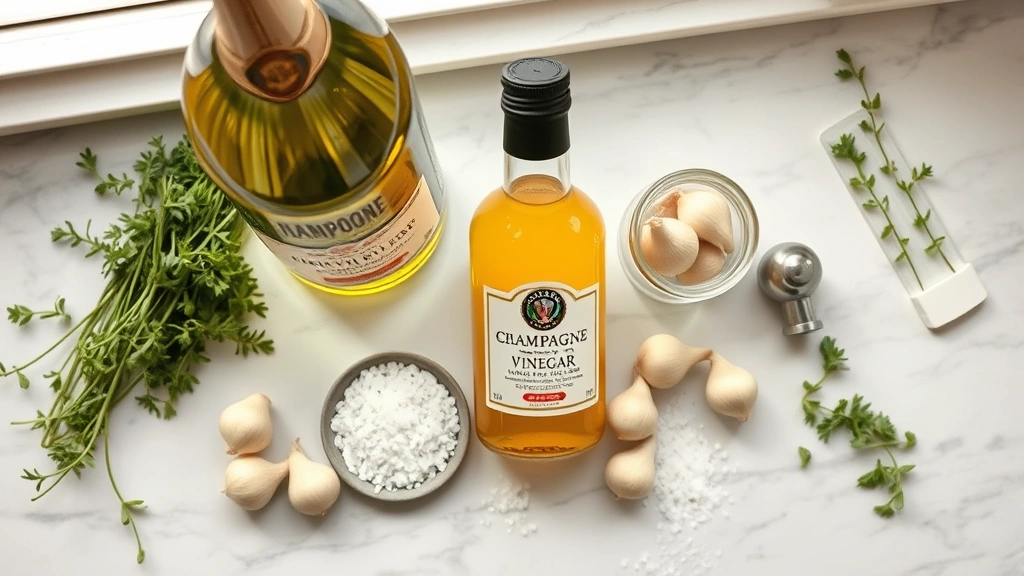
Champagne Vinegar: This is non-negotiable for an authentic champagne vinaigrette recipe. Real champagne vinegar from France will provide the subtle flavor profile that defines this dressing. Look for bottles labeled “Vinaigre de Champagne” to ensure authenticity. Quality matters here—don’t substitute with white wine vinegar, which lacks the refined complexity you’re seeking.
Extra Virgin Olive Oil: The oil you choose dramatically impacts the final result. High-quality extra virgin olive oil contributes fruity, peppery, or grassy notes that complement champagne vinegar’s delicacy. Some chefs prefer a neutral grapeseed oil or avocado oil if they want the vinegar to shine without competition. The oil should be fresh and stored in a cool, dark place to prevent oxidation.
Dijon Mustard: A small amount of Dijon mustard serves as an emulsifier, helping oil and vinegar combine into a cohesive dressing. The mustard also adds subtle flavor and slight spiciness that balances the vinegar’s acidity. Use authentic French Dijon mustard for best results—it contains less water than American varieties and emulsifies more effectively.
Shallots: Minced shallots add aromatic depth and slight sweetness to champagne vinaigrette. Shallots are milder than onions and provide the perfect allium note without overpowering the delicate vinegar. Some recipes call for shallots to be minced very finely, while others prefer them slightly more substantial for textural interest.
Salt and White Pepper: Sea salt and white pepper provide seasoning without visual distraction. White pepper is preferred in French cuisine for refined dressings because it doesn’t leave visible specks. Kosher salt works better than table salt for more consistent seasoning control.
Optional Additions: A pinch of sugar balances acidity, honey adds subtle sweetness, fresh tarragon or chervil provides herbal notes, and a touch of Champagne wine itself can intensify the flavor profile. These additions remain optional—the classic recipe stands perfectly on its own.
Step-by-Step Instructions
Step 1: Prepare Your Mise en Place
Gather all ingredients and measure them before beginning. This professional practice ensures smooth execution and prevents scrambling mid-preparation. Have your bowl, whisk, and any storage containers ready. If using shallots, mince them very finely and set aside.
Step 2: Combine Vinegar and Seasonings
Pour 3 tablespoons of champagne vinegar into a medium bowl. Add 1 teaspoon of Dijon mustard, 1 tablespoon of minced shallots, ½ teaspoon of sea salt, and a pinch of white pepper. Whisk these ingredients together thoroughly, ensuring the mustard fully incorporates. This mixture becomes your flavor base—take time to ensure proper combination before adding oil.
Step 3: Begin the Emulsification Process
While whisking continuously, add your extra virgin olive oil very slowly—literally a few drops at a time. This gradual addition allows the mustard to properly emulsify the oil into the vinegar mixture. If you add oil too quickly, the emulsion breaks and you’ll end up with separated dressing. Patience during this step determines success.
Step 4: Achieve Proper Consistency
Continue whisking and adding oil until you’ve incorporated approximately 9 tablespoons of oil. The mixture should thicken and become creamy, developing a pale, slightly thickened appearance. If the dressing seems too thick, whisk in a small amount of water or additional vinegar by the teaspoon. If too thin, add oil gradually while whisking.
Step 5: Taste and Adjust
Before finalizing, taste your champagne vinaigrette recipe and adjust seasonings as needed. Add more salt, pepper, or a whisper of sugar depending on your preference and intended use. Remember that dressing flavors intensify when sitting, so slight under-seasoning is preferable to over-seasoning.
Step 6: Final Whisking
Give the finished dressing a final vigorous whisking to ensure complete emulsification. The vinaigrette should appear smooth and cohesive, coating a spoon with a thin, even layer. If any separation has begun, a few more whisks usually brings it back together.
Professional Techniques and Tips
Professional chefs employ several techniques to ensure perfect champagne vinaigrette recipe results. One critical practice involves bringing all ingredients to room temperature before beginning. Cold ingredients make emulsification more difficult and less stable. If your oil and vinegar are cold, let them sit on the counter for 15-20 minutes before preparation.
Another professional technique involves using a bowl slightly larger than you think necessary. This gives you room to whisk vigorously without splashing, and it allows air incorporation that contributes to proper emulsification. A stainless steel bowl works better than glass, which doesn’t conduct temperature as effectively.
The whisking motion matters significantly. Use a firm, continuous circular motion rather than gentle back-and-forth movements. The vigorous action helps break oil into smaller droplets that disperse evenly throughout the vinegar base. Many chefs prefer balloon whisks for vinaigrettes because their design incorporates more air and creates better emulsification.
If your emulsion breaks despite careful technique, don’t discard it. Start fresh with another egg yolk or teaspoon of mustard in a clean bowl, then slowly whisk the broken vinaigrette into it. This rescue technique works remarkably well and prevents waste of quality ingredients.
For those interested in learning more about how to make homemade salad dressings, understanding emulsification principles proves invaluable. The same techniques apply whether you’re making champagne vinaigrette, vinaigrettes with different vinegars, or creamy dressings entirely.
Temperature Consideration: Room temperature ingredients emulsify more readily than cold ones. This is why professional kitchens often prepare vinaigrettes in advance, allowing ingredients to reach ambient temperature. If you’re making champagne vinaigrette in a cold kitchen, let your bowl and whisks warm slightly before beginning.
Oil Selection Matters: The type of oil significantly affects both flavor and emulsification. Extra virgin olive oil contains more natural emulsifiers than refined oils, making it easier to work with. If using neutral oils like grapeseed, you may need slightly more mustard to achieve proper emulsification.
Flavor Variations and Customizations
Herb-Infused Champagne Vinaigrette
Add fresh tarragon, chervil, or dill to your champagne vinaigrette recipe for herbaceous complexity. Fresh herbs should be minced very finely and added during the initial whisking stage. Approximately one teaspoon of fresh herbs per batch provides subtle flavor without overwhelming the champagne vinegar’s delicacy. This variation pairs beautifully with seafood preparations and spring vegetable salads.
Honey-Sweetened Version
For those preferring slightly sweeter vinaigrettes, replace the pinch of sugar with ½ teaspoon of honey. Honey adds depth and subtle floral notes that complement certain greens and cheese combinations. Whisk the honey thoroughly with the vinegar and mustard to ensure even distribution before adding oil.
Champagne Wine Addition
Some chefs add one tablespoon of dry Champagne wine to their vinaigrette recipe, reducing the vinegar slightly to maintain proper ratios. This intensifies the champagne flavor profile and adds subtle complexity. The alcohol burns off during whisking, leaving only the refined flavor behind.
Garlic-Forward Version
For a more assertive vinaigrette, add finely minced garlic or a small amount of garlic paste to the vinegar base. Use sparingly—approximately ¼ teaspoon of minced garlic per batch—as garlic can easily overpower champagne vinegar’s delicate profile. This version works well with heartier greens and grilled vegetables.
Mustard Seed Variation
Replace some Dijon mustard with whole grain mustard for textural interest and slightly different flavor. The mustard seeds add crunch and visible interest to salads. Use approximately ½ teaspoon whole grain mustard combined with ½ teaspoon Dijon mustard for balanced emulsification and flavor.
Storage and Shelf Life
Homemade champagne vinaigrette keeps well in the refrigerator for up to two weeks when stored in an airtight glass container. The emulsion may separate slightly during storage—this is completely normal and simply requires vigorous whisking before use to recombine. Some separation actually indicates a lack of artificial emulsifiers, confirming your vinaigrette’s quality.
For longer storage, keep the vinegar, oil, and other components separate and combine fresh as needed. This method ensures optimal flavor and emulsion stability, though it requires slightly more effort. Many professional chefs prefer this approach, making vinaigrette fresh daily for the best results.
Never store champagne vinaigrette in plastic containers, as the acid slowly degrades plastic and can affect flavor. Glass jars with tight-sealing lids are ideal. Store in a cool location away from direct sunlight—a pantry shelf works better than a refrigerator shelf where temperature fluctuations occur frequently.
If your stored vinaigrette develops an off odor, cloudiness, or unusual appearance, discard it. These signs indicate bacterial growth or spoilage. Properly stored champagne vinaigrette should always smell fresh and appear clear or slightly opaque, never murky or separated into distinct layers.
Pairing Suggestions and Serving Ideas
Classic Salad Applications
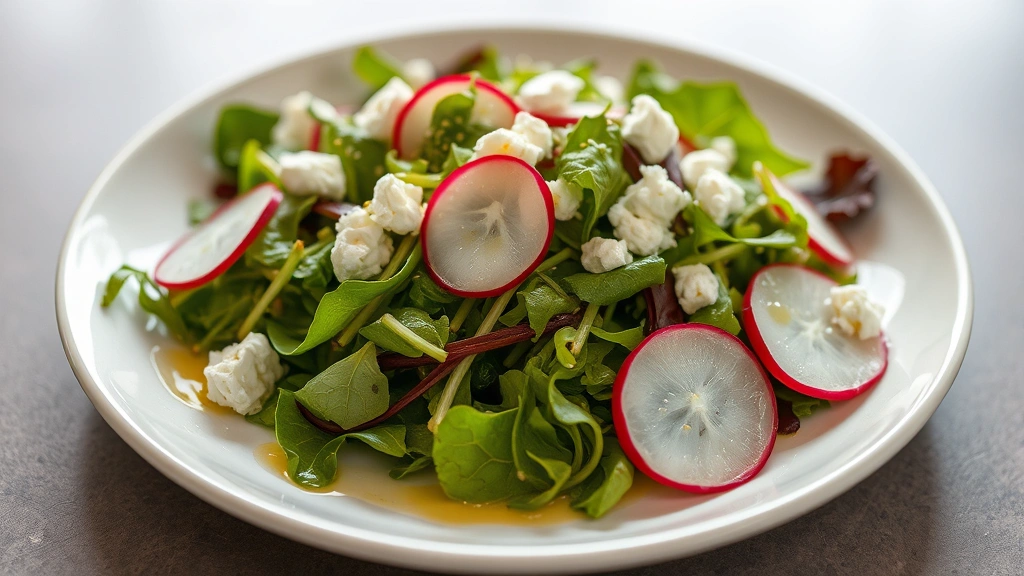
Champagne vinaigrette shines on composed salads featuring delicate greens like butter lettuce, oak leaf, or tender spinach. The subtle dressing won’t overwhelm these tender varieties. Pair with fresh vegetables like cucumber, radish, and microgreens for a refined presentation. This dressing also complements salads containing soft cheeses like goat cheese or burrata.
Seafood Pairings
Use champagne vinaigrette to dress composed salads featuring smoked salmon, crab, or seared scallops. The delicate vinegar complements seafood’s subtle flavors without competing. A simple salad of mixed greens, flaked crab, and champagne vinaigrette creates an elegant first course worthy of any dinner party.
Vegetable Preparations
Warm vegetable salads benefit tremendously from champagne vinaigrette. Try it over roasted beets, grilled asparagus, or sautéed mushrooms. The vinaigrette’s acidity cuts through vegetable richness while its subtle flavor lets the vegetables shine. When dressing warm vegetables, apply vinaigrette while they’re still slightly warm so flavors meld beautifully.
Pasta Salad Enhancement
If you enjoy fresh pasta preparations, champagne vinaigrette elevates simple how to make homemade pasta into something special. Toss warm pasta with champagne vinaigrette, fresh herbs, and seasonal vegetables for a refined dish. The dressing coats pasta beautifully without the heaviness of cream-based alternatives.
Grain and Legume Salads
Champagne vinaigrette works beautifully with grain-based salads featuring quinoa, farro, or barley. The acidity complements these hearty grains and helps balance their earthiness. Add fresh vegetables, herbs, and perhaps some toasted nuts for a complete, restaurant-quality salad.
French Cuisine Classics
In traditional French cooking, champagne vinaigrette appears in composed salads like Salade Niçoise and accompanies poached or steamed vegetables. The dressing respects ingredient quality rather than masking it—a fundamental principle of French culinary tradition.
FAQ
Can I substitute champagne vinegar with something else?
While white wine vinegar is the closest substitute, it lacks champagne vinegar’s subtle complexity and refinement. For best results, seek out authentic champagne vinegar—it’s worth the investment for this elegant dressing. If you must substitute, use white wine vinegar but reduce the quantity slightly as it’s slightly more acidic.
Why did my vinaigrette break or separate?
Separation typically occurs when oil is added too quickly or when ingredients are too cold. If this happens, start fresh with a teaspoon of Dijon mustard in a clean bowl and slowly whisk the broken vinaigrette into it. This rescue technique usually succeeds in re-emulsifying the dressing.
How much champagne vinaigrette should I use on a salad?
A general rule is approximately 2-3 tablespoons of vinaigrette per serving of salad greens. The exact amount depends on your preference and the type of greens—delicate varieties need less dressing than heartier greens. Toss gently to coat evenly rather than pouring dressing over the top.
Is champagne vinaigrette suitable for meal prep?
Yes, champagne vinaigrette stores well for up to two weeks in the refrigerator. However, dress salads fresh just before eating to prevent greens from becoming soggy. Store the vinaigrette separately and apply just before serving for best results.
Can I make champagne vinaigrette without mustard?
Mustard serves as an emulsifier, making it difficult to achieve proper consistency without it. If you must avoid mustard, try using a small amount of honey or egg yolk as an alternative emulsifier, though results may vary. An egg yolk creates richer emulsification but changes the dressing’s character.
What’s the difference between champagne vinaigrette and other vinaigrettes?
Champagne vinaigrette differs primarily in its vinegar source and resulting flavor profile. It’s more delicate and refined than red wine vinaigrette, less intense than balsamic, and more sophisticated than standard white vinegar vinaigrettes. The lower acidity level makes it ideal for delicate ingredients.
Can I use this dressing on warm ingredients?
Absolutely. Champagne vinaigrette works beautifully on warm vegetables, warm grain salads, and warm pasta preparations. The warmth actually helps the dressing distribute more evenly and allows flavors to meld. Apply vinaigrette to warm ingredients and let them cool slightly before serving.
How do I know if my champagne vinegar is authentic?
Authentic champagne vinegar should be labeled “Vinaigre de Champagne” and come from the Champagne region of France. Check the label for origin information and acidity level (typically 5-7%). Quality vinegar may cost more but delivers superior flavor that justifies the investment for this elegant dressing.
Mastering champagne vinaigrette opens doors to refined cooking that doesn’t require complicated techniques. This elegant dressing proves that simplicity, quality ingredients, and proper technique create restaurant-quality results at home. Whether you’re preparing a weeknight salad or impressing dinner guests, champagne vinaigrette elevates every plate it touches.
Explore complementary recipes to expand your culinary repertoire. Try pairing champagne vinaigrette with sophisticated dishes like chicken pad thai recipe for interesting fusion applications, or discover how fresh dressings enhance vegetable-forward preparations. The techniques you’ve learned apply across countless culinary applications, making champagne vinaigrette a foundational skill worth mastering.


