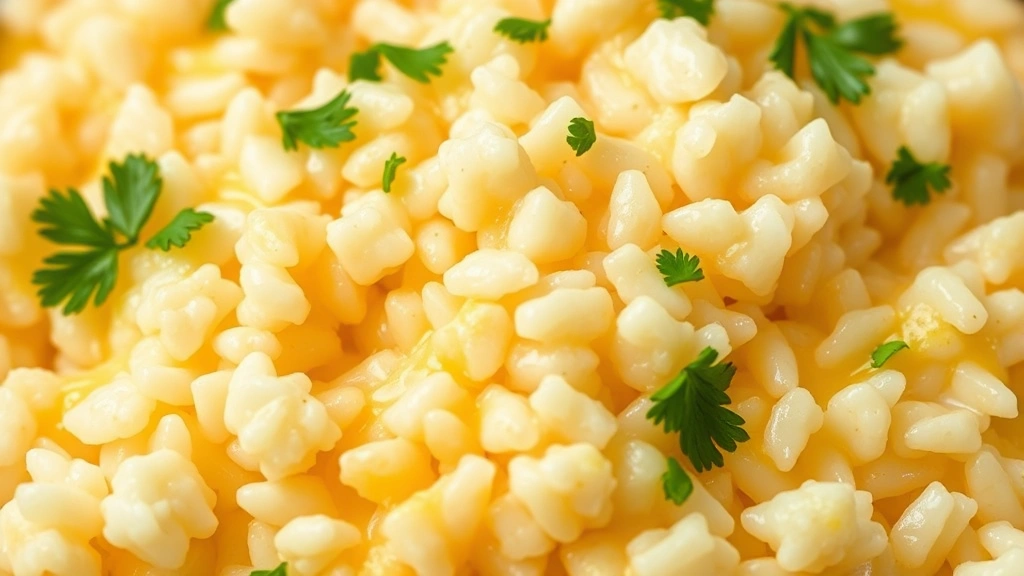
Cheesy Rice Delight: A Family Favorite Recipe That Everyone Loves
There’s something magical about a steaming bowl of cheesy rice that brings families together around the dinner table. This beloved comfort food has been a staple in households for generations, offering warmth, satisfaction, and the kind of homey flavor that makes people ask for seconds. Whether you’re cooking for a weeknight dinner or preparing a dish for a special gathering, this cheesy rice recipe delivers creamy, delicious results every single time.
What makes this dish so special isn’t just the combination of fluffy rice and melted cheese—it’s the versatility and simplicity that allows home cooks of all skill levels to create restaurant-quality results in their own kitchens. The beauty of this recipe lies in its adaptability; you can customize it with your favorite proteins, vegetables, and cheese varieties to suit your family’s preferences. From adding crispy bacon to incorporating fresh herbs, this foundation recipe becomes your canvas for culinary creativity.
In this comprehensive guide, we’ll walk you through every step of creating the perfect cheesy rice dish, from selecting your ingredients to mastering the cooking techniques that ensure fluffy, flavorful results. You’ll discover pro tips from experienced home cooks, understand the science behind why certain methods work best, and learn how to troubleshoot common issues that might arise during preparation.
Ingredients You’ll Need for Perfect Cheesy Rice
The foundation of any great cheesy rice dish starts with quality ingredients. Understanding what each component contributes to the final dish will help you make informed choices that elevate your cooking. Let’s break down exactly what you need:
- Rice: Two cups of long-grain white rice or jasmine rice works beautifully. Long-grain varieties maintain their individual grains better than short-grain varieties, creating the ideal texture. Some home cooks prefer basmati rice for its fragrant qualities.
- Butter: Four tablespoons of unsalted butter serves as your flavor base and helps create a creamy texture. Butter also carries fat-soluble flavors throughout the dish.
- Cheese: Two cups of shredded sharp cheddar cheese provides the signature flavor. You can blend cheddar with gruyere, fontina, or even smoked gouda for depth.
- Chicken or vegetable broth: Four and a half cups of quality broth replaces water for added flavor. Homemade broth creates superior results compared to store-bought versions.
- Whole milk: One cup of whole milk creates creaminess without making the dish heavy. Half-and-half can substitute for richer results.
- Onion: One medium onion, diced finely, provides aromatic foundation notes.
- Garlic: Three cloves of minced garlic add depth and complexity.
- Salt and black pepper: Season to taste, typically one teaspoon salt and half-teaspoon pepper.
- Paprika: Half-teaspoon adds subtle color and smoky notes.
- Fresh parsley: Two tablespoons chopped for garnish and fresh flavor.
For a more comprehensive understanding of how to build flavor profiles, consider exploring how to make homemade sauces, which teaches the same foundational techniques used in creating the creamy sauce for this dish.
Step-by-Step Preparation Instructions
Proper preparation ensures your cheesy rice comes together smoothly without last-minute scrambling. Taking time to prep ingredients beforehand—a technique chefs call mise en place—allows you to focus on cooking rather than chopping.
- Gather and measure all ingredients before you begin cooking. Having everything ready prevents overcooking rice while you search for cheese.
- Dice your onion finely into pieces roughly quarter-inch in size. Uniform sizing ensures even cooking throughout the dish.
- Mince your garlic into small, consistent pieces. Garlic cooks quickly, so uniform sizing prevents some pieces from burning while others remain raw.
- Measure out your broth into a separate pot or measuring container. You’ll want to keep it warm, so consider heating it gently while you prepare other components.
- Shred your cheese if using block cheese rather than pre-shredded varieties. Freshly shredded cheese melts more smoothly than pre-shredded versions, which contain anti-caking agents.
- Rinse your rice under cold running water in a fine-mesh strainer for about two minutes. This removes excess starch and helps achieve fluffier results.
Cooking Technique Mastery for Creamy, Fluffy Results
The cooking method determines whether your cheesy rice turns out perfectly textured or mushy. Understanding the science behind each step helps you adjust for different rice varieties and altitude variations.
Step One: Toast Your Rice
Melt two tablespoons of butter in a large, heavy-bottomed pot over medium heat. Once foaming subsides, add your diced onion and cook for three to four minutes, stirring occasionally, until the onion becomes translucent and fragrant. Add your minced garlic and cook for another thirty seconds, stirring constantly to prevent burning. The garlic should become fragrant but not brown.
Add your rinsed rice to the pot and stir constantly for two to three minutes. This toasting process coats each grain with butter and begins to lightly brown the rice, developing nutty flavors and helping grains remain separate during cooking. You’ll notice the rice becomes slightly translucent at the edges.
Step Two: Add Liquid and Simmer
Pour in your warm broth carefully—it will bubble and steam as it hits the hot rice. Stir well to combine, then bring the mixture to a boil over medium-high heat. Once boiling, reduce heat to low, cover with a tight-fitting lid, and cook undisturbed for eighteen to twenty minutes. The lid traps steam, which cooks the rice through even heat distribution.
Resist the urge to stir or lift the lid during cooking. Each time you open the lid, you release steam and disrupt the cooking process, potentially resulting in unevenly cooked rice. After eighteen minutes, remove from heat and let stand, covered, for five minutes. This resting period allows residual heat to finish cooking while allowing steam to redistribute evenly.
Step Three: Create the Creamy Sauce
While your rice cooks, prepare your creamy cheese sauce in a separate saucepan. Melt the remaining two tablespoons of butter over medium heat. Once melted and foaming, whisk in two tablespoons of all-purpose flour, stirring constantly for one to two minutes. This creates a roux, which will thicken your cream sauce. The mixture should look like wet sand and smell nutty but not brown.
Gradually add your warm whole milk while whisking constantly. Start with a quarter cup, whisking until smooth before adding more. This gradual addition prevents lumps from forming. Continue until all milk is incorporated and the sauce is smooth. Cook for three to four minutes, stirring frequently, until the sauce thickens enough to coat the back of a spoon.
Remove from heat and add your shredded cheese in handfuls, stirring after each addition until completely melted. The residual heat will melt the cheese without causing it to become grainy. Season with salt, pepper, and paprika to taste. The sauce should be creamy, smooth, and deeply cheese-flavored.
Step Four: Combine and Finish
Once your rice has finished cooking and resting, fluff it gently with a fork. Pour your creamy cheese sauce over the rice and fold gently using a rubber spatula, turning the rice from bottom to top and sides to center. Be gentle to avoid breaking grains. Continue folding until the sauce is evenly distributed and every grain is coated with creamy cheese.
Taste and adjust seasonings as needed. Some people prefer additional salt, while others like extra pepper or a pinch more paprika. Transfer to a serving dish and garnish with fresh parsley. The dish should be served immediately while still hot and creamy.
Variations and Customizations for Your Family
The beauty of cheesy rice lies in its incredible versatility. Once you master the basic technique, you can create dozens of variations tailored to your family’s preferences. Think of this recipe as a foundation that welcomes creativity and personal touches.
Protein Additions
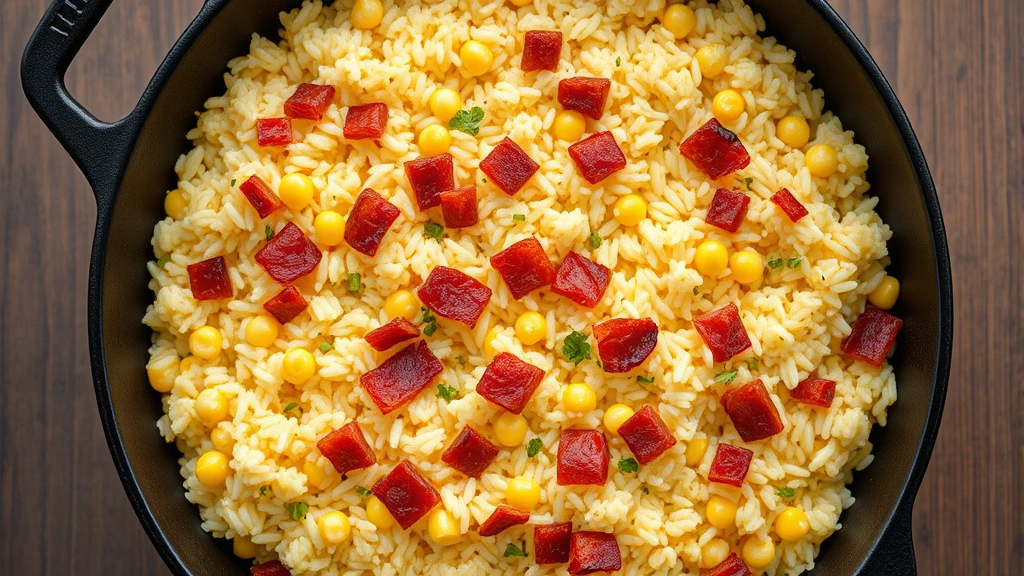
Transform your cheesy rice into a complete meal by incorporating proteins. Cooked chicken breast, diced and stirred in during the final combination step, creates a satisfying main dish. Crispy bacon pieces add smoky, salty depth—cook bacon separately until crispy, crumble it, and fold in at the end. Ground beef or sausage can be browned separately with onions and garlic, then combined with the rice. For seafood lovers, cooked shrimp folded in just before serving adds elegance and protein.
Vegetable Variations
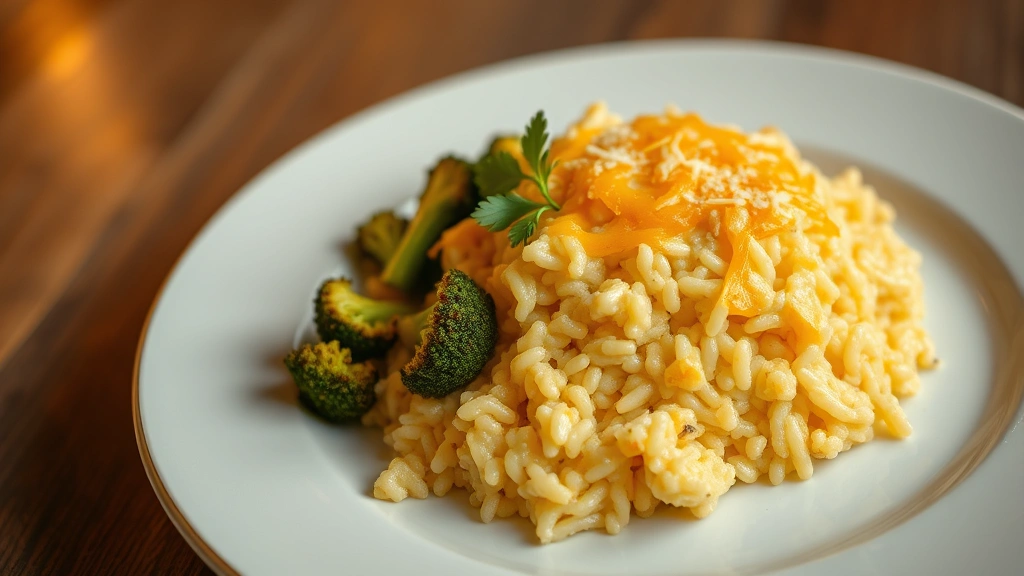
Fresh or roasted vegetables add nutrition and color. Frozen peas and carrots can be stirred in during the final step. Roasted broccoli florets, bell peppers, or corn add texture and freshness. Sautéed mushrooms contribute earthiness and umami depth. Sun-dried tomatoes provide concentrated tomato flavor and beautiful color contrast.
Cheese Blend Experiments
While sharp cheddar provides the classic flavor, blending cheeses creates complexity. Combine cheddar with gruyere for nuttiness, or blend in fontina for smoothness. Smoked gouda adds subtle smokiness reminiscent of barbecue flavors. A small amount of parmesan adds sharp, crystalline notes. For those seeking richness, a quarter cup of cream cheese creates luxurious creaminess.
Flavor Profile Options
Create a southwestern version by adding diced jalapeños, cumin, chili powder, and cilantro. Stir in black beans and corn for a complete dish. Explore Korean BBQ sauce recipe inspiration by adding gochujang paste and sesame oil for an Asian-inspired twist. A pad Thai sauce recipe approach introduces fish sauce, lime juice, and crushed peanuts for Thai-inspired flavors.
For comfort food maximization, explore vintage grandma recipes that incorporate mushroom soup, crispy fried onions, or breadcrumb toppings for textural contrast.
Serving Suggestions and Pairings
Cheesy rice works as a side dish or main course depending on what you serve alongside it. Understanding complementary flavors helps you create balanced, satisfying meals.
As a main course, pair your cheesy rice with a simple green salad dressed with vinaigrette to cut through richness. Grilled vegetables like zucchini, asparagus, or green beans provide freshness and nutrition. A simple protein like grilled chicken breast or pan-seared fish transforms cheesy rice into a complete meal.
As a side dish, cheesy rice complements grilled meats beautifully. Serve alongside beef short rib recipes for an indulgent dinner. It pairs wonderfully with roasted chicken, baked salmon, or grilled steak. The creamy richness balances well with herb-forward or spice-rubbed proteins.
For vegetarian meals, serve cheesy rice with roasted vegetables, baked tofu, or legume-based dishes. The cheese provides protein and satisfying richness without meat. Consider the nutritional benefits by adding vegetables rich in foods rich in antioxidants like spinach, tomatoes, or bell peppers.
Storage and Reheating for Maximum Freshness
Refrigerator Storage
Allow cheesy rice to cool to room temperature before transferring to airtight containers. Store in the refrigerator for up to three days. The rice will firm up as it cools, which is normal. When reheating, add a splash of milk or broth to restore creaminess that may have been absorbed by the rice during storage.
Reheating Methods
On the stovetop, place cheesy rice in a saucepan over medium-low heat, stirring frequently and adding milk or broth as needed to restore creaminess. This method takes about five to seven minutes and allows you to monitor texture closely. In the microwave, transfer to a microwave-safe container, cover loosely, and heat in one-minute intervals, stirring between each interval, until heated through. Add milk before microwaving to prevent drying.
Freezing for Later
Cheesy rice freezes well for up to two months. Cool completely, transfer to freezer-safe containers or bags, label with the date, and freeze. Thaw overnight in the refrigerator before reheating. Note that texture may be slightly less creamy after freezing due to dairy separation, but reheating with additional milk restores creaminess effectively.
FAQ About Cheesy Rice Recipe
Can I use brown rice instead of white rice?
Yes, but brown rice requires longer cooking time. Increase cooking time to thirty-five to forty minutes and use an additional half cup of broth to account for brown rice’s higher water absorption. The result will be nuttier and denser than traditional cheesy rice.
What if my rice turns out mushy?
Mushy rice typically results from too much liquid or overcooking. Use the exact broth measurements specified, don’t lift the lid during cooking, and set a timer to avoid overcooking. If this happens, the rice is still edible but won’t have the ideal fluffy texture. For future batches, reduce liquid slightly or decrease cooking time.
Can I make this recipe ahead of time?
Yes, prepare through step two (cooking the rice) up to two hours ahead. Keep rice covered and at room temperature. Prepare your cheese sauce just before serving and combine the two components. This approach ensures the creamiest results while allowing some advance preparation.
Is there a dairy-free version?
Absolutely. Replace butter with olive oil or dairy-free butter, use vegetable broth instead of chicken broth, and substitute dairy-free milk and cheese alternatives. Results will differ slightly from traditional versions, but modern dairy-free products work reasonably well in this application.
Why does my cheese sauce look grainy?
Grainy texture results from overheating cheese or adding cold cheese to hot liquid. Always remove from heat before adding cheese, add cheese in small batches, and stir gently. If graininess occurs, whisk in a tablespoon of milk at a time and heat gently while whisking until smooth.
Can I use pre-cooked rice?
Yes, this shortcut works well. Use three cups of cooked rice instead of raw rice, skip the toasting step, and reduce broth to two cups. Combine cooked rice with the cheese sauce and heat through gently. Cooking time reduces to about five minutes since the rice is already cooked.
What’s the best cheese for maximum flavor?
Sharp aged cheddar provides the most robust cheese flavor. For best results, use a combination: seventy-five percent sharp cheddar with twenty-five percent gruyere or smoked gouda. This blend provides depth while maintaining creamy texture.


