Table of Contents
Introduction
There’s something magical about biting into a crisp, tangy pickle that you made yourself. Seriously—once you taste homemade pickles, those store-bought jars just don’t hit the same. The good news? Making pickles at home isn’t some mysterious culinary art form. It’s actually surprisingly simple, and the results are so much better than anything you’ll find on grocery store shelves.
Think about it: with just a few cucumbers, some basic pantry staples, and a little patience, you can create something that’ll make your taste buds dance. We’re talking about that perfect balance of sour, salty, and whatever spices make your heart sing. Plus, there’s something deeply satisfying about having jars of your own pickles lined up in the fridge, ready to elevate any meal or snack attack.
Pickling has been around forever—and there’s a reason our grandparents swore by it. Sure, it started as a way to make fresh produce last longer before refrigeration. But here’s what they really discovered: the pickling process doesn’t just preserve vegetables, it transforms them into something completely new and delicious. You’ll need some basic ingredients like cucumbers (obviously), vinegar, salt, sugar, and whatever spices tickle your fancy. Don’t forget the essential tools—clean jars, lids, a good pot, and measuring cups that actually measure accurately. (Trust me, precision matters here.) If you’re getting serious about homemade everything, you might want to check out these homemade pasta techniques too—they share that same attention to detail that makes all the difference.
Here’s where the magic happens: you create a brine that’s essentially a flavor bath for your cucumbers. This acidic solution does two amazing things at once—it keeps bad bacteria at bay while infusing every bite with incredible taste. The flavors can go anywhere from sweet and mild to face-puckeringly sour to fire-your-mouth spicy. But before any of that happens, you’ve got to prep your cucumbers right. We’re talking about washing them thoroughly, slicing them just so, and trimming off any questionable bits. Get this step wrong, and you’ll end up with mushy disappointment instead of crispy perfection. Want to expand your preservation game? These herb preservation techniques will teach you how to keep those fresh flavors locked in year-round.
Once your cucumbers are prepped and your brine is ready, it’s assembly time. Pack those cucumber slices into sterilized jars (and yes, sterilization matters—we’re not playing around with food safety here), then pour that flavorful brine right over the top. The sealing process is crucial too. You want those jars locked up tight so nothing unwanted gets in while the pickling magic works its magic. Then comes the hardest part: waiting. Your pickles need time to develop those complex flavors we’re after. Getting the storage conditions right makes the difference between “wow, these are incredible” and “hmm, something’s off.” If you’re into reducing food waste while maximizing flavor (and who isn’t?), these food waste reduction tips pair perfectly with pickle-making philosophy.
What You’ll Learn in This Guide
We’re going to walk through this whole process together, step by step. No confusing jargon, no assuming you already know stuff—just straightforward guidance that’ll have you making pickle magic in no time.
- Understanding the Basics: We’ll cover every ingredient you need and why it matters, plus all the tools that’ll make your life easier. Once you nail these fundamentals, you can start tweaking recipes to match your exact taste preferences.
- Step-by-Step Pickling Process: I’ll walk you through prepping those cucumbers like a pro, mixing up the perfect brine, and sealing everything up properly so your pickles turn out amazing every single time.
- Tips for Perfect Pickles: This is where we separate the good pickles from the great ones. You’ll learn my favorite tricks for maximizing flavor, keeping that satisfying crunch, and avoiding the mistakes that can turn your pickle dreams into pickle disasters.
- Troubleshooting Common Issues: When things go sideways (cloudy brine, soft pickles, weird tastes), you’ll know exactly how to fix them. No more tossing failed batches and starting over.
Look, I’m excited to share this with you because homemade pickles are honestly one of life’s simple pleasures. Beyond just following the recipe, I’ll share some insider tricks that’ll take your pickles from good to “where did you get these?” level. We’ll also tackle those inevitable hiccups that happen when you’re learning something new. And if you’re catching the homemade bug, you’ll probably love exploring homemade sauces that pair beautifully with your pickle creations.
My goal here is simple: by the time we’re done, you’ll feel completely confident making pickles that are bursting with personality and flavor. Whether you’re planning to give them as gifts (seriously, people love getting homemade pickles) or just want to elevate your own meals, these aren’t going to be those bland, one-note pickles from the store. These will have character, depth, and that unmistakable homemade touch that makes everything taste better.
Ready to dive in? Let’s turn some ordinary cucumbers into something extraordinary. By the time you finish reading this guide, you’ll have everything you need to become the pickle person in your friend group—and trust me, that’s a pretty great title to hold. Let’s make some pickle magic happen!
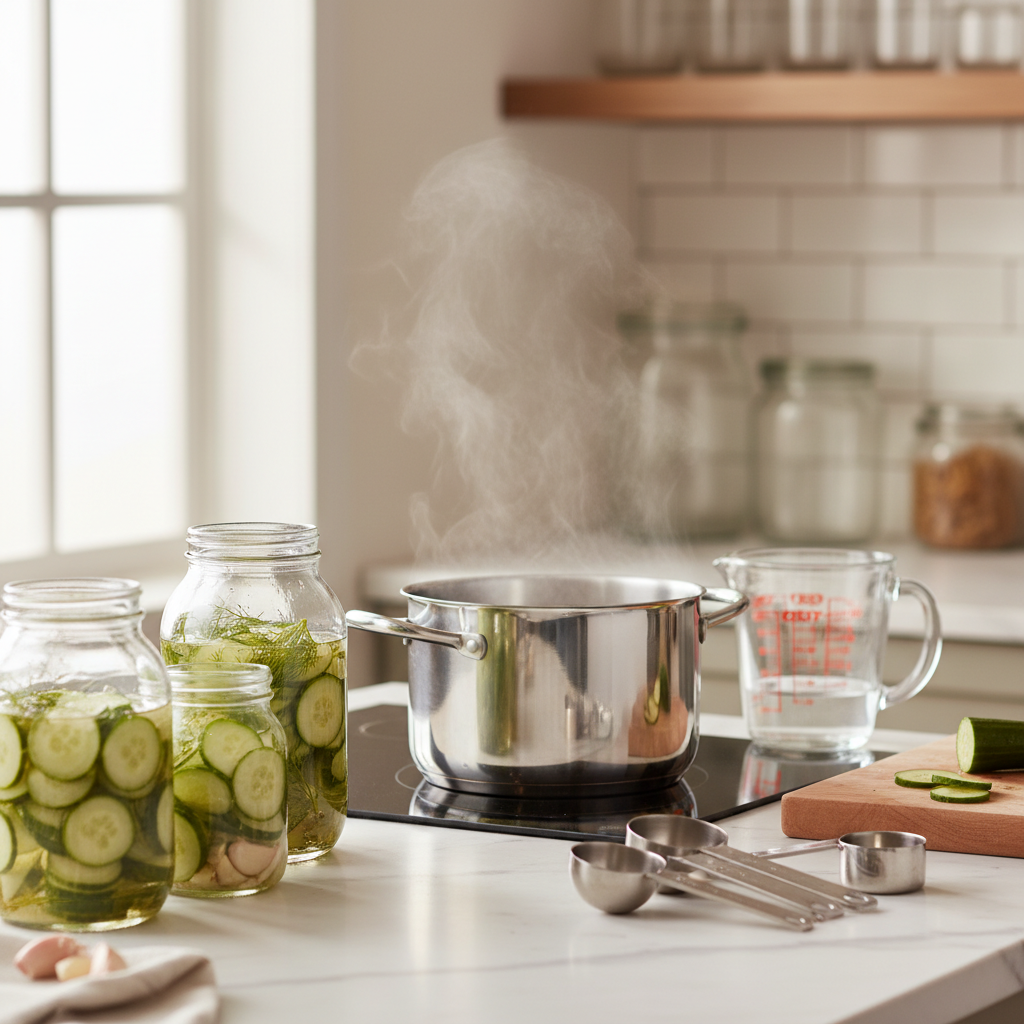
Ready to dive into the fun stuff? Before you start turning cucumbers into crunchy, tangy treasures, let’s talk about what you’ll actually need. Getting your ingredients and tools sorted first makes everything so much easier—trust me on this one. Plus, when you know what you’re working with, you can play around with flavors and techniques without that “am I doing this right?” worry. Think of it as setting yourself up for pickle success.
Ingredients and Supplies Needed for Homemade Pickles
Here’s the thing about homemade pickles—they’re only as good as what goes into them. Fresh, quality ingredients make all the difference between “wow, these are amazing” and “eh, they’re okay.” And having the right tools? Game changer. You don’t need a fancy kitchen setup, but a few key supplies will make your life infinitely easier. Speaking of flavor foundations, if you’re interested in building great taste from scratch, check out how to make homemade sauces—the principles for creating perfect brines are surprisingly similar.
Now, while cucumbers, vinegar, salt, and sugar are your pickle MVPs, the real magic happens when you add spices and herbs. Fresh herbs especially can transform ordinary pickles into something special. Want to keep those herbs at their peak? Our guide on how to preserve herbs has some brilliant tricks that’ll save you money and boost flavor. And hey, if you’re already in the mood to expand your homemade repertoire, learning about homemade pasta sauce recipes teaches similar flavor-layering skills that work beautifully in pickling too.
Key Ingredients and Supplies Checklist
Let’s break this down into what you actually need (no overwhelming lists here):
- Fresh Cucumbers: Go for firm, crisp cucumbers—pickling varieties are your best bet since they stay crunchy even after their vinegar bath.
- Vinegar: White distilled or apple cider vinegar works perfectly. Just make sure it’s at least 5% acidity—this isn’t the time to wing it with random vinegars.
- Salt and Sugar: Stick with pickling or kosher salt (those anti-caking agents in table salt can make things cloudy). Sugar balances out the tang and adds depth.
- Spices and Herbs: Garlic, dill, peppercorns, mustard seeds, bay leaves—these are your flavor powerhouses. Mix and match to your heart’s content.
- Pickling Jars and Lids: Clean glass jars with tight lids are non-negotiable. Nobody wants contaminated pickles (trust me, it’s not pretty).
- Measuring Tools and Pots: A sturdy pot for your brine and accurate measuring tools. Consistency is key when you want repeatable results.
Once you’ve got everything lined up, the actual pickling becomes straightforward. No stress, no guesswork—just you, your ingredients, and some seriously good pickles in the making.
Step-by-Step Pickling Process for Homemade Pickles
Alright, time for the main event! This is where those fresh cucumbers transform into the tangy, crunchy pickles you’re craving. Each step matters—from how you prep your cucumbers to getting that brine just right. But don’t let that intimidate you. Once you’ve done it a few times, it becomes second nature. If you’re curious about other preservation techniques while you’re at it, our herb preservation tips share similar principles that might spark some ideas.
The beautiful thing about pickling? It’s both science and art rolled into one. You can go the quick-and-easy refrigerator pickle route or dive into traditional canning—either way, the basics stay the same. Get comfortable with prepping cucumbers, nailing your brine, and sealing everything properly, and you’re golden. Want to explore more preservation adventures? Our how to make homemade jams guide uses techniques that complement pickling beautifully.
Essential Steps in Pickling
Here’s how to turn those cucumbers into pickle perfection:
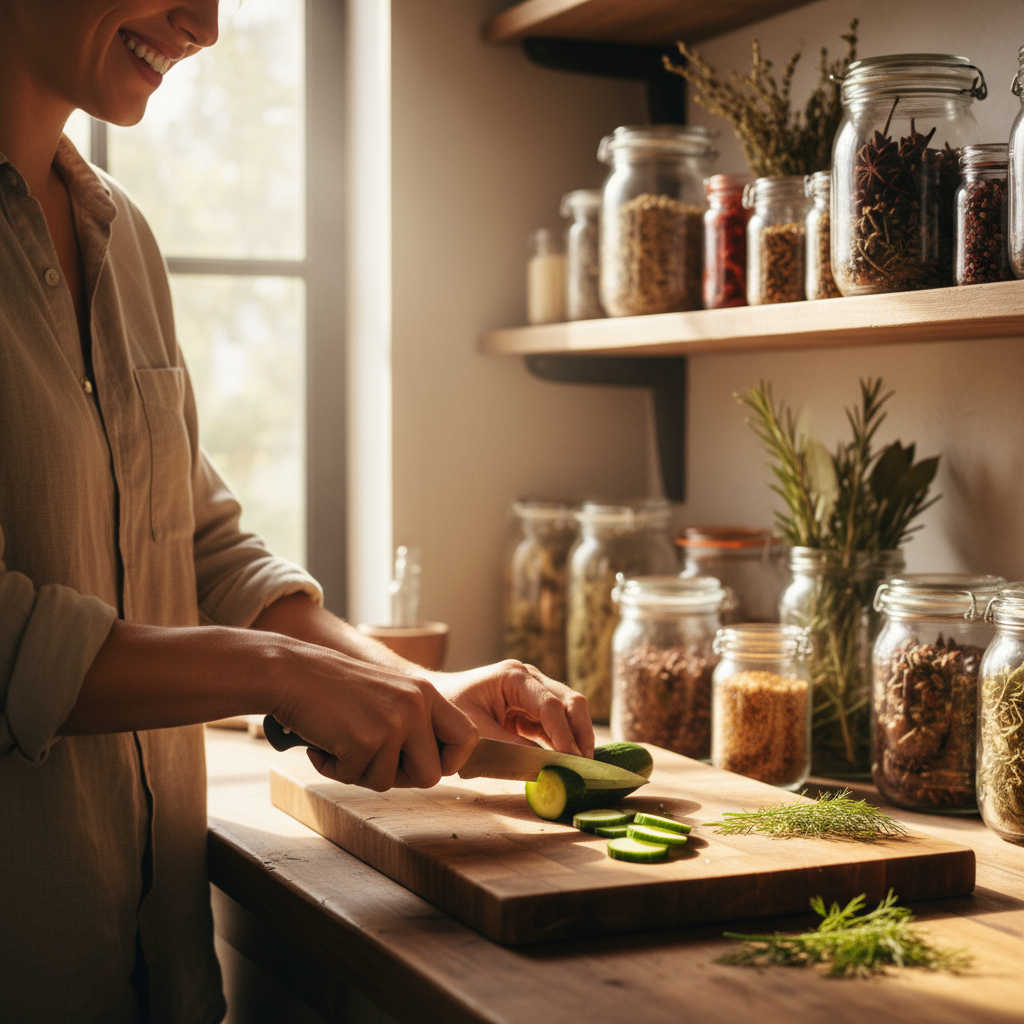
- Preparation of Cucumbers: Give them a good wash to get rid of any dirt or residue. Slice them up or keep them whole—your choice. Pro tip: trim off those blossom ends to prevent mushy pickles later.
- Making the Brine: Toss your vinegar, water, salt, sugar, and spices into a pot and bring it to a rolling boil. This dissolves everything perfectly and gets those flavors mingling.
- Filling and Sealing: Pack those cucumbers snugly into your sterilized jars, pour in the hot brine (leave some headspace!), wipe the rims clean, and seal them up tight.
- Storage and Preservation: For shelf-stable pickles, process them in a boiling water bath for the recommended time. Going the fridge route? Just chill them for at least 24 hours before diving in.
Follow these steps carefully, and you’ll get that perfect combination of crunch, tang, and keeping power that makes homemade pickles so addictive. Remember—clean hands, precise measurements, and attention to detail are your best friends here. Both for incredible flavor and food safety.

So there you have it—homemade pickles really come down to good ingredients and a little know-how. Fresh cucumbers are your starting point (trust me, don’t skimp here), plus those pantry staples you probably already have: vinegar, salt, sugar, and whatever spices make your taste buds happy. Getting those cucumbers prepped right—washed, sliced just so, properly trimmed—that’s where the magic begins. Your brine? That’s the real star of the show. Get that vinegar-to-water ratio just right, add your spices with confidence, and you’re creating something that’ll transform those crisp cucumbers into pickle perfection. And here’s something people often overlook: how you seal and store those jars matters more than you’d think.
Want to know the real secrets? It all comes down to three things. First, keep everything spotless—contamination is the enemy of good pickles. Second, measure like you mean it. Those ratios aren’t suggestions; they’re the difference between “wow” and “what went wrong?” Third, and this one’s tough: be patient. I know it’s tempting to crack open that first jar after a day or two, but flavors need time to meld and develop. Oh, and here’s where it gets fun—play around with your brine! Different herbs, unique spice combinations, maybe a little heat if that’s your thing. Each batch becomes uniquely yours. Pay attention to these details, and you’re not just making pickles safely—you’re creating something extraordinary.
Ready to take your kitchen skills up a notch? Since you’re already diving into preservation, you might love our guide on how to preserve herbs—it’s like the perfect companion to pickle-making. Those fresh herbs you’re using in your brine? Learn how to make them last longer and taste better. And if you’re thinking about what goes great with pickles (because who doesn’t want the perfect pairing?), check out our resource on homemade sauces. For those moments when you want something sweet to balance all that tangy goodness, our homemade jams guide has you covered. Plus, since pickle-making is all about using what you have and wasting nothing, our food waste reduction tips fit right into this whole mindful cooking approach.
Here’s the thing about making your own pickles—it’s bigger than just food prep. You’re connecting with something real, something that generations of home cooks have been perfecting for ages. That moment when you pop open your first jar and hear that satisfying “crack,” then taste flavors that are completely your own creation? Store-bought just can’t compete with that. If you’re feeling inspired to keep building your homemade repertoire (and honestly, why wouldn’t you be?), our guide on how to make homemade pasta is another fantastic way to impress everyone at your dinner table with fresh, made-from-scratch goodness.
Frequently Asked Questions
-
How long do homemade pickles last?
- Typically several months when properly stored in a cool, dark place.
-
Can I use different vegetables for pickling?
- Yes, many vegetables like carrots, green beans, and peppers can be pickled using similar methods.
-
Do I need special equipment to make pickles?
- Basic kitchen tools are sufficient; specialized equipment is not necessary for most recipes.
-
Is vinegar necessary in pickling?
- Vinegar is a key ingredient that ensures preservation and flavor.