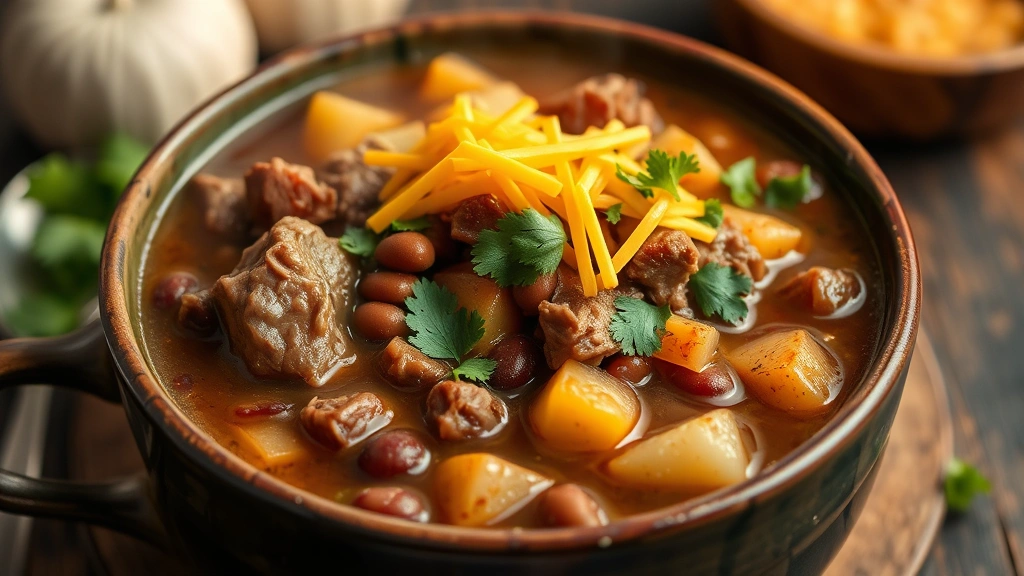
Cowboy Stew Recipe: A Family Favorite That’s Easy to Make
Cowboy stew is the ultimate comfort food that brings families together around the dinner table. This hearty, one-pot meal combines tender beef, beans, potatoes, and vegetables in a rich, savory broth that warms you from the inside out. Whether you’re cooking for a weeknight dinner or feeding a crowd at a casual gathering, this cowboy stew recipe delivers satisfying flavors without complicated techniques.
What makes cowboy stew so special is its versatility and rustic charm. Born from the American frontier tradition of simple, nourishing meals prepared over open fires, this dish has evolved into a beloved family staple. The beauty of cowboy stew lies in its flexibility—you can customize ingredients based on what’s available in your pantry or what your family prefers. Unlike more intricate dishes like chicken empanadas, cowboy stew requires minimal prep work and maximum flavor payoff.
This guide will walk you through everything you need to know to create an authentic, delicious cowboy stew that your family will request again and again. From ingredient selection to cooking techniques and serving suggestions, you’ll have all the tools to master this classic recipe.
Essential Ingredients for Cowboy Stew
The foundation of an exceptional cowboy stew starts with quality ingredients. Understanding each component and why it matters will help you create depth of flavor and authentic taste that keeps people coming back for seconds.
Beef: Choose a cut with enough marbling to stay tender during long cooking. Chuck roast, brisket, or beef stew meat work perfectly. The fat content helps develop rich flavors and keeps the meat moist. Plan on about 2 to 3 pounds for a family-sized batch.
Beans: Kidney beans and pinto beans are traditional choices, though black beans or chickpeas add interesting variations. You can use canned beans for convenience or dried beans if you have time to soak and cook them. Beans provide protein, fiber, and hearty substance that makes this stew truly filling.
Potatoes: Russet or red potatoes hold their shape well during cooking. Cut them into uniform chunks so they cook evenly. Potatoes absorb the savory broth and create a satisfying texture contrast.
Vegetables: Onions, carrots, and celery form the aromatic base. Fresh corn kernels, bell peppers, or green beans add color and nutritional value. Don’t skip the onions—they’re essential for building flavor.
Seasonings and Broth: Beef broth or stock forms the liquid base. Tomato paste, Worcestershire sauce, and hot sauce add depth. Garlic, cumin, chili powder, salt, and pepper round out the spice profile. Fresh or dried herbs like oregano and thyme enhance the savory character.
Consider pairing this meal with cornbread casserole for a complete comfort food experience.
Step-by-Step Preparation Guide
Proper preparation ensures even cooking and maximum flavor extraction. Taking time with these steps makes the actual cooking process smooth and stress-free.
Preparing Your Ingredients
Cut the beef: Trim excess fat from your beef chuck roast, leaving some marbling intact. Cut into 1.5-inch cubes for consistent cooking. Pat the meat dry with paper towels—this helps achieve better browning.
Chop vegetables: Dice onions into medium pieces. Cut carrots into half-moons about 1/2-inch thick. Chop celery into similar-sized pieces. Cut potatoes into 3/4-inch cubes. Mince garlic cloves finely. Having everything prepped before you start cooking saves time and keeps the process organized.
Prepare beans and broth: If using canned beans, drain and rinse them thoroughly to remove excess sodium. Measure out your beef broth and have it accessible. If you’re making your own broth, do this ahead of time.
Seasoning Your Meat
Before browning, season the beef cubes generously with salt and pepper on all sides. This simple step develops flavor through the Maillard reaction during browning. Don’t be shy with seasoning at this stage—you’re building the foundation of your stew’s taste profile.
Cooking Methods and Techniques
Cowboy stew can be prepared using various cooking methods, each offering unique advantages. Choose the method that best fits your schedule and kitchen setup.
Stovetop Method
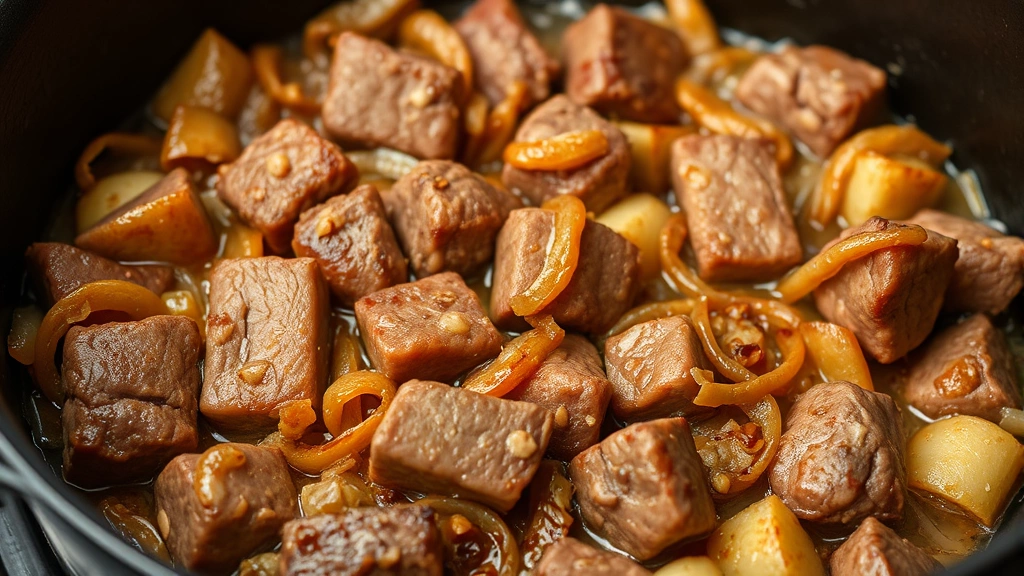
The traditional stovetop approach gives you complete control over heat and timing. Heat 2 tablespoons of oil in a large, heavy-bottomed pot or Dutch oven over medium-high heat. Working in batches, brown the beef cubes on all sides, about 3-4 minutes per batch. Don’t overcrowd the pot—this prevents proper browning. Remove browned meat and set aside.
In the same pot, sauté diced onions, carrots, and celery for about 5 minutes until softened and fragrant. Add minced garlic and cook for another minute. Stir in tomato paste and cook for 2 minutes, allowing it to caramelize slightly. This deepens the flavor considerably.
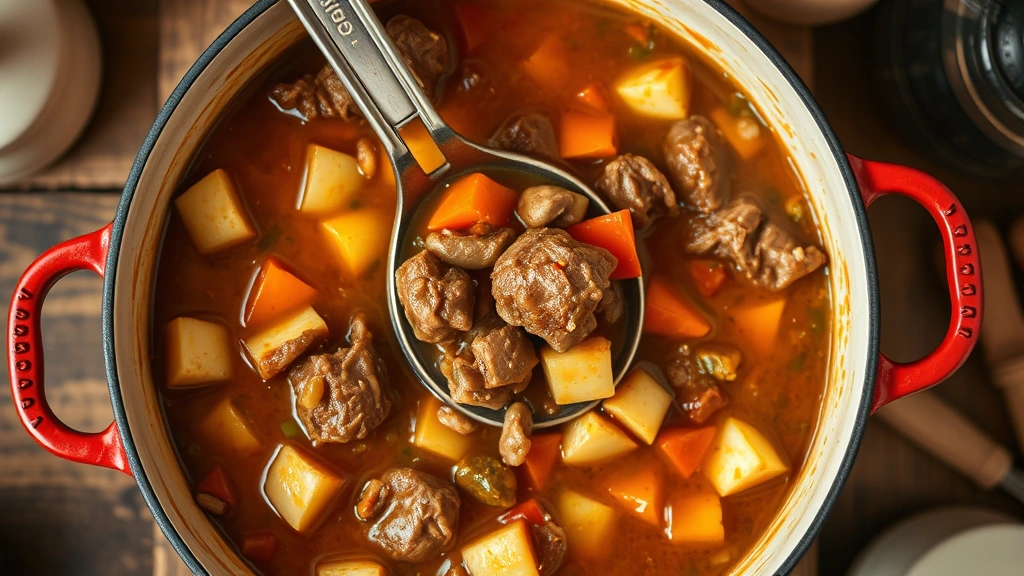
Add your browned beef back to the pot along with beef broth, Worcestershire sauce, and hot sauce. Bring to a boil, then reduce heat to low. Cover and simmer for 1.5 to 2 hours until beef is tender. Add potatoes, beans, and remaining vegetables. Continue simmering for another 30-40 minutes until potatoes are fork-tender.
Slow Cooker Method
For hands-off cooking, brown the beef using the stovetop method above, then transfer everything to a slow cooker. Add broth, seasonings, and all vegetables except potatoes and beans. Cook on low for 6-8 hours or high for 3-4 hours. Add potatoes and beans during the last hour of cooking. This method develops incredibly tender meat and allows flavors to meld beautifully.
Instant Pot Method
Using an Instant Pot dramatically reduces cooking time. Use the sauté function to brown beef and vegetables as described above. Add broth and seasonings, then pressure cook on high for 25 minutes. Allow natural pressure release for 10 minutes, then quick release. Add potatoes and beans, and pressure cook for another 8 minutes. This method is perfect when you need dinner on the table quickly.
The key to all methods is allowing adequate time for the beef to become genuinely tender. This isn’t a dish to rush—low and slow cooking develops the best flavors and textures.
Delicious Recipe Variations
While traditional cowboy stew is delicious, experimenting with variations keeps the recipe fresh and exciting for regular family dinners.
Spicy Cowboy Stew
Increase the hot sauce to 3-4 tablespoons and add 1-2 jalapeños, diced and seeded. Include an extra teaspoon of chili powder and a pinch of cayenne pepper. This version appeals to those who love bold, fiery flavors.
Loaded Cowboy Stew
Add diced bacon at the beginning of cooking, setting aside the cooked pieces to stir in at the end. Include shredded cheddar cheese as a topping when serving. Some families even add corn and diced bell peppers for extra color and sweetness. This heartier version rivals dishes like philly cheese steak in terms of satisfying, indulgent flavor.
Vegetarian Cowboy Stew
Replace beef with extra beans and hearty vegetables. Use vegetable broth instead of beef broth. Add mushrooms, sweet potatoes, and zucchini for substance and nutrition. Include extra garlic and herbs to compensate for the missing beef umami. This version is equally satisfying and budget-friendly.
White Bean Cowboy Stew
Use great northern beans or cannellini beans instead of kidney beans. Add diced ham or smoked turkey for flavor. Include white wine in the broth for sophistication. This lighter variation feels less heavy while maintaining authentic cowboy stew character.
Serving Suggestions and Pairings
Cowboy stew shines when paired with complementary sides and toppings that enhance the overall dining experience.
Bread and Grain Pairings
Serve cowboy stew with crusty bread for soaking up the delicious broth. Cornbread is an authentic choice that honors the recipe’s frontier roots. Fresh sourdough pizza crust torn into chunks works surprisingly well for bread bowls. Rice or egg noodles can be stirred directly into the stew for extra heartiness.
Toppings and Garnishes
Shredded cheddar cheese adds richness and tang. Fresh chopped cilantro or parsley brightens the dish. Sliced green onions provide gentle onion flavor and visual appeal. Sour cream stirred into individual bowls creates creaminess. Hot sauce on the side lets diners customize spice levels.
Side Dishes
A simple green salad with vinaigrette provides freshness and balance. Roasted vegetables offer additional nutrients. Pickled vegetables add tangy contrast. Coleslaw works well for a lighter, crunchier accompaniment.
Beverage Pairings
Iced tea is the traditional pairing for cowboy stew. Beer, particularly amber ales or lagers, complements the hearty flavors beautifully. Coffee or hot cider works well in colder months. For non-alcoholic options, lemonade or fresh-pressed apple cider are excellent choices.
Storage and Make-Ahead Tips
One of cowboy stew’s greatest advantages is how well it stores and improves with time as flavors meld and develop.
Refrigerator Storage
Allow the stew to cool to room temperature before transferring to airtight containers. Refrigerate for up to 4 days. The stew actually tastes better the next day as flavors have time to marry. Simply reheat gently on the stovetop, adding a splash of broth if the consistency has thickened too much.
Freezer Storage
Cowboy stew freezes beautifully for up to 3 months. Cool completely before freezing in airtight containers or freezer bags, leaving some headspace for expansion. Label with the date for easy tracking. Thaw overnight in the refrigerator before reheating. Alternatively, reheat directly from frozen on the stovetop, adding extra cooking time.
Make-Ahead Strategies
Prepare all ingredients the night before and store in the refrigerator in separate containers. Brown the beef and sauté vegetables ahead of time, then combine everything when ready to cook. Some families make a double batch on Sunday, enjoying it throughout the week for quick dinners. The flexibility of cowboy stew makes meal planning effortless.
FAQ
Can I make cowboy stew without beef?
Absolutely. Use chicken, turkey, pork, or skip meat entirely for a vegetarian version. Adjust cooking times accordingly—chicken and pork require less time than beef. Vegetarian versions should include extra beans and vegetables for substance and protein.
What if my stew is too thick or too thin?
If too thick, add more broth gradually until reaching desired consistency. If too thin, mix a tablespoon of cornstarch with cold water to create a slurry, then stir into the simmering stew. Alternatively, simmer uncovered for 15-20 minutes to reduce and thicken naturally.
Can I use canned beans instead of dried?
Yes, canned beans are convenient and work perfectly. Drain and rinse them thoroughly to remove excess sodium. Add them during the last 20 minutes of cooking to prevent them from becoming mushy. If using dried beans, soak overnight and cook until tender before adding to the stew.
How can I make cowboy stew less spicy?
Reduce or eliminate hot sauce, jalapeños, and cayenne pepper. Use mild chili powder instead of spicy varieties. Let diners add their own hot sauce at the table rather than cooking it into the stew. This approach works well for families with varying spice preferences.
Is cowboy stew gluten-free?
Traditional cowboy stew is naturally gluten-free when made with beef broth, beans, potatoes, and vegetables. Check Worcestershire sauce labels, as some brands contain gluten—look for certified gluten-free versions. Avoid flour-based thickeners and serve with gluten-free bread options.
What’s the difference between cowboy stew and chili?
Cowboy stew includes potatoes and a broth-based liquid, making it brothier and heartier with chunky vegetables. Chili is typically thicker, bean-focused, and spiced differently with more emphasis on chili powder and cumin. Cowboy stew is more of a traditional stew, while chili is its own distinct category. Some recipes blur the lines, but traditional cowboy stew leans toward the stew format.
Can I add other vegetables to cowboy stew?
Certainly. Sweet potatoes, zucchini, green beans, corn, bell peppers, peas, and mushrooms all work well. Add harder vegetables like sweet potatoes at the same time as regular potatoes. Add tender vegetables like zucchini and peas in the last 15 minutes of cooking to prevent them from becoming mushy.
How long does cowboy stew take to cook?
Stovetop cooking takes approximately 2.5 to 3 hours total. Slow cooker cooking requires 6-8 hours on low or 3-4 hours on high. Instant Pot cooking takes about 45 minutes from start to finish, including prep time. The longer, slower methods develop deeper flavors, but all methods produce delicious results.
Is cowboy stew kid-friendly?
Yes, cowboy stew is excellent for families with children. The tender beef, soft vegetables, and hearty beans appeal to most kids. Make a milder version without hot sauce or spicy seasonings for younger palates. Let children customize their bowls with toppings like cheese and sour cream, making it interactive and fun.
What cooking equipment do I need?
A large pot or Dutch oven works for stovetop cooking. A slow cooker is ideal for hands-off preparation. An Instant Pot offers quick cooking. A sharp knife for chopping vegetables and cutting beef is essential. Measuring spoons and cups ensure proper seasoning. Any home cook has these basic tools available.
Cowboy stew represents the best of comfort food cooking—simple, nourishing, and designed for sharing with people you love. Whether you’re preparing it for a casual weeknight dinner or a weekend gathering, this family favorite cowboy stew recipe delivers consistent, satisfying results that have made it a beloved classic across America. Master the basic technique, then experiment with variations until you create your family’s signature version. The beauty of cowboy stew is that there’s no single “right” way to make it—only the way that brings your family together around the table.


