Cream of Wheat Ideas: Nutritionist-Approved Recipes & Variations
Cream of Wheat has been a breakfast staple for generations, offering a warm, comforting start to the day. This versatile semolina-based cereal deserves far more attention than the basic preparation most people know. Whether you’re looking to boost nutrition, explore creative flavor combinations, or discover ways to incorporate it beyond breakfast, this guide reveals dozens of delicious possibilities that nutritionists genuinely recommend.
The beauty of Cream of Wheat lies in its neutral flavor profile and smooth, creamy texture. It serves as an excellent canvas for both sweet and savory additions, making it adaptable to any meal or dietary preference. From protein-packed morning bowls to sophisticated dinner sides, understanding how to elevate this humble ingredient transforms it from mundane to memorable.
Classic Sweet Variations That Nutritionists Approve
The traditional sweet preparation of Cream of Wheat serves as the foundation for countless variations. Start with the basic formula: one part Cream of Wheat to four parts liquid (milk, water, or a combination), cooked over medium heat while stirring constantly for five to seven minutes until creamy. This simple base becomes extraordinary with thoughtful additions.
Cinnamon and honey combinations remain timeless because they work. Rather than adding these ingredients directly to the pot, consider creating a layered effect. Cook your Cream of Wheat with milk, then drizzle warm honey on top and sprinkle cinnamon across the surface. This preserves the honey’s delicate flavor and creates textural contrast. Add a handful of toasted nuts—walnuts, pecans, or almonds—for crunch and healthy fats that improve nutrient absorption.
Brown sugar and vanilla represent another nutritionist-friendly option when you use minimal brown sugar and rely on real vanilla extract for sweetness perception. The vanilla tricks your palate into sensing more sweetness than actually present, reducing added sugar content. Top with fresh berries, which add fiber, antioxidants, and minimal calories.
Maple syrup devotees should try the autumn-inspired variation combining Cream of Wheat with pumpkin puree, warm spices like nutmeg and ginger, and a modest drizzle of maple syrup. This preparation provides beta-carotene from the pumpkin while maintaining reasonable sugar levels. The spices add flavor complexity without calories, and you can even add Greek yogurt for protein and creaminess.
Chocolate lovers need not feel deprived. Unsweetened cocoa powder mixed into Cream of Wheat during cooking creates genuine chocolate flavor. Add a touch of honey and a pinch of sea salt to enhance the chocolate notes. This version appeals to children and adults alike, transforming breakfast into something that feels indulgent while remaining nutritionally sound.
Protein-Powered Breakfast Bowls
Nutritionists consistently recommend pairing carbohydrates with protein to stabilize blood sugar and extend satiety. Cream of Wheat provides excellent carbohydrates, but adding protein transforms it into a complete meal. Prepare your base Cream of Wheat using half milk and half water for creaminess without excessive fat.
Greek yogurt swirled into warm Cream of Wheat creates a creamy texture while delivering 15-20 grams of protein per serving. The yogurt’s tang balances sweet additions like berries or honey. For extra protein boost, consider cottage cheese, which creates a slightly different texture but provides similar nutritional benefits. Some creative cooks blend cottage cheese into the warm cereal for a completely smooth consistency.
Nut butter additions—almond, peanut, or cashew—provide both protein and healthy fats. A two-tablespoon serving adds roughly eight grams of protein plus satiety-promoting fats. Swirl the nut butter on top of your finished bowl rather than stirring it in, creating an appealing presentation and allowing you to control how much you consume. Pair with banana slices for potassium and natural sweetness.
Egg-based preparations offer another protein avenue. Some traditional recipes incorporate whisked eggs into Cream of Wheat during cooking, creating a custard-like consistency. This technique requires careful stirring to prevent scrambling, but when executed properly, produces an exceptionally creamy bowl with 6-8 grams of additional protein per egg used.
Protein powder integration works surprisingly well in Cream of Wheat. Vanilla or unflavored varieties blend seamlessly into the warm cereal without creating texture issues. Add the powder after cooking when the mixture has cooled slightly to prevent heat damage to the protein. This approach transforms Cream of Wheat into a post-workout recovery meal, particularly appealing to athletes and fitness enthusiasts.
Nuts and seeds scattered across the top provide textural contrast and nutritional density. Hemp seeds, chia seeds, pumpkin seeds, and sunflower seeds all contribute protein, healthy fats, and micronutrients. A quarter-cup serving adds approximately 5-8 grams of protein plus fiber, making your breakfast substantially more nutritious.
Savory Applications Beyond Breakfast
While sweet preparations dominate Cream of Wheat consumption, savory applications deserve exploration. These preparations often surprise people unfamiliar with polenta or other grain-based savory dishes, yet Cream of Wheat offers similar versatility.
The foundational savory Cream of Wheat uses vegetable or chicken broth instead of milk, with salt and white pepper as seasoning. Cook until creamy, then top with sautéed vegetables, grated cheese, or a soft-poached egg. This preparation works beautifully as a side dish alongside roasted proteins, offering a lighter alternative to mashed potatoes while providing similar comfort-food satisfaction.
Cheese-forward preparations echo the appeal of our best mac and cheese recipe, delivering creamy richness through dairy. Stir sharp cheddar, Gruyère, or Parmesan into finished Cream of Wheat cooked in broth. Add fresh thyme and cracked black pepper for sophistication. This variation pairs excellently with roasted vegetables or alongside beef stew crockpot preparations.
Mediterranean-inspired versions incorporate sun-dried tomatoes, fresh basil, garlic, and olive oil. Cook Cream of Wheat in vegetable broth, then finish with these flavorful additions. A drizzle of quality olive oil and fresh Parmesan create a dish worthy of serving to guests. This preparation demonstrates how humble ingredients transform into restaurant-quality food through technique and flavor pairing.
Cajun and creole variations use creole seasoning recipe principles, incorporating paprika, cayenne, garlic, and onion powder into the cooking liquid. This spiced foundation accepts additions like diced bell peppers, sautéed shrimp, or andouille sausage, creating a complete one-bowl meal reminiscent of traditional Southern cooking.
Asian-inspired preparations use chicken or vegetable broth with soy sauce, ginger, and sesame oil. Top with sautéed bok choy, mushrooms, and a soft-boiled egg. This variation offers familiarity to anyone who enjoys rice bowls, yet provides different nutritional benefits and interesting textural contrasts.
Nutritional Benefits & Science Behind Cream of Wheat
Understanding the nutritional profile of Cream of Wheat helps explain why nutritionists recommend it. Made from durum wheat semolina, Cream of Wheat provides complex carbohydrates that fuel sustained energy throughout your morning. A single serving (roughly one-third cup dry) contains approximately 140 calories, 28 grams of carbohydrates, and 5 grams of protein in its standard form.
The semolina used in Cream of Wheat contains B vitamins, including thiamine, riboflavin, and niacin, which support energy metabolism and nervous system function. Fortified varieties include additional iron and folic acid, making Cream of Wheat particularly valuable for individuals at risk of micronutrient deficiencies, including pregnant women and those following plant-based diets.
Glycemic index considerations matter for blood sugar management. Cream of Wheat ranks as a moderate glycemic index food, meaning it raises blood sugar more gradually than refined carbohydrates but faster than whole grains. Pairing it with protein, healthy fats, or fiber significantly reduces its glycemic impact, which explains why nutritionists recommend the protein-powered variations discussed earlier.
The semolina’s particle size contributes to Cream of Wheat’s digestibility. The fine particles break down readily in the digestive system, making it an excellent choice for individuals with sensitive digestion, those recovering from illness, or anyone seeking easily digestible carbohydrates. This quality explains its historical use in hospital and convalescent diets.
Research from nutritional science databases demonstrates that whole grain semolina provides superior nutritional benefits compared to refined versions. When possible, choose whole wheat Cream of Wheat varieties, which retain the bran and germ, providing additional fiber and nutrients. However, standard Cream of Wheat remains nutritionally acceptable, particularly when fortified.
Cooking Techniques for Perfect Texture Every Time
Achieving the ideal Cream of Wheat consistency requires understanding proper cooking technique. The most common mistake involves insufficient stirring, resulting in lumpy texture. Begin by bringing your liquid to a gentle boil, then slowly whisk in Cream of Wheat while stirring constantly. The whisking action distributes particles evenly, preventing clumping.
The ratio of liquid to Cream of Wheat determines final consistency. For creamy but not runny texture, use four parts liquid to one part dry cereal by volume. If you prefer thicker Cream of Wheat, reduce liquid to three and one-half parts. Conversely, those who enjoy pourable consistency should use four and one-half to five parts liquid. Keep in mind that Cream of Wheat continues thickening as it cools, so finished product should seem slightly thinner than your target consistency.
Cooking time significantly impacts texture. Most recipes recommend five to seven minutes of cooking time, but this varies based on heat level and desired thickness. Medium heat provides better control than high heat, reducing the risk of scorching on the pan bottom. Stir occasionally throughout cooking, paying special attention to the bottom and sides where thickening occurs most rapidly.
Temperature management prevents the grainy texture some people dislike. Never add cold liquid to hot Cream of Wheat, as temperature shock can cause graininess. Instead, maintain consistent temperature throughout cooking by using warm liquid from the start. If you need to adjust consistency, add liquid that matches the pot temperature.
For advance preparation, cook Cream of Wheat slightly thinner than desired, then refrigerate in an airtight container. Before serving, reheat gently over low heat or in the microwave, adding milk or water to restore desired consistency. This approach works beautifully for busy mornings when time is limited.
Kid-Friendly Cream of Wheat Ideas
Children often resist unfamiliar foods, yet Cream of Wheat’s mild flavor and creamy texture appeal to young palates. The key to kid success involves familiar flavor combinations and fun presentations that encourage participation and exploration.
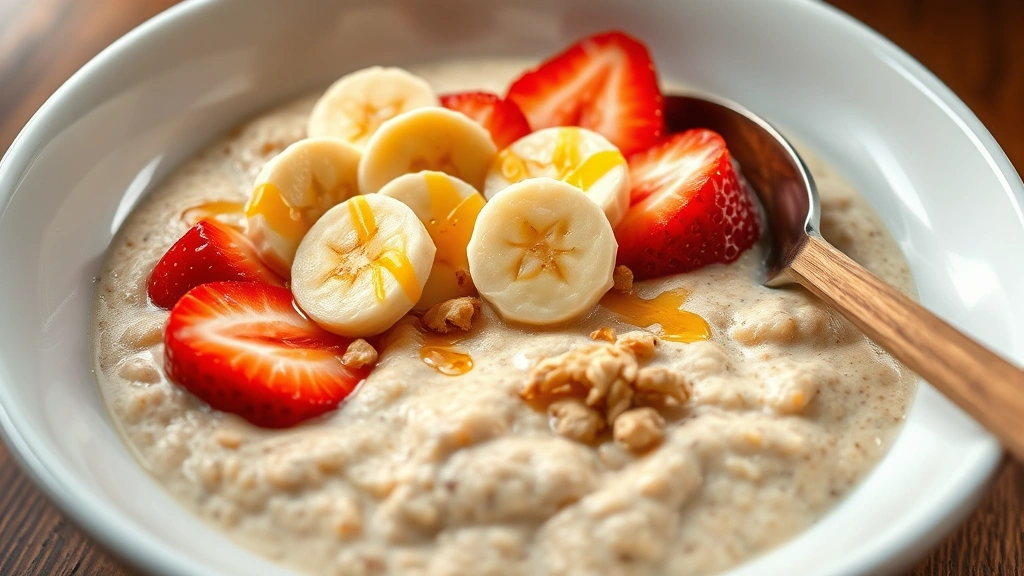
Strawberry and banana variations combine two fruits children typically enjoy. Cook Cream of Wheat with milk, then top with sliced fresh strawberries and banana coins. A drizzle of honey and a sprinkle of ground cinnamon create visual appeal. Involve children in topping their own bowls, transforming breakfast preparation into a fun activity that increases their investment in eating.
Peanut butter and jelly reimagines the classic sandwich as a breakfast bowl. Swirl creamy peanut butter into warm Cream of Wheat, then add a spoonful of fruit preserves on top. Kids find this combination familiar and exciting, and it provides protein from the peanut butter alongside carbohydrates from the cereal.
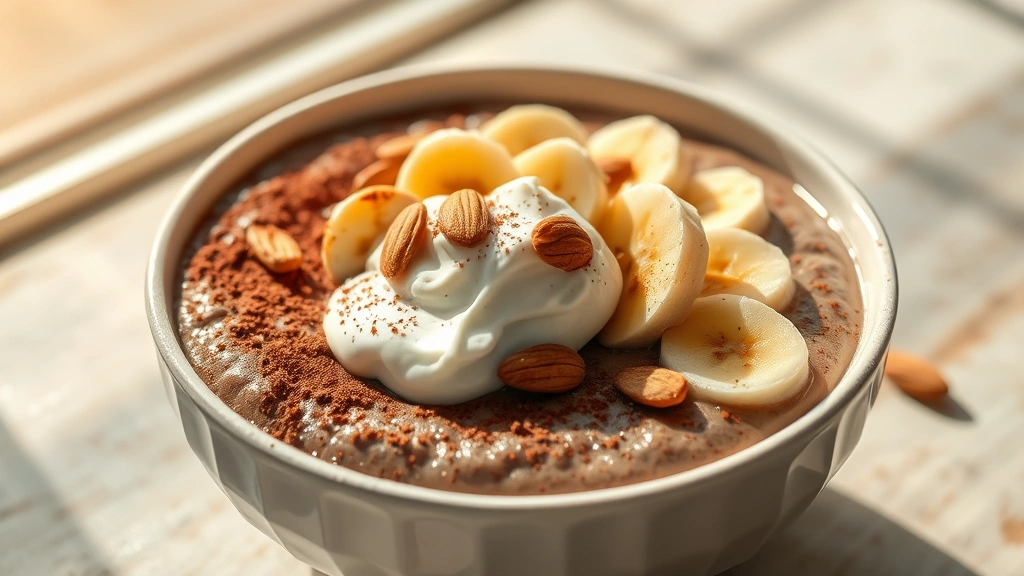
Chocolate banana bowls appeal to children’s love of chocolate while delivering nutritional value. Mix unsweetened cocoa powder into the Cream of Wheat during cooking, add a touch of honey for sweetness, then top with banana slices. This preparation feels like dessert for breakfast, yet contains minimal added sugar.
Fruit and granola combinations offer textural variety that keeps children interested. Top finished Cream of Wheat with their favorite granola and fresh berries. The crunch contrasts with the cereal’s creaminess, and children enjoy the autonomy of choosing which berries to add.
Marshmallow variations appeal to children’s sweet tooth while remaining reasonable in sugar content. Use minimal marshmallows as a garnish rather than stirring them throughout. Add a pinch of cocoa powder and a drop of vanilla extract to create hot chocolate flavor, then top with a few mini marshmallows that partially melt into the warm cereal.
Advanced Preparations & Gourmet Twists
For home cooks seeking to elevate Cream of Wheat beyond basic preparations, sophisticated techniques and ingredient combinations create restaurant-quality results. These approaches require only slightly more effort than standard recipes yet produce notably impressive outcomes.
Cardamom and rose water preparations draw inspiration from Middle Eastern and Indian cuisines. Cook Cream of Wheat in milk infused with crushed cardamom pods, then finish with a few drops of rose water and a scatter of pistachios. This combination creates an exotic flavor profile that surprises and delights sophisticated palates.
Caramelized brown butter elevates simple Cream of Wheat into something extraordinary. Brown butter slowly in a separate pan until it develops a nutty aroma and golden color, then drizzle over finished cereal. The complexity of browned butter’s flavor compounds adds depth impossible to achieve through standard cooking methods. Pair with toasted hazelnuts and a hint of sea salt.
Saffron-infused preparations create visual drama and sophisticated flavor. Steep a pinch of saffron threads in warm milk before cooking the Cream of Wheat, creating a golden hue and delicate floral notes. Finish with pistachios, dried apricots, and a touch of honey. This preparation works beautifully for special breakfast occasions or brunches.
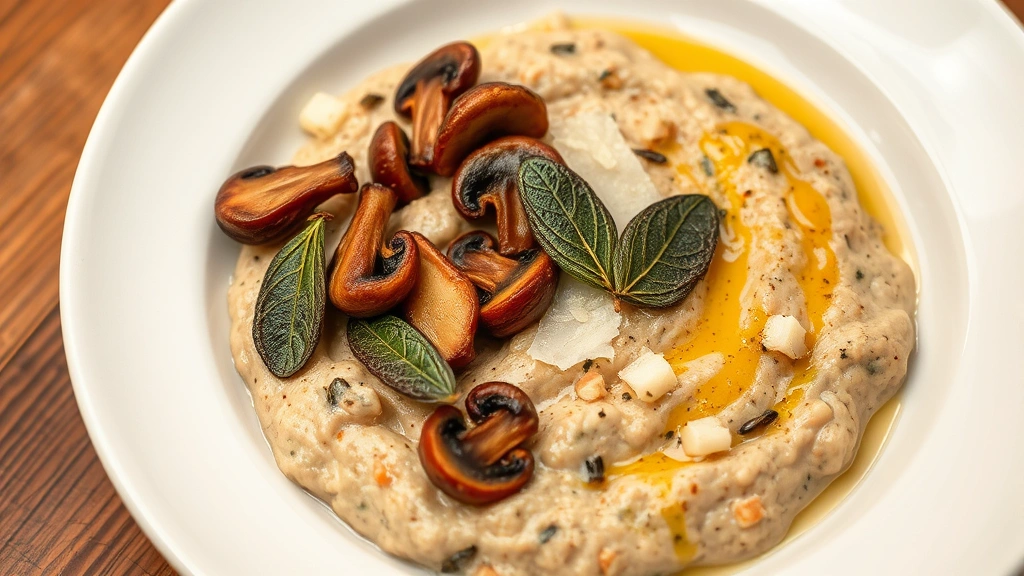
Savory preparations benefit from homemade broth. Unlike commercial broths, homemade versions offer superior depth and quality. Cook Cream of Wheat in vegetable or chicken broth you’ve prepared yourself, then finish with sautéed mushrooms, crispy sage, and aged Parmesan. This approach demonstrates how ingredient quality directly impacts final dish quality.
Textural layering creates professional presentations. Prepare a base of smooth Cream of Wheat, then top with components offering different textures: crispy breadcrumbs, crunchy nuts, soft fruit, and creamy yogurt. This attention to texture transforms breakfast from functional to memorable, demonstrating that presentation matters as much as taste.
Inspired by shrimp recipes with rice preparations, consider creating a seafood version using Cream of Wheat as the base. Cook in seafood or vegetable broth, then top with sautéed shrimp, caramelized onions, and fresh herbs. This sophisticated preparation works for brunch or light dinners.
Spice-forward preparations use warming spices like star anise, cinnamon, clove, and ginger. Create a spice-infused milk by simmering these spices in milk before using it to cook Cream of Wheat. Strain the milk before cooking to remove whole spices, resulting in subtle flavor without grittiness. This approach creates comfort-food appeal with sophisticated depth.
Storage Tips & Make-Ahead Options
Understanding proper storage extends the usefulness of Cream of Wheat and enables convenient meal preparation. Uncooked Cream of Wheat stores indefinitely in an airtight container kept in a cool, dry location. Glass containers work better than paper packaging for long-term storage, preventing moisture absorption and pest entry.
Cooked Cream of Wheat keeps refrigerated for three to four days in airtight containers. Allow it to cool to room temperature before refrigerating, as hot containers create condensation that promotes bacterial growth. When reheating, add milk or water to restore the desired consistency, as Cream of Wheat continues thickening as it cools.
Freezing prepared Cream of Wheat works successfully for up to two months, though texture changes slightly upon thawing. Freeze in individual portions in ice cube trays or small containers for convenient single-serving meals. Thaw overnight in the refrigerator, then reheat gently with added liquid. This approach works particularly well for busy parents preparing breakfast in advance.
Overnight Cream of Wheat preparations offer another make-ahead option. Cook Cream of Wheat slightly thinner than usual, then transfer to mason jars or containers. Refrigerate overnight, and the mixture transforms into a pudding-like consistency. In the morning, add milk or yogurt to achieve desired consistency, then add toppings. This approach requires minimal morning effort while delivering warm breakfast.
Flavor components store separately for maximum freshness. Prepare nut butters, spice blends, and fruit toppings ahead of time, storing them in individual containers. Each morning, cook fresh Cream of Wheat, then quickly assemble with pre-prepared components. This approach maintains superior flavor while minimizing actual cooking time.
FAQ
Is Cream of Wheat healthy for daily consumption?
Yes, Cream of Wheat is nutritionally appropriate for daily consumption, particularly when prepared with protein and healthy fats. Its mild flavor and gentle digestibility make it suitable for regular eating. However, variety matters nutritionally, so alternating Cream of Wheat with other grains, oatmeal, and whole grain options ensures broader micronutrient intake.
Can I use Cream of Wheat for dinner or savory meals?
Absolutely. Cream of Wheat works beautifully as a savory side dish or base for complete meals. Cook it in broth instead of milk, season with salt and pepper, then top with vegetables, proteins, or cheese. Think of it as an alternative to mashed potatoes or rice with greater nutritional density.
What’s the difference between Cream of Wheat and grits or polenta?
All three are grain-based cereals, but they differ in source grain and processing. Cream of Wheat uses wheat semolina, grits use corn, and polenta uses cornmeal. Texture and flavor vary accordingly, though cooking methods remain similar. Cream of Wheat generally cooks faster and produces a smoother texture than grits.
How can I make Cream of Wheat more interesting for picky eaters?
Involve picky eaters in topping selection, allowing them to choose from pre-prepared options. Start with familiar flavors like banana and honey, then gradually introduce new combinations. The texture of Cream of Wheat appeals to many children, so texture-based resistance is less common than with chunky foods.
Can Cream of Wheat accommodate dietary restrictions?
Standard Cream of Wheat contains wheat and may contain gluten depending on processing. Gluten-free alternatives exist from various manufacturers. Dairy-free versions use plant-based milk instead of regular milk. Most variations accommodate vegetarian and vegan diets through thoughtful topping selections and cooking liquid choices.
What’s the best liquid for cooking Cream of Wheat?
Whole milk creates the richest, creamiest result. However, combinations of milk and water, plant-based milk, or broth all work well depending on your flavor goals. Broth creates savory versions, while milk-based liquids produce sweet applications. Experiment to discover your preferred consistency and flavor.
How do I prevent lumpy Cream of Wheat?
Constant stirring while adding Cream of Wheat to boiling liquid prevents lumping. Use a whisk rather than a spoon for better distribution. Never add cold Cream of Wheat to cold liquid; always bring liquid to a boil first. If lumps do form, strain the mixture through a fine-mesh sieve immediately.


