Authentic Cuban Food? Grandma’s Secret Recipes
Cuban cuisine is more than just food—it’s a living connection to history, family, and the vibrant culture of the Caribbean. When you bite into a perfectly seasoned ropa vieja or savor the crispy exterior of a croqueta, you’re tasting generations of tradition passed down through families who guarded their recipes like treasures. My grandmother’s kitchen in Havana was my first culinary school, where I learned that authentic Cuban cooking isn’t about fancy techniques or expensive ingredients. It’s about respect for simple, quality ingredients, bold flavors, and the love poured into every dish.
This guide will unlock the secrets that have made Cuban food beloved across the world. Whether you’re looking to recreate your abuela’s signature dishes or discover new favorites, these authentic Cuban food recipes will transport your dinner table straight to the heart of Cuba. From slow-cooked meats to vibrant rice dishes and traditional desserts, you’ll find everything you need to cook like a true Cuban grandmother.
The Foundation of Cuban Cooking
Understanding authentic Cuban cuisine begins with recognizing its multicultural roots. Spanish colonization, African heritage, and Caribbean influences have woven together to create a unique culinary identity. Cuban cooking celebrates the sofrito—that holy trinity of onions, garlic, and bell peppers sautéed in olive oil—as the foundation for countless dishes. This aromatic base appears in nearly every savory recipe, building layers of flavor that define the cuisine.
The cooking philosophy emphasizes slow, patient preparation. Unlike modern fast-paced cooking, Cuban grandmothers understand that great flavor develops over time. Whether braising meat for hours or allowing rice to absorb broth gradually, patience is the secret ingredient. This approach transforms tough cuts of meat into tender, succulent masterpieces and allows spices to meld into harmonious, complex flavors.
Authenticity also means using accessible, affordable ingredients. Cuban cuisine developed from necessity—making delicious meals from what was available. This resourcefulness means you don’t need exotic or expensive items to cook authentically. Fresh garlic, citrus juices, cumin, and quality olive oil are your best friends in Cuban cooking.
Essential Spices and Ingredients
Every Cuban grandmother keeps specific staples in her pantry. Cumin is non-negotiable—its earthy, warm notes appear in practically every savory dish. Oregano, preferably Mexican oregano, provides herbaceous depth. Garlic and onions form the aromatic backbone, while lime and orange juices add bright acidity that balances rich meats.
Saffron occasionally appears in special dishes, adding golden color and subtle floral notes. Bay leaves, cilantro, and black pepper round out the spice cabinet. For cooking, olive oil is essential—it’s used generously and unapologetically. Tomato sauce (not paste) provides body and slight sweetness to many braised dishes.
Don’t overlook specialty ingredients like adobo seasoning, which combines garlic, oregano, cumin, and salt into one convenient blend. Mojo—a citrus and garlic marinade—is fundamental for pork dishes. Having these elements ready means you’re always prepared to create authentic Cuban meals.
Ropa Vieja: The Soul of Cuban Cuisine
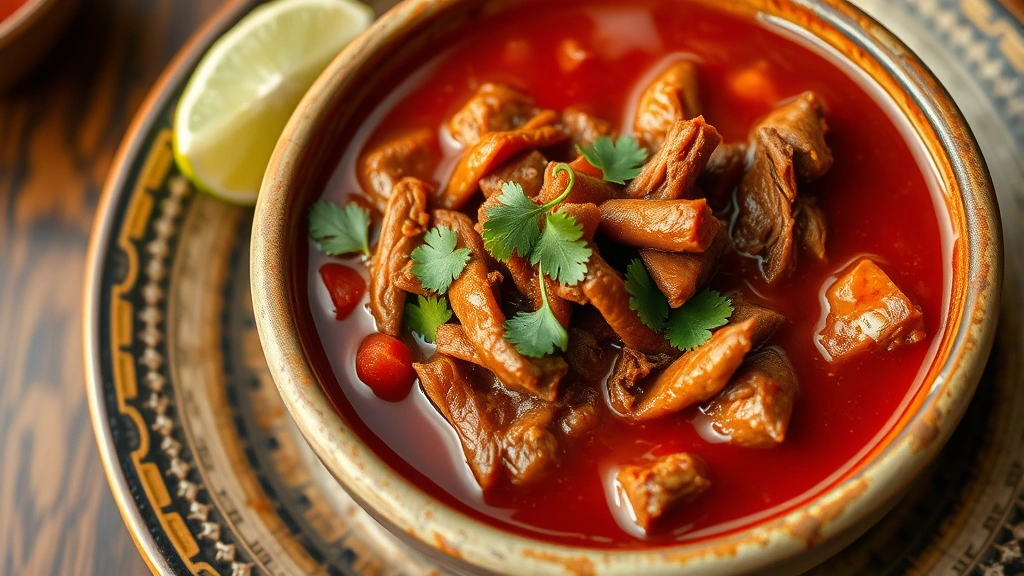
Ropa vieja, meaning “old clothes,” is Cuba’s most iconic dish. The name refers to how the shredded beef resembles tattered fabric, but the reality is pure comfort and sophistication. This dish represents everything beautiful about Cuban cooking: transforming humble beef short ribs into something extraordinary through time and technique.
The foundation starts with a generous sofrito base. Sauté diced onions, bell peppers (red, yellow, and green for authenticity), and minced garlic in olive oil until fragrant and softened. Add tomato sauce, beef broth, cumin, oregano, and bay leaves. The liquid should be flavorful—this is what will braise the meat into tenderness.
Sear your beef short ribs in a separate pan until deeply browned on all sides. This crucial step develops the Maillard reaction, creating complex flavors. Transfer the seared meat to your braising liquid. The meat should be mostly submerged. Cover and braise low and slow—either in a 300°F oven for 3-4 hours or using a slow cooker for 6-8 hours.
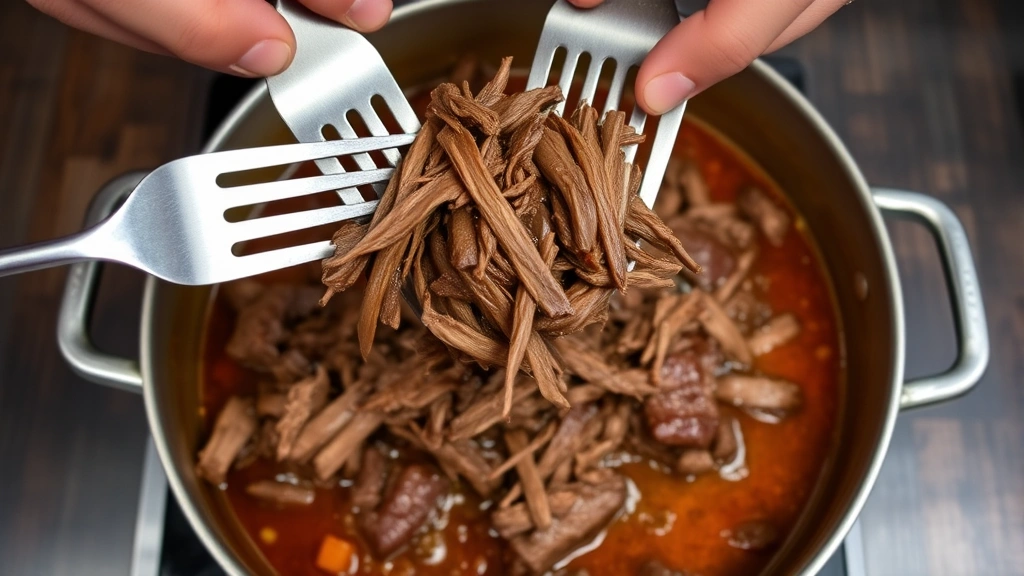
The magic happens during braising. The connective tissue breaks down into gelatin, the muscle fibers relax and absorb flavor, and the cooking liquid becomes rich and concentrated. When the meat is fork-tender, remove it and shred using two forks. Return the shredded meat to the sauce and let it simmer for 30 minutes, allowing the meat to absorb more of those incredible flavors.
For variations, check out our guide on beef short rib recipes for additional preparation methods. You might also explore boneless short ribs recipe options if you prefer a different cut, or try our beef short ribs recipe slow cooker guide for hands-off cooking.
Slow-Cooked Meats and Stews
Cuban cuisine celebrates slow-cooked meats in various forms. Picadillo, ground beef with olives and raisins, is a beloved weeknight dinner. Rabo encendido, oxtail stew, is comfort food at its finest. Carne con papas, beef stew with potatoes, appears on family tables throughout Cuba.
The technique remains consistent: build a flavorful base, sear your meat, braise low and slow. For pork shoulder roast, which is equally important in Cuban cooking, the same principles apply. Marinate in mojo (garlic, citrus, oregano, cumin) for at least 4 hours or overnight. Sear until golden, then braise in the marinade mixed with broth until the meat shreds easily.
These stews improve with time. Prepare them a day ahead—the flavors meld and deepen overnight. Reheat gently before serving. This make-ahead quality makes Cuban cooking practical for busy families. You’re not sacrificing authenticity for convenience; you’re honoring how Cuban cooks have always worked, preparing dishes in advance for family gatherings.
Consider trying healthy crockpot recipes for modern interpretations of traditional slow-cooked dishes. For pork shoulder roast recipes, you’ll find countless Cuban-inspired variations that maintain authenticity while offering cooking flexibility.
Rice Dishes That Define Cuban Tables
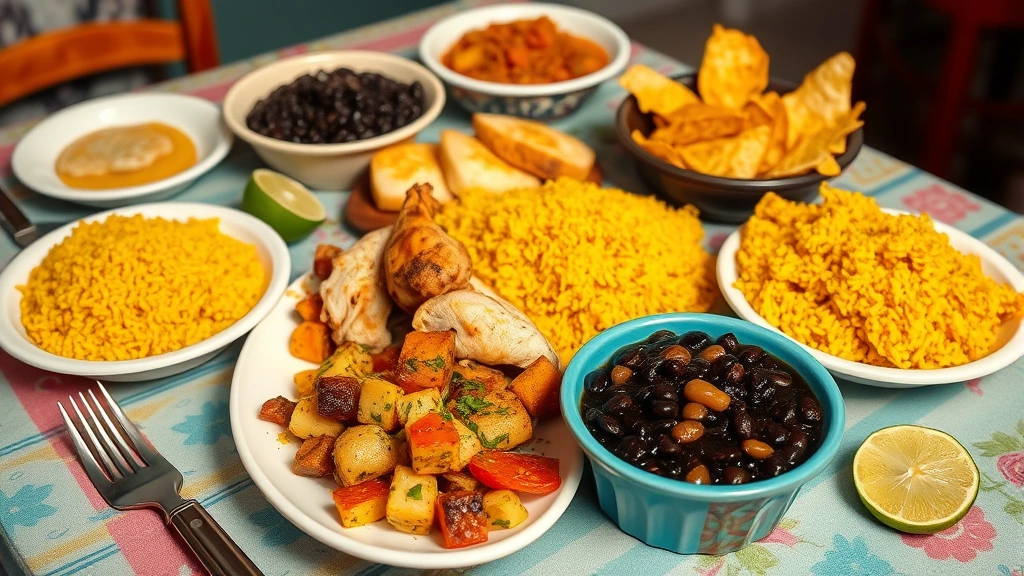
No Cuban meal is complete without rice. Arroz blanco (white rice) is the foundation, cooked simply with garlic, oil, and salt. The technique is crucial: sauté garlic briefly in oil, add long-grain white rice, toast for 2-3 minutes, then add broth (typically chicken or vegetable). The ratio is roughly 2:1 broth to rice. Bring to a boil, reduce heat to low, cover, and cook for 18-20 minutes without lifting the lid.
Arroz con pollo, rice with chicken, is a one-pot masterpiece. Build your sofrito, add cubed chicken and sear until golden, add rice and toast it, then add broth with saffron, peas, and olives. Everything cooks together in one pot, allowing flavors to meld beautifully. Some recipes add a splash of beer or wine for depth.
Moros y cristianos (black beans and rice) gets its poetic name from the Moors and Christians of Spanish history. Cook black beans separately with garlic, cumin, and bay leaf until creamy, then fold into white rice. The contrast of colors and textures is visually stunning and incredibly flavorful.
Arroz amarillo (yellow rice) uses saffron or bijol (annatto) for its golden hue and subtle flavor. Some versions add vegetables and seafood, creating a complete meal in one pot.
Appetizers and Sides
Cuban appetizers showcase the cuisine’s Spanish and Caribbean influences. Croquetas are crispy, golden croquettes filled with ham, chicken, or cheese. The technique involves creating a béchamel sauce, chilling it, forming into cylinders, breading, and deep-frying until golden. Serve with mojo or lime wedges for dipping.
Empanadas are pastry pockets filled with spiced meat, cheese, or seafood. The filling is essentially seasoned ground meat with sautéed onions and peppers, enclosed in simple dough and fried or baked until crispy.
Plantain chips are a staple side dish. Slice green plantains thinly, fry until crispy, and season with salt. They’re crispy, slightly savory, and addictive. Ripe plantain can be sliced and fried until caramelized, creating a sweet side that balances savory mains.
Yuca con mojo features fried cassava root topped with the iconic garlic-citrus sauce. The creamy interior and crispy exterior create perfect textural contrast. Black bean soup is hearty and warming, often served as a first course.
Desserts and Sweet Traditions
Cuban desserts reflect Spanish traditions adapted to Caribbean ingredients. Flan, a silky custard with caramel sauce, is the quintessential Cuban dessert. The technique requires tempering eggs with sweetened condensed milk, straining for smoothness, and baking in a water bath. The caramel coating creates a beautiful contrast with the creamy custard.
Tres leches, “three milks” cake, is a decadent sponge cake soaked in evaporated milk, condensed milk, and heavy cream. It’s refrigerated overnight, allowing the milk mixture to absorb completely. Top with whipped cream and maraschino cherries for authenticity.
Arroz con leche (rice pudding) is comfort in a bowl. Cooked rice is simmered with sweetened condensed milk, cinnamon, and raisins until creamy. It’s served warm or chilled, often topped with more cinnamon.
Guava pastries feature sweet guava paste enclosed in flaky pastry, creating an elegant treat. Malangas (a root vegetable) can be candied for a unique dessert. Coconut flan variations add tropical flavor to the classic custard.
For special occasions, lechon asado (roast pork) might be served, though it’s more of a centerpiece than a dessert. The celebration of Cuban food culminates in gathering around the table, sharing stories, and savoring each bite.


