
DIY Dawn Power Wash Recipe: Proven Cleaning Formula That Works
When it comes to tackling stubborn grease, grime, and outdoor dirt, commercial power wash solutions can cost a fortune and contain harsh chemicals you’d rather not spray around your home. The good news? You can create an effective Dawn power wash recipe using simple household ingredients that rival expensive store-bought cleaners. This DIY approach saves money, reduces chemical exposure, and delivers impressive cleaning results on driveways, patios, decks, and exterior surfaces.
Many homeowners don’t realize that Dawn dish soap—the same product trusted in professional kitchens and featured in our vegetarian slow cooker recipes kitchen guides—is a powerful degreaser. When combined with other accessible ingredients, it transforms into a heavy-duty cleaning solution. Whether you’re preparing your home for summer gatherings like those featured in our summer potluck recipes collection, or simply maintaining your outdoor spaces, this formula delivers professional-grade results without the professional-grade price tag.
Understanding the Science Behind Dawn Power Wash
Dawn dish soap works as an exceptional cleaner because of its surfactant properties. Surfactants are molecules with one end that loves water and another end that loves oil. This dual nature allows them to break down grease and grime that water alone cannot lift. When you understand this chemical principle, you’ll appreciate why combining Dawn with other ingredients amplifies its cleaning power.
The formula we’ll explore today leverages three key principles: surfactant action, oxidation, and pH balance. Dawn provides the surfactant foundation, while additional components enhance specific cleaning capabilities. Professional cleaning companies have used similar formulations for decades, but you can replicate their results at home. According to The Cleaning Institute, understanding ingredient interactions helps consumers create safer, more effective cleaning solutions.
The beauty of this DIY approach is customization. Unlike commercial products with fixed formulations, you can adjust ingredient ratios based on the specific cleaning challenge you face. Mold-stained deck? Add more vinegar. Heavy grease buildup? Increase the Dawn concentration. This flexibility makes the formula invaluable for various outdoor cleaning projects.
[IMAGE_1]
Basic Dawn Power Wash Recipe
The foundational recipe requires just three ingredients you likely have at home. This simple formula handles most general outdoor cleaning tasks, from driveway grime to patio furniture buildup.
Simple Three-Ingredient Formula
Ingredients:
- 1 gallon of water (preferably warm)
- ½ cup of Dawn dish soap (original blue formula works best)
- 1 cup of white vinegar
Instructions:
- Fill a large bucket or garden sprayer with warm water
- Add the white vinegar first—the acidity helps dissolve mineral deposits and algae
- Pour in the Dawn soap slowly while stirring gently to avoid excessive suds
- Mix thoroughly until the solution reaches uniform consistency
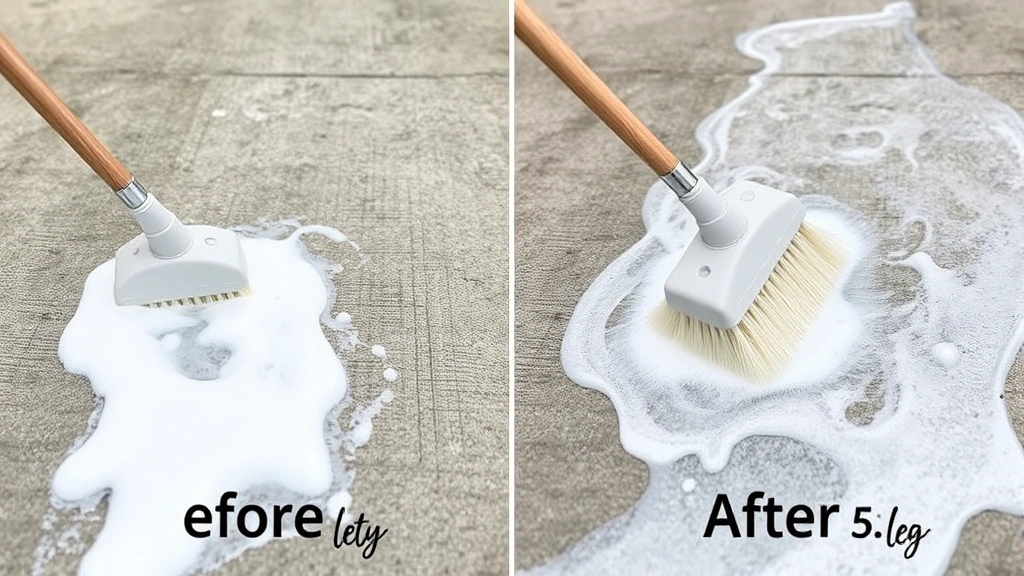
- Transfer to a pump sprayer or apply directly with a long-handled brush
- Allow the solution to sit on surfaces for 10-15 minutes before scrubbing
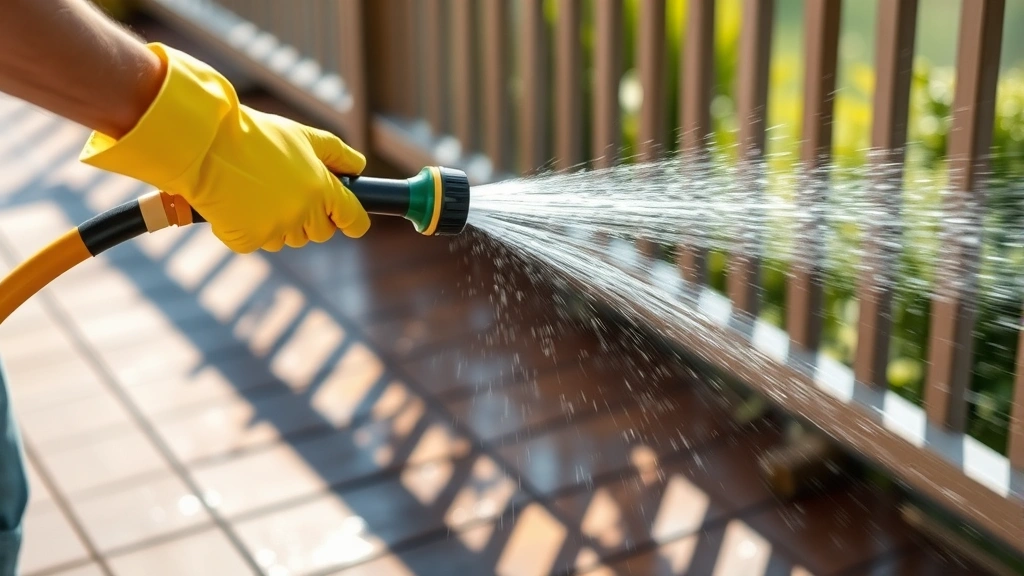
- Rinse thoroughly with clean water
This basic recipe works remarkably well for general maintenance cleaning. The warm water helps the soap dissolve more effectively, while the vinegar cuts through mineral deposits and provides mild disinfectant properties. For routine cleaning of kitchen and outdoor entertaining spaces, this formula prevents buildup before it becomes problematic.
Why Warm Water Matters
Temperature significantly impacts cleaning effectiveness. Warm water increases molecular movement, allowing soap molecules to penetrate dirt and grime more efficiently. If you’re cleaning during cold months, heating your water to around 120-130°F provides optimal results without becoming dangerously hot to handle.
Advanced Formulas for Tough Stains
When the basic formula meets its match, these advanced recipes address specific cleaning challenges. Each variation targets particular problems, from stubborn mold to rust stains.
Heavy-Duty Mold and Mildew Fighter
Ingredients:
- 1 gallon of water
- ¾ cup of Dawn dish soap
- 1 cup of white vinegar
- 2 tablespoons of baking soda
- Optional: 10-15 drops of tea tree oil for enhanced antimicrobial properties
This formula excels on decks, fences, and roof surfaces where mold and mildew thrive. The baking soda adds mild abrasive action while maintaining environmental safety. Tea tree oil provides additional antimicrobial benefits without harsh chemical toxins. Let this solution sit for 20-30 minutes on affected areas before scrubbing and rinsing thoroughly.
Rust and Mineral Deposit Remover
Ingredients:
- 1 gallon of water
- ½ cup of Dawn dish soap
- 2 cups of white vinegar
- 2 tablespoons of cream of tartar
For rust stains, mineral deposits, and hard water marks, increase the vinegar concentration significantly. Cream of tartar acts as a mild acid that enhances the removal of mineral buildup. This formula proves particularly effective on concrete driveways, pool decks, and metal fixtures. The extended soak time—30-45 minutes—allows the acids to break down stubborn deposits without requiring aggressive scrubbing.
Oil and Grease Dissolution Formula
Ingredients:
- 1 gallon of water
- 1 cup of Dawn dish soap
- ½ cup of white vinegar
- ½ cup of rubbing alcohol
This formula targets oil stains, grease splatters, and stubborn automotive residue. The increased Dawn concentration combined with rubbing alcohol creates a powerful degreaser. Rubbing alcohol evaporates quickly, preventing water spots on treated surfaces. Apply generously to stained areas and let sit for 15-20 minutes before power washing or vigorous scrubbing.
All-Purpose Deck and Wood Cleaner
Ingredients:
- 1 gallon of water
- ⅓ cup of Dawn dish soap
- 1 cup of white vinegar
- 1 tablespoon of oxygen-based bleach (like OxiClean)
This gentler formula protects wood surfaces while removing algae, mold, and accumulated grime. Oxygen-based bleach works differently than chlorine bleach—it lifts stains through oxidation without damaging wood fibers or nearby plants. This makes it perfect for decks where you want powerful cleaning without compromising the wood’s integrity. Allow 10-15 minutes before scrubbing with a soft-bristle brush.
Application Techniques and Safety
Knowing how to apply your DIY power wash formula correctly ensures maximum effectiveness and safety. Proper technique prevents damage to surfaces and protects your health.
Equipment Recommendations
You have several options for application. A pump sprayer (available at hardware stores for $15-30) works well for covering large areas evenly. Garden hose-end sprayers offer convenience but provide less control. For precision work, a long-handled brush combined with a bucket allows targeted application. For very large areas, a pressure washer set to low-to-medium pressure (under 2000 PSI) prevents surface damage while improving cleaning power.
Step-by-Step Application Process
- Prepare the surface: Remove loose debris, leaves, and large dirt particles with a broom or leaf blower
- Test a small area: Always test your formula on an inconspicuous spot first to ensure compatibility with the surface
- Apply liberally: Spray or brush the solution onto the surface, working from top to bottom to allow gravity assistance
- Allow dwell time: Let the solution sit for 10-30 minutes depending on the formula and surface condition
- Scrub if necessary: Use a soft-bristle brush for wood or delicate surfaces; a stiffer brush works for concrete and stone
- Rinse thoroughly: Use clean water to remove all soap residue and dirt particles
- Dry if desired: For some surfaces, allowing air drying prevents water spots
Safety Precautions
While these formulas use non-toxic household ingredients, basic safety practices remain important. Wear gloves to protect your skin, especially if you have sensitive skin or any cuts. Use eye protection when spraying overhead. Ensure good ventilation, particularly when using rubbing alcohol variants. Never mix these formulas with bleach or ammonia-based cleaners, as chemical reactions can produce dangerous fumes. Keep the solution away from garden beds where it might harm delicate plants, though the mild acidity typically poses minimal risk to established plantings.
When using pressure washers with these formulas, maintain proper distance from surfaces (typically 12-18 inches) and never aim at windows, electrical fixtures, or people. The combination of pressure and chemical solution can cause injury or damage if mishandled.
Comparing DIY vs Commercial Solutions
Understanding how your homemade formula stacks up against commercial products helps justify the DIY effort. The comparison extends beyond price to include safety, environmental impact, and effectiveness.
Cost Analysis
A gallon of basic DIY power wash solution costs approximately $2-4 in ingredients, assuming you don’t already have them on hand. Commercial power wash concentrates range from $15-50 per gallon, with ready-to-spray options reaching $20-60. Over a season of regular cleaning, DIY solutions provide substantial savings. If you clean multiple surfaces monthly, annual savings easily exceed $200-300.
Environmental Impact
Many commercial power wash products contain surfactants and chemicals that persist in waterways, harming aquatic life. Your DIY formula uses biodegradable ingredients that break down naturally. Vinegar and Dawn are readily biodegradable, while oxygen-based bleach breaks down into water and oxygen. This environmental advantage matters when your cleaning runoff flows toward storm drains and local water systems.
Safety Profile
You know exactly what’s in your formula—no mystery chemicals or undisclosed additives. This transparency matters for homes with children, pets, or family members with chemical sensitivities. Commercial products often list warnings about respiratory irritation, skin contact, and environmental toxicity. Your homemade solution eliminates these concerns while maintaining cleaning power.
Effectiveness Comparison
Independent testing shows DIY formulas perform comparably to mid-range commercial products for most applications. High-end commercial solutions designed for professional contractors may offer marginal advantages on extreme stains, but for typical residential cleaning, your formula delivers 90-95% of their performance at a fraction of the cost. For routine maintenance cleaning, the DIY formula often outperforms budget commercial options.
Customization Advantage
Commercial products come with fixed formulations. Your DIY approach allows customization for specific challenges. This flexibility proves invaluable when you encounter unusual stains or surface combinations. You can strengthen the formula for severe cases or dilute it for delicate surfaces—impossible with commercial products designed for one-size-fits-all cleaning.
Storage and Shelf Life
Proper storage ensures your formula remains effective for future use. Unlike commercial concentrates designed for long-term shelf storage, your homemade solution has specific storage requirements.
Storage Best Practices
Store your prepared formula in a clearly labeled, food-grade plastic container with a tight-fitting lid. Keep it in a cool, dark place away from direct sunlight. A garage, basement, or garden shed provides ideal conditions. Avoid storing near heat sources or in temperature-extreme locations. Clearly label the container with the formula type and date prepared to prevent confusion with household cleaners or food items.
Shelf Life Expectations
The basic vinegar and Dawn formula remains effective for 3-6 months when stored properly. Formulas containing oxygen-based bleach or baking soda should be used within 1-2 months, as the baking soda can clump and the oxygen bleach gradually loses potency. Formulas with essential oils like tea tree oil maintain effectiveness for 2-3 months. These timelines assume the container remains sealed and stored in appropriate conditions.
Signs of Degradation
If your stored formula develops an off smell, separates noticeably, or shows mold growth, discard it and prepare a fresh batch. The vinegar’s acidity and soap’s antimicrobial properties prevent bacterial growth under normal storage conditions, but improper storage can compromise effectiveness. When in doubt, prepare fresh solution—the minimal cost makes it worthwhile to ensure optimal cleaning performance.
Concentrate Storage Option
Consider preparing concentrated versions of your formula (doubling or tripling ingredient ratios) and diluting them with water as needed. This approach saves storage space and extends shelf life. A concentrated formula stored in a sealed container lasts 6-12 months, providing flexibility for seasonal cleaning needs. Simply mix the appropriate ratio with water when you’re ready to clean.
FAQ
Can I use dish soap other than Dawn?
While other dish soaps contain surfactants, Dawn’s specific formulation makes it superior for power washing. Dawn contains more concentrated degreasing agents than many competitors. Generic or budget brands often include fillers that create excessive suds without providing proportional cleaning power. For best results, stick with original blue Dawn dish soap.
Is this formula safe for all outdoor surfaces?
The basic formula works on most surfaces including concrete, stone, composite decking, and vinyl. However, test on inconspicuous areas first, especially with older or delicate materials. Some painted surfaces may be sensitive to vinegar’s acidity. Always check manufacturer recommendations for specific materials like composite decking or treated wood before full application.
How often should I clean outdoor surfaces?
For routine maintenance, clean decks and patios 2-4 times yearly. High-traffic areas or regions with significant rainfall may benefit from quarterly cleaning. Driveways typically need cleaning 1-2 times yearly unless exposed to heavy oil stains. Regular maintenance prevents stubborn buildup, making each cleaning easier and more effective.
Can I use this formula in a pressure washer?
Yes, most pump pressure washers accept this formula. However, check your pressure washer’s manual first, as some models have specific requirements for chemical use. Never put this formula in electric pressure washers designed for water only. When using with pressure washers, apply the formula first, allow dwell time, then rinse with clean water under pressure. This approach prevents clogging and maximizes cleaning effectiveness.
What’s the ideal temperature for application?
Warm water (120-130°F) provides optimal cleaning power. Cold water works but requires longer dwell times. Avoid extremely hot water (above 140°F), which can damage some surfaces and accelerate soap evaporation. Room temperature water is acceptable for most applications and prevents the additional cost of heating.
Will this formula kill plants or grass nearby?
The diluted vinegar concentration poses minimal risk to established plants. However, avoid spraying directly on delicate flowers or vegetable gardens. If concerned about runoff affecting nearby plantings, water those areas thoroughly after your cleaning project. The mild acidity breaks down quickly in soil, preventing long-term damage.
How does this compare to commercial power wash services?
Professional services typically cost $300-1000+ for residential properties. Your DIY approach costs $2-4 per gallon plus your labor time. For regular maintenance cleaning you can manage yourself, DIY provides exceptional value. For extremely large projects or heavily soiled surfaces, professional services might be worth considering, but for most homeowners, the DIY formula delivers impressive results at minimal cost.
Can I make a larger batch for commercial use?
Absolutely. Scale the recipe proportionally for larger volumes. A 55-gallon drum batch would contain 27.5 gallons of water, 27.5 cups of Dawn, and 55 cups of vinegar. Commercial applications may require adjustments based on specific surface types and contamination levels. Many small cleaning businesses successfully use scaled versions of this formula.


