
Top Vegetarian Slow Cooker Recipes: Expert Picks
Vegetarian slow cooker recipes have revolutionized plant-based home cooking, transforming simple ingredients into deeply flavorful, restaurant-quality meals with minimal effort. Whether you’re a committed vegetarian, flexitarian, or simply looking to reduce meat consumption, slow cookers offer the perfect solution for busy weeknight dinners. These versatile appliances excel at coaxing maximum flavor from vegetables, legumes, and grains while you focus on other tasks.
The beauty of slow cooking vegetarian meals lies in the extended cooking time, which allows flavors to meld and develop complexity that would take hours on the stovetop. From hearty bean stews to creamy curries, mushroom ragùs to stuffed pepper medleys, the slow cooker becomes your culinary partner in creating satisfying, nutritious dishes. We’ve compiled expert-approved recipes and techniques that will elevate your vegetarian cooking game and prove that meatless meals can be just as craveable as any meat-based dish.
Why Slow Cookers Perfect Vegetarian Cooking
Slow cookers are particularly well-suited for vegetarian cooking because they address one of the primary challenges plant-based cooks face: achieving depth of flavor without the natural richness that meat provides. The prolonged, gentle heat allows vegetables to break down gradually, releasing their natural sugars and creating complex, caramelized notes that develop over hours rather than minutes.
The moist cooking environment prevents vegetables from drying out, a common pitfall when cooking plant-based proteins like beans and lentils using traditional methods. Additionally, slow cookers excel at infusing legumes with aromatic flavors from herbs, spices, and aromatics, creating dishes that taste like they’ve simmered for days. This method also preserves heat-sensitive nutrients better than high-temperature cooking methods, making your meals not just delicious but nutritionally superior.
Temperature control in slow cookers ensures even cooking throughout large batches, eliminating hot spots and undercooked portions. For vegetarians managing multiple dietary preferences at home, slow cookers allow you to prepare satisfying meatless meals that appeal to omnivores and plant-based eaters alike. Consider pairing your slow cooker creations with easy dinner recipes for beginners to round out your meal planning strategy.
Essential Preparation Techniques
Proper preparation transforms ordinary ingredients into extraordinary slow cooker dishes. The foundation of any successful vegetarian slow cooker recipe begins with understanding layering—the strategic placement of ingredients to optimize flavor extraction and texture development.
Aromatic Base Building: Always start with an aromatic base of onions, garlic, and celery. Sauté these ingredients in a skillet before adding to your slow cooker, developing caramelized notes that form the flavor foundation. This extra step, taking just five minutes, dramatically enhances the final dish’s complexity. Add garlic near the end of sautéing to prevent burning.
Vegetable Preparation: Cut vegetables into uniform sizes to ensure even cooking. Harder vegetables like root vegetables should be cut smaller than softer vegetables like zucchini or tomatoes, which break down more quickly. Place heartier vegetables near the bottom of the slow cooker where heat is most intense, and tender vegetables on top.
Spice Blooming: Toast whole spices in a dry skillet for thirty seconds before adding to your slow cooker. This blooming process awakens essential oils and intensifies flavor. Ground spices benefit from brief toasting as well, though they require less time to avoid scorching.
Liquid Management: Vegetables release moisture during cooking, so reduce liquid compared to stovetop recipes. Use approximately half the liquid you’d normally use, adding more only if the dish appears too dry at the halfway point. Slow cookers trap steam, concentrating flavors rather than diluting them.
Acid Integration: Add acidic ingredients like tomatoes, vinegar, or citrus juice during the final thirty minutes of cooking. Extended exposure to acid can break down vegetables excessively, turning them mushy. This timing preserves texture while allowing acid flavors to integrate into the dish.
Herb Timing: Tender fresh herbs should be added in the final fifteen minutes, while hardy herbs like rosemary and thyme can withstand the full cooking duration. Dried herbs can be added at the beginning, as slow cooking fully rehydrates and activates them. For detailed herb preservation guidance, explore our complete guide to preserving herbs.
Classic Vegetarian Slow Cooker Recipes
Tuscan White Bean and Kale Stew: This rustic Italian-inspired dish combines creamy white beans with nutrient-dense kale, creating a satisfying meal that feels both wholesome and indulgent. Layer diced onions, minced garlic, diced carrots, and celery in your slow cooker. Add two cans of cannellini beans (drained and rinsed), six cups of vegetable broth, one teaspoon of dried Italian herbs, and sea salt to taste. Cook on low for six hours. During the final thirty minutes, stir in fresh kale, diced tomatoes, and a splash of balsamic vinegar. The result is a deeply flavored stew with tender vegetables and creamy beans.
Vegetable Minestrone: This traditional Italian vegetable soup showcases seasonal produce while providing complete nutrition. Begin with your aromatic base of onions, garlic, and celery. Add diced carrots, zucchini, green beans, diced tomatoes, kidney beans, and small pasta shapes. Use vegetable broth as your liquid base, flavoring with Italian herbs and bay leaves. Cook on low for seven to eight hours, adding the pasta during the final thirty minutes so it maintains its texture. This versatile recipe adapts beautifully to whatever vegetables you have available.
Enchilada Verde Casserole: Layer corn tortillas with black beans, corn, green enchilada sauce, and cheese for a slow cooker version of this Mexican favorite. Start with a thin layer of sauce, then alternate tortilla pieces, bean mixture, and cheese, finishing with sauce and cheese on top. Cook on low for four to five hours until the sauce bubbles around the edges and cheese melts throughout. Serve with fresh cilantro, lime wedges, and avocado slices for authentic flavor.
Protein-Packed Legume Dishes
Legumes are the vegetarian slow cooker champion, providing plant-based protein, fiber, and essential minerals while absorbing surrounding flavors beautifully. Understanding how to properly prepare legumes ensures tender, creamy results every time.
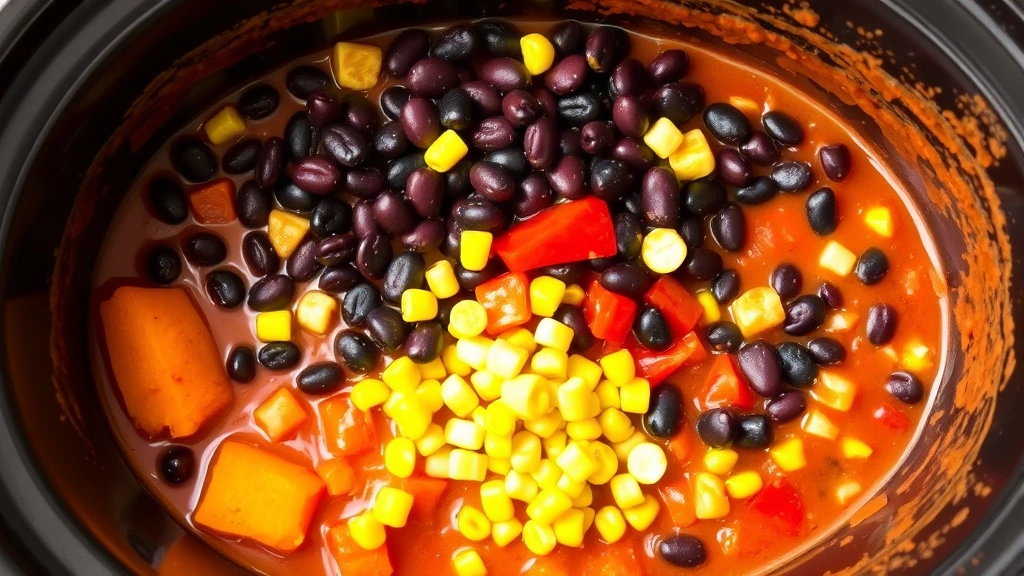
Black Bean Chili: This warming classic delivers satisfying depth and can be customized endlessly. Combine diced onions, minced garlic, diced bell peppers, and jalapeños as your flavor base. Add three cans of black beans (or six cups cooked dried beans), one large can of crushed tomatoes, tomato paste, cumin, chili powder, oregano, and a pinch of cayenne. The slow cooker’s gentle heat allows spices to fully develop without overwhelming the palate. Cook on low for six to eight hours. Top with diced onions, cilantro, lime crema, and crushed tortilla chips for textural contrast.
Lentil and Vegetable Ragù: This sophisticated dish proves vegetarian cooking can be elegant and restaurant-worthy. Brown diced mushrooms in a skillet before slow cooking, concentrating their umami flavors. Combine with cooked lentils, diced carrots, celery, onions, garlic, tomato paste, red wine, vegetable broth, and Italian herbs. The extended cooking time transforms lentils into creamy, almost velvety components that thicken the sauce naturally. Serve over creamy polenta, pasta, or alongside crusty bread for an unforgettable meal.
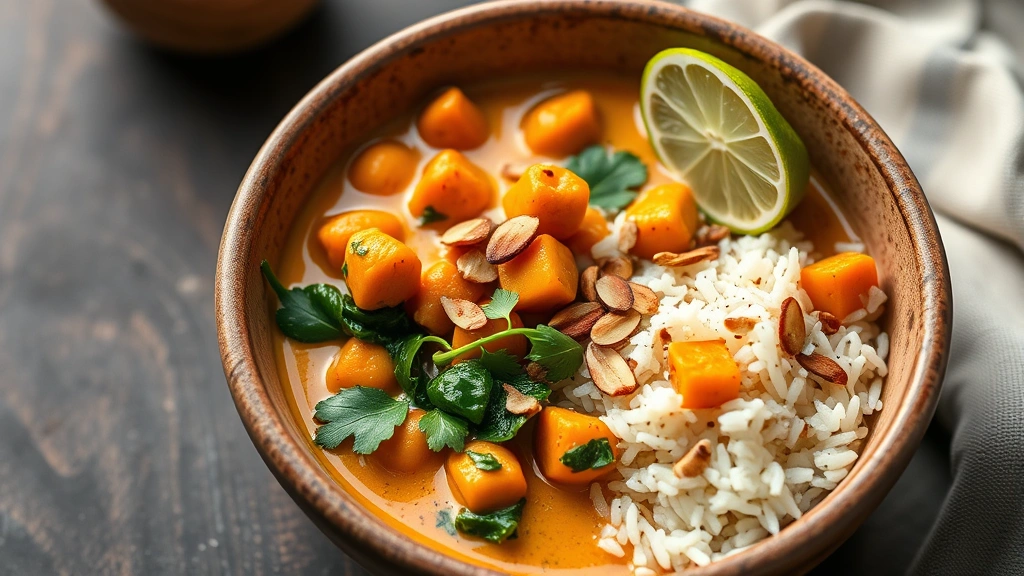
Chickpea Curry: Transform humble chickpeas into an aromatic, satisfying curry using your slow cooker. Create a spice paste by combining turmeric, cumin, coriander, ginger, and garlic with coconut milk. Layer diced onions in your slow cooker, then add the spice paste, chickpeas, diced tomatoes, sweet potato cubes, and spinach. Cook on low for five to six hours, stirring in fresh cilantro and lime juice before serving. The slow cooker perfectly balances spices without requiring constant attention.
Aromatic Curry and Global Flavors
Slow cookers excel at developing the complex spice profiles characteristic of global cuisines. The extended cooking time allows spices to fully bloom and integrate, creating dishes that taste like they’ve simmered for hours in traditional clay pots.
Thai Red Curry with Vegetables: Combine coconut milk with Thai red curry paste, lime juice, fish sauce alternative (or tamari for vegetarians), and palm sugar to create an aromatic base. Layer Thai eggplant, bell peppers, bamboo shoots, snap peas, and basil leaves. The slow cooker gently infuses vegetables with curry flavors while maintaining their structure. Cook on low for three to four hours, adding fresh Thai basil and lime juice in the final minutes. Serve over jasmine rice with additional cilantro and crushed peanuts.
Indian Butternut Squash and Chickpea Curry: Roasted butternut squash provides natural sweetness that balances warming spices. Toast mustard seeds, cumin, and fenugreek in a dry skillet before combining with sautéed onions, garlic, and ginger. Add roasted butternut squash cubes, chickpeas, diced tomatoes, coconut milk, and vegetable broth. Slow cook on low for six hours, allowing spices to permeate every component. The result is a creamy, warming curry that satisfies vegetarians and meat-eaters alike.
Moroccan Tagine with Apricots and Almonds: This fragrant, slightly sweet dish combines warm spices with dried fruit and nuts. Layer diced onions, garlic, and ginger with carrots, sweet potatoes, chickpeas, dried apricots, and vegetable broth. Season with cinnamon, cumin, ginger, paprika, and a pinch of saffron if available. Cook on low for six to seven hours, stirring in toasted almonds and fresh cilantro before serving. Serve over couscous or with warm flatbread for an authentic Moroccan experience.
Comfort Food Favorites
Creamy Tomato and Basil Pasta: Create a slow cooker marinara that rivals hours of stovetop simmering. Combine crushed tomatoes, tomato paste, diced onions, minced garlic, vegetable broth, and dried Italian herbs. Cook on low for six to eight hours, allowing tomatoes to break down completely and flavors to concentrate. During the final fifteen minutes, stir in fresh basil, a pinch of sugar to balance acidity, and heavy cream or cashew cream for richness. Toss with your favorite pasta shape and finish with fresh basil and Parmesan cheese.
Vegetable Pot Pie Filling: Slow cookers create the perfect creamy vegetable mixture for pot pies. Layer diced potatoes, carrots, celery, peas, mushrooms, and onions with vegetable broth, thyme, and bay leaves. Cook on low for five hours until vegetables are tender. Create a slurry with cornstarch and vegetable broth, stirring into the slow cooker during the final thirty minutes to thicken. Pour into pie shells topped with puff pastry and bake until golden for a comforting, complete meal.
Sweet Potato and Black Bean Tacos: This colorful, nutrient-dense filling works beautifully in slow cookers. Cube sweet potatoes and combine with black beans, diced onions, minced garlic, cumin, chili powder, and vegetable broth. Cook on low for four to five hours until sweet potatoes are fork-tender. The natural sweetness of potatoes balances savory spices perfectly. Serve in warm tortillas with cabbage slaw, avocado, cilantro, and lime crema for a satisfying meal that appeals to all dietary preferences.
Expert Tips for Perfect Results
Size Matters: Choose an appropriately-sized slow cooker for your recipe. A cooker that’s too large results in insufficient liquid-to-ingredient ratio, while an overstuffed cooker cooks unevenly. Most recipes perform optimally when the slow cooker is between half and three-quarters full.
Avoid the Lid Lift: Every time you lift the slow cooker lid, you release steam and add fifteen to twenty minutes to cooking time. Resist the urge to peek unless you’re adding ingredients or checking doneness near the end of cooking. Trust the recipe timing and your slow cooker’s consistency.
Browning Matters: While slow cookers are convenient, browning aromatics and vegetables in a skillet first dramatically improves the final dish’s flavor complexity. This Maillard reaction creates caramelized, savory notes that slow cooking alone cannot achieve. The extra five minutes of prep work pays significant dividends.
Layering Strategy: Place harder vegetables on the bottom where heat is most intense, softer vegetables in the middle, and tender ingredients on top. This ensures even cooking and prevents some vegetables from becoming mushy while others remain firm. Liquid should cover approximately two-thirds of ingredients.
Temperature Settings: Low setting (approximately 190°F) cooks more gently and is ideal for delicate vegetables and tender herbs. High setting (approximately 280°F) is suitable for heartier vegetables and longer-cooking legumes. Most recipes can be converted: low for 8 hours equals high for 4 hours, though low typically produces superior flavor development.
Storage and Make-Ahead: Slow cooker meals improve with time as flavors meld and develop. Most vegetarian slow cooker dishes store beautifully in the refrigerator for four to five days and freeze excellently for up to three months. Prepare components the night before, storing them in the slow cooker’s ceramic insert in the refrigerator. Simply place the insert in the heating base in the morning and begin cooking.
Adapting Recipes: Don’t hesitate to modify recipes based on your preferences and available ingredients. Vegetarian slow cooker cooking is forgiving and adaptable. If you enjoy grandma approved dinner recipes, you’ll appreciate how slow cookers honor traditional cooking methods while offering modern convenience.
Flavor Building: Taste and adjust seasonings during the final thirty minutes of cooking. Salt draws out vegetable moisture during extended cooking, so add salt gradually rather than all at once. Acid from vinegar, citrus, or tomatoes should be added near the end to maintain brightness. Fresh herbs added at the very end provide color and fresh flavor that balances long-cooked components.
Texture Contrast: Slow cooker dishes benefit from textural contrast. Top finished dishes with toasted nuts, crispy fried onions, fresh herbs, or crunchy vegetables. This prevents the finished dish from feeling one-note and adds visual appeal. A squeeze of fresh citrus also brightens flavors and provides refreshing contrast to rich, slow-cooked components.
Explore additional simple meal ideas for beginners to build confidence with vegetarian cooking fundamentals. For dessert inspiration after your satisfying slow cooker meal, check out our gluten free dessert recipes.
FAQ
Can I use frozen vegetables in slow cooker recipes?
Yes, frozen vegetables work well in slow cookers, though they release more moisture than fresh vegetables. Reduce liquid slightly and add frozen vegetables directly without thawing. They may require slightly less cooking time than fresh vegetables. Avoid adding frozen vegetables until at least the halfway point of cooking to prevent them from becoming mushy.
How do I prevent vegetables from becoming mushy?
Layer vegetables strategically based on cooking time, placing hardy vegetables on the bottom and tender vegetables on top. Add delicate vegetables during the final hour of cooking. Use the low setting rather than high for more gentle, even cooking. Avoid overfilling the slow cooker, which creates uneven heat distribution.
What’s the best way to thicken slow cooker stews and curries?
Create a slurry by whisking cornstarch or arrowroot powder with cold vegetable broth, then stir into the slow cooker during the final thirty minutes of cooking. Alternatively, mash some cooked beans or vegetables against the side of the slow cooker to naturally thicken the liquid. Cooking on high for the final thirty minutes also allows some liquid to evaporate, concentrating flavors and thickening the dish.
Can I adapt meat-based slow cooker recipes for vegetarians?
Absolutely. Replace meat with legumes, mushrooms, or hearty vegetables providing similar protein and umami. Use vegetable broth instead of beef or chicken broth. Add soy sauce, miso paste, or nutritional yeast for savory depth. Increase cooking time slightly to allow vegetables to become tender. Adjust seasonings as needed since vegetable-based dishes may require more seasoning than meat-based versions.
How far in advance can I prepare slow cooker ingredients?
You can prepare and assemble ingredients up to twenty-four hours ahead. Store the filled ceramic insert in the refrigerator overnight, then place it in the heating base and begin cooking the next morning. This is perfect for busy schedules. However, avoid adding raw potatoes more than a few hours ahead, as they may darken. Add potatoes fresh or add them during the final few hours of cooking.
What external resources help with vegetarian slow cooker cooking?
The International Association of Culinary Professionals provides extensive vegetarian cooking resources and expert guidance. Serious Eats offers scientifically-backed cooking techniques and vegetarian recipe development. Cook’s Illustrated provides tested recipes with detailed methodology. Kitchen Stewardship focuses on whole-food vegetarian cooking. Hip Pressure Cooking explores pressure and slow cooking techniques for plant-based meals.
Should I brown beans before slow cooking?
Pre-soaking dried beans reduces cooking time and improves digestibility by breaking down oligosaccharides that cause bloating. Soak beans overnight in water, drain, and rinse before adding to your slow cooker. Canned beans require no soaking and cook beautifully in slow cookers. If using dried beans without soaking, increase cooking time to eight to ten hours on low.


