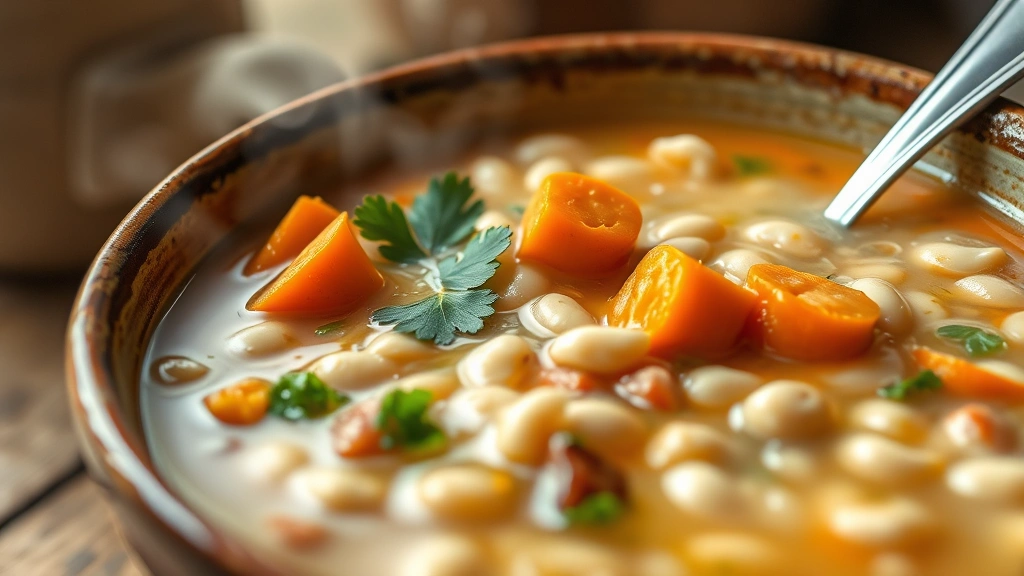
Ditalini Pasta Soup: Grandma’s Secret Recipe That’ll Warm Your Soul
There’s something magical about a steaming bowl of ditalini pasta soup that takes you back to childhood memories of sitting at Grandma’s kitchen table. This humble Italian classic, passed down through generations, combines tender pasta tubes, hearty vegetables, and a rich broth into pure comfort in a bowl. My grandmother guarded her recipe like a family treasure, and today I’m sharing the secrets that made her version unforgettable.
Ditalini pasta soup isn’t just food—it’s liquid nostalgia. The tiny, cylindrical pasta pieces catch the broth perfectly, creating a texture that’s neither too heavy nor too light. Whether you’re looking for a quick weeknight dinner or a way to use up vegetables from your garden, this soup delivers comfort without complicated techniques. Let me walk you through the exact method that made Grandma’s version legendary in our family.
Essential Ingredients Guide
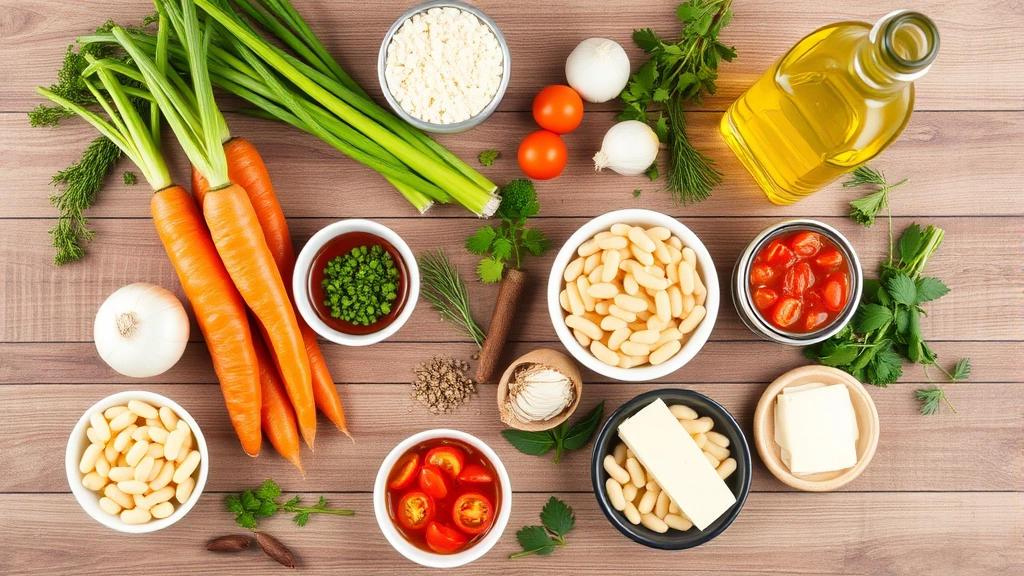
The foundation of exceptional ditalini pasta soup starts with quality ingredients. Unlike complicated recipes that require rare items, Grandma’s version uses pantry staples and fresh vegetables you probably already have. The beauty lies in how these simple components transform through proper cooking technique.
For the base (serves 6-8):
- 2 tablespoons extra virgin olive oil
- 1 large yellow onion, finely diced
- 3 medium carrots, cut into small chunks
- 2 celery stalks, diced
- 4 garlic cloves, minced
- 8 cups vegetable or chicken broth
- 1 can (14 oz) crushed San Marzano tomatoes
- 1 cup ditalini pasta (uncooked)
- 1 can (15 oz) white beans or cannellini beans, drained and rinsed
- 2 bay leaves
- 1 teaspoon dried Italian oregano
- ½ teaspoon dried thyme
- Salt and black pepper to taste
- Fresh parsley for garnish
- Parmesan cheese for serving
Grandma’s secret ingredient? A small piece of Parmesan rind added during simmering. This adds umami depth that you can’t achieve any other way. Save your cheese rinds in the freezer specifically for soup-making.
The choice of broth matters significantly. Homemade broth creates superior flavor, but quality store-bought versions work well too. Avoid broths with excessive sodium—you’ll be reducing the liquid, which concentrates salt. San Marzano tomatoes are worth seeking out; their lower acidity and sweeter flavor profile make noticeable difference in the final soup.
Step-by-Step Instructions
Step 1: Building the Flavor Base
Heat olive oil in a large Dutch oven or heavy-bottomed pot over medium heat. Once shimmering, add your diced onion. Cook for 4-5 minutes, stirring occasionally, until the onion becomes translucent and slightly golden at the edges. This process, called sweating the vegetables, releases natural sugars and creates the soup’s foundational flavor.
Add the diced carrots and celery. These vegetables form what Italian cooks call the soffritto—the holy trinity of aromatics. Stir well to coat everything in oil, then cook for another 5 minutes. You’re building layers of flavor that will develop throughout cooking.
Step 2: Incorporating Aromatics
Add your minced garlic and cook for 1 minute, stirring constantly. Garlic burns quickly, so don’t leave it unattended. You want fragrant, slightly golden garlic, not brown or burnt garlic, which turns bitter. This brief cooking mellows raw garlic intensity while releasing its aromatic compounds.
Step 3: Deglazing and Building Broth
Pour in your broth slowly while scraping the bottom of the pot with a wooden spoon. This technique, called deglazing, releases flavorful browned bits stuck to the bottom—pure liquid gold for soup depth. Add the crushed tomatoes, bay leaves, oregano, and thyme. Stir thoroughly to combine.
Step 4: The Crucial Simmering Phase
Bring the mixture to a gentle boil, then reduce heat to maintain a steady simmer. This is where patience matters. Simmer uncovered for 15 minutes, allowing the broth to meld flavors and the vegetables to soften slightly. The longer, gentler cook creates cleaner flavors than a rolling boil.
Step 5: Adding Pasta and Beans
This step requires attention. Add the ditalini pasta and canned beans simultaneously. Stir well to prevent pasta from sticking together. Continue simmering for 8-10 minutes, stirring occasionally, until the pasta reaches al dente (tender but slightly firm when bitten). Ditalini cooks faster than larger pasta shapes because of its small size, so watch carefully.
Step 6: Final Seasoning
Taste the soup and adjust seasonings. Remove and discard the bay leaves and Parmesan rind. Add salt and freshly ground black pepper gradually—you can always add more, but you can’t remove it. The broth should taste flavorful but not salty. Finish with a glug of quality olive oil and fresh chopped parsley.
Grandma’s Cooking Tips for Perfect Ditalini Pasta Soup
Timing the Pasta Addition
The most common mistake people make is adding pasta too early, resulting in mushy, overcooked soup. Ditalini needs only 8-10 minutes cooking time. If you’re making soup ahead and reheating, cook the pasta only halfway through, then finish cooking when you reheat. The pasta continues absorbing liquid as the soup sits, so slightly undercooking initially prevents mushiness.
Vegetable Preparation
Cut all vegetables into uniform, small pieces. This ensures even cooking and creates the proper texture for soup—you want vegetables soft enough to eat easily but substantial enough to provide texture. Grandma always said, “Cut like you mean it,” emphasizing consistency over speed.
Broth Quality Impact
The broth is your canvas. Using flavorful, quality broth (whether homemade or premium store-bought) elevates the entire soup. If using store-bought, taste it first. If it tastes overly salty or one-dimensional, you might want to dilute it slightly with water. Many cooks successfully use vegetable broth made from kitchen scraps.
The Parmesan Rind Secret
This isn’t optional if you want authentic flavor. Parmesan rinds contain glutamates—natural umami compounds that add savory depth impossible to achieve otherwise. Freeze rinds in a container and add them to any soup, stew, or braise. Remove before serving. One rind flavors an entire pot magnificently.
Temperature Management
Maintain a gentle simmer throughout. A rolling boil breaks down vegetables too quickly, clouds the broth, and cooks pasta unevenly. Gentle, consistent heat creates clearer broth and better texture throughout. If your soup boils vigorously, reduce heat immediately.
Preventing Pasta Stickiness
Stir the soup every 2-3 minutes after adding pasta. This prevents the small tubes from clumping together at the bottom. Some cooks toss the dry pasta in a bit of oil before adding it, which helps prevent sticking. Grandma always said, “A stirred pot makes happy pasta.”
Delicious Variations on the Classic Recipe
Hearty Meat Version
Brown 1 pound ground beef or Italian sausage in the pot before adding vegetables. Break it into small pieces and cook until no pink remains. Drain excess fat, then proceed with the soffritto. This creates a more substantial soup perfect for cold winters. The meat adds richness that pairs beautifully with the pasta and vegetables. For additional inspiration, explore beef mince recipes that could adapt to this soup base.
Vegetarian Power Soup
Skip the meat and add extra vegetables: diced zucchini, spinach, kale, or diced bell peppers. Add these heartier vegetables (like zucchini) at the same time as carrots. Add leafy greens (spinach, kale) in the last 2 minutes of cooking to preserve color and nutrients. This version works wonderfully as a vegetarian slow cooker recipe if you want hands-off cooking.
Creamy Ditalini Soup
After the pasta finishes cooking, stir in ½ cup heavy cream or half-and-half. Add it slowly while stirring to prevent curdling. This transforms the soup into something richer and more luxurious. Some cooks finish with a dollop of sour cream instead—equally delicious and slightly tangy.
Seafood Version
This unusual but delicious variation uses shrimp and clams. Add them in the last 2-3 minutes of cooking—just long enough for shrimp to turn pink and clams to open. Skip the beans and use seafood broth. Finish with fresh lemon juice and parsley. It’s sophisticated enough for special dinners yet simple enough for weeknights.
Spiced Variation
Add a pinch of red pepper flakes during the soffritto phase for subtle heat. Some cooks add a small pinch of cumin or smoked paprika for complexity. These additions honor the soup’s Italian roots while adding unexpected depth.
Storage, Serving, and Make-Ahead Tips
Proper Storage Methods
This soup refrigerates beautifully for up to 4 days in airtight containers. The flavors actually improve as the soup sits, with ingredients melding into deeper, more complex taste. The pasta will continue absorbing liquid, so the soup thickens as it sits. Reheat gently on the stovetop over medium heat, stirring occasionally, adding water if needed to reach desired consistency.
Freezing works well if you freeze before adding the pasta. Cool the broth and vegetables completely, transfer to freezer containers, and freeze for up to 3 months. Thaw overnight in the refrigerator, then bring to a simmer and add fresh ditalini pasta. This method prevents mushiness that sometimes occurs when cooked pasta freezes.
Serving Suggestions
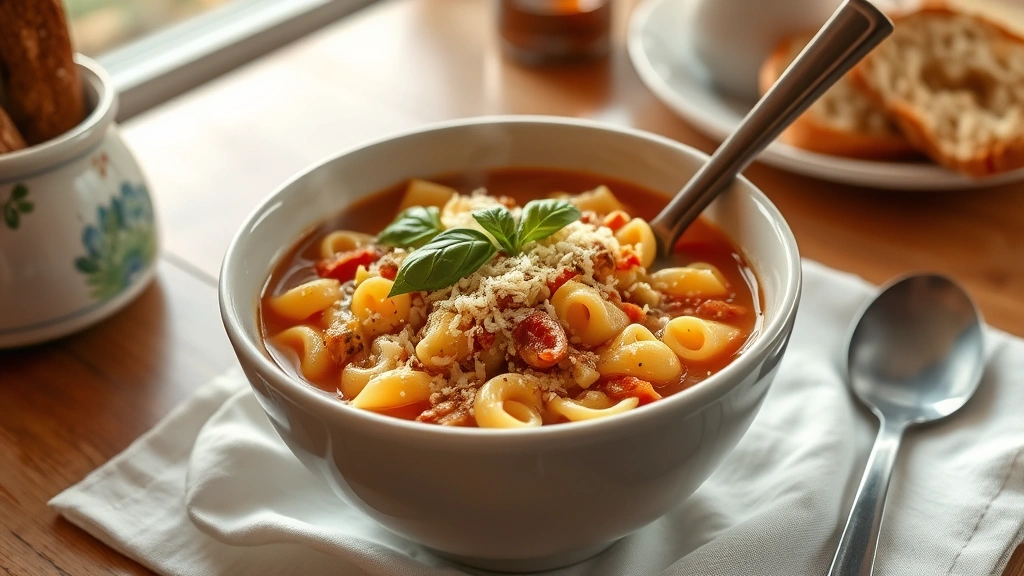
Serve in warmed bowls with generous grating of Parmigiano-Reggiano cheese and fresh basil or parsley. A drizzle of quality olive oil over each bowl adds elegance and flavor. Crusty bread on the side is non-negotiable—it’s perfect for soaking up the delicious broth.
For special occasions, consider making homemade sauces to serve alongside. A simple garlic-herb oil or spicy red pepper oil elevates the presentation. Some cooks serve with gremolata (lemon zest, garlic, and parsley mixture) for brightness.
Make-Ahead Strategy
For entertaining, prepare the broth and vegetables the day before. Store in the refrigerator, then bring to a simmer and add pasta just before serving. This approach ensures perfectly cooked pasta and fresh-tasting soup while minimizing last-minute work. Guests always appreciate hot, properly cooked soup over something that’s been sitting around.
Scaling the Recipe
This recipe doubles easily for crowds. When doubling, increase cooking time for the soffritto slightly to ensure even vegetable softening. Maintain the same pasta-to-broth ratio (roughly 1 cup pasta per 8 cups broth) to preserve proper consistency.
Frequently Asked Questions About Ditalini Pasta Soup
Can I use different pasta shapes instead of ditalini?
Absolutely. Small pasta shapes work best—try orzo, pastina, or small shells. Avoid large pasta shapes, which overwhelm the delicate soup balance. Cooking times vary slightly, so check package directions. The small tubes of ditalini are ideal because they catch broth beautifully, but other small shapes create equally satisfying results.
What’s the difference between ditalini and ditali pasta?
These terms are often used interchangeably. Ditalini means “small thimbles” in Italian, referring to the tiny, smooth tubes. Ditali is the slightly larger version. For soup, ditalini’s smaller size is preferable as it cooks faster and integrates better into the broth.
How can I make this soup lower in sodium?
Use low-sodium broth and canned tomatoes. Avoid adding salt until the very end, tasting as you go. The Parmesan rind adds saltiness, so account for that. Many people find the soup flavorful enough without added salt, especially with quality broth and proper vegetable browning.
Is this soup suitable for freezing?
Yes, but freeze before adding pasta. Cooked pasta becomes mushy when frozen and thawed. Freeze the broth and vegetables for up to 3 months, then add fresh pasta when reheating. Alternatively, cook the pasta only halfway, then finish cooking after thawing.
Can I make this in a slow cooker?
Yes. Complete the soffritto on the stovetop, transfer everything to the slow cooker, and cook on low for 6-8 hours or high for 3-4 hours. Add pasta only in the last 30 minutes of cooking to prevent mushiness. This approach works wonderfully for meal planning.
What if my soup is too thick or too thin?
Too thick? Add more broth or water, a cup at a time, until you reach desired consistency. Too thin? Simmer uncovered for 10-15 minutes to reduce and concentrate flavors. The pasta continues absorbing liquid as the soup sits, so freshly made soup will thicken slightly after sitting.
How do I prevent pasta from getting mushy?
Add pasta near the end of cooking, stirring frequently. Remove from heat the moment pasta reaches al dente. Remember that residual heat continues cooking even after you remove the pot from the burner. If making ahead, undercook the pasta slightly, then finish cooking during reheating.
Can I use fresh herbs instead of dried?
Yes. Use triple the amount of fresh herbs compared to dried. Add half at the beginning and half at the end to preserve fresh flavor. Fresh basil should be added only in the final minute. Fresh parsley is perfect for garnishing.
What vegetables can I add or substitute?
This soup is forgiving. Add diced potatoes, zucchini, bell peppers, green beans, or peas. Starchy vegetables like potatoes should be added earlier so they have time to soften. More delicate vegetables like peas should be added in the last few minutes. Use seasonal vegetables for best flavor and value.
Is this recipe naturally gluten-free?
Not with regular ditalini pasta. Use gluten-free ditalini pasta to make this recipe suitable for gluten-free diets. The cooking process remains identical; just follow the gluten-free pasta package directions for cooking time.
Grandma’s ditalini pasta soup represents more than just a recipe—it’s a connection to tradition, comfort, and the knowledge that simple ingredients prepared with care create magic. This soup has warmed countless family meals, comforted during difficult times, and brought people together around the table. Now it’s your turn to create those memories in your own kitchen. Start with this classic version, then adapt it to your preferences. The beauty of this soup is its flexibility and its soul-satisfying ability to make everyone at the table feel loved.
For more inspiration on creating memorable meals, explore homemade preserves and pickles to serve alongside. You might also appreciate learning about making homemade bone broth for even more flavorful soup bases. Professional cooking resources like Serious Eats offer additional techniques for soup mastery. Happy cooking!


